If you are choosing a wire crimper in 2026, you want one that feels precise, holds up to repeated use, and matches the job at hand.
Some tools are suited to everyday electrical work, while others are better for fishing lines, heat shrink connectors, or heavy battery cables.
The right choice can save time and prevent sloppy connections, but the differences are not always obvious.
Here is what sets the top seven apart.
| IRWIN Vise-Grip Wire Stripper 8 inch (2078309) | 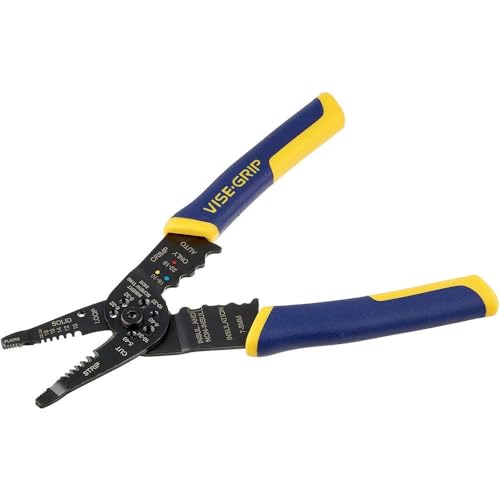 | Versatile Multi-Tool | Crimping Type: Wire stripper/crimper | Ratchet Action: No | Handle Grip: Ergonomic | VIEW LATEST PRICE | Read Our Analysis |
| iCrimp Wire Rope Swager for Crimping Fishing Lines Up To 2.2mm |  | Best For Fishing | Crimping Type: Wire rope swager | Ratchet Action: No | Handle Grip: Non-slip | VIEW LATEST PRICE | Read Our Analysis |
| Haisstronica Crimping Tool with Heat Shrink Connectors |  | Best For Heat Shrink | Crimping Type: Butt connector crimper | Ratchet Action: Yes | Handle Grip: Non-slip | VIEW LATEST PRICE | Read Our Analysis |
| Solsop Battery Cable Crimper Tool with Wire Lugs | 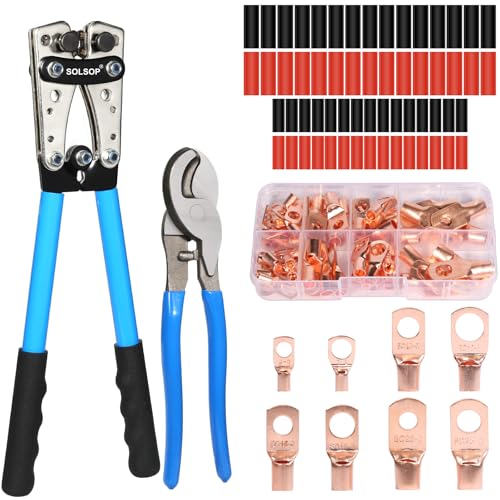 | Heavy-Duty Crimper | Crimping Type: Battery cable crimper | Ratchet Action: No | Handle Grip: Ergonomic | VIEW LATEST PRICE | Read Our Analysis |
| Haisstronica 6-Piece Ratchet Wire Crimping Tool Set | 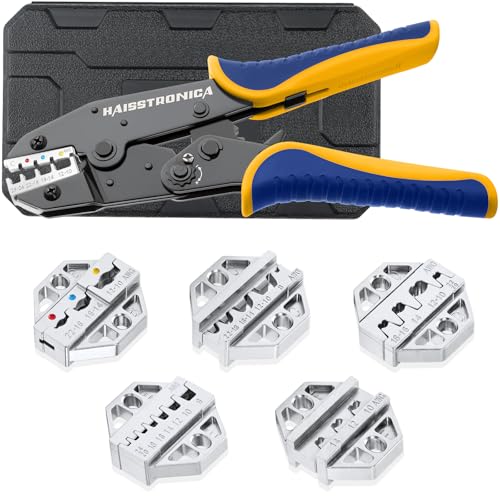 | Best All-Around | Crimping Type: Ratchet wire crimper | Ratchet Action: Yes | Handle Grip: Comfortable grip | VIEW LATEST PRICE | Read Our Analysis |
| Sopoby Crimping Tool for Heat Shrink Connectors |  | Marine-Grade Pick | Crimping Type: Heat shrink crimper | Ratchet Action: Yes | Handle Grip: Ergonomic | VIEW LATEST PRICE | Read Our Analysis |
| Twidec Wire Rope Crimping Tool Kit with Sleeves |  | Best For Rigging | Crimping Type: Wire rope crimper | Ratchet Action: Yes | Handle Grip: Textured non-slip | VIEW LATEST PRICE | Read Our Analysis |
More Details on Our Top Picks
IRWIN Vise-Grip Wire Stripper 8 inch (2078309)
If you want a compact all in one tool for everyday electrical work, the IRWIN Vise Grip Wire Stripper, 8 inch (2078309) is a smart fit. You can strip and cut 10 to 22 AWG wire, crimp insulated or non insulated terminals, and use the pliers style nose to pull or loop wire. The induction hardened cutter helps you make clean cuts, while the bolt cutter trims bolts to size and leaves a clean lead thread. ProTouch grips and an ergonomic rubber handle help reduce hand fatigue. It meets ANSI standards and comes in blue and yellow.
- Crimping Type:Wire stripper/crimper
- Ratchet Action:No
- Handle Grip:Ergonomic
- Cutter Included:Yes
- Connectivity Use:Electrical terminals
- Material:Plastic/rubber
- Additional Feature:Strips 10-22 AWG
- Additional Feature:ProTouch comfort grips
- Additional Feature:Meets ANSI standards
iCrimp Wire Rope Swager for Crimping Fishing Lines Up To 2.2mm
The iCrimp Wire Rope Swager is a practical choice for anglers who need dependable crimps on fishing lines up to 2.2 mm. It features hardened carbon steel jaws with a black oxidation finish that helps resist rust and seawater corrosion. Four crimping positions cover 0.1 to 0.5 mm, 0.5 to 1.0 mm, 1.0 to 2.0 mm, and 2.2 mm, so you can crimp copper or aluminum sleeves with confidence. Its side cutters trim wire and monofilament cleanly, while cushioned non-slip grips, a safety lock, and a lanyard make it easy to carry and safer to use.
- Crimping Type:Wire rope swager
- Ratchet Action:No
- Handle Grip:Non-slip
- Cutter Included:Yes
- Connectivity Use:Fishing line sleeves
- Material:Carbon steel
- Additional Feature:4 crimp positions
- Additional Feature:Sea water resistant
- Additional Feature:Safety lock included
Haisstronica Crimping Tool with Heat Shrink Connectors
Haisstronica’s crimping tool with heat shrink connectors is a smart choice when you want a ready to use kit for wiring jobs because it includes 200 marine grade butt connectors and the HS-8327 crimper in one package. The professional jaw crimps heat shrink connectors quickly, grips wire firmly, and helps prevent shell damage. The thickened ratchet automatically adjusts pressure, while the star wheel lets you fine tune crimp force. You will also appreciate the nylon non slip handle, quick release lever, and color markings for red, blue, and yellow connectors.
- Crimping Type:Butt connector crimper
- Ratchet Action:Yes
- Handle Grip:Non-slip
- Cutter Included:No
- Connectivity Use:Heat shrink connectors
- Material:Steel/nylon
- Additional Feature:200PCS connector bundle
- Additional Feature:Adjustable crimp height
- Additional Feature:Quick-release lever
Solsop Battery Cable Crimper Tool with Wire Lugs
Solsop’s Battery Cable Crimper Tool with Wire Lugs is a practical choice for anyone who needs a reliable, heavy-duty kit for automotive, marine, solar, or DIY wiring jobs. It includes six interchangeable dies for 6mm² to 50mm² wire, covering 10 to 1/0 AWG, plus a hex crimp that helps create tight, low-resistance connections. The carbon steel construction resists rust and wear, while the rubber-coated handles improve grip and reduce fatigue. It also comes with 60 copper lugs, 60 heat-shrink tubes, a cutter, and an 18-month warranty for added confidence.
- Crimping Type:Battery cable crimper
- Ratchet Action:No
- Handle Grip:Ergonomic
- Cutter Included:Yes
- Connectivity Use:Battery cable lugs
- Material:Carbon steel/rubber
- Additional Feature:6 interchangeable dies
- Additional Feature:Crimps up to 1/0
- Additional Feature:Includes 60 wire lugs
Haisstronica 6-Piece Ratchet Wire Crimping Tool Set
If you want a ratchet crimper that delivers strong, secure crimps without jaw drop, this Haisstronica 6 piece set is a solid choice for wiring projects and heat shrink terminals. It includes 40CR precision forged jaws that form a firm crimp in one step and leave a clean finish. The kit comes with one crimping tool and six chrome dies, so you can handle heat shrink connectors, insulated nylon terminals, non insulated terminals, cable end sleeves, open barrel terminals, and solar connectors. A comfortable grip, smooth ratchet action, easy die changes, and a 30 day guarantee add confidence.
- Crimping Type:Ratchet wire crimper
- Ratchet Action:Yes
- Handle Grip:Comfortable grip
- Cutter Included:No
- Connectivity Use:Multiple terminals
- Material:Forged steel/plastic
- Additional Feature:6 chrome dies
- Additional Feature:30-day money-back guarantee
- Additional Feature:12-month replacement warranty
Sopoby Crimping Tool for Heat Shrink Connectors
When you need a crimper built for heat shrink connectors, the Sopoby Crimping Tool for Heat Shrink Connectors is a strong fit. It features a professional grade crimping die and a ratcheting mechanism that completes each cycle, then releases the handle automatically. The quick release lever helps when you need to reset fast, and the tool holds connectors securely while you insert wires. It works with AWG 22 to 10 terminals, including ring, fork, spade, and splice types. Pair it with the 300 piece marine grade, adhesive lined connector set for waterproof, conductive, and reliable results in marine or DIY jobs.
- Crimping Type:Heat shrink crimper
- Ratchet Action:Yes
- Handle Grip:Ergonomic
- Cutter Included:No
- Connectivity Use:Marine wire connectors
- Material:Copper/nylon
- Additional Feature:300PCS connector set
- Additional Feature:Adhesive-lined 3:1 shrink
- Additional Feature:Includes storage case
Twidec Wire Rope Crimping Tool Kit with Sleeves
The Twidec Wire Rope Crimping Tool Kit with Sleeves is a solid choice if you need a durable, all in one crimping solution for outdoor or marine work. It includes a stainless steel crimping tool, 160 aluminum ferrules, 12 thimbles, and 66 feet of 304 stainless aircraft cable. Its four crimping positions help you match 50 to 450 lb test line with precision, while the non slip grip and self locking mechanism improve control. You can also cut cable cleanly. Use it for railings, dog ropes, fishing sleeves, or guardrail nets.
- Crimping Type:Wire rope crimper
- Ratchet Action:Yes
- Handle Grip:Textured non-slip
- Cutter Included:Yes
- Connectivity Use:Wire rope sleeves
- Material:Stainless steel
- Additional Feature:160 ferrules included
- Additional Feature:66 ft aircraft cable
- Additional Feature:304 stainless thimbles
Factors to Consider When Choosing Wire Crimpers
Whenever you choose wire crimpers, first check the wire gauge range so the tool fits your project. You should also match the crimper to the connector types you use, and look for a strong ratchet mechanism that delivers a clean, consistent crimp. Do not overlook handle comfort, grip, and durable build materials, since they affect both control and long term reliability.
Wire Gauge Range
Wire size is one of the earliest specs you should verify, since a crimper only works well when its stated range matches the exact conductor you plan to use. If you choose the wrong range, you can end up with a loose connection or even damage the wire. For everyday electrical jobs, many crimpers cover small to medium conductors like 10 to 22 AWG or 22 to 10 AWG, so check that your wire sits inside that span. For heavier work, look for tools rated for 10, 8, 6, 4, 2, or 1/0 AWG. If you use metric cable, compare mm² ratings too. If you are handling wire rope or ferrules, the tool may list diameter instead of AWG, so match that measurement before you buy.
Crimping Connector Types
Pick the crimper that matches the connector type you plan to use, because insulated terminals, non-insulated terminals, heat-shrink butt connectors, open-barrel terminals, ferrules, and wire rope sleeves each need a different tool profile. You should also confirm the wire size range, since one crimper can handle AWG 22 to 10, while another covers 10, 8, 6, 4, 2, and 1/0 AWG. Then check the die shape. Hex dies suit battery lugs, indentation jaws fit heat-shrink connectors, and multi-position jaws work well for sleeves and ferrules. When you use specialty connectors, look for explicit compatibility with marine-grade heat-shrink connectors, copper or aluminum sleeves, and double-barrel ferrules. That way, you will avoid mismatched crimps and get cleaner, more secure connections every time.
Ratchet Mechanism Quality
After choosing the right connector type and die profile, check the ratchet mechanism quality because it determines how consistently the crimper finishes each connection. You want a tool that completes the full cycle and will not release until it reaches the required pressure, since that helps prevent under-crimped joints. Look for smooth ratchet action and a reliable quick-release lever, so you can open the jaws safely if you need to stop or reposition a crimp. Adjustable crimp-height controls, such as a star wheel, let you fine-tune compression for different connector sizes without over-crimping. A strong ratchet also holds the connector firmly during wire insertion and maintains even pressure through closure, giving you repeatable results with less effort and no jaw drop.
Handle Comfort And Grip
As you choose wire crimpers, handle comfort can make a big difference in control and fatigue. Look for an ergonomic shape that fits your hand securely without feeling cramped. Soft, non-slip materials like rubber or nylon help you maintain a steady hold and reduce slippage while you work quickly. Cushioned grips can also ease strain, especially during repeated crimping or cutting. Textured or rubber-coated handles usually provide better grip and steadier pressure than bare metal, so each squeeze feels more controlled. Make sure the grip still lets you open and close the jaws quickly. For longer jobs, a balanced, comfortable handle helps you apply force with less effort and greater precision.
Build Material Durability
Build quality matters because steel-jaw crimpers hold their shape and keep crimps accurate over time. When you choose hardened steel or carbon steel jaws, you get better resistance to deformation, so repeated use will not throw off your results. If you work in damp, salty, or outdoor conditions, pick tools with black oxidation, stainless steel parts, or rust resistant coatings to fight corrosion and extend service life. Wear resistant construction also helps because softer metals can quickly lose their edge and weaken the jaw profile. For marine jobs, look for marine grade materials and extra protection against rust. You should also check the handles: steel cores with rubber or textured grips last longer, tolerate higher hand pressure, and help you keep a steady hold without slipping.
Frequently Asked Questions
Can Wire Crimpers Work on Aluminum Terminals?
Yes, you can use wire crimpers on aluminum terminals if they are rated for them. You will need the correct die and proper pressure, or the connection may loosen, corrode, or fail over time.
How Often Should Crimping Tool Jaws Be Calibrated?
You should calibrate your crimping tool jaws every 6 to 12 months, or after heavy use. Regular checks help keep your crimps consistent and reliable, and they reduce the risk of a loose jaw causing defects.
Do Insulated and Non-Insulated Crimpers Use Different Dies?
Yes, you’ll usually use different dies. Insulated terminals need color-coded oval or indent dies, while non-insulated terminals often use red, blue, and yellow dies, or hex dies. Check the terminal type first, then match the die.
What Causes a Crimp to Fail After Installation?
A crimp fails when you use the wrong die, strip too much or too little insulation, do not fully compress it, or allow corrosion, vibration, or poor wire sizing to loosen the connection over time.
Are Ratcheting Crimpers Better for Beginners?
Absolutely. If you are new, ratcheting crimpers help you apply consistent pressure and avoid undercrimps. They guide your hand, so you can make cleaner, more reliable connections with less guesswork.