

When you are choosing a welding gas regulator, small details can save you from big headaches later. You want smooth pressure control, solid brass construction, and gauges you can trust at a glance.
The right fit also depends on your gas type, hose setup, and flow needs, whether you are running argon, CO2, or nitrogen. With the best options in front of you, it becomes much easier to match safety, control, and convenience in one clean setup, and a few choices stand out quickly.
| SPARC Premium Nitrogen Regulator CGA580 for HVAC | 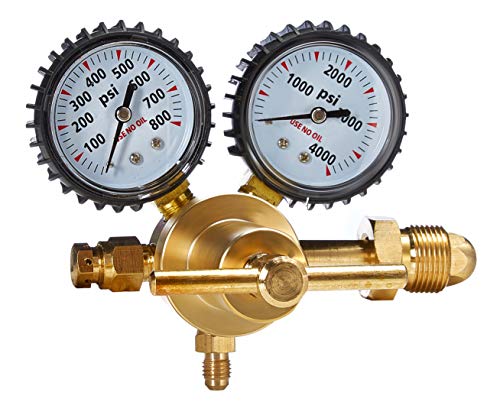 | Best Overall | Inlet Type: CGA580 | Outlet Type: 1/4 SAE flare | Pressure Range: 0–600 PSI | VIEW LATEST PRICE | Read Our Analysis |
| Uniweld Nitrogen Regulator 0-400 PSI CGA580 Inlet |  | Professional Grade | Inlet Type: CGA580 | Outlet Type: 1/4-inch male flare | Pressure Range: 0–400 PSI | VIEW LATEST PRICE | Read Our Analysis |
| YESWELDER Welding Gas Regulator Flow Meter with Hose |  | Best with Hose | Inlet Type: CGA-580 | Outlet Type: 1/4-inch barbed | Pressure Range: 0–4000 PSI gauge | VIEW LATEST PRICE | Read Our Analysis |
| CO2 Argon Welding Regulator with Gas Hose |  | Best for MIG/TIG | Inlet Type: CGA-580 | Outlet Type: 1/4″ hose barb | Pressure Range: 10–60 CFH | VIEW LATEST PRICE | Read Our Analysis |
| Nitrogen Regulator 0-600PSI CGA580 Inlet Valve |  | Best for HVAC | Inlet Type: CGA-580 | Outlet Type: 1/4-inch SAE flare | Pressure Range: 0–600 PSI | VIEW LATEST PRICE | Read Our Analysis |
| RX WELD Nitrogen Regulator with Refrigeration Hose |  | Best Accessory Bundle | Inlet Type: CGA580 | Outlet Type: 1/4-inch SAE flare | Pressure Range: 0–450 PSI | VIEW LATEST PRICE | Read Our Analysis |
More Details on Our Top Picks
SPARC Premium Nitrogen Regulator CGA580 for HVAC
If you need a nitrogen regulator that feels solid, reads clearly, and handles HVAC work without fuss, the SPARC Premium Nitrogen Regulator CGA580 is built for the job. It features a brass, full size piston regulator with a CGA580 inlet and a 1/4 SAE flare outlet, so it connects easily to nitrogen and other inert gas tanks. The 2 inch gauges make pressure easy to read, while the T handle gives smooth control from 0 to 600 PSI. Rubber gauge covers add protection, and the lifetime USA warranty provides added peace of mind on every job.
- Inlet Type:CGA580
- Outlet Type:1/4 SAE flare
- Pressure Range:0–600 PSI
- Gauge Count:Single gauge
- Brass Build:Brass construction
- Hose Included:No
- Additional Feature:Lifetime USA warranty
- Additional Feature:Full-size piston regulator
- Additional Feature:Rubber gauge covers
Uniweld Nitrogen Regulator 0-400 PSI CGA580 Inlet
The Uniweld RHP400 Nitrogen Regulator is a smart choice if you need firm control, easy reading, and solid build quality in one tool. It includes a CGA580 inlet, a 1/4 inch male flare outlet, and a 0 to 400 PSI range for steady work. Its two 2 inch gauges and rubber boots help you read quickly and protect the gauge faces. The brass piston diaphragm, large T-handle, and stainless adjusting screw feel sturdy in use. The self-reseating relief valve adds peace of mind, though it will not protect downstream gear. With a F36 adapter, you can also use CO2.
- Inlet Type:CGA580
- Outlet Type:1/4-inch male flare
- Pressure Range:0–400 PSI
- Gauge Count:Dual gauges
- Brass Build:Brass piston body
- Hose Included:No
- Additional Feature:Self-reseating relief valve
- Additional Feature:Stainless steel adjusting screw
- Additional Feature:Anti-galling bushing
YESWELDER Welding Gas Regulator Flow Meter with Hose
YESWELDER’s Welding Gas Regulator Flow Meter with Hose is a smart pick if you want steady gas control without much fuss. It features a brass body, a leak-proof CGA-580 inlet, and a clear 0 to 60 CFH flow tube with a floating ball, so you can check gas flow at a glance. The 0 to 4000 PSI gauge helps you monitor tank pressure with confidence. Because it includes an 8.2-foot hose, clamp, and mounting nut, you can set it up quickly for MIG, TIG, argon, helium, or mixed gas applications.
- Inlet Type:CGA-580
- Outlet Type:1/4-inch barbed
- Pressure Range:0–4000 PSI gauge
- Gauge Count:Dual gauges
- Brass Build:Full brass body
- Hose Included:8.2 ft hose
- Additional Feature:0–60 CFH flow tube
- Additional Feature:Floating ball indicator
- Additional Feature:8.2 ft gas hose
CO2 Argon Welding Regulator with Gas Hose
Built for welders who want clean control and easy setup, this CO2 Argon welding regulator with gas hose gives you a practical way to manage gas flow without the usual hassle. It includes a CGA-580 inlet for compatibility with common tanks, and the female 5/8UNF-18RH connection helps you hook up quickly. The 10 to 60 CFH flow range lets you fine tune gas with the ball in the tube, while the 0 to 4000 psi gauge keeps pressure easy to monitor. Brass construction, a 10 ft quick connect hose, a clamp, and a mounting nut help you work safely and confidently.
- Inlet Type:CGA-580
- Outlet Type:1/4″ hose barb
- Pressure Range:10–60 CFH
- Gauge Count:Dual gauges
- Brass Build:Brass construction
- Hose Included:10 ft hose
- Additional Feature:10–60 CFH flow range
- Additional Feature:10 ft quick-connect hose
- Additional Feature:Remote tank placement
Nitrogen Regulator 0-600PSI CGA580 Inlet Valve
For HVAC techs, welders, and anyone who needs steady control from a nitrogen tank, this 0 to 600 PSI regulator with a CGA580 inlet valve offers reliable performance and easy control. It features a solid brass body, a brass piston diaphragm, and a heavy duty T-handle that feels smooth in your hand. The 0 to 4000 PSI cylinder gauge and 0 to 600 PSI output gauge let you monitor pressure quickly. It is compatible with nitrogen, argon, and helium tanks, and the 1/4 inch SAE flare outlet makes setup simple.
- Inlet Type:CGA-580
- Outlet Type:1/4-inch SAE flare
- Pressure Range:0–600 PSI
- Gauge Count:Dual gauges
- Brass Build:Solid brass body
- Hose Included:No
- Additional Feature:500 PSI max output
- Additional Feature:Scratch-resistant plastic film
- Additional Feature:Professional customer service
RX WELD Nitrogen Regulator with Refrigeration Hose
If you need a nitrogen regulator that can handle HVAC work without making setup difficult, the RX WELD Nitrogen Regulator with Refrigeration Hose is a practical choice. It includes a CGA580 inlet, a 1/4 inch SAE male flare outlet, and a 5 foot hose for quick connection. The two 2 inch gauges are easy to read, and the rubber boots help protect them. A brass T handle, stainless adjusting screw, and piston diaphragm add durability. With 0 to 450 PSI output, it is suitable for purging, pressure testing, brazing, and leak checks.
- Inlet Type:CGA580
- Outlet Type:1/4-inch SAE flare
- Pressure Range:0–450 PSI
- Gauge Count:Dual gauges
- Brass Build:Brass piston body
- Hose Included:5 ft hose
- Additional Feature:450 PSI operable output
- Additional Feature:5 ft refrigeration hose
- Additional Feature:Self-reseating relief valve
Factors to Consider When Choosing Welding Gas Regulators
When choosing a welding gas regulator, start by matching it to your gas type so it operates safely and smoothly. Next, check the inlet and outlet connections, the pressure range you need, and the gauge readability so you can set and monitor flow with less stress. Strong build materials also matter because a durable regulator can handle daily use and help you feel more confident on the job.
Gas Type Compatibility
Gas type compatibility is one of the first things to check before you connect a welding regulator, because the wrong match can lead to poor performance or a serious safety hazard. Confirm that the regulator is made for your gas, whether it is oxygen, argon, CO2, or a mixed blend. Next, check the cylinder standard and pressure rating so you do not force an incompatible pairing. Then inspect the seals and body materials, since some gases require clean, oxygen-safe parts or corrosion-resistant components. You should also choose a pressure range that fits both the cylinder and your tool, so the flow remains steady. For CO2, select a model that handles pulsing. If you use specialty gases, follow the manufacturer’s specifications closely.
Inlet And Outlet Fit
A regulator can look right at first glance and still cause trouble if the inlet and outlet do not line up, so it is worth checking those fittings before you tighten anything. Start with the inlet, and make sure it matches your cylinder valve standard, such as CGA580 for many inert gases, so the regulator threads on securely and seals properly. Then check the outlet fitting type and thread, such as 1/4 inch SAE male flare or 7/16-20, so your hose, torch, or flowmeter fits without difficulty. Also confirm whether the fittings are male or female, and whether the flare angle is 45 degrees. Finally, match the outlet port size and hose style to your hose inner diameter. If you need adapters, use them carefully, since they can add leak points and affect flow.
Pressure Range Needs
Get the pressure range right, and your welding setup will feel safer and easier to control. You need a regulator whose inlet rating can handle your cylinder’s full pressure, often 3,000 to 4,000 PSI, without stress. Then make sure the outlet range matches the job you are doing. For shielding gas work, a low delivery range around 10 to 60 CFH usually fits well. For heavier tasks, you might need several hundred PSI. Choose a regulator with room to spare so it will not run at its limit or choke during small spikes. If you switch between gases or processes, use an adjustable model that covers each need, or keep separate regulators sized for each setup.
Gauge Readability
Clear gauges make a bigger difference than many welders initially expect. When you shop for a regulator, choose a face that is at least 2 inches wide so you can read the numbers quickly in a busy shop. Also, choose single-scale or dual-scale dials that match your units, whether you use PSI or metric, so you do not waste time converting in the middle of a setup. High-contrast markings help a lot, and a floating-ball or clear flow tube makes low-flow tuning easier. You should also check that the gauge range goes beyond your highest pressure, because that keeps the needle in a more accurate spot. Finally, protective boots or scratch-resistant covers help keep the face clear, which saves your eyes and your patience.
Build Materials
Steel and brass matter more than many welders initially believe. Brass is the common choice for a regulator body because it resists corrosion, machines well, and stands up to argon, nitrogen, and CO2. When you work with harsher gases, stainless steel parts can provide extra resistance and help threaded pieces turn more smoothly without galling. If you need steadier flow under heavy pressure changes, a piston style design with solid metal housing can feel more stable than softer diaphragm setups. Next, check the seals and diaphragms, because nitrile, Viton, or EPDM must match your gas and temperature. Finally, look for rubber gauge boots or plated finishes so the regulator keeps looking and working better on a busy shop cart.
Safety Relief Features
A good safety relief valve performs quiet, behind-the-scenes work that can protect your regulator and your day. Choose a regulator with a self-reseating or pop-type valve, because it vents excess pressure before the body strains. Next, check the set point. It must match the regulator’s inlet and outlet ratings so it opens before parts fail. Then, inspect the vent path. It should direct gas away from you and any flame, especially when you use flammable or asphyxiating gases. Also, select materials and seals that are compatible with the gas, since corrosion can make the relief system sluggish. Finally, test and maintain the valve on schedule, and replace any unit that is damaged, clogged, or not operating properly.
Frequently Asked Questions
How Often Should Welding Gas Regulators Be Calibrated?
You should calibrate your welding gas regulators at least annually, and sooner if you notice erratic pressure, leaks, or after repairs. This helps keep your setup safer and your welds more consistent.
Can One Regulator Work With Multiple Gas Types?
Yes. One regulator can work with multiple gas types only if it is rated for those gases and compatible with their pressures and fittings. Do not mix incompatible gases, because safety and performance can be affected.
What Causes Regulator Creep During Welding?
Regulator creep happens when you adjust the pressure, but it slowly rises anyway. Common causes include worn seats, dirty valves, damaged diaphragms, or leaks that let upstream gas push the pressure higher than you set.
How Do I Test for Gas Leaks Safely?
You can test for gas leaks safely by pressurizing the system, then brushing soapy water on fittings and watching for bubbles. Never use flames, and tighten or replace any leaking parts immediately.
When Should a Welding Regulator Be Replaced?
If your welding regulator leaks, will not hold pressure, sticks, or shows visible damage, replace it immediately. This helps keep you safe and your welds consistent.
Final Thoughts
Welding gas regulators may look small, but they can affect the entire job. A steady regulator helps keep the weld cleaner, safer, and less stressful. Many professionals know that unstable gas flow can ruin a good bead faster than bad luck can find you. When you choose the right model, you gain more control and face fewer surprises. That means smoother starts, better protection, and more confidence at the torch.