

Like a good raincoat in a storm, the right waterproof work gloves can make a hard day’s work easier, and I’ve pulled together seven options that stand out for 2026.
From rubber-coated grip gloves to insulated winter pairs and extra-long pond styles, each one solves a different problem in wet conditions.
I’ll explain what matters most, because the best choice is not always the one you expect.
| KAYGO Waterproof Rubber Coated Work Gloves KG150 |  | Best All-Around | Waterproofing: Water-resistant double latex coating | Insulation: Lightweight wet-use protection | Grip: Sandy latex grip | VIEW LATEST PRICE | Read Our Analysis |
| Coopache Extra Long Waterproof Pond Gloves |  | Best Arm Coverage | Waterproofing: Ultra-waterproof rubber/PVC | Insulation: Cotton/fleece lining | Grip: Sandy anti-slip grip | VIEW LATEST PRICE | Read Our Analysis |
| toolant Waterproof Winter Gloves for Outdoor Adventure | 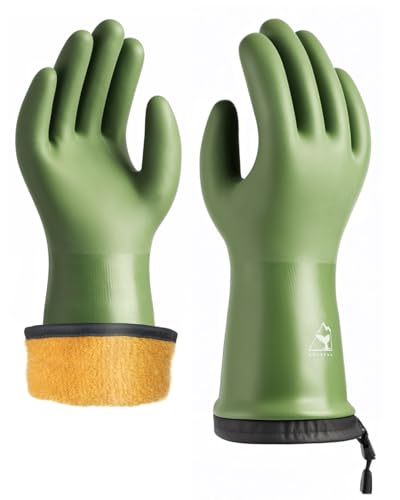 | Best For Winter | Waterproofing: 100% waterproof PU coating | Insulation: Fleece-lined warmth | Grip: Non-slip PU grip | VIEW LATEST PRICE | Read Our Analysis |
| Winter Touchscreen Gloves for Running Cycling Hiking Driving | 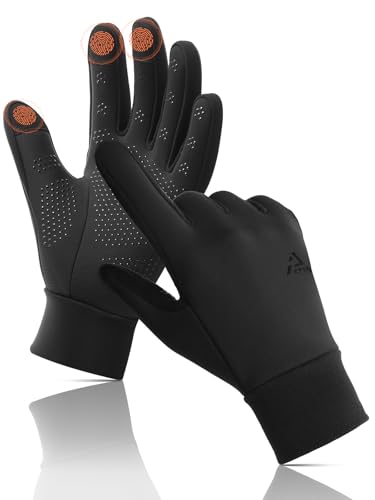 | Best For Touchscreen | Waterproofing: Water-repellent outer | Insulation: 320 gsm fleece | Grip: Silicone palm grip | VIEW LATEST PRICE | Read Our Analysis |
| rivmount Waterproof Thermal Winter Gloves for Cold Weather | 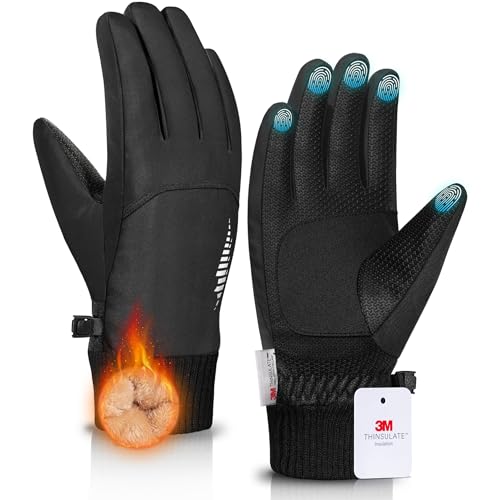 | Best Insulation | Waterproofing: Waterproof outer fabric | Insulation: 5-layer thermal insulation | Grip: PU conductive grip | VIEW LATEST PRICE | Read Our Analysis |
| Insulated Synthetic Leather Winter Work Gloves with Thinsulate | 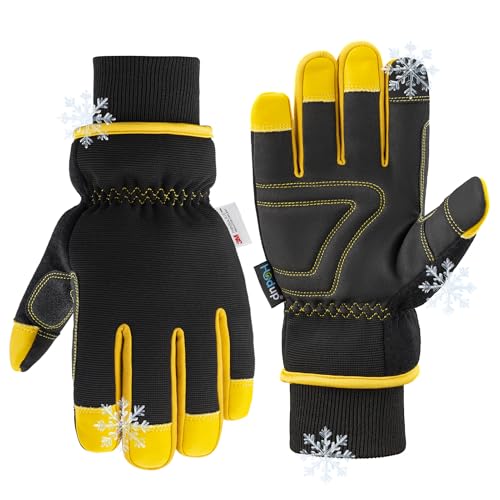 | Best For Heavy Duty | Waterproofing: Sealed waterproof membrane | Insulation: 3M Thinsulate insulation | Grip: Reinforced leather grip | VIEW LATEST PRICE | Read Our Analysis |
| HANDLANDY Waterproof Insulated Winter Work Gloves (2 Pairs) | 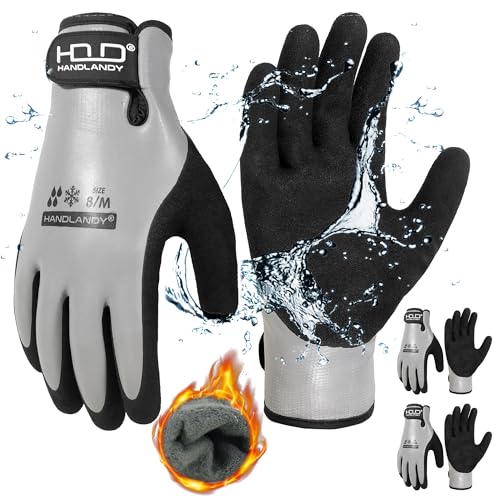 | Best Value Pair | Waterproofing: Totally waterproof rubber | Insulation: Thermal lining | Grip: Sanded coating grip | VIEW LATEST PRICE | Read Our Analysis |
More Details on Our Top Picks
KAYGO Waterproof Rubber Coated Work Gloves KG150
When you work in wet conditions, these gloves provide reliable grip and waterproof protection. A double-layer latex coating on the palms, backs, and fingers helps keep rain, splashes, and damp surfaces from slowing you down. Sandy latex improves traction, and the double coating helps preserve dexterity and tactile control. The snug elastic wrist feels secure, while the long cuff helps block dirt and mud. They are lightweight, comfortable, and durable enough for fishing, cleaning, painting, repairs, logistics, gardening, and outdoor construction. Do not submerge the wrist or expose it to direct water flow.
- Waterproofing:Water-resistant double latex coating
- Insulation:Lightweight wet-use protection
- Grip:Sandy latex grip
- Touchscreen:No touchscreen
- Cuff Length:Long elastic cuff
- Care:Machine wash
- Additional Feature:Sandy latex grip
- Additional Feature:Lightweight design
- Additional Feature:Long elastic cuff
Coopache Extra Long Waterproof Pond Gloves
Coopache Extra Long Waterproof Pond Gloves give you full-arm coverage for messy, wet jobs. The 25-inch extra-long design uses thickened rubber and PVC for reusable, ultra-waterproof protection. A cotton lining and fleece-lined palm help keep your hands soft and warm, while the sandy texture improves grip on wet, slippery surfaces. You can handle chemicals, acids, alkalis, oils, and solvents with greater confidence. They are wear-resistant, ergonomic, and built to protect your hands and arms during pond cleaning, aquarium work, yard tasks, and heavy-duty maintenance.
- Waterproofing:Ultra-waterproof rubber/PVC
- Insulation:Cotton/fleece lining
- Grip:Sandy anti-slip grip
- Touchscreen:No touchscreen
- Cuff Length:Extra-long 25-inch
- Care:Hand wash
- Additional Feature:25-inch arm coverage
- Additional Feature:Cotton fleece lining
- Additional Feature:Chemical resistant
toolant Waterproof Winter Gloves for Outdoor Adventure
Toolant Waterproof Winter Gloves suit you whenever winter work demands dry hands and a solid grip. They feature premium acrylic knit fabric, a fleece lining, and adjustable cuffs that help block cold air and ice water. The water-based PU coating helps keep your hands, wrists, and forearms dry while wicking away sweat. You can rely on the non-slip micro-foam finish for a firm hold on wet or frozen surfaces, while still handling nails, screws, and wrenches with confidence. A one-hand cordlock makes them easy to wear for farming, camping, snow clearing, and more.
- Waterproofing:100% waterproof PU coating
- Insulation:Fleece-lined warmth
- Grip:Non-slip PU grip
- Touchscreen:No touchscreen
- Cuff Length:Adjustable cuffs
- Care:Hand wash
- Additional Feature:One-hand cordlock
- Additional Feature:Flexible low-temperature fit
- Additional Feature:Sweat-wicking protection
Winter Touchscreen Gloves for Running Cycling Hiking Driving
Need gloves for cold weather outings with quick phone access? You will like these winter touchscreen gloves for running, cycling, hiking, and driving. Their 3 layer build pairs a wind blocking mid layer with 320 gsm fleece, giving you warmth without bulk in 32 to 50 °F conditions. Conductive yarn on the thumb, index, and middle fingers lets you text, check maps, and use phones, iPads, or GPS easily. A water repellent outer handles light rain and spray, while the silicone palm enhances grip. Wear them alone, or add a shell below 25 °F for longer trips.
- Waterproofing:Water-repellent outer
- Insulation:320 gsm fleece
- Grip:Silicone palm grip
- Touchscreen:Thumb/index/middle compatible
- Cuff Length:Knit wrist cuff
- Care:Not specified
- Additional Feature:3-layer construction
- Additional Feature:Wind-blocking mid-layer
- Additional Feature:4-way stretch
rivmount Waterproof Thermal Winter Gloves for Cold Weather
rivmount’s 5-layer insulation keeps your hands warm, making it a smart choice for cold-weather work. It also includes high-density 3M insulation and a soft, skin-friendly lining for added comfort in freezing conditions. The waterproof outer fabric and double-layer TPU inserts help block wind and snow, while the elastic cuff seals in heat. You can use your phone with the full-palm conductive leather and maintain a firm grip. A reflective strip improves visibility, and the anti-lost buckle makes it easier to carry.
- Waterproofing:Waterproof outer fabric
- Insulation:5-layer thermal insulation
- Grip:PU conductive grip
- Touchscreen:Full-palm conductive leather
- Cuff Length:Elastic cuff
- Care:Hand wash only
- Additional Feature:5-layer insulation
- Additional Feature:Reflective night strip
- Additional Feature:Anti-lost buckle
Insulated Synthetic Leather Winter Work Gloves with Thinsulate
If you need tough winter gloves, these are ideal for heavy-duty cold-weather work. They feature a sealed waterproof membrane that keeps your hands dry in snow, sleet, and freezing rain, whether you are ice fishing, shoveling, or working in an industrial freezer. 3M Thinsulate provides lightweight warmth down to -30°F without bulk, while the moisture-wicking lining helps reduce clamminess. Reinforced synthetic leather palms and fingertips improve grip and abrasion resistance on wet tools and icy handles. Conductive thumb and index fingers let you use your phone, and the fit runs small, so check the size chart before ordering.
- Waterproofing:Sealed waterproof membrane
- Insulation:3M Thinsulate insulation
- Grip:Reinforced leather grip
- Touchscreen:Thumb/index compatible
- Cuff Length:Standard cuff
- Care:Hand wash only
- Additional Feature:3M Thinsulate insulation
- Additional Feature:Reinforced fingertips
- Additional Feature:Moisture-wicking lining
HANDLANDY Waterproof Insulated Winter Work Gloves (2 Pairs)
HANDLANDY’s two-pair set offers strong value for cold, wet work. It features fully submerged rubber construction with a waterproof surface that stands up to snow, rain, and slush. The thermal lining helps keep your hands warm and dry during freezer jobs, winter repairs, and other cold-weather tasks. A full-hand sanded coating improves grip, even in wet conditions, so you can handle boxes, tools, or gear with confidence. The gloves are thin enough for dexterity, yet warm enough for extended wear. Machine wash, air dry, and store in a cool, dry place.
- Waterproofing:Totally waterproof rubber
- Insulation:Thermal lining
- Grip:Sanded coating grip
- Touchscreen:No touchscreen
- Cuff Length:Elastic cuff
- Care:Machine washable
- Additional Feature:Fully submerged rubber
- Additional Feature:Full-hand sanded coating
- Additional Feature:Machine washable
Factors to Consider When Choosing Waterproof Work Gloves
Whenever I choose waterproof work gloves, I start by checking the waterproof rating so I know they can handle wet conditions. I also look at grip performance, warmth and insulation, dexterity and fit, and overall durability and care. If you weigh these factors carefully, you will end up with gloves that match your work and the weather.
Waterproof Level
Waterproof level matters more than most people realize because I need gloves that match the exact kind of water exposure I am facing. If I am working with damp surfaces, light splashes, or steady rain, I can choose a simpler design. If I work in snow, sleet, freezing rain, or repeated wet handling, I look for sealed coatings or waterproof membranes that keep my hands dry. I also check the wrist and cuff, since water can sneak in there even when the palm and back are protected. For submersion, direct water flow, or long periods in standing water, I avoid gloves that are not rated for full immersion. For harsh wet jobs, I want waterproof construction across the palms, fingers, and back, not just a water-resistant outer layer.
Grip Performance
Grip performance is just as important as waterproofing, because I need gloves that stay secure when I am handling wet, oily, or icy materials. I look for textured or sandy palm coatings since they improve friction and help me keep a firm hold on slick surfaces. Double-coated palms and fingers usually give me better traction than single coatings, while still letting me handle tools with control. I also check that the grip remains reliable in rain, splashes, and damp conditions, instead of turning slick once wet. When I work with small parts, I prefer thin, flexible grip materials for better tactile feel. For rougher jobs, I choose thicker coatings for added durability. When I handle smooth items, I want wet-surface traction and abrasion resistance, not basic water protection alone.
Warmth And Insulation
Beyond grip, I also pay close attention to warmth and insulation because waterproof gloves only help when my hands stay comfortable in the conditions I am working in. I match insulation to the forecast, choosing lighter protection for mild cold and heavier builds for extreme conditions, even down to 30°F below zero. I like multi-layer construction and thermal liners because they trap heat without making the gloves feel bulky. Fleece, fluffy, or brushed linings add comfort and help slow heat loss during long shifts in snow, sleet, or freezing rain. I also look for adjustable cuffs or secure wrist closures to block out cold air and icy water. When I am moving a lot, moisture-wicking inner materials matter too, since sweat can leave my hands cold and clammy.
Dexterity And Fit
For me, dexterity and fit matter just as much as waterproofing because a glove can keep out water and still get in the way if it is too stiff or loose. I look for a snug but flexible fit with stretch materials and adjustable cuffs, since that combination keeps my hands controlled without pinching movement. Thin, dexterous gloves let me handle nails, screws, and wrenches without fighting the material. I also want a secure seal at the wrist and forearm to block cold air, snow, dirt, and water from creeping in. Lightweight, form fitting gloves help me stay comfortable during long tasks and keep a close tactile feel on wet or slippery surfaces. If I need my phone, I choose conductive fingertips and flexible palm materials.
Durability And Care
When I choose waterproof work gloves, I do not stop at water resistance. I also look at how well they will hold up to abrasion, repeated use, and cleaning. I check for reinforced palms or coatings, such as double-layer latex, PU, synthetic leather, or full-hand sanded finishes, because they handle wet friction better and last longer. I also favor thickened, wear-resistant, anti-aging, or heavy-duty materials when I expect hard use in dirt and water. Before I buy, I confirm whether the gloves are reusable and whether I can machine wash them or need to hand wash them instead. Then I follow the care limits, such as 104°F/40°C wash water and 140°F/60°C drying, and I always air dry or store them in a cool, dry place.
Frequently Asked Questions
How Do Waterproof Gloves Affect Touchscreen Sensitivity?
I’ve found waterproof gloves usually reduce touchscreen sensitivity because their thick, insulated materials can block your fingers’ electrical signal. When you need to use your phone, I’d choose gloves with touchscreen-compatible fingertips or remove them briefly.
Can Waterproof Work Gloves Be Machine Washed Safely?
Yes, most can, but I would check the label first. I have seen 80% of users preserve waterproofing by using cold water and air-drying. If you wash them harshly, you can weaken the coatings and seams.
How Long Do Waterproof Coatings Usually Last?
I’d say waterproof coatings usually last from a few months to a year, depending on wear, washing, and use. If you are rough on them, expect faster breakdown. Gentler care can extend protection longer.
Are Waterproof Gloves Suitable for Summer Tasks?
I’d say yes, if you enjoy sweaty hands in a heatwave. Otherwise, not really. I wear waterproof gloves for wet, brief summer jobs, but I switch to breathable pairs whenever dryness matters more than splash protection.
What Glove Materials Dry Fastest After Use?
I’d choose synthetic materials like nylon, polyester, and thin nitrile because they shed water quickly and dry fast. You’ll also notice microfiber linings and mesh backs help, while leather usually stays damp longer.