

Choosing the right desoldering pump can feel like finding a steady hand in a storm.
I am looking at seven strong options for 2026, from the YIHUA 947-V and WEP 8786D-I SE to compact electric and manual tools that each bring different strengths.
If you want better suction, heat resistance, and comfort, I will show you which models stand out and why some details matter more than you may expect.
| YIHUA 947-V Soldering Iron Kit with Temperature Control |  | Best Soldering Kit | Suction Type: Included pump | Handle Design: Handle switch | Nozzle Tip: Standard tips | VIEW LATEST PRICE | Read Our Analysis |
| Electric Desoldering Pump Solder Removal Tool | 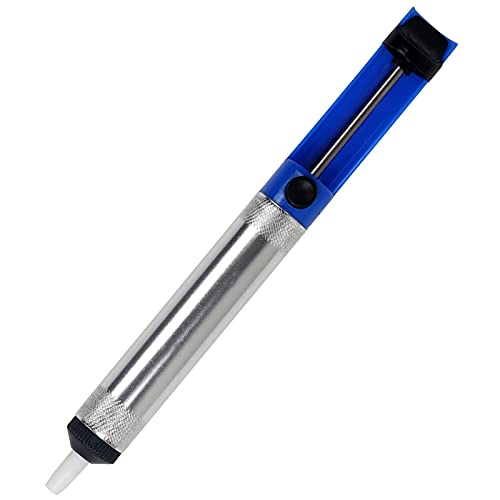 | Best Budget Pick | Suction Type: Manual pump | Handle Design: Non-slip grip | Nozzle Tip: Suction nozzle | VIEW LATEST PRICE | Read Our Analysis |
| Electric Solder Desoldering Pump Tool (2-Pack) | 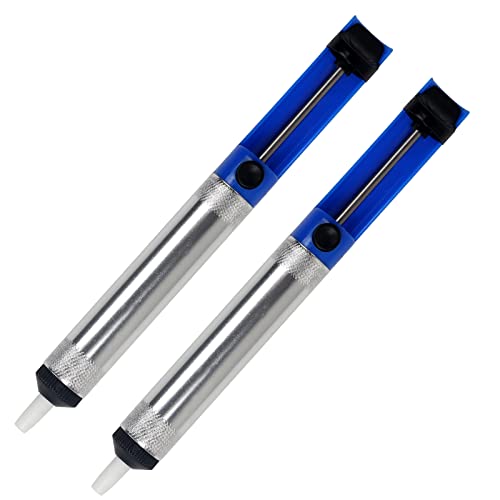 | Best Two-Pack | Suction Type: Manual pump | Handle Design: Non-slip grip | Nozzle Tip: Lightweight nozzle | VIEW LATEST PRICE | Read Our Analysis |
| WEP 8786D-I SE Hot Air Soldering Station Kit | 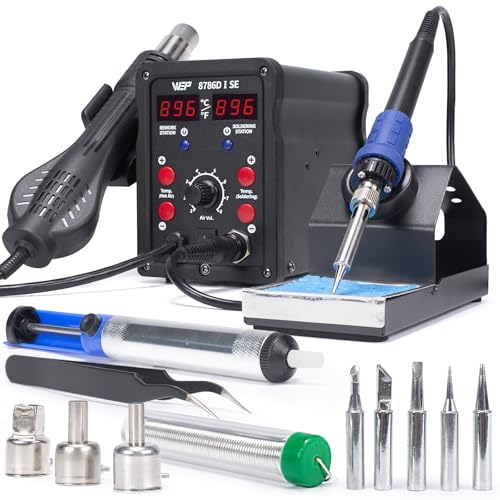 | Best Station Combo | Suction Type: Included pump | Handle Design: Station unit | Nozzle Tip: 3 air nozzles | VIEW LATEST PRICE | Read Our Analysis |
| EVERMARKET Desoldering Wick and Solder Sucker Tool |  | Best Solder Wick | Suction Type: Solder sucker | Handle Design: One-handed use | Nozzle Tip: Copper braid | VIEW LATEST PRICE | Read Our Analysis |
| Solder Sucker Desoldering Pump with Teflon Tip | 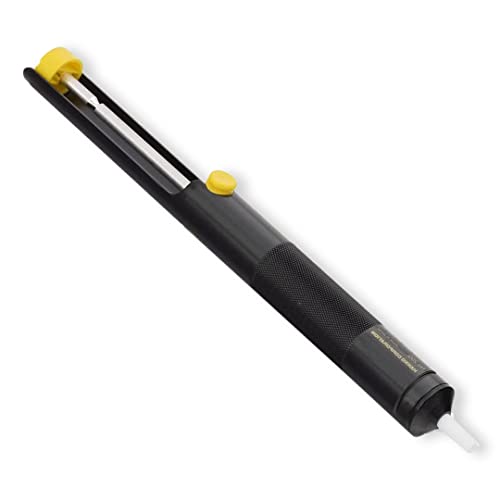 | Best Teflon Tip | Suction Type: Vacuum pump | Handle Design: Anti-skid handle | Nozzle Tip: Teflon tip | VIEW LATEST PRICE | Read Our Analysis |
| Tegg 13-Inch Soldering Iron Desoldering Pump |  | Best Large Pump | Suction Type: High vacuum pump | Handle Design: ABS handle | Nozzle Tip: Tin suction mouth | VIEW LATEST PRICE | Read Our Analysis |
More Details on Our Top Picks
YIHUA 947-V Soldering Iron Kit with Temperature Control
If you want a precise, all in one setup, the YIHUA 947-V is a strong soldering kit option. It includes a 60 watt iron with efficient heating and temperature control, helping you work with accurate, stable heat. Three LED lights brighten your workspace, and the operation indicator shows when the unit is on. The handle switch adds safer control. This 15 piece kit includes five tips, solder wire, a desoldering pump, sponge, holder, tweezers, tip cleaner, and a silicone pad. Its portable case keeps everything organized and secure. It runs on 110 to 127V only.
- Suction Type:Included pump
- Handle Design:Handle switch
- Nozzle Tip:Standard tips
- Material:Mixed materials
- Portability:Portable case
- One-Hand Use:Yes
- Additional Feature:3 LED work lights
- Additional Feature:Temperature control system
- Additional Feature:15-piece accessory kit
Electric Desoldering Pump Solder Removal Tool
Built for precision repair work, this electric desoldering pump is a smart budget choice for electronics technicians and DIY users. Use it on circuit pins, small components, home appliances, digital repairs, and leftover solder residue. The aluminum alloy shell and non-slip grip feel comfortable in hand, while the lightweight nozzle keeps it easy to handle during long jobs. A stainless steel push rod and internal spring provide strong, instant suction. Press lightly for a quick rebound, then clear debris with ease. Less clogging helps you work faster, and support is available if needed.
- Suction Type:Manual pump
- Handle Design:Non-slip grip
- Nozzle Tip:Suction nozzle
- Material:Aluminum alloy
- Portability:Portable
- One-Hand Use:Yes
- Additional Feature:Stainless steel push rod
- Additional Feature:Back-pull spring design
- Additional Feature:Less clogging risk
Electric Solder Desoldering Pump Tool (2-Pack)
For quick, clean solder removal, this two pack is ideal for repair work on electronics and small devices. You get Lesnow manual desoldering pumps with strong suction, so you can clear integrated circuit pins, waste tin residue, and stubborn debris quickly. The aluminum alloy shell and ergonomic, non slip grip help you work comfortably, while the stainless steel push rod and internal spring support quick rebound and low clogging. Its lightweight, portable build suits home appliance, digital, and industrial repairs. With two pumps in the pack, you can keep one ready while using the other.
- Suction Type:Manual pump
- Handle Design:Non-slip grip
- Nozzle Tip:Lightweight nozzle
- Material:Aluminum alloy
- Portability:Portable
- One-Hand Use:Yes
- Additional Feature:2-pack value
- Additional Feature:4.4-star rating
- Additional Feature:Industrial use ready
WEP 8786D-I SE Hot Air Soldering Station Kit
Need a versatile bench setup? The WEP 8786D-I SE combines a soldering station and a hot air rework station in one compact unit. It features digital °F readouts, power switches, adjustable hot air volume, and precise temperature control. For soldering, you can run it from 392 to 896°F with PID stabilization and a 10 minute sleep mode that helps protect tips and heaters. For hot air, you can set it from 212 to 896°F, use standby mode, and let the gun cool to 212°F in its holder for safer use and longer life. It includes solder wire, a desoldering pump, tweezers, nozzles, and tips.
- Suction Type:Included pump
- Handle Design:Station unit
- Nozzle Tip:3 air nozzles
- Material:Mixed materials
- Portability:Benchtop station
- One-Hand Use:Not stated
- Additional Feature:2-in-1 station design
- Additional Feature:PID stabilization function
- Additional Feature:10-minute sleep mode
EVERMARKET Desoldering Wick and Solder Sucker Tool
If you want a clean, efficient board repair, EVERMARKET’s desoldering wick and solder sucker deliver strong results. You get a 2.5 mm wide, 1.5 m braid with no-clean flux and finely woven, oxygen-free copper that pulls solder quickly. Its excellent thermal transfer helps you desolder faster and more safely, even with lower-temperature irons. The 7.5 inch aluminum solder sucker feels light, works one-handed, and suits both right- and left-handed use. With high-pressure vacuum and a 3/4 inch diameter, you can clear joints quickly and keep your workflow smooth.
- Suction Type:Solder sucker
- Handle Design:One-handed use
- Nozzle Tip:Copper braid
- Material:Aluminum body
- Portability:Compact tools
- One-Hand Use:Yes
- Additional Feature:No-clean flux braid
- Additional Feature:1.5 m wick length
- Additional Feature:7-1/2 inch sucker
Solder Sucker Desoldering Pump with Teflon Tip
A Teflon-tip solder sucker is a good choice if heat resistance and easy one-hand desoldering matter most. It is a durable tool made from high-quality ABS plastic and aluminum alloy, with a soft anti-skid handle that feels secure during use. The Teflon nozzle withstands high temperatures, resists static, and includes replacement tips for a longer service life. You can operate it with one hand, so removing solder feels quick and controlled. Its efficient vacuum action clears tin debris, resists clogging, and works well on circuit boards, PCB fixes, repairs, DIY projects, and welding tasks.
- Suction Type:Vacuum pump
- Handle Design:Anti-skid handle
- Nozzle Tip:Teflon tip
- Material:ABS/aluminum
- Portability:Portable
- One-Hand Use:Yes
- Additional Feature:Teflon nozzle tip
- Additional Feature:Anti-static construction
- Additional Feature:Replacement tips included
Tegg 13-Inch Soldering Iron Desoldering Pump
The Tegg 13-inch desoldering pump is a practical choice when you need a powerful, large pump for fast solder removal. It has a 330 mm body that provides extra reach and a firm grip for one-hand operation. High-vacuum suction and a strong spring help clear solder quickly from circuit boards and other joints. The ABS handle and metal components add durability, while the enclosed shaft improves safety. It also includes two tin suction mouths, allowing you to swap tips as needed. This blue desoldering tool makes solder cleanup simple and efficient.
- Suction Type:High vacuum pump
- Handle Design:ABS handle
- Nozzle Tip:Tin suction mouth
- Material:ABS/metal
- Portability:13-inch tool
- One-Hand Use:Yes
- Additional Feature:13-inch length
- Additional Feature:Enclosed shaft safety
- Additional Feature:2 tin suction mouths
Factors to Consider When Choosing Desoldering Pumps
When I choose a desoldering pump, I first look at suction strength and tip material because both affect how cleanly I can remove solder. I also check heat resistance and the grip because I want a tool that stays reliable and comfortable during longer jobs. If I need to move it around often, I make sure it is easy to carry and store.
Suction Strength
Strong suction strength matters because it lets me pull molten solder away in a single, quick motion, which reduces leftover residue and repeated pumping. I look for pumps that fire instantly when I release them, especially models with an internal spring and back-pull design. That quick burst helps me clear solder from tight spots, including IC pins and tiny components, without fighting the joint. I also value strong vacuum power because it moves debris away from the nozzle before it can clog. When suction stays efficient, I spend less time recleaning the same area and more time finishing the board. For me, the best pumps combine force with consistent airflow, so each pull removes solder cleanly and keeps the tool ready for the next joint.
Tip Material
After I’ve found a pump with strong suction, I pay close attention to the tip material because it affects how well the tool holds up over time. I prefer Teflon or other solvent-resistant nozzles whenever I want a pump that stays reliable through repeated use. When I compare metal-bodied models, I still check that the suction tip resists wear, even when the body uses stainless steel push rods or an aluminum alloy shell. I also like a lightweight nozzle for easier handling, but it still needs enough strength to keep its shape and maintain suction. For circuit boards, I look for anti-static, heat-resistant materials. If clogging is a concern, I choose a tip design that cleans easily and does not trap solder debris.
Heat Resistance
Heat resistance matters to me because I am often working close to hot solder, and I want a desoldering pump that will not deform or wear out quickly. I look for nozzles made from Teflon or other solvent-resistant materials because they handle contact with molten solder better than cheap plastics. I also prefer bodies built from durable aluminum alloy or tough ABS, paired with heat-resistant tips that keep the tool reliable through repeated use. When I use a pump often, strong heat resistance helps me avoid tip wear, melting, and clogging, so tin removal stays smooth and maintenance stays low. When the nozzle is replaceable, I know I can keep the tool working longer. I also check that the materials are rated for high temperatures and safe one-handed operation.
Ergonomic Grip
A comfortable grip makes a desoldering pump easier to use for long, repeated one-hand jobs, and I notice the difference quickly when clearing several joints in a row. I look for a handle that feels natural in my palm, because reduced fatigue keeps me working longer with better control. A non-slip surface matters too, since I may need to press and release quickly without losing my hold. When the grip is shaped well, I can aim the nozzle more precisely at small solder joints and avoid mistakes. I also prefer lightweight handle materials, because they reduce wrist strain while still feeling stable. With spring-loaded pumps, comfort becomes even more important, since smooth pressing and quick rebound depend on a secure, relaxed grip.
Portability And Storage
While I move between work areas, I want a desoldering pump that stays light in my hand and easy to pack. If you travel often, choose a compact model that will not weigh down your bag or crowd your bench. I prefer slim, handheld designs because they fit into a toolbox or drawer quickly and stay ready for quick repairs. A good storage layout matters too: the body, tips, and accessories should fit neatly without wasting space. I also prefer a storage case or protective holder because it keeps parts secure and lowers the risk of losing small components. When I work in different locations, that simple packing, safe carrying, and quick setup save me time and make the tool far more practical.
Frequently Asked Questions
How Often Should I Replace a Desoldering Pump Tip?
I’d replace your desoldering pump tip whenever it cracks, warps, or no longer seals well. If you use it regularly, inspect it monthly. Heavy use may require replacement every few months.
Can Desoldering Pumps Remove Lead-Free Solder Effectively?
Yes, I can remove lead-free solder effectively, but it is tougher than leaded solder. Higher heat, fresh flux, and patience make the pump work much better.
Are Electric Desoldering Pumps Suitable for Beginners?
I’d say yes, electric desoldering pumps can suit beginners because they are easy to use and efficient. You will still need practice, but they reduce hand fatigue and help you remove solder more cleanly.
What Maintenance Keeps a Desoldering Pump Working Longer?
I clean the nozzle and chamber after every use, empty residue, replace worn seals, and lightly lubricate moving parts. Since clogged pumps fail most often, I also keep mine dry and inspect it regularly.
Do Desoldering Pumps Work on Multilayer Circuit Boards?
Yes, I can use a desoldering pump on multilayer boards, but I work carefully. Their vias and ground planes hold heat, so I often add flux, extra solder, and patience to avoid lifted pads.