Nearly 40% of home repair projects involve cracks, patches, or surface fixes, so you will want the right concrete for the job.
If you are considering fillers, patchers, and 10-pound mixes, the best choice is not always the strongest one. You need an option that fits your surface, your timeline, and how long you expect it to last.
The seven products ahead narrow that decision quickly.




More Details on Our Top Picks
DAP Concrete Crack Filler Gray 1.62 lb (7079860500)
DAP Concrete Crack Filler, Gray, 1.62 lb (7079860500) is a smart choice if you need a simple, ready to use fix for horizontal cracks in concrete, stone, or masonry. Its water activated dry powder requires no shaking or mixing, so prep stays quick. Pour it into cracks up to 1/2 inch wide and deep, then level and mist it. The low dust formula helps keep cleanup easy. It bonds with advanced acrylic polymer, resists shrinkage and UV fading, and delivers a waterproof 500 psi repair. Expect light foot traffic in 4 hours and vehicle use in 48.
- Product Type:Crack filler
- Color:Gray
- Form:Powder
- Package Size:1.62 lb
- Use Area:Horizontal cracks
- Interior/Exterior:Both
- Additional Feature:Water-activated dry powder
- Additional Feature:Fills up to 1/2″
- Additional Feature:4-hour foot traffic
DAP Concrete and Mortar Filler and Sealant Gray 10.1 Oz (7079818096)
If you need a ready to use concrete repair for cracks and holes without mixing, DAP Concrete and Mortar Filler and Sealant is a practical choice. It comes as a gray, latex based paste in a 10.1 oz tube for use on concrete, mortar, and masonry on interior or exterior surfaces. It bonds well, stays flexible, and resists water, weather, gasoline, salt, grease, and oil. Cleanup is easy with water, and it can be painted with latex or oil based paints after curing. Expect a durable repair with low odor and about 24 hours before returning the surface to service.
- Product Type:Filler/sealant
- Color:Gray
- Form:Paste
- Package Size:10.1 oz
- Use Area:Cracks/holes
- Interior/Exterior:Both
- Additional Feature:Paintable finish
- Additional Feature:Resists gasoline and grease
- Additional Feature:Easy water cleanup
DAP Concrete Patcher and Resurfacer Gray 5 Lb (7079810466)
A fast setting, professional strength repair mix, DAP Concrete Patcher and Resurfacer is a strong choice when you need to fill cracks, dents, and other defects without worrying about shrinking or cracking. Mix this gray, 5 pound cement powder with cold water for better pot life, then pour or trowel it into place. It works on concrete, stucco, brick, stone, and wood subfloors, so you can handle repairs indoors or outdoors. Use it on walls, steps, sidewalks, and patios, and expect a weather resistant finish that dries concrete gray.
- Product Type:Patcher/resurfacer
- Color:Gray
- Form:Dry mix
- Package Size:5 lb
- Use Area:Holes/cracks
- Interior/Exterior:Both
- Additional Feature:Fast-setting formula
- Additional Feature:Cold water mixing
- Additional Feature:Resists cracking/shrinking
DAP Concrete Bonding Additive White 32 Oz (7079802131)
White DAP Concrete Bonding Additive is a smart choice when you need stronger adhesion between old and new concrete for repairs such as steps, driveways, patios, patching, resurfacing, or leveling. You can brush it on as an advanced primer or mix it into mortar for indoor or outdoor applications. Its vinyl acetate copolymer formula helps create high density, moisture resistant concrete, and it works well for capping walls, tuck pointing, and patching. The 32 oz bottle provides one quart of white paste, and it cures in about 24 hours, so you can move forward with confidence.
- Product Type:Bonding additive
- Color:White
- Form:Paste
- Package Size:32 oz
- Use Area:Old/new concrete
- Interior/Exterior:Both
- Additional Feature:Old-to-new adhesion
- Additional Feature:High moisture resistance
- Additional Feature:Mix into mortar
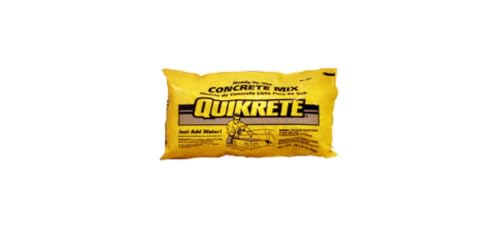
QUIKRETE 110110 Concrete Mix 10LB
Quikrete 110110 Concrete Mix 10LB is a strong choice when you need a ready to use, durable concrete mix in a compact 10 pound bag. You get Quikrete gray concrete in a small, easy to handle package that weighs just 10 pounds and measures 8 x 5 x 2 inches. Because it is ready to use, you can mix it quickly for small repairs or projects. Its durable formula helps deliver a dependable finish. If you want a simple option with clear labeling and reliable performance, this mix fits well.
- Product Type:Concrete mix
- Color:Gray
- Form:Mix
- Package Size:10 lb
- Use Area:Small projects
- Interior/Exterior:Not stated
- Additional Feature:Ready-to-use mix
- Additional Feature:High durability
- Additional Feature:10-pound bag
QUIKRETE Construction Grade Mortar Mix (10 Pounds)
Ideal for small masonry repairs and DIY builds, QUIKRETE Construction Grade Mortar Mix provides a Type N mortar blend made with masonry cement and graded sand, so you can lay brick, concrete units, or stone with confidence. You get an industrial grade powder in a 10 pound bag that meets ASTM C270 specs for reliable performance. It is a practical choice when you want straightforward mixing and solid workability. With model 1102 10 and a 4.3 star rating from 396 customers, you can trust it for common repair jobs. Six units in the pack add value.
- Product Type:Mortar mix
- Color:Stone
- Form:Powder
- Package Size:10 lb
- Use Area:Brick/stone work
- Interior/Exterior:Not stated
- Additional Feature:ASTM C270 Type N
- Additional Feature:Masonry cement and sand
- Additional Feature:Lays brick and stone
Quikrete Concrete Mix Bag 10 Lbs.
For small repair jobs and DIY pours, this 10-pound bag of gray Quikrete concrete mix is a practical choice when you only need a small amount of material. It comes as a bagged blend of cement, sand, and gravel from Quikrete, a trusted brand for basic concrete work. Use it for patches, posts, and other small projects where convenience matters. The compact single-count package keeps storage simple, and the product includes a standard return guarantee for added peace of mind. If you want a straightforward mix for quick fixes, this bag gets the job done.
- Product Type:Concrete mix
- Color:Gray
- Form:Bagged mix
- Package Size:10 lb
- Use Area:Small projects
- Interior/Exterior:Not stated
- Additional Feature:Small project mix
- Additional Feature:Cement, sand, gravel
- Additional Feature:Bagged format
Factors to Consider When Choosing Concretes
When you choose concrete, match the mix type to your project and make sure it can handle the required strength. Also consider cure time, surface compatibility, and how well it will stand up to weather. These factors help you choose a concrete that performs well and lasts.
Mix Type
The right mix type depends on the repair you are making, because patching, resurfacing, crack filling, bonding, mortar work, and general placement each call for a different formula. Match the product to the job so it performs the way you need. Dry powder mixes let you add water on site, while ready to use fillers and sealants arrive preformulated and save you a step. For narrow cracks, pick a mix rated for gaps about 1/2 in. wide by 1/2 in. deep or less. For holes, dents, and larger defects, choose a bulkier repair mix. Also consider whether you need a fast setting option or a longer cure formula, plus interior or exterior compatibility, flexibility, waterproofing, and weather resistance for your location and application.
Strength Needs
Strength needs matter because you should always match the concrete to the load it will carry, from low-duty crack repairs to high-durability mixes for heavier use. When you are fixing a driveway, slab edge, or other vehicle-bearing spot, choose a mix with stronger compressive and tensile performance, not a light patching compound meant for hairline defects. Check the maximum gap or damage size the product can fill, because a strong mix will not help if you cannot place it cleanly in one pass. You should also look for low-shrink formulas that resist cracking, because volume loss can weaken the repair. Whenever the area faces moisture, weather, or chemicals, pick a waterproof or weatherproof concrete so it keeps its strength over time and stays dependable.
Cure Time
Cure time matters because you need the concrete ready whenever you need to use the surface, whether that is a few hours for light foot traffic or 24 to 48 hours or more before it can handle full service. You should match the product to your schedule, not the other way around. Some mixes let you walk on the repair in about 4 hours, but you might still need to wait around 48 hours before driving over it. Faster setting products can get you back in service sooner, yet they demand tighter timing during placement and finishing. Do not load the repair prematurely; full cure affects strength, durability, and cracking resistance. Also, check how temperature and moisture affect curing, since some formulas use water activation or cold water mixing to manage working time.
Surface Compatibility
Surface compatibility should guide your choice, because not every concrete product works on every material or repair. Match the repair mix to the surface you are fixing, whether it is concrete, mortar, masonry, stone, brick, stucco, or even a wood subfloor. Some products are made for horizontal concrete cracks only, so do not assume they will work everywhere. Check the label for interior and exterior approval if the area will be used outside or in damp spaces. Also verify the maximum crack or void size the formula can handle. Many stop at 1/2 inch wide by 1/2 inch deep. For patching or resurfacing, choose a bondable mix for steps, driveways, patios, walls, or sidewalks, and decide whether you need a sealant, patch, or additive.
Weather Resistance
Whenever you choose a concrete repair product for outdoor use, weather resistance should be a top priority. You want a product that can handle rain, heat, cold, and constant exposure without breaking down. Water-resistant formulas help block moisture intrusion, which can reduce cracking, shrinking, and long-term deterioration. For exterior projects, choose materials labeled weatherproof or weather-resistant because they are made for repeated contact with the elements. Strong adhesion and flexibility also matter since concrete expands and contracts as temperatures change, and a rigid patch can fail quickly. Check the label for resistance to cracking, shrinking, and UV fading so you get better durability and fewer touch-ups over time. In harsh climates, that extra protection can help your repair last much longer.
Frequently Asked Questions
Which Concrete Type Best Resists Freeze-Thaw Cycles?
Air-entrained concrete best resists freeze-thaw cycles because it contains tiny air bubbles that relieve pressure as water freezes. For maximum durability, use a low water-cement ratio and proper curing.
How Long Should Concrete Cure Before Heavy Traffic?
You should wait at least 7 days before heavy traffic, though 28 days is ideal. Think of curing as concrete’s slow sunrise, it strengthens steadily, so you do not rush it and risk cracking.
What Tools Ensure the Smoothest Concrete Finish?
You’re best off using a magnesium float, steel trowel, bull float, darby, and hand edger. You will also want a screed board and finishing broom, and you should clean, level, and time each pass carefully.
Can Concrete Be Tinted Without Affecting Strength?
Yes, you can tint concrete without affecting strength, provided you use compatible pigments and do not overload the mix. You can maintain performance by following dosage limits, mixing evenly, and avoiding extra water that weakens the slab.
Which Mix Works Best for Vertical Repairs?
For vertical repairs, use a polymer-modified, non-sag repair mortar. It bonds well, shrinks less, and feathers smoothly. Choose a product rated for vertical or overhead patching.