
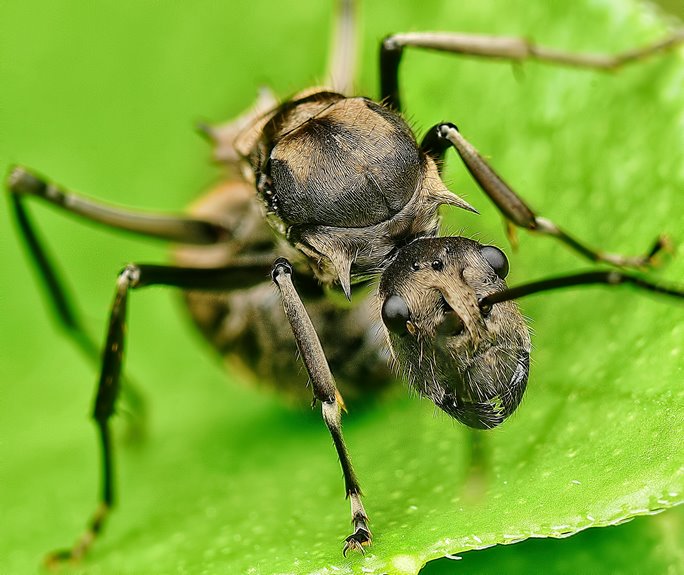
Small ants in your kitchen usually show up because they’ve found easy food, water, or both. A few crumbs, a sticky spill, open pet food, or even a damp sink can start the problem fast. Once scouts find a good spot, they leave a scent trail that brings more ants along the same path through tiny cracks, gaps, or plumbing openings. And sometimes the real source sits outside your walls, which makes the trail feel almost sneaky.
What Attracts Small Ants to Kitchens
Small ants usually show up in the kitchen because it gives them two things they need fast: food and water.
You’re not failing whenever they appear; they’re just following behavioral cues that lead them to easy rewards. Tiny crumbs, sticky spots, and damp places send a strong signal, and seasonal patterns can make that signal louder in warm months.
Whenever you leave dishes, rinse spills, or let sinks stay wet, you make their trip simpler. They also slip in through tiny gaps near doors, windows, and pipes, then follow scent trails once one scout finds a match.
Should you spot a few, stay calm. You can interrupt their path, dry surfaces, and make your kitchen feel less welcoming.
Common Foods That Attract Ants
The foods ants chase most often are the ones that leave the strongest scent and the easiest access. You’ll see them head for spilled juice, cake crumbs, sugar, honey, and fruit peels initially. They also love pet food, greasy bits, and tiny leftovers on plates or counters. Should you keep snacks open, they’ll find them fast.
Even a few crumbs under the table can feed a trail. That’s why sealed containers matter so much in your kitchen. Whenever you make homemade baits, use sweet foods ants already trust. Their seasonal preferences can shift too, so warm months could bring more interest in sugary treats. In case you notice a few scouts, you’re not alone. Your kitchen just smells inviting to them.
Hidden Water Sources Ants Find
Concealed water sources can make your kitchen feel like a magnet for ants, even in the event you haven’t left out any food.
You may miss concealed leaks under the sink, behind the dishwasher, or inside a cabinet wall, but ants won’t.
They also notice appliance condensation on refrigerators, coffee makers, and air conditioners nearby.
Because they need water as much as you do, they keep returning to damp spots that stay cool and steady.
Should you spot tiny trails near plumbing or wet corners, you’re not alone, and that’s a good clue.
You can dry surfaces, watch for drips, and check seals so your kitchen feels like yours again.
Small fixes often make a big difference, and they help you stay one step ahead.
Crumbs, Spills, and Sticky Residue
You may not see every crumb, but ants sure do, and even tiny food bits can lead them straight into your kitchen.
A sticky spill leaves a scent path behind, so more ants can follow the trail long after the mess looks gone.
If you wipe up crumbs and residue quickly, you cut off both the snack and the signal.
Crumbs Attract Ants
Crumbs and sticky spills can bring ants in faster than most people expect, because even a few tiny bits of food give them a clear reason to march into your kitchen. Whenever you wipe up after meals, you help your home feel calmer and more welcoming. A few crumb sweepers can make a big difference, especially around the table, stove, and toaster.
Ants don’t need much. They can find microscopic crumbs you’d never notice.
- Clear the floor after snack time.
- Check counters and corners with a damp cloth.
- Empty concealed food bits from under appliances.
Whenever you stay ahead of messes, you make your kitchen less inviting to foragers and more comfortable for everyone who lives there.
Sticky Residue Trails
Sticky spills can keep ants busy long after the meal is over, and that’s why a kitchen can still feel “open for business” to them even though the crumbs are gone.
You could wipe the plate, yet tiny sugar smears and juice rings can stay behind on counters, floors, and table edges. Ants follow sticky pheromones too, so one scout can lead others straight back to the same spot.
| Trace | Effect |
|---|---|
| Sticky spills | Feed scouts |
| Sugar smears | Draw repeat visits |
| Pheromone trails | Bring more ants |
When you clean, focus on cabinets, appliance bases, and sink rims. Use warm soapy water, then dry the area well.
That simple routine helps you protect your space and makes your kitchen feel cared for again.
Pantry Items That Invite Ants
A pantry shelf can turn into a welcome sign for ants faster than most people expect, especially whenever it holds the kinds of foods they can smell from far away.
You might notice they love sugar, crumbs, and sticky spots, but they also crowd around opened cereal, honey, pet food, and even seasonal produce stored nearby.
To make your shelves feel less inviting, consider these common trouble spots:
- Open snack bags
- Leaky syrup jars
- Unsealed flour or grain containers
Whenever you keep food in hermetic storage, you help your kitchen feel calmer and more protected.
Wipe jars, close boxes tightly, and move ripe fruit to the fridge provided you can.
That small care can help you feel like your space truly belongs to you again.
How Ant Trails Spread
Whenever one scout ant finds food, the problem can spread fast, because ants don’t keep that news to themselves.
You might see a thin line initially, then a steady stream, as each worker leaves pheromone marks for the next.
That scent path guides others to the same crumb, spill, or sweet spot, and the line can grow before you notice.
Whenever trail disruption happens, the route weakens, but only provided the scent fades.
Warm floors, cleaning, and time help with pheromone breakdown, yet fresh marks can return quickly.
How Ants Get Inside Kitchens
Tiny ants usually get into your kitchen through small cracks, gaps under doors, and loose window frames that you may not notice.
Once inside, they follow the scent of crumbs, sugary spills, and dirty dishes right to the food.
Should you see a few ants, there’s a good chance more are already tracing that same trail.
Entry Points And Gaps
Even though your kitchen looks clean, ants can still slip inside through the smallest openings. You may not notice the tiny cracks they use, but they do. Sealed thresholds help block the space under doors, while utility penetrations around pipes and cables can become easy shortcuts.
Whenever you check these spots, you protect your home and make it feel more secure for everyone inside.
- Look along baseboards for hairline gaps.
- Check window frames and door edges for daylight.
- Seal spaces around sinks, outlets, and vents.
These entry points matter because ants need only a narrow path to move in. So, should you patch gaps promptly, you make your kitchen less welcoming to unwanted visitors and more like the safe, shared space you want it to be.
Food Trails And Scents
Most of the time, ants don’t just wander into your kitchen via accident. You usually give them a map without meaning to. One scout finds a crumb, a drop of soda, or pet food, then lays down a scent trail for the rest. Soon, that line becomes an ant highway.
Sugar smells and greasy residues strengthen the route, while bacterial cues can help ants notice where food lingers. In case you wipe surfaces but miss the trail, they keep coming back. That’s why pheromone disruption matters. Whenever you clean with care, remove spills fast, and erase the scent path, you make your kitchen feel less like a welcome stop and more like a dead end for the colony.
How to Find Ant Entry Points
To find where ants are getting in, start following their behavior rather than guessing. Watch the line they make along baseboards, behind appliances, and near sinks, then check the last spot before they vanish. You’re not alone in this. Many kitchens hide seasonal entryways that open with weather changes, and tiny utility penetrations around pipes can act like welcome mats.
Use this quick check:
- Look for gaps under doors and window frames.
- Inspect cracks near plumbing, cabinets, and trim.
- Check damp spots, because ants often follow moisture too.
When you nail one route, trace it slowly with a flashlight. Small openings can look harmless, but ants treat them like highways. Seal the path you find, and you’ll cut off the traffic that keeps showing up.
What Kind of Ants Are in Your Kitchen?
You can learn a lot from the ants’ size, color, and movement, because those clues often point to the species in your kitchen.
Small black ants, odorous house ants, and a few other common visitors each leave different signs, so it helps to look closely before you try to get rid of them.
You might also notice that one colony keeps coming back through the same trail, which can tell you that the real problem is bigger than a few stray ants.
Common Kitchen Ant Species
Tiny visitors can feel like a huge problem once they show up in your kitchen, and the species matters more than many people realize. Whenever you know the common kitchen ants, you can feel less alone and more in control. Pavement ants often march along cracks and baseboards, hunting crumbs and sticky spills. Carpenter ants usually prefer damp wood nearby, so they might signal a bigger issue beyond the counter. Odorous house ants love sweets and water, which is why they keep returning.
- You spot trails near food.
- You notice activity beside sinks.
- You see them return after cleanup.
That pattern helps you tell whether you’re coping with a casual scout or a steady colony.
Identifying Ant Size And Color
Once you know ants are using your kitchen like a snack bar, size and color can help you narrow down what’s marching across the floor.
On the ant scale, many kitchen ants are tiny, often no bigger than a sesame seed. That small size lets them slip through gaps you might overlook.
Color also matters. You could see tan, brown, black, or even red-brown ants, and color variation can point you toward a likely type.
Some look shiny, while others look dull. Should you spot a very small yellowish ant, it could be one of the common sweet-seeking kinds. Should it’s dark and slender, you’re probably seeing a different indoor forager.
Noticing these clues helps you feel more in control, because you’re not just guessing anymore.
Signs Of Different Colonies
When ants keep showing up in your kitchen, the pattern they leave behind can tell you a lot about which colony you’re handling. You can use colony differentiation to spot whether one nest is sending scouts or several nests are competing for the same crumbs.
Watch for these clues:
- A single, steady trail near sweets often points to one organized group.
- Two or more trails from different gaps can mean nest mapping is indicating separate colonies nearby.
- Fast changes in direction, size, or activity could signal shifting nest sites.
When you notice these signs, you’re not just seeing random bugs. You’re seeing a tiny neighborhood with its own traffic. That can help you feel less frustrated and more ready to act with the right plan.
Why Ants Appear in Clean Kitchens
Even a spotless kitchen can draw ants in, because cleanliness doesn’t always mean there’s nothing for them to find. You may keep clean habits, yet a few crumbs, a drop of syrup, or pet food can still send scouts your way.
Ants also notice microclimate factors, like warmth, humidity, and a damp spot under the sink, which can feel inviting to them. Even tiny gaps alongside windows, pipes, or baseboards can open a quiet path inside.
Then one ant leaves a scent trail, and others follow. So should you feel frustrated, you’re not alone. Your kitchen isn’t failing you; it just has a few signals ants know how to read.
When Ant Problems Get Worse
You might notice the problem is getting worse once you start seeing ants more often and in more places, not just near one crumb or sink.
Those busy trails usually mean scouts found a food source, and now more ants are following the scent path back inside.
Should you keep seeing them return, the kitchen likely has something they can reach, like sweets, crumbs, pet food, or leftover moisture.
Signs of Growing Infestations
Once a few ants in your kitchen start turning into a steady stream, the problem is usually growing fast. You might also notice nest expansion nearby and brood presence, which means the colony isn’t just visiting, it’s building. That can feel frustrating, but you’re not alone in it.
- You spot ants in the same corners after cleanup.
- You find tiny piles of dirt, eggs, or pale young.
- You keep seeing them near sinks, crumbs, or pet food.
These signs tell you the colony has settled in and feels safe. So, whenever you keep finding fresh workers after wiping surfaces, the ants are likely getting support from a bigger concealed group.
Fortunately, once you notice these clues, you can act promptly and protect your kitchen again.
Trails Becoming More Frequent
Whenever the same ant trails keep showing up again and again, the problem has likely moved past a simple cleanup issue. You’re seeing a path that workers trust, and that trust grows whenever pheromone persistence keeps the route active.
As more ants follow it, the line gets busier, and seasonal peaks can make the movement feel nonstop. That doesn’t mean you’ve done anything wrong. It means the colony has learned your kitchen’s rhythm, and it’s sending more scouts to test it.
You might notice trails along edges, corners, or the same doorway each day. If that happens, take it as a clear sign that the colony feels settled nearby. You’re not coping with random visitors anymore. You’re seeing organized traffic, and it deserves quick attention.
Food Sources Drawing Ants
Food sources can turn a few curious ants into a full kitchen problem fast, because they don’t wander in via chance and then leave empty-handed. Whenever you spill juice, leave crumbs, or set out pet food, you hand them a clear path to your space. Sweet items matter most, but sugar alternatives can still draw them in. Seasonal availability also changes what they find, so a ripe fruit bowl or holiday baking can invite more scouts.
Watch these hot spots:
- Dirty dishes in the sink
- Open pantry snacks and pet bowls
- Sticky counters near the stove
Once one ant finds food, it shares the route, and more follow. That’s why small messes can feel like the whole neighborhood moved in overnight.
Outdoor Nests Near Your Home
Should you keep seeing small ants in your kitchen, the problem could start just outside your home. You might have garden nests close nearby, and soil proximity gives ants a short route indoors. Whenever rain, heat, or shade shifts, they can wander toward your walls and slip inside for food.
| Outdoor spot | Why it matters | What you notice |
|---|---|---|
| Mulch beds | Cozy nesting cover | Ant trails near edges |
| Cracked soil | Easy shelter | Ants near foundations |
| Flower pots | Damp hiding place | Crawling around patios |
Assuming your yard feels like shared ground, you’re not alone. Tiny ants often follow the easiest path, so even a neat home can invite them provided nests sit nearby. Observing the space around your house, you can spot where their route begins and feel more in control.
Signs of a Bigger Infestation
Should you keep spotting ants after cleaning, the problem might be bigger than a few stray invaders. You’re likely seeing a colony that’s settling in, not just passing through. Watch for these signals:
- Ants return in the same lines following every meal.
- You notice activity near walls, sinks, or baseboards.
- The swarm grows fast, which can point to nest expansion or queen relocation.
That pattern means the ants could have a concealed home close at hand, and they’re sending scouts back and forth. In case you see them in more than one room, they’re not just looking for crumbs. They’re sharing a trail and building momentum. You’re not alone in this, and it doesn’t mean you’ve done anything wrong. It just means the colony’s getting comfortable, and it’s time to pay close attention.
How to Keep Small Ants Out
Keeping small ants out starts with cutting off what draws them in and blocking the paths they use to get inside. You can wipe spills fast, seal food in tight containers, and rinse dishes before night.
Then dry sinks, fix leaks, and empty trash often so you don’t leave easy water or snacks behind. Next, inspect baseboards, window frames, and pipe gaps, because tiny openings invite a full parade.
Seal them with caulk, and try entry proofing upgrades like door sweeps and better window screens. During seasonal prevention, watch kitchens more closely in spring and summer, whenever ants scout harder.
Should you keep counters clean and stay steady, you’ll make your kitchen feel like your space again, not theirs.
Frequently Asked Questions
Why Do Ants Suddenly Appear Overnight?
Ants can seem to show up overnight because many forage in the dark and leave scent trails that lead others to food, water, or a newly moved nest nearby.
Do Ants Prefer Certain Kitchen Surfaces?
Yes, ants are drawn to counters and sinks that have food residue, grease, or spills. Regular cleaning helps reduce visits by removing crumbs and scent trails that ants use to find food.
Can Weather Changes Trigger Kitchen Ants?
Yes, changing weather can bring ants into kitchens. When conditions shift, ants often move indoors for food, water, and stable temperatures. A nest disturbed by rain, heat, or drought may also send them toward your kitchen, where they can find warmth and shelter.
Are Tiny Ants in Kitchens Always Harmful?
No, tiny ants do not always signal a problem; sometimes they are simply harmless visitors. Watch where they go, remove food scraps, and seal cracks to help keep your kitchen protected.
Why Do Ants Keep Returning After Cleaning?
You’re still seeing ants because wiping surfaces only removes what you can see, while hidden scent trails can still lead them to crumbs and damp spots. If you seal cracks and keep areas dry, you can stop that trail and reduce repeat visits.