

If you want cleaner cuts and less strain on your saw, choose a sharpener that matches how you work. Some tools are made for quick field touch-ups, while others deliver precise, shop-level results with less guesswork. The seven options below cover both ends of that range, so you can compare portability, control, and speed before choosing the one that best suits your chain.
| Oregon Universal Chainsaw Sharpening Kit (617067) | 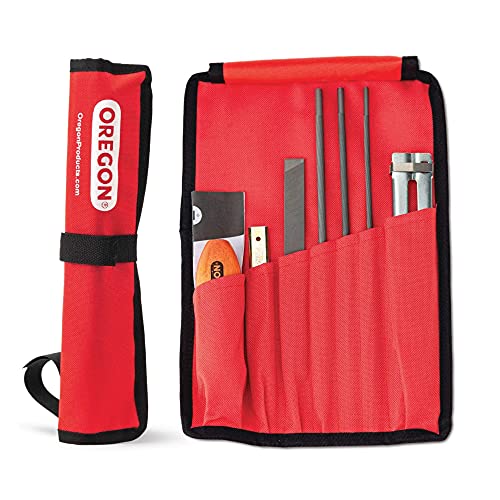 | Best Field Kit | Power Source: Manual | Sharpening Method: File-based | Portability: Field kit | VIEW LATEST PRICE | Read Our Analysis |
| Chumia Titanium Diamond Chainsaw Sharpener Bit Kit |  | Best Bit Set | Power Source: Electric-compatible | Sharpening Method: Diamond bit | Portability: Portable set | VIEW LATEST PRICE | Read Our Analysis |
| Chainsaw Sharpener Jig Kit with Grinding Stones and Brush |  | Best Manual Jig | Power Source: Manual | Sharpening Method: Jig/grind | Portability: Portable | VIEW LATEST PRICE | Read Our Analysis |
| Portable Chainsaw Sharpener Jig Kit with Diamond Stones |  | Best Starter Kit | Power Source: Manual | Sharpening Method: Jig/grind | Portability: Portable | VIEW LATEST PRICE | Read Our Analysis |
| Oregon Bench Grinder Universal Saw Chain Sharpener (520-120) |  | Professional Grade | Power Source: Corded electric | Sharpening Method: Bench grinding | Portability: Bench-mounted | VIEW LATEST PRICE | Read Our Analysis |
| Oregon Mini Bench Grinder Chain Sharpener (310-120) |  | Best Compact Grinder | Power Source: Corded electric | Sharpening Method: Bench grinding | Portability: Mini bench-mounted | VIEW LATEST PRICE | Read Our Analysis |
| Sharp Pebble Electric Cordless Chainsaw Sharpener Kit |  | Best Cordless Option | Power Source: Cordless electric | Sharpening Method: Powered wheel | Portability: Cordless portable | VIEW LATEST PRICE | Read Our Analysis |
More Details on Our Top Picks
Oregon Universal Chainsaw Sharpening Kit (617067)
The Oregon Universal Chainsaw Sharpening Kit (617067) is a practical choice if you want a portable, manual sharpening solution for use from job to job. It includes three round files, a flat file, a file guide, a universal handle, and a travel pouch, so you can sharpen different chains and tools on site. The guide helps you set the depth gauge and maintain consistent angles. You also get a filing chart and instructions, which make it easier to choose the right file and technique. The canvas pouch keeps everything organized and ready.
- Power Source:Manual
- Sharpening Method:File-based
- Portability:Field kit
- Compatibility:Universal chainsaws
- Included Tools:Files + guide
- Material:Steel files
- Additional Feature:Depth gauge file guide
- Additional Feature:Filing chart included
- Additional Feature:Rolled canvas pouch
Chumia Titanium Diamond Chainsaw Sharpener Bit Kit
If you want a compact, durable bit set that lets you sharpen a chain fast without removing it, the Chumia Titanium Diamond Chainsaw Sharpener Bit Kit is a smart choice. It includes 30 titanium-plated diamond and emery bits in 5/32 in, 3/16 in, and 7/32 in sizes, so you can match different electric and oil chain saw wheels. The hard, rust-resistant coating holds up well, and the lightweight bits resist bending. You can also use them for grinding, polishing, engraving, and sharpening jade, wood, steel, ceramics, glass, and carbide.
- Power Source:Electric-compatible
- Sharpening Method:Diamond bit
- Portability:Portable set
- Compatibility:Chain saw wheels
- Included Tools:30 bits
- Material:Titanium-plated diamond
- Additional Feature:30-piece bit set
- Additional Feature:Diamond-coated emery grain
- Additional Feature:Two-step installation
Chainsaw Sharpener Jig Kit with Grinding Stones and Brush
Built for hands-on gardeners and outdoor users, the OMCCHK chainsaw sharpener jig kit offers a fast, portable way to restore dull chains with accuracy. It features two fixed sharpening holes, a 30 degree rake angle, clamp attachment, and pawl positioning to help keep each tooth aligned. The manual hand crank makes sharpening straightforward, and you can revive a dull chain in 3 to 5 seconds. It fits most chain saws from 4 to 22, uses durable rust-resistant alloy, and includes three grinding stones, a wrench, and a cleaning brush for easy maintenance and longer chain life.
- Power Source:Manual
- Sharpening Method:Jig/grind
- Portability:Portable
- Compatibility:4–22 in saws
- Included Tools:Stones + brush
- Material:Rust-resistant alloy
- Additional Feature:30° rake angle
- Additional Feature:3–5 second sharpening
- Additional Feature:Lifetime after-sales service
Portable Chainsaw Sharpener Jig Kit with Diamond Stones
With its adjustable fit for 4 to 22 inch chainsaws, this portable jig kit is a strong choice when you need one sharpener for gas or electric saws around the home, farm, or garden. It includes two fixed sharpening holes, a standard 30 degree front angle, and a secure lock that helps you keep every pass accurate. The industrial grade diamond stone leaves clean, burr free edges, while 10 high hardness tungsten steel bits reduce the need for replacements. Its manual crank setup is easy to learn, and the kit includes gloves, a wrench, a brush, instructions, and support.
- Power Source:Manual
- Sharpening Method:Jig/grind
- Portability:Portable
- Compatibility:4–22 in saws
- Included Tools:10 bits + gloves
- Material:Tungsten steel
- Additional Feature:10 tungsten steel bits
- Additional Feature:Six-language instructions
- Additional Feature:Protective gloves included
Oregon Bench Grinder Universal Saw Chain Sharpener (520-120)
The Oregon Professional 120-Volt Bench Grinder Universal Saw Chain Sharpener (520-120) is a strong choice for anyone who sharpens chains often and needs workshop-level precision. You can mount it on a bench or wall, then use its manual clamping vice and multiple adjustments to achieve accurate grinds on Oregon, Stihl, Husqvarna, and other chains. It handles up to .404″ pitch chain, includes two wheels, a dressing brick, and a depth gauge disc, and its built-in light helps you see clearly. The one-way motor adds safety, while the grinding wheels help prevent cutter burning.
- Power Source:Corded electric
- Sharpening Method:Bench grinding
- Portability:Bench-mounted
- Compatibility:All chain types
- Included Tools:Grinder + wheels
- Material:Aluminum
- Additional Feature:Built-in work light
- Additional Feature:One-way motor rotation
- Additional Feature:Wall-mount capable
Oregon Mini Bench Grinder Chain Sharpener (310-120)
Oregon’s Mini Bench Grinder Chain Sharpener (310-120) is a compact, 120V, bench-mounted option that is a smart fit when you sharpen chains only occasionally or handle smaller chain volumes. You get a universal grinder that handles chains up to .404″ pitch, including Oregon, Stihl, Husqvarna, and more. Its one-way motor and manual clamping vice help you work safely and precisely. The package includes two grinding wheels, a dressing brick, and a profile guide, so you can match common chain sizes and keep cutters sharp without burning them.
- Power Source:Corded electric
- Sharpening Method:Bench grinding
- Portability:Mini bench-mounted
- Compatibility:All chain types
- Included Tools:Grinder + wheels
- Material:Alloy steel
- Additional Feature:Occasional-use design
- Additional Feature:Compact bench grinder
- Additional Feature:One-way motor rotation
Sharp Pebble Electric Cordless Chainsaw Sharpener Kit
Sharp Pebble’s Electric Cordless Chainsaw Sharpener Kit is a strong choice if you want a portable, easy-to-use sharpening tool for both beginners and professionals. Its cordless design, ergonomic grip, and right- or left-handed setup let you sharpen almost anywhere. The angle guide helps you keep each tooth consistent, while the adjustable speed and stable motor deliver a clean, accurate finish quickly. It includes four file-size wheels, an angle attachment, a wrench, and an eBook. By restoring uniform sharpness, you can cut with less force, reduce engine strain, and extend the life of your chainsaw.
- Power Source:Cordless electric
- Sharpening Method:Powered wheel
- Portability:Cordless portable
- Compatibility:Novice/pro users
- Included Tools:4 wheels + wrench
- Material:Metal components
- Additional Feature:Cordless operation
- Additional Feature:Angle attachment included
- Additional Feature:Adjustable speed settings
Factors to Consider When Choosing Chainsaw Sharpeners
When you choose a chainsaw sharpener, start with the sharpening method and make sure it matches how you like to work. Check the compatibility range, portability needs, and durability materials so the tool fits your saw and your routine. You will also want accurate angle settings, since that helps you keep each chain sharp and cuts clean.
Sharpening Method
The sharpening method you choose should match how often you service your chain and what matters most to you: portability, angle precision, or speed. If you sharpen by hand, manual filing gives you control with round and flat files, guide sleeves, and angle guides that help keep each tooth and depth gauge consistent. If you want repeatable angles, jig style sharpeners lock each cutter in place with fixed holes, clamps, and hand cranks, often around 30 degrees. For fast, frequent sharpening, electric bench grinders use grinding wheels and clamping vises to restore edges quickly. If you need mobility, cordless electric sharpeners pair powered rotation with angle attachments and adjustable speed settings, so you can sharpen efficiently without staying tied to a bench.
Compatibility Range
Once you have settled on a sharpening method, make sure the sharpener actually fits your chain. Check the pitch and file size first, because a mismatch wastes time and can damage cutters. Common options include 5/32 in, 3/16 in, 7/32 in, 3.2 mm, 4.7 mm, and 6.0 mm depth-gauge wheels. Also confirm the chain length range. Some tools handle 4 to 22 in saws, while others suit only certain chain types or lighter jobs. If you own different saws, choose a universal sharpener only after verifying that it is rated for your exact gas, electric, or bench-mounted category. For the most flexibility, choose kits that support multiple chain pitches up to .404 in and list compatibility with several chain standards, not just one fixed size.
Portability Needs
If you sharpen away from a workshop, pick a lightweight manual or cordless sharpener that is easy to carry and store in a compact pouch or small case. When you move from job to job, choose a model with a small footprint and low weight because it is easier to haul than a bulky bench unit. You will also save time with a portable sharpener when you need quick touch ups in the field and do not want to remove the chain. Look for built in storage for files, guides, and other accessories so you can keep everything organized on the go. If you work outdoors or at remote sites, make sure the sharpener runs without a corded power source.
Durability Materials
Whenever you expect frequent sharpening, choose a chainsaw sharpener made from hard, wear-resistant materials such as tungsten steel, alloy steel, or a rust-resistant alloy so it is less likely to bend, deform, or break under repeated use. You will get better long-term value when the sharpening surface uses a diamond or emery coating, since those finishes resist abrasion and stay effective longer. If you use a file-based model, look for sturdy guides and handles that hold steady and wear slowly, so you can keep the tool in good condition. For outdoor work, choose a compact sharpener with solid construction and secure parts. Heavier-duty materials matter most when you sharpen often, because they help the tool last longer and stay dependable job after job.
Angle Accuracy
Angle accuracy is one of the most important factors when choosing a chainsaw sharpener because keeping each tooth at the same sharpening angle helps the chain cut evenly and wear more slowly. Look for fixed angle guides or angle attachments, especially common 30 degree settings, because they help you repeat the same result tooth after tooth. A file guide or guide sleeve can improve precision by holding the file or stone in the correct position, and it may also help with depth gauge setting. Stable clamping, pawl positioning, or a secure locking mechanism can reduce movement while you sharpen. When you choose a tool that sets every tooth to the same angle and depth, you get a cleaner edge and more uniform cutting performance.
Ease Of Use
Ease of use matters because a sharpener that is simple to set up and control saves you time and frustration. You will get better results when the tool provides clear angle guidance or fixed sharpening holes, since that helps you keep each tooth aligned. If you prefer fast touch-ups, choose a manual model with a file guide, clamp, pawl, or guide sleeve to steady the chain. Portable or cordless designs also help because you can sharpen anywhere without a bench setup. Look for kits that include a wrench, cleaning brush, and instructions, since fewer setup steps shorten the learning curve. Automatic positioning, consistent tooth spacing, and in-place sharpening can make the job quicker and less tiring, especially when you need to keep working.
Power Source
Once you have narrowed down an easy to use sharpener, the next factor to consider is the power source. If you sharpen only occasionally or need to work away from outlets, a manual sharpener can be a smart choice. It requires no electricity, so you get a light, portable tool that is easy to carry into the field. If you sharpen often or handle large batches, corded electric models provide steady grinding and higher output. Cordless sharpeners let you move freely without a cord while still delivering powered sharpening. For shop use, bench mounted sharpeners usually run on 120 volt corded power and stay in place for repeat jobs. Match the power source to your sharpening frequency, mobility needs, and desired speed.
Frequently Asked Questions
How Often Should I Sharpen a Chainsaw Chain?
You should sharpen your chainsaw chain whenever it cuts slowly, makes fine dust, or pulls off line. This is usually after 2 to 5 tanks of gas. Don’t wait, touch up the chain before it dulls badly.
Can I Sharpen a Chain Without Removing It?
Yes, you can sharpen it on the saw. However, you need to verify each tooth’s angle carefully. In-place sharpening can save time, but it may miss uneven wear and reduce accuracy.
Which File Size Matches My Chain Pitch?
You match file size to your chain pitch: 3/16″ for 1/4″ pitch, 5/32″ for .325″ pitch, 7/32″ for 3/8″ pitch, and 7/32″ or 3/16″ for .404″ pitch. Check your chain stamp.
Do Electric Sharpeners Work on All Chain Types?
Not all, of course. You’ll find electric sharpeners work on many standard chains, but you must match pitch, gauge, and cutter shape. Specialty or damaged chains often need manual filing.
How Do I Know When a Chain Needs Replacement?
You will know it is time once you have sharpened it repeatedly, but it still cuts poorly. Other signs include damaged teeth, a chain that stretches often, or visible cracks, bent links, or missing cutters.