
I’ve found that choosing the right chainsaw bar in 2026 comes down to fit, cutting speed, and safety more than brand hype. In this guide, I’ll walk you through seven strong options, from compact Stihl setups to longer Oregon combos for heavier work. If you want a bar that matches your saw and cuts cleanly without surprises, the details ahead will help you narrow it down.



More Details on Our Top Picks
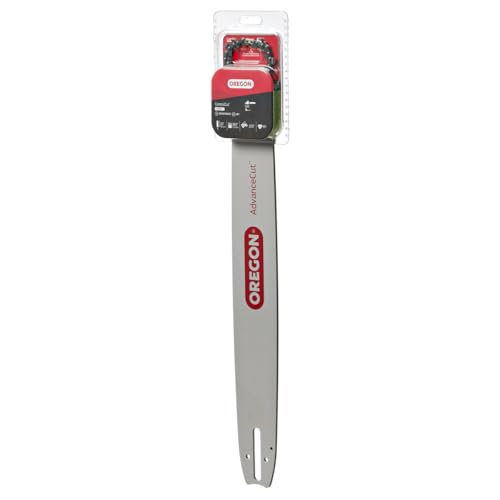
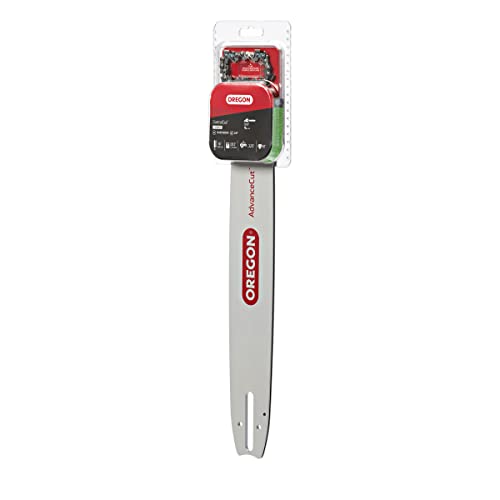
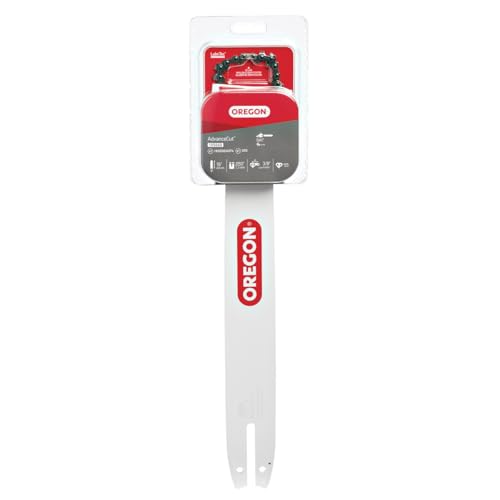
Oregon 20″ Chainsaw Guide Bar & Chain Combo
Should you need heavy duty cutting support, this Oregon 20 inch bar and chain combo fits the job well. You get an AdvanceCut replacement set with a 20 inch bar, K095 motor mount, and D72 chain, so you can upgrade or replace worn parts quickly. It fits saws up to 60 cc and works with 72 drive link, 3/8 inch pitch, 0.050 inch gauge setups. You also benefit from low kickback, LubriTec automatic oiling, and reduced friction. The ID link helps you match the chain easily, and the design extends service life on compatible Poulan, Husqvarna, Jonsered, and Makita saws.
- Bar Length:20 in
- Pitch:3/8 in
- Gauge:.050 in
- Drive Links:72
- Motor Mount:K095
- Low Kickback:Yes
- Additional Feature:LubriTec oiling system
- Additional Feature:Automatic chain lubrication
- Additional Feature:ID link replacement marker
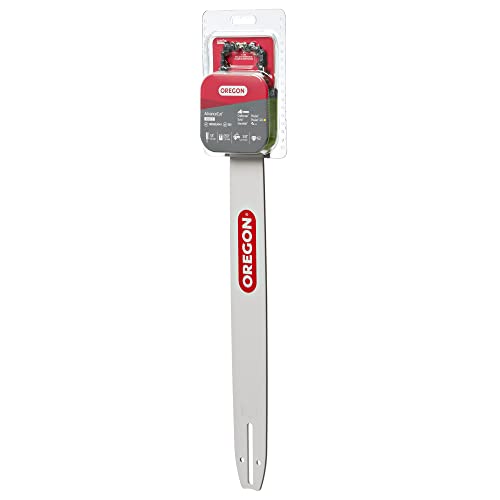
Oregon 18-Inch Chainsaw Bar and Chain Combo
Oregon’s 18 inch bar and M72 SpeedCut chain combo is ideal when you want faster cuts from a small or mid sized saw. It features a .325 narrow kerf, .050 gauge setup with 72 drive links and a K095 mount, so it fits many 38 to 55 cc saws. It also works with Husqvarna models such as the 435, 440, 545, 345, 350, 51, 55 Rancher, and 550XP. LubriTec helps oil the bar and chain automatically, reducing friction and extending service life. You will notice low kickback, low vibration, and smoother handling, and it meets ANSI B175.1 2012 recoil standards.
- Bar Length:18 in
- Pitch:.325 narrow kerf
- Gauge:.050 in
- Drive Links:72
- Motor Mount:K095
- Low Kickback:Yes
- Additional Feature:SpeedCut cutting design
- Additional Feature:Low vibration operation
- Additional Feature:ANSI recoil compliant
Oregon 20-Inch Chainsaw Bar and Chain Combo
For Stihl saws needing a 20-inch .325, .063 setup, this Oregon combo fits cleanly. You get a 20-inch bar and L81 AdvanceCut chain with 81 drive links, designed for D025 mount saws like the 024, 026, 028, 029, 034, 036, MS 260, MS 270, MS 271, MS 280, and MS 290. It uses LubriTec for steady oiling, low vibration, and low kickback performance. The Micro Chisel cutters help you cut efficiently while meeting ANSI recoil standards. At 3.4 pounds, it is a solid pick for demanding yardwork and landscaping work.
- Bar Length:20 in
- Pitch:.325 in
- Gauge:.063 in
- Drive Links:81
- Motor Mount:D025
- Low Kickback:Yes
- Additional Feature:Micro Chisel cutters
- Additional Feature:Small-radius working corners
- Additional Feature:ANSI recoil compliant
Oregon 16 in. Chainsaw Bar & L67 Chain Fits Various Stihl Models (105669)
This 16-inch Oregon bar-and-chain combo fits many Stihl saws. It includes a 16-inch guide bar with a .325 pitch, .063 gauge, and 67 drive links, plus a Micro Chisel chain for clean cutting. It fits D025 motor mounts and many models, including the 024, 026, 028, 029, 034, 036, MS 260, MS 270, MS 271, MS 280, and MS 290. Oregon’s Lubri-Tec system helps keep oil moving to key parts, reducing wear and downtime. It also meets ANSI and CSA low-kickback standards. Verify your owner’s manual before buying.
- Bar Length:16 in
- Pitch:.325 in
- Gauge:.063 in
- Drive Links:67
- Motor Mount:D025
- Low Kickback:Yes
- Additional Feature:CSA kickback compliant
- Additional Feature:Micro Chisel chain
- Additional Feature:Reversible guide bar
Oregon 16-Inch Chainsaw Bar and Chain Combo
A compact 16-inch setup suits smaller saws, especially when you need steady cutting with less strain. You get Oregon’s 105668 combo, with a 16-inch guide bar and S55 AdvanceCut chain that uses 55 drive links, a 3/8-inch pitch, and .050-inch gauge. It fits many Stihl saws up to 42 cc, including MS 170 through MS 211 and several older 009 to 023 models. LubriTec oiling helps reduce friction and extend service life, while low kickback and low vibration support safer, easier yardwork. At 1.8 pounds, it stays manageable.
- Bar Length:16 in
- Pitch:3/8 in
- Gauge:.050 in
- Drive Links:55
- Motor Mount:A074
- Low Kickback:Yes
- Additional Feature:Automatic chain lubrication
- Additional Feature:Low vibration operation
- Additional Feature:Easy maintenance
Oregon Chainsaw Guide Bar & Chain Combo (39272)
Oregon’s 39272 combo brings versatility to compact saws with an 18-inch bar and 62-link chain. It features a 3/8 in. low-profile pitch, a 0.050 in. gauge, and an A041 mount that fits many Echo, Craftsman, McCulloch, Homelite, Poulan, Makita, and Ryobi models. It suits saws up to 42cc, so you can upgrade with confidence. The AdvanceCut design provides durable, forgiving cutting, while the reversible bar and ID link simplify maintenance. Oregon’s LubriTec system oils the bar and chain automatically, reducing friction and extending life. Low kickback performance meets ANSI safety requirements.
- Bar Length:18 in
- Pitch:3/8 in low profile
- Gauge:.050 in
- Drive Links:62
- Motor Mount:A041
- Low Kickback:Yes
- Additional Feature:Reversible guide bar
- Additional Feature:Forgiving performance
- Additional Feature:Heavy-duty construction
Oregon 16-Inch Chainsaw Bar and Chain Combo (27857)
Built for compact powerheads, the Oregon 16-inch bar and chain combo fits small saws up to 42 cc. It includes a premium replacement bar, an AdvanceCut S56 chain, and a low-vibration setup that helps you work more comfortably. The 3/8-inch low-profile pitch, .050-inch gauge, 56 drive links, and A041 mount make it a direct match for many models, including ECHO CS310, Craftsman S160, and Poulan PL3816. LubriTec keeps oil flowing to the chain and bar, reducing friction and helping extend service life for landscaping, yard work, and light cutting.
- Bar Length:16 in
- Pitch:3/8 in low-profile
- Gauge:.050 in
- Drive Links:56
- Motor Mount:A041
- Low Kickback:Yes
- Additional Feature:Premium bar-and-chain combo
- Additional Feature:S56 chain
- Additional Feature:Low-vibration design
Factors to Consider When Choosing Chainsaw Bars
When I choose a chainsaw bar, I start with bar length, chain pitch, and gauge size so I know it will fit the job and the saw. I also check the drive link count because it has to match the chain exactly. Finally, I confirm the motor mount type so I can mount the bar securely and get reliable performance.
Bar Length
I’d start by matching the bar length to the saw’s intended setup exactly, because the right size affects both performance and safety. I usually consider common sizes like 16, 18, or 20 inches, then check what the saw can handle. A longer bar lets you tackle larger diameter wood, but it also adds weight and asks more from the engine. That’s why I match bar length to the saw’s power class, whether it’s built for up to 42 cc, 55 cc, or 60 to 62 cc. I also make sure the bar fits the right chain length and drive link count. Whenever I choose carefully, I get better balance, safer handling, and enough cutting capacity for yardwork or heavier jobs.
Chain Pitch
Chain pitch is one of the first things I check because it must match the guide bar and sprocket exactly for the saw to run properly. I measure pitch as the distance between three consecutive rivets divided by two, and I treat it as a hard compatibility requirement, not a preference. Common options such as 3/8 in., .325 in., and 3/8 in. low profile each change how the saw cuts and feels. I often choose smaller pitch chains for lighter setups because they tend to run smoother, with less kickback and vibration. When I am matching a stronger saw, I might choose standard 3/8 in. pitch for more aggressive cutting. If the pitch is wrong, I expect poor performance, extra wear, or no fit at all.
Gauge Size
Gauge size is the next fit check I make after pitch because the chain’s drive links have to match the bar groove exactly. I always verify the bar groove and chain specs together, since even a small mismatch can hurt performance. Common gauges include 0.050 in, .063 in, and low-profile systems that pair with .050 in chains. When I choose a narrower gauge, I get a lighter chain setup that feels easier to run. When I choose a thicker gauge, I get a sturdier fit in the groove. When I use the wrong gauge, I risk extra friction, faster wear, and unsafe chain movement on the bar, so I never guess here.
Drive Link Count
Drive link count is the next fit check I make, because the chain has to match the bar setup exactly or it will not fit or run correctly. I always verify the count against the bar and chain combo, whether it is 55, 56, 62, 67, 72, or 81 links. Longer bars usually need more drive links, so a 16 inch setup might use 55, 56, or 67, while 18 inch and 20 inch bars often call for 62, 72, or 81, depending on pitch and gauge. I also confirm the chain’s pitch and gauge match the bar specs. When I replace a chain, I check the original count first to avoid binding or unsafe operation. Some chains even include an ID link for quick confirmation.
Motor Mount Type
Mount fit is one of the first things I check, because the saw’s bar attachment pattern must match exactly or the bar will not install correctly. I verify the motor mount type against the owner’s manual, not just the bar’s length, pitch, gauge, or drive links. Common patterns such as K095, D025, A041, and A074 each have their own fit, and an incorrect one will not seat properly. I also note that mount types often align with certain saw classes, from smaller models around 42 cc to larger ones near 60 cc or 62 cc. Even when two bars share the same specs, I treat the mount as a separate decision. Getting it right provides secure installation, proper alignment, and dependable bar and chain operation.
Saw Compatibility
When I check saw compatibility, I match the bar length, chain pitch, gauge, and drive link count to the exact setup my saw requires because even a small mismatch can cause fit or performance problems. I also confirm the bar mount pattern since my saw might need a specific interface like K095, D025, or A041. Then I check my engine size range because many bar and chain packages only suit saws up to certain limits, such as 42 cc, 55 cc, or 60 cc. I make sure the chain format matches my saw, whether it uses 3/8 in. low profile, .325 in. pitch, or 0.050 in. gauge. Before I buy, I verify the model list or owner’s manual so I know the combination will fit my saw exactly.
Kickback Safety
For kickback safety, I look for a bar and chain setup that meets recognized recoil performance standards such as ANSI B175.1-2012, since low-kickback designs help reduce the chance and severity of sudden upward or backward chain motion when the tip contacts wood. I also prefer chains with smaller-radius cutter geometry because they give me better control and feel less aggressive during cutting. Low-vibration chain designs matter too, since they can make the saw easier to guide safely through a cut. I always match pitch, gauge, and drive links correctly to the bar and saw, because that keeps the chain tracking stably and helps prevent unsafe behavior. Once those details line up, I get a bar setup that feels more predictable, manageable, and safer in real use.
Lubrication System
Oil delivery matters a lot to me when I choose a chainsaw bar because I want a setup that automatically feeds oil to the chain and guide bar to reduce friction and wear. I look for bars with dedicated oiling paths that help protect the chain, rails, and drive links from heat and metal to metal contact. When oil reaches those key parts consistently, I spend less time on manual checks and deal with less downtime. I also notice smoother cutting, since steady lubrication lowers resistance between the bar and chain. That matters even more on longer bars and high use saws, where extra chain travel creates more friction and heat. For me, a reliable lubrication system helps a bar last longer and perform better.
Frequently Asked Questions
How Do I Know if My Chainsaw Sprocket Matches the Bar Pitch?
I check the sprocket teeth like matching keys to a gate. When the bar pitch matches, the chain seats smoothly. You can read both markings, then compare them, or measure the distance between three rivets.
Can I Switch to a Longer Bar Without Harming My Chainsaw?
Yes, you can switch to a longer bar if your saw has enough power and the correct chain, sprocket, and oiling setup. Check the manual first, because an oversized bar can overload the saw and cause damage.
What Bar Material Lasts Longest in Heavy-Duty Cutting?
I’d choose a hardened steel alloy bar for the longest life in heavy duty cutting. It resists wear, heat, and abuse better than lighter options. You still need proper lubrication, correct tension, and regular cleaning.
How Often Should I Flip or Replace a Chainsaw Bar?
I’d flip your chainsaw bar every fuel fill or two, and replace it when you see uneven wear, a bent rail, or a chain that no longer adjusts properly.
Do Low-Kickback Chains Affect Cutting Speed Significantly?
Yes, low-kickback chains can slow cutting a bit, like a cautious runner taking shorter strides to avoid slipping. In my experience, the safety tradeoff is usually worth it, especially for occasional users and less aggressive cutting tasks.