
If I had to choose one tool that can make or break a clean woodworking hole, it would be a brad point bit. I am looking at seven of the best options for 2026, from budget-friendly sets to premium choices that cut cleaner and stay true longer. Some are built for speed, some for precision, and a few handle tight spaces better than you might expect. The differences matter more than you may think.
| Steelex D1034 Deluxe Brad Point Bit Set 25-Piece |  | Best Full Set | Set Size: 25-piece | Shank Type: Straight shank | Material: HSS tool steel | VIEW LATEST PRICE | Read Our Analysis |
| 7/32″ Brad Point Drill Bit Set (10 Pcs) | 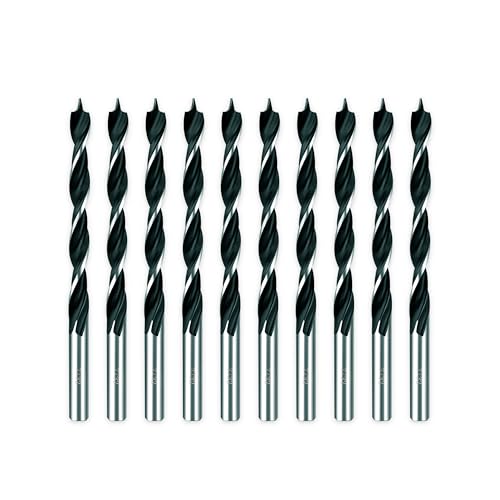 | Single-Size Pick | Set Size: 10-piece | Shank Type: Straight shank | Material: High-carbon steel | VIEW LATEST PRICE | Read Our Analysis |
| DEWALT DW1710 3/8-Inch Brad Point Bit | 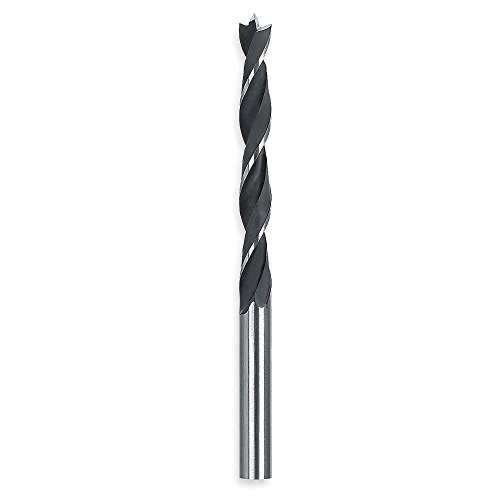 | Best Single Bit | Set Size: 1-piece | Shank Type: Straight shank | Material: Blend steel | VIEW LATEST PRICE | Read Our Analysis |
| COMOWARE Brad Point Stubby Drill Bit Set for Wood |  | Best Compact Set | Set Size: 6-piece | Shank Type: Hex shank | Material: HSS 4241 steel | VIEW LATEST PRICE | Read Our Analysis |
| NordWolf Brad Point Wood Drill Bit Set |  | Best Overall Set | Set Size: 12-piece | Shank Type: Hex shank | Material: High-carbon steel | VIEW LATEST PRICE | Read Our Analysis |
| NordWolf 14-Piece Metric Brad Point Wood Drill Bit Set | 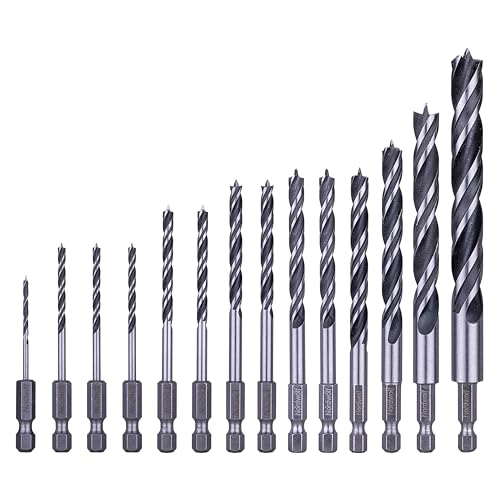 | Best Metric Set | Set Size: 12-piece | Shank Type: Hex shank | Material: High-carbon steel | VIEW LATEST PRICE | Read Our Analysis |
| Fisch Premium Brad Point Drill Bit Set (7-Piece) |  | Premium Pick | Set Size: 7-piece | Shank Type: Straight shank | Material: Chrome vanadium steel | VIEW LATEST PRICE | Read Our Analysis |
More Details on Our Top Picks
Steelex D1034 Deluxe Brad Point Bit Set 25-Piece
Steelex’s 25-piece D1034 set provides a complete brad point solution for clean, flat-bottom holes. It includes sizes from 1/8 inch to 1/2 inch in 1/64-inch steps, so you can match your layout closely. The HSS tool steel bits feature a straight shank and two-flute brad point design, and the set comes with a steel index for storage. Bits up to 23/64 inch fit a 1/4-inch shank, while larger ones use 3/8 inch. The uncoated finish and alloy steel compatibility add practical versatility.
- Set Size:25-piece
- Shank Type:Straight shank
- Material:HSS tool steel
- Flutes:2 flutes
- Finish:Uncoated
- Wood Use:Wood drilling
- Additional Feature:1/64-inch increments
- Additional Feature:Steel index included
- Additional Feature:Larger bits 3/8 shank
7/32″ Brad Point Drill Bit Set (10 Pcs)
If you need a single size pick, this 10 piece 7/32″ Brad Point Drill Bit Set is a smart choice for precise wood drilling. It includes ten DelitonGude bits made from quenched high carbon steel, so they stay hard and last longer. The brad point tip helps you start cleanly, while double cutting edges and extra wide flutes speed drilling and clear chips quickly. You can use them on hardwood, plywood, plastic, and common woods such as pine, maple, oak, and cedar. The straight shank and black oxide finish support smooth, clean holes for furniture and cabinetry work.
- Set Size:10-piece
- Shank Type:Straight shank
- Material:High-carbon steel
- Flutes:2 flutes
- Finish:Black oxide
- Wood Use:Hardwood/plywood
- Additional Feature:Single-size 7/32 bits
- Additional Feature:Black oxide finish
- Additional Feature:Extra-wide flutes
DEWALT DW1710 3/8-Inch Brad Point Bit
DEWALT’s DW1710 3/8-inch brad point bit gives you precise starts for clean, accurate drilling. It features a brad point tip and sharp cutting edges that help reduce walking and splintering when drilling into alloy steel. The 60-degree cutting angle, two spiral flutes, and engineered flute design move chips out cleanly, so your holes stay neat. The straight shank fits standard setups, and the 5 1/4-inch length provides solid reach. At just 0.11 pounds, it is easy to control.
- Set Size:1-piece
- Shank Type:Straight shank
- Material:Blend steel
- Flutes:2 flutes
- Finish:Brushed
- Wood Use:Wood drilling
- Additional Feature:60-degree cutting angle
- Additional Feature:Reduced splintering
- Additional Feature:Reduced walking
COMOWARE Brad Point Stubby Drill Bit Set for Wood
COMOWARE’s stubby brad point set delivers a compact drilling solution for tight woodworking spaces. It features HSS 4241 steel bits with high hardness, so they cut quickly through tough wood and hold up under pressure. The sharp brad point helps you start cleanly, center accurately, and reduce skid. With a 1/4 inch hex shank, these bits fit standard and quick-change chuck drivers. Their 1.82 inch length reaches awkward spots, and they work well with right-angle drills. The 6 piece set includes sizes from 3/32″ to 3/8″, plus a hex shank holder.
- Set Size:6-piece
- Shank Type:Hex shank
- Material:HSS 4241 steel
- Flutes:2 flutes
- Finish:Unspecified
- Wood Use:Wood drilling
- Additional Feature:Stubby short length
- Additional Feature:Hex shank holder
- Additional Feature:Fits right-angle drills
NordWolf Brad Point Wood Drill Bit Set
NordWolf’s 12 piece set stands out as the best all around set for clean, accurate wood drilling. You get sizes from 1/8 to 1/2 inch, including duplicates of the most used bits, so you can move quickly without hunting for replacements. The precision milled brad point tip self centers, while the double cutting edges and extra wide flutes help you drill fast and clear chips cleanly. Its high carbon steel build, 1/4 inch hex shank, and laser marked sizes make it easy to use, store, and trust in wood, plywood, MDF, and more.
- Set Size:12-piece
- Shank Type:Hex shank
- Material:High-carbon steel
- Flutes:2 flutes
- Finish:Uncoated
- Wood Use:Woodworking
- Additional Feature:Laser-marked sizes
- Additional Feature:Storage rail included
- Additional Feature:1/4 hex shank
NordWolf 14-Piece Metric Brad Point Wood Drill Bit Set
Need a clean metric set for precise woodworking? The NordWolf 14-Piece Metric Brad Point Wood Drill Bit Set delivers self-centering precision with a milled brad point tip, so you can start holes exactly where you want them. Its double cutting edges and extra-wide flutes help you drill quickly while clearing chips for smooth, clean results. You get high carbon steel bits with a 1/4 inch hex shank that fits standard, quick-change, and impact driver chucks. Use them on wood, plywood, MDF, plastic, and more. A plastic case keeps your 2 mm to 12 mm bits organized.
- Set Size:12-piece
- Shank Type:Hex shank
- Material:High-carbon steel
- Flutes:2 flutes
- Finish:Uncoated
- Wood Use:Woodworking
- Additional Feature:Metric size set
- Additional Feature:Plastic storage case
- Additional Feature:12mm max diameter
Fisch Premium Brad Point Drill Bit Set (7-Piece)
For precise woodworking, Fisch’s seven-piece set is the premium pick for clean, accurate holes. It includes 1/8, 3/16, 1/4, 5/16, 3/8, 7/16, and 1/2-inch bits made from chrome vanadium steel in Austria. The center-ground point helps prevent walking, while the brad point tip, optimized spurs, and beveled edge cut fast and reduce tear-out. You also get better chip extraction and flat-bottom holes. Use it on hardwood, plywood, MDF, veneers, acrylic glass, and more. It fits 3/8-inch and larger chucks, and the larger bits use reduced shanks.
- Set Size:7-piece
- Shank Type:Straight shank
- Material:Chrome vanadium steel
- Flutes:3 flutes
- Finish:Chrome vanadium coating
- Wood Use:Wood/wood composites
- Additional Feature:Made in Austria
- Additional Feature:3-flute design
- Additional Feature:1-year warranty
Factors to Consider When Choosing Brad Point Drill Bits
When I choose brad point drill bits, I first check the bit size range to make sure it matches the holes I need to drill. I also look at shank compatibility, steel material quality, tip precision, and flute design, because each one affects fit, cutting accuracy, and performance. If you weigh these factors carefully, you will pick bits that work more cleanly and last longer.
Bit Size Range
I always start by matching the bit size range to the holes I actually need, since a good brad point set should cover the diameters I use most often, such as common wood bit sizes from about 1/8 inch to 1/2 inch. I check the smallest and largest bits first because some sets lean heavily on one popular size while others provide a wider spread for varied jobs. When I drill lots of different diameters, I prefer a set with tight steps, such as 1/64 inch increments, so I can dial in a better fit. For metric work, I look for ranges such as 2 mm to 12 mm. I also like duplicate common sizes, like 1/8, 3/16, and 1/4 inch, since they go fast.
Shank Compatibility
Shank compatibility matters because the bit has to fit your chuck or driver cleanly, whether you are using a straight shank, a 1/4-inch hex shank, or a reduced shank on larger diameters. I always match the shank type to the tool I am using because the wrong fit wastes time and can slip. If I am working with an impact driver or quick-change system, I pick 1/4-inch hex shanks for direct compatibility. For regular drills, I check the chuck size first because some larger bits need a reduced shank to fit 3/8-inch chucks. I also verify the shank diameter before buying a set, especially when I am choosing mixed sizes. In those sets, I confirm whether every bit shares one shank style or only the larger bits change.
Steel Material Quality
Steel material quality matters because tougher brad point bits hold their sharp tips and cutting edges longer, even after repeated use in wood, plywood, or plastic. I look for high-speed steel, high carbon steel, chrome vanadium steel, or quenched high carbon steel whenever I want better durability and cleaner cuts. Tool steel and HSS bits usually give me reliable, long-lasting performance, especially in frequent drilling jobs. I also check the finish. Uncoated, black oxide, chrome vanadium coating, or brushed surfaces can help resist corrosion and reduce wear, but they cannot make up for weak steel. For regular use, I prefer stronger steels with 2 flute or 3 flute designs because they keep edges intact while still clearing chips fast and leaving smoother holes every time.
Tip Precision
Tip precision matters just as much as steel quality, because a sharp, well-centered brad point helps me start the hole exactly where I want it and keeps the bit from wandering on the workpiece surface. I look for a center point that anchors the bit before the cutting edges bite, since that gives me better positioning accuracy and more consistent holes. I also prefer small, accurately ground side spurs, because they define the edge at the outset and help me get a cleaner entry with less tear-out. This matters most when I am drilling flat-bottom holes or repeating dowel and joinery work, where a slight off-center start can ruin the fit. In dense wood, a precise tip keeps the bit aligned during those critical initial moments of cutting.
Flute Design
Flute design affects how quickly a brad point drill bit clears chips and how cleanly it cuts. I choose 2 flutes when I want a simple, dependable setup, and I choose 3 flutes when I need faster chip removal and steadier drilling. Spiral flutes pull chips out more efficiently, which helps keep cuts smoother and reduces clogging. Straight flutes are easier to pair with straight shanks, and I rely on them for clean, flat bottom holes in wood. When I drill deeper holes or softer, fibrous stock, I prefer extra wide flutes because they move debris faster. I match the flute shape to the job, quicker clearing for speed, tighter control for cleaner holes and less tear out.
Finish Type
Finish type matters because it can affect corrosion resistance, wear, and how long a brad point drill bit lasts. I look at uncoated bits when I want a simple option for general wood drilling and coating is not my main concern. If I want a bit that resists surface wear better, I choose a finish like black oxide, which also gives the steel a lower friction feel. Brushed finishes can be a practical surface treatment, but I treat them as secondary to the cutting geometry. Chrome vanadium coatings may offer added protection too. I also check the base material, since high speed steel, high carbon steel, and chrome vanadium steel each affect durability in different ways.
Hole Cleanliness
When I care about hole cleanliness, I start with the bit’s centered tip because it helps me place the cut precisely and keeps the bit from wandering before the spurs engage. I also look for sharp spurs and double cutting edges, since they slice wood fibers instead of tearing them and leave less splintering around the rim. Wider flutes or a spiral flute design matter too because they move chips out fast and help prevent packing that roughs up the walls. A common 2 flute layout gives me a good balance of control and chip clearance. Whenever I need a neat, accurate look, I value precise cutting edges and flat bottom capability because they keep the hole cleaner and more consistent in wood.
Storage Organization
For storage organization, I like brad point bit sets that come with a dedicated case, rail, or steel index because they keep each diameter separated and easy to grab quickly. I also look for clear size markings or laser-etched labels, especially on larger sets, since they help me spot the right bit without checking every slot. If I’m buying a mixed-size kit, I prefer a compact organizer that sorts small increments and duplicate sizes instead of letting them rattle around in a pouch or drawer. When I use bits with different shank sizes, I want slots that fit standard and larger shanks too. Good storage keeps tips from bumping into each other, and that protects cutting edges and preserves clean drilling results.
Frequently Asked Questions
How Do I Sharpen Brad Point Drill Bits at Home?
I sharpen brad point drill bits at home using a fine file or bench grinder, then I touch up the center spur first, regrind the cutting lips evenly, and test the point carefully.
Can Brad Point Bits Drill Metal or Masonry Safely?
No, I would not trust brad point bits on metal or masonry. They are designed for wood, not tougher materials. I once ruined one on steel, and manufacturers do not rate them for metal or masonry.
What Speed Should I Use With Brad Point Drill Bits?
I use brad point bits at low to medium speed, about 500 to 1,500 rpm, depending on bit size and wood hardness. Start slower, then increase only if the cut stays clean.
How Long Do Brad Point Drill Bits Typically Last?
I find that brad point drill bits typically last for dozens to hundreds of holes, depending on the wood, heat, and care involved. If you feed them gently and sharpen them when needed, they will stay useful much longer.
Are Brad Point Bits Better Than Forstner Bits for Hinges?
I’d choose Forstner bits for hinges because they cut flat-bottomed recesses more cleanly and accurately. I use brad point bits for pilot holes and cleaner starts, but they are not as well suited to hinge mortises.