Address
304 North Cardinal
St. Dorchester Center, MA 02124
Work Hours
Monday to Friday: 7AM - 7PM
Weekend: 10AM - 5PM
Address
304 North Cardinal
St. Dorchester Center, MA 02124
Work Hours
Monday to Friday: 7AM - 7PM
Weekend: 10AM - 5PM

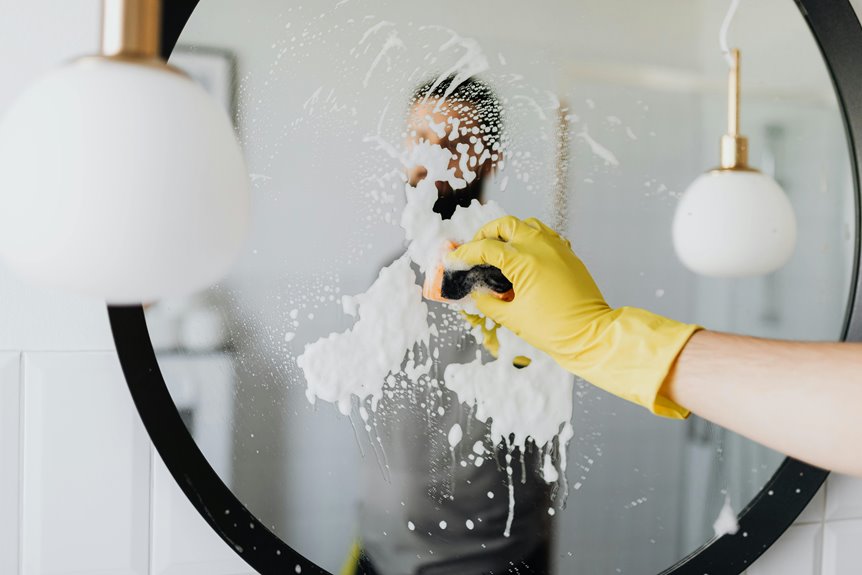
You can give your bathroom a gentle clean without making a big production out of it, because dish soap often handles everyday grime better than you’d expect. Whenever you mix a few drops with warm water, it can lift soap scum, body oil, and smudges from sinks, tubs, tiles, and fixtures with less effort. Still, it has limits, and understanding where it works best can save you time, streaks, and a few cleaning surprises.
Yes, you can use dish soap to clean bathroom surfaces, and it often does a surprisingly good job on the messes that build up fast.
You don’t need fancy products to feel on top of the cleanup, and that can be a relief on busy days.
Dish soap helps cut oils, grime, and soap scum, so you can handle common buildup with less effort.
Should you like eco friendly alternatives, this simple option fits well with a lighter routine.
You can even choose scent variations that make the task feel more pleasant.
Just dilute it with water, test a small spot initially, and rinse well after use.
That way, you keep surfaces fresh without making your space feel harsh or overwhelming.
You can use dish soap to make quick work of sink grime, tub scum, and dull tile spots without harsh scrubbing. Start with a simple soapy mix for sinks, then move to a stronger wipe-down for tubs and a light spray for tiles.
With the right method for each surface, you’ll get a cleaner bathroom and a lot less elbow grease.
Start with the sink, then let dish soap do the heavy lifting. You’ll feel at ease once you see grime lift fast.
Mix a few drops with warm water, dip a microfiber cloth, and wipe the basin, edges, and drain. Rinse the cloth often so you don’t spread residue.
Next, use a soft sponge around the faucet and handles for gentle faucet polishing. Dry the area with a clean towel to stop streaks.
Should spots stay behind, repeat the wipe with a little more soap. Keep your microfiber maintenance simple through washing cloths after use and storing them dry.
Then your sink stays fresh, bright, and ready for the next person in your home.
Once the sink looks fresh, the tub is ready for the same simple treatment, but with a little more muscle.
Start via wetting the surface, then spread a small pool of dish soap over the grime. Should the soap scum feel stubborn, let it rest for an overnight soak so the suds can loosen the mess for you.
Next, grab ergonomic scrubbers and work in gentle circles along the sides, corners, and drain edge. You don’t need to push hard; the soap does most of the heavy lifting.
Add warm water as you go to keep everything slick and easy. As the buildup lifts, rinse the tub well and wipe away any leftover film.
For deep spots, repeat once more, and you’ll feel right at home with the shine.
Often, the easiest way to clean tiles is to treat them like the rest of the bathroom and let dish soap do the heavy lifting.
You can mix a few drops with warm water, then wipe the tile with a soft cloth so the shine comes back without drama.
For grout maintenance, keep your touch gentle and don’t soak the lines too long.
When you clean this way, you’re joining a simple routine that keeps your bathroom feeling cared for and calm.
Dish soap does its best work on the messy bathroom stains that come from oils, grease, hair buildup, soap scum, and everyday grime. You’ll often see it lift the rings around tubs, the cloudy film on shower walls, and the sticky spots near drains.
Should you want a gentle reset, mix it with water and wipe the area with a soft cloth or brush. For tougher buildup, add vinegar for a stronger clean, especially on soap scum.
These simple moves fit well with eco friendly alternatives, and they can support stain prevention routines too. Whenever you clean a little after each shower, you make the next round easier. That keeps your bathroom looking cared for, and honestly, that feels pretty good.
Dish soap can help with a lot of bathroom messes, but it won’t do everything for you. It doesn’t disinfect like a true sanitizer, so germs can still stick around after you wipe.
And should you’re facing hard water buildup or dirty grout, you’ll usually need a stronger cleaner or a different tool.
While it’s great at lifting grime, soap, and greasy buildup, it doesn’t work as a true disinfectant in your bathroom.
You can still use it to clean, but its antibacterial limitations mean it won’t reliably kill the germs that linger on sinks, handles, or toilet areas.
Its viral ineffectiveness matters too, especially whenever you want your space to feel safe for everyone at home.
Hard water can be a stubborn bathroom guest, and soap often gets blamed while the real problem is mineral buildup.
You can wipe away light film with dish soap, but it won’t fully dissolve mineral deposits that cling to faucets, glass, and shower walls. That’s why you could still see dull spots and rough rings after cleaning.
Dish soap lifts grease and everyday grime, yet scale buildup needs something stronger, like vinegar or a specialty cleaner, to loosen it well. Should you rely on soap alone, you may spend more time scrubbing than you planned.
Still, you’re not failing the task. You’re just facing water stains that need a different approach.
Once you match the cleaner to the mess, your bathroom feels fresher and easier to keep in shape.
Grime in grout can feel like it has a personal grudge, but dish soap isn’t the best tool for that job. You might love how it lifts bathroom grease, yet grout needs more than a quick sudsy swipe.
It can hold dirt deep in its pores, and dish soap could leave residue that makes staining look worse.
As you use dish soap on bathroom fixtures, a gentle touch matters just as much as the cleaning power. You can protect fixtures by mixing a few drops with warm water, then wiping with a soft cloth or sponge. Initially, test a concealed spot, since you want to avoid abrasive pads that can cause finish damage on chrome, porcelain, or painted metal.
Next, work in small sections so the soap doesn’t sit too long. After that, rinse with clean water and dry the surface with a microfiber cloth. This keeps shine bright and helps you avoid streaks.
Should grime linger around handles or faucets, reapply lightly instead of scrubbing hard. That way, you protect fixtures and keep your bathroom looking cared for.
Sometimes dish soap just isn’t enough, and that’s at which point a stronger cleaner makes sense. You can stick with your usual mix for light grime, but whenever the mess clings on, upgrade with care. Your bathroom deserves a reset too.
You’re not failing unless dish soap can’t do it. Some jobs need more power, and that’s normal. Just protect your skin, ventilate the room, and test one spot first. With the right cleaner, you can get back to a space that feels fresh, shared, and truly yours.
Yes, dish soap can damage bathroom grout over time if used frequently or if residue is left behind. It can cause grout discoloration and wear down the mortar, so rinse thoroughly and dry the surface after cleaning.
Clean your bathroom with dish soap once a week to keep buildup under control, then wipe away splashes after particularly messy showers. This routine helps prevent grime from spreading and keeps the room feeling fresh.
Yes, dish soap can help clean toilet bowls for routine maintenance and stain removal. It breaks up grime, helps reduce odors, and leaves the surface cleaner, but you will still need a toilet cleaner for heavy buildup.
No. Mixing dish soap with bleach can release dangerous fumes. Use each product separately, keep the area well ventilated, and follow the label directions to stay safe.
Yes. If you use too much, it can leave a slippery film and reduce floor traction. You can prevent that by diluting it, rinsing thoroughly, and drying the floor well so it stays safe underfoot.