Address
304 North Cardinal
St. Dorchester Center, MA 02124
Work Hours
Monday to Friday: 7AM - 7PM
Weekend: 10AM - 5PM
Address
304 North Cardinal
St. Dorchester Center, MA 02124
Work Hours
Monday to Friday: 7AM - 7PM
Weekend: 10AM - 5PM

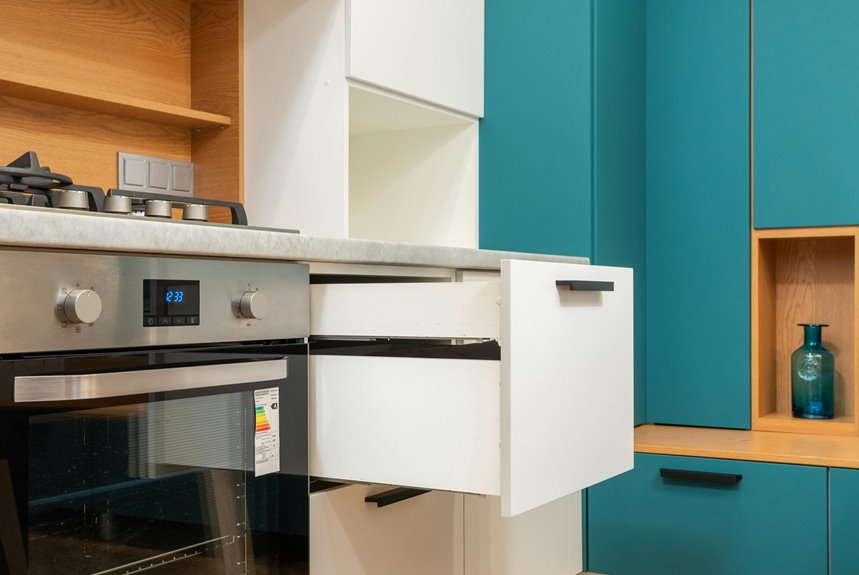
Choosing the right MDF thickness for kitchen cabinets can feel tricky, but you don’t need to guess. In most kitchens, 18mm moisture-resistant MDF gives you the best mix of strength, stability, and screw grip for hinges and slides. From there, thinner panels can work in the right spots, while thicker boards make sense where weight and span start to push back. The real difference shows up once you look at sides, shelves, doors, and the small details that keep cabinets solid over time.
At the moment you’re choosing MDF for kitchen cabinets, 18mm is usually the safest and most practical thickness because it gives you the strength, screw-holding power, and long-term stability most cabinets need.
You’ll feel more confident whenever hinges, drawer slides, and shelf supports bite into a board that won’t crumble too easily.
In case your kitchen gets steamy, choose moisture-resistant MDF and don’t skip moisture sealing, especially near sinks and dishwashers.
Then protect every cut edge with edge banding so the board stays neat and durable.
You can use 16mm for lighter parts, but 18mm keeps the whole cabinet feeling solid and steady.
While you build with this thickness, you’re not just making cabinets. You’re making a kitchen that feels dependable and welcoming every day.
For most kitchen cabinet sides, 18mm moisture-resistant MDF is the best choice because it gives you the strength to handle daily use without making the cabinet feel overly heavy.
You’ll get solid screw holding for hinges and slides, so your cabinets stay steady and feel like part of the room, not a shaky afterthought.
Should you want a cleaner finish, edge banding protects the raw edge and helps the panel look built-in and polished. It also supports cabinet alignment, which matters when doors need to close evenly and frames need to sit square.
In humid kitchens, this thickness resists swelling better than thinner boards, so you can trust it around sinks and ovens. Once you pick it, you’re building a safer, neater space.
Whenever you build kitchen shelves and backs, the right MDF thickness can save you from sagging boards and loose fittings down the road. For most shelves, choose 18mm for solid load bearing and a neat feel in your space. Should your run be short, 12mm can work for lighter storage. | Thickness | Best use |
| — | — |
|---|---|
| 12mm | Shelf backs and light panels |
| 18mm | Adjustable shelves and daily use |
| 22mm+ | Long spans with less sag |
You’ll want moisture protection near sinks, so seal every edge and corner. Add edging reinforcement on shelf fronts to keep them strong and tidy. For backs, pick 12mm or 18mm, depending on the fixing points and the weight they support. That way, your cabinets feel sturdy, and you get the fit that belongs in a busy kitchen.
Cabinet doors need the right MDF thickness provided you want them to stay flat, open smoothly, and keep looking neat after everyday use.
For most kitchen doors, 19mm MDF gives you the best mix of strength and style. It feels solid, holds hinges well, and supports clean profiles without looking bulky. Should you choose thinner board, you might save weight, but you can lose shape over time.
After that, focus on moisture-resistant MDF, because kitchen humidity can be rough. Good paint stability also matters, since a smoother board helps you get a crisp finish.
Then check your edge banding choices, because sealed edges protect the door and make it feel finished. With the right thickness, your cabinets fit the room with ease.
You should choose thicker MDF whenever your cabinet spans are long, because extra board depth helps keep shelves from sagging under weight.
It also makes sense for heavy-duty door panels, where added thickness gives you better strength and a sturdier feel every time you open them. In these spots, the extra material can save you from annoying flex, wobble, and premature wear.
As a cabinet run begins to stretch wider than usual, thicker MDF can make a real difference. Whenever your span grows, you need support brackets and smart load distribution so the board doesn’t sag and your shelves still feel solid under everyday use. You’re not overbuilding; you’re giving your kitchen a fair shot at staying neat and steady.
That extra thickness works best whenever you want shared strength across the run, not just one strong spot. So, in case you’re building a space that feels like it truly belongs to your home, thicker MDF can help it stay that way.
Strong door panels earn their keep whenever a kitchen gets daily use, and thicker MDF can be the safer choice whenever you want doors that feel solid and stay flatter over time.
You’ll notice the extra confidence when hands pull, swing, and close them all day.
For heavy-duty doors, 19mm MDF gives you better screw grip for hinge reinforcement, so hardware stays secure.
It also resists small bumps better than thin panels, which helps your cabinets keep a neat face.
Still, you should seal every edge well because moisture and thermal expansion can twist an unprotected door.
Should you live in a busy home, this thicker build can help you feel like your kitchen is holding together with you, not against you.
For stronger kitchen cabinets, you’ll want to choose panel thickness that matches the job, not just the biggest board on the shelf.
An 18mm MDF carcass gives you solid screw-holding power, while 16mm moisture-resistant MDF can work whenever space or weight matters.
Provided you add proper reinforcement like edging strips, strong backs, and sealed edges, you’ll make your cabinets feel sturdier and last longer.
Choose 18mm MDF for most kitchen cabinet panels provided you want a cabinet that feels solid and stays reliable.
You’ll fit in with the crowd of smart kitchen builders, because this size gives you a good mix of strength and ease.
For damp rooms, pick moisture resistant coatings and careful edge banding techniques so the board holds up better.
If you keep panel thickness steady across the carcass, your cabinets line up neatly and feel less fussy.
That simple choice helps you build with confidence, and your kitchen looks like it belongs together.
Even though 18mm MDF gives your cabinets a solid base, reinforcement is what keeps that strength from fading over time.
You can help your cabinets stay steady through adding edge reinforcement on exposed ends and high-use corners. That extra support keeps screws from loosening and stops chips from spreading.
Use confirmat screws or strong cabinet fixings, and keep fastener spacing even so pressure spreads across the panel.
In wet kitchen zones, seal every cut edge, especially under the sink, because moisture can weaken MDF fast.
Should you be building shelves, add back braces or cleats to reduce sag.
Whenever you pair smart reinforcement with the right thickness, you get cabinets that feel sturdy, last longer, and fit right into your kitchen space.
Yes, it can. Thin MDF is more likely to let hinges loosen, which can throw doors out of alignment over time. Using 16 to 18 mm moisture resistant board, secure fixings, and sealed edges helps cabinet doors stay steady and aligned.
Yes, moisture resistant MDF is a smart choice under the sink because it helps reduce the chance of swelling. Add a moisture barrier, anti mold coating, and sealed edges to keep the cabinet durable, dry, and in good condition for years.
Yes, seal MDF edges before kitchen installation. Exposed edges absorb moisture, then swell and weaken the finish. Sealing them helps the cabinets last longer and keeps the surface looking clean in your kitchen.
You’ll want to use confirm screws, ideally coated screws, because MDF is prone to splitting. They work well in 18 mm moisture resistant carcasses and give you stronger hold, neater assembly, and fewer regrets.
Yes, thin MDF can be strengthened for heavier kitchen storage by adding reinforcement strips, plywood backing, solid bracing, and a proper seal. These additions improve screw grip and limit sagging, but 18 mm moisture resistant MDF is still the more dependable option.