

Choosing the right wood drill bit set can feel like picking the right key for a stubborn lock. Whether you are working on shelves, cabinets, or quick weekend repairs, the best set can save time and produce cleaner edges than you might expect.
From Forstner bits to speed bits and coated twist sets, the options matter more than many people realize, and a few details can determine which kit deserves a place in your toolbox.
| IRWIN Marples Forstner Bit Set (14 Pieces) |  | Best Forstner Set | Bit type: Forstner bits | Piece count: 14-piece | Shank type: Reduced shank | VIEW LATEST PRICE | Read Our Analysis |
| IRWIN Marples Forstner Bit Set (8 Piece) |  | Compact Forstner Set | Bit type: Forstner bits | Piece count: 8-piece | Shank type: Reduced shank | VIEW LATEST PRICE | Read Our Analysis |
| Irwin SPEEDBOR Drill Bit Set for Wood (1877239) |  | Fastest Drilling | Bit type: Wood drill bits | Piece count: 6-piece | Shank type: Hex shank | VIEW LATEST PRICE | Read Our Analysis |
| EZARC Countersink Drill Bit Set with Storage Box |  | Best Countersink Kit | Bit type: Countersink bits | Piece count: 12-piece | Shank type: Hex shank | VIEW LATEST PRICE | Read Our Analysis |
| DEWALT Titanium Nitride Drill Bit Set (29-Piece) | 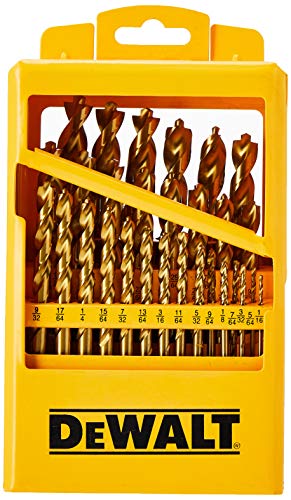 | Best Drill Bit Set | Bit type: Twist drill bits | Piece count: 29-piece | Shank type: Straight shank | VIEW LATEST PRICE | Read Our Analysis |
More Details on Our Top Picks
IRWIN Marples Forstner Bit Set (14 Pieces)
If you need a reliable Forstner set for clean, flat-bottom holes, the IRWIN Marples fits the bill. You get 14 carbon-steel bits, including 1-1/2-inch, 1-5/8-inch, and 2-inch sizes, plus additional bits to complete the set. The ultra-sharp cutting teeth help you drill smooth pocket holes and precise flat-bottom bores in hard or soft wood. You will cut faster than with traditional Forstner bits, which saves time on fine woodworking and cabinet-making jobs. The reduced shank works with 3/8-inch and larger drills and drill presses, so you can tackle accurate shop work with confidence.
- Bit type:Forstner bits
- Piece count:14-piece
- Shank type:Reduced shank
- Material:Carbon steel
- Wood use:Hard/soft wood
- Drill compatibility:Drills and drill presses
- Additional Feature:Ultra-sharp cutting teeth
- Additional Feature:Flat-bottom pocket holes
- Additional Feature:Reduced cutting time
IRWIN Marples Forstner Bit Set (8 Piece)
IRWIN’s compact Forstner set is a practical choice when you need clean, flat-bottomed holes fast. It includes eight bits: 1/4″, 3/8″, 1/2″, 5/8″, 3/4″, 7/8″, 1″, and 1-3/8″, giving you the sizes needed for common woodworking tasks without extra searching. The ultra-sharp cutting teeth cut efficiently through hard and soft woods, reducing time compared with traditional Forstner bits. The reduced shank works with 3/8″ and larger drills or drill presses. If you want smooth pocket holes and crisp bottoms, this set is a solid addition to your kit.
- Bit type:Forstner bits
- Piece count:8-piece
- Shank type:Reduced shank
- Material:Carbon steel
- Wood use:Hard/soft wood
- Drill compatibility:Drills and drill presses
- Additional Feature:Ultra-sharp cutting teeth
- Additional Feature:Flat-bottom pocket holes
- Additional Feature:Comprehensive 8-bit range
Irwin SPEEDBOR Drill Bit Set for Wood (1877239)
For the fastest drilling, IRWIN SPEEDBOR Max Speed bits help you cut cleaner holes in wood quickly. This 6-piece set includes 4-inch bits in sizes 1/2″ through 1-1/8″, giving you the capacity to handle common hole cuts up to 2″ deep. The screw-point tip self-feeds, while three cutting spurs reduce breakout and keep edges neat. A tapered tri-flute clears chips quickly and helps prevent binding. The grooved 1/4″ hex shank locks into quick-change chucks, including impact drills, and helps reduce slipping.
- Bit type:Wood drill bits
- Piece count:6-piece
- Shank type:Hex shank
- Material:Blend
- Wood use:Wood drilling
- Drill compatibility:Quick-change chucks
- Additional Feature:Speed Tip self-feed
- Additional Feature:Three cutting spurs
- Additional Feature:Faster chip ejection
EZARC Countersink Drill Bit Set with Storage Box
EZARC’s two flute countersink kit is suited for cleaner cuts with less chatter. The set includes 12 pieces, five countersink bits, five pilot bits, a magnetic extension holder, an Allen wrench, and a storage case. The dual edge design cuts faster than single blade bits and leaves smoother finishes. Titanium coated high speed steel improves durability, while the stepped chamfer reduces resistance. It works with impact, hand, bench, or electric drills, and the 82 degree angle helps you create clean pilot holes, counterbores, and countersinks with adjustable depth.
- Bit type:Countersink bits
- Piece count:12-piece
- Shank type:Hex shank
- Material:Titanium-coated HSS
- Wood use:Soft/hardwood
- Drill compatibility:Hand/power drills
- Additional Feature:Two-flute cutting design
- Additional Feature:82-degree countersink angle
- Additional Feature:Magnetic extension holder
DEWALT Titanium Nitride Drill Bit Set (29-Piece)
DEWALT’s 29-piece set gives you a reliable drill-bit lineup for cleaner wood holes. You get pilot-point bits that start on contact and help stop walking, so you can place holes more accurately. The titanium nitride coating extends bit life, while the 135° cutting angle and tapered web add durability and reduce breakage. Use the straight, no-spin shank for steadier control in wood, plastic, and non-ferrous metals. The set spans 1/16 to 1/2 inch and comes in a tough case, so you can stay organized and ready for residential or commercial work.
- Bit type:Twist drill bits
- Piece count:29-piece
- Shank type:Straight shank
- Material:Titanium nitride-coated steel
- Wood use:Wood-compatible
- Drill compatibility:Standard drills
- Additional Feature:Titanium nitride coating
- Additional Feature:Pilot point starts
- Additional Feature:Tapered web design
Factors to Consider When Choosing Wood Drill Bit Sets
Whenever you choose wood drill bit sets, start with the bit type, since different designs work better for clean holes, fast drilling, or rough cuts. You should also match the set to your wood type, hole depth needs, and shank compatibility, so the bits fit your drill and task. Cutting speed matters too, because the right set can help you work faster without burning the wood.
Bit Type Selection
Choosing the right bit type is the key to getting the hole you want without wasting time or ruining the workpiece. If you need clean, flat-bottomed holes or overlapping cuts, use Forstner bits; their rim and center spur give you precise edges and little tear-out. For accurate, splinter-free starts, choose brad-point bits, since the center point locks in your location and the spurs score the circle. When you need to bore deep into thick lumber, use auger or ship auger bits because their screw tips pull themselves in and their flutes clear chips fast. For quick, large holes, pick spade bits, but expect rougher edges. If you want smoother cutting and less binding, try multi-flute or spiral bits.
Wood Compatibility
Wood matters as much as the bit. When drilling hardwoods like oak, maple, or walnut, choose bits with sharper cutting edges and thicker webs so you can resist chipping and overheating. Feed the bit slowly to avoid burning. For softwoods such as pine, cedar, and fir, use aggressive spur or screw tip designs that bite fast and clear chips well. Plywood and laminated boards need shearing spurs or backing support, and you may score the face to reduce tear out. When drilling cross grain or end grain, pick bits with centering points and ease off the feed. For thick stock, use spiral or multi flute bits and peck occasionally to keep chips moving and temperatures down.
Hole Depth Needs
Hole depth matters just as much as wood type, because the right bit has to reach the target without binding or bottoming out. Start by measuring the deepest hole you plan to drill, whether that is 1/2 inch, 1 inch, 2 inches, or more, then choose bits with enough overall length and flute length to match. For through holes, standard length bits usually work best, while deep blind or pocket holes call for long shank or extended flute bits so chips can escape. If you need shallow, flat bottom holes for dowels or hardware, choose bits designed to cut flat bottoms instead of tapering. When drilling deep hardwood, favor bits with longer cutting edges and multiple or tapered flutes to reduce heat, binding, and clogging.
Shank Compatibility
Matching the bit shank to your drill’s chuck or quick-change system is essential, because a poor fit can cause slipping, wobble, or unsafe operation. Check whether your tool accepts a 1/4″ hex shank, a straight shank, or another common style before you buy. Hex shanks grip well in cordless and impact drivers, while round shanks work best in keyed or keyless chucks that can clamp them securely. If you need larger bits in a smaller chuck, look for reduced or stepped shanks, and confirm that the reduced diameter fits your drill’s minimum capacity. For drill presses or tougher tasks, larger 3/8″ or 1/2″ straight shanks usually give better concentricity. Also, make sure any adapters or magnetic holders match the shank type.
Cutting Speed
Cutting speed matters because the right RPM keeps a wood bit slicing cleanly instead of burning or wandering. You need to match spindle speed to bit diameter, since larger bits call for lower RPM to keep surface feet per minute in a safe range. If you run too fast, heat and friction build quickly, and hardwoods can scorch or dull the edge. If you go too slow, the bit rubs instead of cutting, which also raises heat. Keep your feed rate steady so chips clear the flutes. That balance helps prevent tear-out and motor strain. Bit design matters too, because spur tips, screw points, and multi-flute layouts change how aggressively the bit feeds and ejects chips. Sharp edges and good chip removal let you drill faster and longer with less wear.
Size Range
Once you’ve got speed under control, the next thing to check is size range. You’ll want a set that matches the holes you actually drill, from tiny pilot bits around 1/16″ to 1/8″ and up to larger bores near 1″ or more for hardware and recesses. Look for intermediate steps, like 1/32″ or 1/16″ increments, so you can dial in snug dowel, plug, or fastener fits without forcing a compromise. If you handle flat-bottom or oversized holes, make sure the set includes specialty sizes and depths that suit your projects, often up to about 2″ deep. Also check shank style for your chuck. Bigger sets give you more flexibility, while smaller curated sets keep things focused on the diameters you’ll reach most.
Material Durability
When choosing a wood drill bit set, durability is about more than how hard the bit feels in your hand. High-speed steel usually offers solid performance because it balances toughness and heat resistance for everyday drilling. If you want longer surface life, look for titanium nitride or similar coatings, since they harden the outer layer and reduce friction, which helps during long sessions. Avoid relying on plain carbon steel for tough jobs because it dulls faster on hardwood and at higher speeds. Also check the bit’s geometry. Spurs, brad points, and chamfers affect how cleanly chips clear. A thicker web and a stronger shank can help keep the bit from bending or snapping as torque rises.
Precision Control
For better precision control, choose wood drill bits with a well-defined tip geometry, such as a pilot point or screw point, so they start on center and resist wandering. That helps you drill cleaner, more accurate holes from the initial touch. Look for rigid shanks and low runout tolerance, since wobble at higher RPMs can throw off diameter and ruin flat bottom holes. Match the flute style to the finish you want. Multi spur and Forstner style bits usually leave crisper edges and tighter tolerances than basic single spur designs. Also, pick a bit length that matches your workpiece thickness so you can control depth without flex or breakout. Harder steel and protective coatings keep edges sharp longer, reducing deflection over repeated cuts.
Frequently Asked Questions
How Do I Sharpen Wood Drill Bits Safely?
You can sharpen wood drill bits safely by clamping them firmly, wearing eye protection, and using a fine file or grinder lightly. Keep the original angle, cool the bit often, and stop if you are unsure.
Can Wood Drill Bits Work on Plywood Without Splintering?
Yes, you can, but use a sharp brad-point bit, support the plywood from behind, and drill slowly. This helps keep the surface clean and reduces splintering.
Which Bit Style Is Best for Deep, Clean Holes?
For deep, clean holes, you will usually want a brad-point bit. It centers quickly, cuts cleanly, and reduces tear-out. If you need extra depth, use a long ship auger bit and drill steadily.
How Should I Store Drill Bits to Prevent Rust?
Store your drill bits dry in a closed case, and add a silica gel pack. Wipe them after use, lightly oil steel bits, and keep them away from humidity and concrete floors.
When Should I Replace a Worn Wood Drill Bit?
Replace the bit as soon as you notice burning, wandering, tear-out, slow cutting, or chipped edges. Do not wait until it damages the project. Replacing a dull bit early saves wood, time, and effort.
Wrap Up
As you choose the right wood drill bit set, you are not just buying tools, you are setting yourself up for cleaner cuts, faster work, and fewer mistakes. Whether you need the precision of Forstners, the speed of screw-point bits, or the reliability of coated twist bits, the right kit keeps your projects on track. Think of a great set as your workshop’s compass, guiding every hole with confidence and control.