
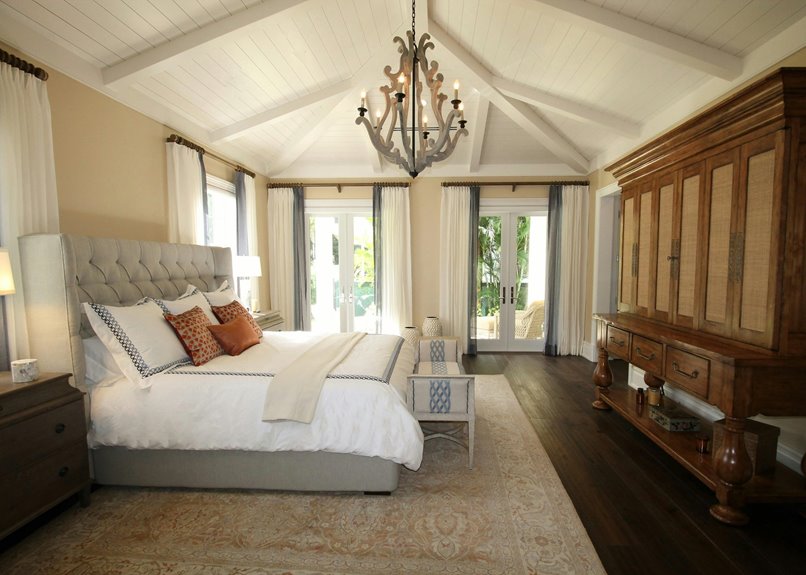
More bedrooms can make your home more expensive, but only provided buyers see real value in them. You could get a stronger price assuming the extra room fits the layout, matches local demand, and feels useful for sleep, work, or guests. Still, a bedroom that feels tight or awkward can do less than you expect. The tricky part is that price depends on more than count alone, and that’s where things get interesting.
Do More Bedrooms Increase Home Value?
Yes, more bedrooms can nudge a home’s value up, and in many cases they do it in a pretty steady way.
You’ll often see buyers lean toward homes that fit their lives, because buyer psychology loves that extra cushion for kids, guests, or a quiet office.
Whenever your place offers one more room, it can feel more welcoming and easier to envision as “home.” That matters. It can also support rental potential, since you might attract tenants who want flexible space and room to grow.
Still, the lift isn’t magic. Your layout, comfort, and flow still need to feel right, or the extra room can seem awkward.
Why More Bedrooms Can Raise Home Price
More bedrooms can push a home’s price upward because buyers often pay for flexibility as much as square footage. Whenever you shop, you’re not just buying walls; you’re buying a place that can fit your life. Bedroom scarcity makes extra rooms feel rare, so homes with more bedrooms often draw stronger offers.
Through buyer segmentation, sellers can match your home to larger households, remote workers, or guests who need privacy. That wider appeal can lift demand and shorten days on market. In many neighborhoods, a 3-bedroom home feels like the sweet spot, so a 4-bedroom can stand out and command more attention. Should your area value that extra room, buyers might see it as a better fit for daily life, and they’ll pay accordingly.
What Bedrooms Add Beyond Square Footage
A bedroom does more than fill space, and that’s where the value starts to grow. You gain functional flexibility, so one room can work as a guest room, nursery, or quiet office. That extra use helps buyers feel at home fast. It also strengthens the privacy hierarchy, because each person can claim a door and a little peace.
| Added benefit | What you feel |
|---|---|
| Flex space | Less crowding |
| Privacy | More calm |
When you walk through a house, these details shape how welcoming it feels. They help your home fit real life, not just a floor plan. And that sense of fit can make your place easier to love, live in, and pay more for.
When More Bedrooms Don’t Add Value
Even so, extra bedrooms don’t always lift a home’s value, and sometimes they can do the opposite. Should you squeeze in another room, you might shrink the living room, closets, or kitchen, and buyers notice that fast. You want a home that feels easy to live in, not crowded.
In some markets, overbuilt inventory makes extra bedrooms feel common, so the upgrade stops standing out. Then, assuming zoning restrictions limit how you build, the new space can look awkward or incomplete. A cramped fifth bedroom won’t charm a family that needs flow and light. You’ll get more interest whenever every room still feels useful, comfortable, and welcoming. Buyers often pay for balance, not simply a bigger count on paper, and that’s where value holds steady.
Why Location Changes Bedroom Value
You’ll notice that a bedroom’s value shifts with the neighborhood because buyers in one area might pay a premium for extra space, while buyers elsewhere care more about layout or location perks.
In a fast-growing market, a third bedroom can feel like a must-have, but in a pricier area, the same room could add less should it cut into living space.
Location Demand Differences
Location matters because buyers do not value extra bedrooms the same way in every market. In places with strong urban demand, a third or fourth bedroom can feel like a shared win, because more people want flexible space. Seasonal trends also shift that value. Whenever families move before school starts, extra rooms might draw faster offers. In slower months, buyers perhaps care more about layout than count.
| Market type | Bedroom value |
|---|---|
| Busy city | Higher |
| Vacation town | Changes fast |
| Family suburb | Steady |
| Slow market | Lower |
You’ll see the biggest lift where space feels rare and useful. In roomy areas, one more bedroom can help, but it won’t always change the price much. That’s okay. Your home still fits more lives, and that often matters most.
Neighborhood Price Drivers
Around the block, small details can change a bedroom’s price tag more than you could expect.
Whenever you shop in a neighborhood with strong school districts, buyers often pay more for the same bedroom count because they want that steady sense of care and future value. Short commute times can do the same thing, since easier trips help your day feel calmer and more balanced.
You’ll also notice that nearby parks, quiet streets, and a friendly feel can make a bedroom seem more useful and more welcome. In some areas, an extra room matters a lot because families, remote workers, and guests all fit the local rhythm.
Bedroom Value By Area
Home prices can shift a lot from one area to the next, even while the bedroom count looks the same on paper. In urban markets, one extra bedroom often feels scarce, so buyers pay more for privacy and flexibility. In places with rural demand, you might see a smaller jump because land and square footage already give you room to breathe.
| Area | Bedroom Value |
|---|---|
| City core | High |
| Inner suburb | Medium-high |
| Small town | Medium |
| Open country | Lower |
| Fast-growth zone | Rising |
You’ll also notice that layout matters. A tight third bedroom won’t help much if it steals living space. But a roomy, useful one can help you feel at home and can lift value. So when you compare homes, consider about local needs, not just the count.
Why Layout Matters More Than Bedroom Count
Even in the event that a house has more bedrooms, that doesn’t always mean it will sell for more, because buyers notice how the rooms actually work together. You want a home that feels easy to reside in, not one that just checks boxes.
Whenever the layout opens up shared areas, you feel welcome and connected. Good space flexibility lets you use a room for work, guests, or play without crowding the rest of the house.
Strong traffic flow also matters, because you should move from kitchen to living room to bedrooms without awkward turns or tight paths. Suppose extra walls break that rhythm, the home can feel smaller.
Do Small Bedrooms Count The Same?
Yes, small bedrooms can count, but they don’t always count the same in a buyer’s mind. You notice it fast: room functionality matters as much as the label on the door. A tiny room with the right bed size, closet, and light can feel welcoming, while a cramped one can feel like a compromise.
| Bedroom type | Buyer reaction |
|---|---|
| Cozy but usable | Often accepted |
| Tight and awkward | Often discounted |
| Flexible bonus room | Occasionally valued more |
When you walk through a home, you want spaces that support real life, not just a bedroom count. Provided the room fits a full bed and lets you move comfortably, it usually earns more trust. Should it only fit a twin, buyers might see less value, even though it technically counts.
How Comparable Sales Affect Price
Once you know a small bedroom can still count, the next question is how buyers price that space as they compare homes. You don’t guess here. You look at nearby sales, then see how each comp lines up with your home.
- A true comp has similar size, age, and layout.
- A bedroom change can shift the comps adjustment up or down.
- When sale timing is old, it might miss today’s mood.
- In a hot area, one extra room can attract more interest quickly.
When you check several sold homes, you start to feel where your place fits. That helps you avoid overpricing or underselling. Buyers also notice how rooms work together, so they compare comfort, not just count. With the right comps, you read the market like a neighbor who gets it.
How To Price A Home With More Bedrooms
Price a home with more bedrooms through looking at what those extra rooms really add in your market, not just through counting doors. Check recent sales, then compare the price jump from three bedrooms to four or five. In many places, one extra bedroom can lift value by 10% to 20%, but only provided the layout still feels welcoming.
| Factor | What you might see |
|---|---|
| Staging impact | A neat room can make buyers envision home life |
| Tenant demand | More bedrooms can bring stronger rental appeal |
| Size tradeoff | Tight rooms can hurt price fast |
| Local norm | Match what your neighbors expect |
Frequently Asked Questions
Can Adding a Bedroom Lower My Home’s Resale Value?
Yes, adding a bedroom can reduce your home’s resale value if the new space harms the layout, crowds the floor plan, or creates a poor impression in the market. If the addition does not meet zoning rules, buyers may back away, and the home could end up less appealing and worth less.
How Much Does a Bedroom Addition Cost on Average?
You’ll usually pay about $25,000 to $75,000 for a bedroom addition, though local labor rates, permit fees, and material prices can push the total higher.
Is Converting a Garage Into a Bedroom Worth It?
Yes, converting a garage into a bedroom can be worthwhile if your home needs more living space and buyers in your area value extra bedrooms. It can raise resale appeal, but you should confirm permit requirements and make sure the new room fits the layout of the house.
Do Condo Bedrooms Increase Value the Same as Houses?
No, the increase is not always the same. Condo bedroom value depends on unit size, HOA rules, view premium, and layout flexibility, so the right configuration can feel comfortable while also supporting resale value.
Which Bedroom Count Has the Highest Return on Investment?
Three bedroom homes often deliver the strongest return on investment, especially when a primary suite renovation is added. That combination can attract buyers and increase value without pushing the property beyond local demand.