
Assuming you’re pricing exterior trim and soffit painting, you’ll usually see trim land around $1 to $4 per linear foot, while soffits often run about $0.44 to $4 per linear foot or $0.44 to $1.02 per square foot. Your total can stay modest on a small home, but it can climb fast whenever prep, repairs, height, and detail work pile in. Next, it helps to know which of those factors is quietly doing the heavy lifting on your estimate.
How Much Does Exterior Trim Painting Cost?
Exterior trim painting usually costs between $1 and $4 per linear foot, so the final price can stay pretty manageable or climb fast, depending on your home’s size and shape.
You’re paying for a fresh look that helps your house feel cared for and welcoming.
Should you want a simple update, basic white or soft neutral color trends often keep costs steady. In case you choose bold shades or detailed finishes, you might spend more on labor and materials.
Weatherproof coatings also matter because they help your trim stand up to sun, rain, and wear. That means your paint job can last longer and protect the wood better.
Whenever you compare options, you can pick a finish that fits your style, your budget, and the neighborhood vibe you love.
What Drives Soffit Painting Costs?
Soffit painting costs can shift more than you might expect because the work often sits up high, under the roofline, and in spots that are awkward to reach. You also pay more whenever the soffits have peeling paint, old caulk, or venting issues that trap moisture. Better material longevity can raise the price a bit, but it often saves you trouble later.
- Access matters: ladders, height, and tight roof edges slow the job.
- Prep work matters: scraping, sanding, and priming add time and cost.
- Product choice matters: durable paint and sealers protect against weather and wear.
If your soffits need careful repair, the crew has to move slowly and check airflow too. That extra care helps you join the many homeowners who want lasting results and a cleaner look.
Trim and Soffit Painting Cost by Home Size
Your home size plays a big role in what you’ll pay for trim and soffit painting.
Small homes usually stay on the lower end, while medium homes often land in the middle as the work spreads across more eaves and trim.
Large homes can cost much more because extra square footage, higher reaches, and longer runs of soffit and fascia all push the price up.
Small Homes Cost
For a small home, trim and soffit painting usually stays on the lower end of the price range, but the final bill can still vary more than you’d expect. You could spend less on labor and materials, yet layout, prep, and reach still matter.
That’s why cottage maintenance can feel simple one day and tricky the next. Fresh paint also enhances curb appeal, which helps your home feel cared for and welcoming.
- Exterior trim often runs about $1 to $4 per linear foot.
- Soffits can land around $0.44 to $1.02 per square foot.
- Tight eaves or awkward spots could add a little more.
If your home has easy access, you’ll usually keep costs steadier and stress lower.
Medium Homes Cost
Medium-sized homes usually land in the middle of the pricing chart, but that middle can still shift a lot once you add more wall height, longer eaves, and harder-to-reach trim.
You’ll often see exterior trim fall near $1,000 to $2,500, while soffit and fascia work can rise with the added length along your roofline. In many homes, you might pay $4 to $14 per linear foot for both eaves, and $1 to $4 for trim alone. That range helps you plan without feeling lost.
Whenever you choose fresh paint, you also enhance curb appeal and support climate durability, which matters whenever your home faces sun, rain, or freeze and thaw cycles. Should your trim has lots of corners, your crew might charge more, but the finish can make your place feel cared for and welcoming.
Large Homes Cost
As a house gets bigger, trim and soffit painting can climb fast, but it doesn’t have to feel like a mystery. You’ll usually see large homes land near $1,500 to $3,000, and homes with tricky eaves, second floors, or wide rooflines can push higher.
That jump makes sense because more square footage means more ladder time, more prep, and more paint.
- Surface area: More trim and soffits mean more labor and supplies.
- Access: High spots and tight corners add cost, especially near landscaping impact.
- Details: Heritage maintenance on older homes can need extra prep and care.
When you plan ahead, you can match your budget to the home you love and keep the work smooth.
Typical Labor Costs for Trim and Soffits
Labor usually makes up a big share of what you pay to paint trim and soffits, so it helps to know what’s normal before you call anyone.
You’ll often see labor rates run from $1 to $4 per linear foot, and that range can jump whenever the job needs more care.
Smaller crew sizes might move slower, while larger crews can finish faster and keep the work steady.
Should your eaves be high, tight, or hard to reach, you’ll likely pay more because the crew has to work with extra caution.
For most homes, you can expect trim labor to stay lower than full eaves work, but your quote should still feel fair, clear, and easy to understand.
Paint, Primer, and Prep Costs
Your paint choice can move your cost up or down fast, since higher-grade exterior paint usually lasts longer and covers better.
You’ll also pay more whenever you need a tougher primer, especially on bare wood, stained spots, or weathered trim.
Prep work can add a lot too, because scraping, sanding, caulking, and cleaning all take time before the initial coat goes on.
Paint Grade Choices
Upon choosing the right paint grade, primer, and prep work, you can control both the look and the cost of exterior trim and soffit painting.
Whenever you pick Acrylic enamel, you get a hard finish that holds up well on busy eaves and trim.
In case you use Alkyd primer, you can help the topcoat grip and stay smooth, which keeps your crew in sync with your budget.
- Choose midgrade paint whenever you want solid color and less touch-up later.
- Use primer where bare wood or repairs need extra help.
- Keep prep simple with washing, scraping, and caulking so you don’t pay for extra labor.
Because your home’s details matter, a cleaner surface and steady paint choice can make the whole job feel easier and more like a team effort.
Primer Type Costs
Primer costs can change the whole feel of your paint budget, even though the finish color stays the same. Whenever you choose oil based primers, you often pay more, but you get stronger stain blocking and better grip on older wood.
Acrylic primers usually cost less, dry faster, and fit well on newer trim and soffits.
You might consider primer as your project’s quiet helper, not the star, yet it still matters a lot. For most jobs, primer adds a modest layer to your total, often about $1 to $3 per linear foot with materials.
Should you match the primer to your surface, you keep the job smooth, and your crew feels more confident, too.
Prep Work Expenses
Before the initial coat ever touches the trim, prep work can quietly shape a big part of your budget. You’ll pay for masking setup, debris removal, scraping, caulking, and cleaning, and those steps can add up fast when your soffits sit high or your fascia has peeling paint.
Good prep helps your crew work cleanly, so you’re not stuck with messy edges later.
- Masking setup protects siding, gutters, and plants, but it takes time and supplies.
- Debris removal clears old paint chips, dirt, and nests, which keeps the new coat sticking well.
- Repairs and prep materials like patching compound, tape, primer, and sealant can raise labor and supply costs.
When you plan for prep in advance, you give your home the careful start it deserves and help your project feel smoother.
Repair Costs for Damaged Trim and Soffits
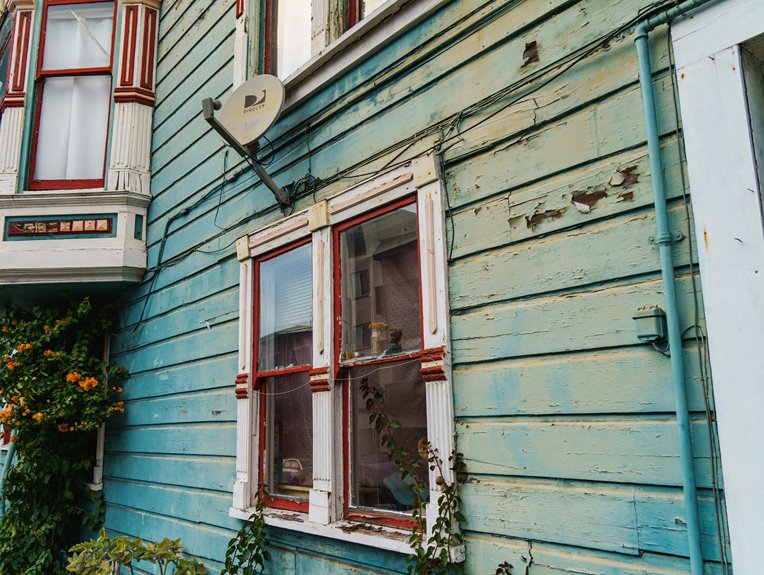
Damaged trim and soffits can turn a normal paint job into a repair job fast, and that usually bumps up the price. You might need rot repair in case soft wood, peeling paint, or dark stains show up. Small fixes might stay modest, but bigger damage can raise labor and material costs quickly.
Once water has slipped behind the surface, you also need moisture barriers to help stop the problem from coming back. That extra protection matters because fresh paint won’t hide concealed decay for long.
You’ll often pay more on hard-to-reach eaves, second floors, or tight corners, since the crew must work slower and safer. Should you catch damage early, you can keep your project in the same neighborhood of cost and avoid bigger headaches later.
DIY vs. Professional Trim and Soffit Painting Costs
Choosing between DIY and hiring a pro can change your trim and soffit painting budget in a big way, and the right choice depends on more than just the paint price. Should you paint it yourself, you might save on labor, but you’ll likely spend on Tool rental, ladders, and Skill training. A pro brings speed, steady results, and fewer surprises on high spots.
- DIY works best provided your trim is easy to reach and you already feel handy.
- Pros often make sense for second floors, eaves, and tricky corners.
- Your time matters too, because weekends can disappear fast.
You can still join the crowd of capable homeowners without taking on every risky edge. The goal is to match your comfort, your roofline, and your budget.
How to Get Accurate Painting Estimates
To get a painting estimate that actually helps you plan, you need more than a quick ballpark number, because the final price depends on where the trim sits, how much prep it needs, and how hard it’s to reach.
Start at asking for detailed measurements, since linear feet and square footage change the quote fast.
Then share clear photos of eaves, dormers, windows, and any tricky spots so the painter can see the work you’re facing.
You should also ask what labor, paint, and supplies are included.
Seasonal timing matters too, as busy months can shift schedules and pricing.
Whenever you compare quotes, make sure each one covers the same surfaces and prep steps.
That way, you and your crew stay on the same page.
Ways to Save on Trim and Soffit Painting
You can trim costs without cutting corners provided you plan the job with a sharp eye. Start with seasonal scheduling, because painters might offer lower rates during demand lulls. Next, ask for material discounts on primer, caulk, and quality exterior paint, since small savings add up fast. Then, handle simple prep yourself, like washing trim and scraping loose paint, so the crew can focus on the finish.
- Compare bids for linear-foot pricing on soffits and trim.
- Bundle eaves, fascia, and windows so one crew handles more work.
- Choose easy-access areas initially, because difficult spots can add labor.
You’ll also stay in the same budget-minded crowd if you time repairs sooner. That way, you protect your home, keep morale high, and avoid paying extra for rushed fixes later.
Frequently Asked Questions
Can Soffit and Fascia Be Painted in Winter?
Yes, you can paint soffit and fascia in winter, but choose a stretch of milder weather. Paint may not bond as well in deep cold, and it will take longer to dry. Results improve once temperatures stay above the product’s minimum application range.
How Often Should Exterior Trim and Soffits Be Repainted?
Repaint exterior trim and soffits every 5 to 7 years, or sooner if you see peeling, fading, cracking, or mildew. Regular upkeep keeps these areas looking sharp and helps protect your home.
Does Aluminum Trim Cost More to Paint Than Wood?
Usually yes. Painting aluminum trim often costs more because it needs more prep and careful surface treatment. Wood can also need priming, but aluminum’s smooth finish and possible repair work can increase the price.
Are Paint Warranties Included in Soffit Painting Contracts?
Usually, warranty coverage applies only when the contractor states it in writing. Many contracts exclude labor, so review the terms closely. Knowing exactly what is covered can help you avoid surprises.
Can I Paint Over Stained Exterior Trim?
Yes, you can, but not with wishful thinking and a paint roller. You need to seal the stain first, then check adhesion, or the trim will start peeling in a few weeks.