
If you have ever lined up a brush with a wall corner at just the right moment, you know how much stress that small coincidence can save.
The best paint edgers make that luck repeatable, with steady wheels, tight pads, and grips that do not fight your hand. Some illuminate the edge, some improve reach, and some keep corners neat without extra cleanup.
Here is how the top six choices compare, and why the right one can change your entire paint job.
| Shur-Line LED E-LITE Easy Release Edger 2008287 Red (812573) | 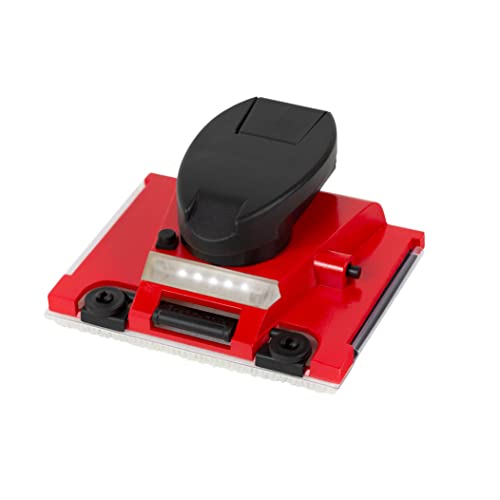 | Best for Visibility | Edging Type: Pad edger | Handle Style: Swivel handle | Extension Compatible: Yes | VIEW LATEST PRICE | Read Our Analysis |
| Perfect Paint Edger #1 Rated by BobVila and Ezvid | 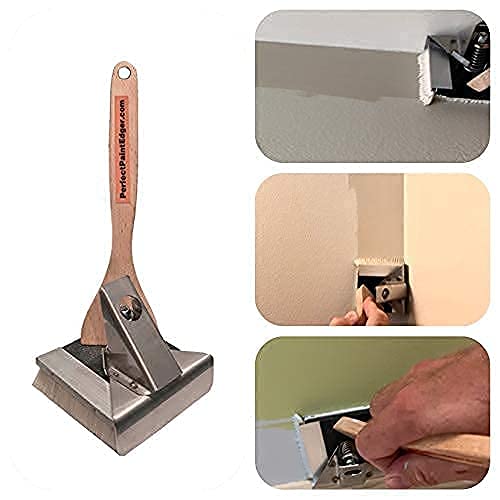 | Professional Grade | Edging Type: Handheld paint edger | Handle Style: Paintbrush-style handle | Extension Compatible: Yes | VIEW LATEST PRICE | Read Our Analysis |
| DUSICHIN Airless Paint Sprayer Extension Pole (DUS8325) |  | Best for Sprayers | Edging Type: Spray edger shield | Handle Style: Extension wand | Extension Compatible: Yes | VIEW LATEST PRICE | Read Our Analysis |
| Bates Trim Paint Brush Set 3 Pack |  | Best Brush Set | Edging Type: Trim brush set | Handle Style: Ergonomic grip | Extension Compatible: No | VIEW LATEST PRICE | Read Our Analysis |
| Shur-Line 2007053 Premium Corner Painter Red 1 Count (Pack of 1) |  | Best Corner Painter | Edging Type: Corner painter | Handle Style: Pivoting handle | Extension Compatible: Yes | VIEW LATEST PRICE | Read Our Analysis |
| RSL43 Paint Edge Trimmer with Replacement Pads |  | Best for Edges | Edging Type: Paint edge trimmer | Handle Style: Rotatable handle | Extension Compatible: Yes | VIEW LATEST PRICE | Read Our Analysis |
More Details on Our Top Picks
Shur-Line LED E-LITE Easy Release Edger 2008287 Red (812573)
The Shur-Line LED E-LITE Easy Release Edger 2008287 is a smart choice if you want cleaner lines in areas that are often difficult to reach, such as ceilings, corners, closets, and narrow hallways. Its wide-beam LED helps illuminate the edge, so you can see what you are doing and achieve better results without guessing. It also provides up to 10 hours of runtime from two AAA batteries. The easy-release button lets you change pads quickly, and cleanup remains simple. In addition, the retractable wheels and threaded handle make loading easier and help reduce the need for ladder use.
- Edging Type:Pad edger
- Handle Style:Swivel handle
- Extension Compatible:Yes
- Replaceable Pad:Yes
- Corner Use:Yes
- Paint Compatibility:Paint
- Additional Feature:Wide-beam LED light
- Additional Feature:10-hour runtime
- Additional Feature:Retractable guide wheels
Perfect Paint Edger #1 Rated by BobVila and Ezvid
Perfect Paint Edger stands out for anyone who wants crisp, clean paint lines without the usual hassle of taping every edge. BobVila and Ezvid ranked it #1, giving it strong third-party credibility. You hold it like a brush, so it feels natural fast. Its beechwood handle, stainless steel parts, and boar hair strip brushes provide steady control. The dense Velcro pad helps you paint corners and tight spots, and it includes a replacement pad. That means less prep, fewer misses, and cleaner results.
- Edging Type:Handheld paint edger
- Handle Style:Paintbrush-style handle
- Extension Compatible:Yes
- Replaceable Pad:Yes
- Corner Use:Yes
- Paint Compatibility:Paint/stain
- Additional Feature:Stainless steel components
- Additional Feature:Beechwood handle
- Additional Feature:U.S. utility patent
DUSICHIN Airless Paint Sprayer Extension Pole (DUS8325)
DUSICHIN’s Airless Paint Sprayer Extension Pole (DUS8325) is a practical choice if you want to spray clean, sharp edges without relying on tape or a separate shield. It includes a 517 tip, a 10-inch wand, and a round guide plate that helps keep paint off adjacent surfaces. It fits most spray guns with 7/8 inch outlet threads, including Graco and Titan units. Because the spray head adjusts, you can aim more precisely and reach trim, corners, and edges faster. Its alloy steel construction feels sturdy and helps keep your workflow steady.
- Edging Type:Spray edger shield
- Handle Style:Extension wand
- Extension Compatible:Yes
- Replaceable Pad:No
- Corner Use:Yes
- Paint Compatibility:Airless spray paint
- Additional Feature:517 airless tip
- Additional Feature:Adjustable spray head
- Additional Feature:10-inch extension wand
Bates Trim Paint Brush Set 3 Pack
Bates Trim Paint Brush Set, 3 Pack gives you a precise edge when you want clean trim lines without fighting your tools. You get three brushes, sized 5/8 inch, 3/4 inch, and 1 inch, so you can match the brush to tight corners or wider trim. The synthetic flagged bristles lay down emulsion or oil paint with smooth, controlled strokes. The ergonomic handle helps reduce hand fatigue, so you can work longer with better control. Its low shedding and durable construction make it a reliable choice for both professional painting and weekend touch-ups.
- Edging Type:Trim brush set
- Handle Style:Ergonomic grip
- Extension Compatible:No
- Replaceable Pad:No
- Corner Use:Yes
- Paint Compatibility:Emulsion/oil
- Additional Feature:Three brush sizes
- Additional Feature:Flagged synthetic bristles
- Additional Feature:Shedding-resistant design
Shur-Line 2007053 Premium Corner Painter Red 1 Count (Pack of 1)
Shur-Line 2007053 Premium Corner Painter makes tight interior corners much easier, especially if you are tired of careful brush work that still leaves a messy edge. You can load the woven pad with paint or stain, then glide it into the seam for a cleaner line. The pivoting soft-grip handle helps you steer with less strain, and the threaded end lets you add an extension pole whenever reach gets awkward. Because the pad slides off, you can clean, replace, or reuse it. It covers about 400 square feet, so you can keep moving with confidence.
- Edging Type:Corner painter
- Handle Style:Pivoting handle
- Extension Compatible:Yes
- Replaceable Pad:Yes
- Corner Use:Yes
- Paint Compatibility:Paint/stain
- Additional Feature:Pivoting soft-grip handle
- Additional Feature:Woven fabric pad
- Additional Feature:400-square-foot coverage
RSL43 Paint Edge Trimmer with Replacement Pads
The BANCOO RSL43 Paint Edge Trimmer, with two replacement pads, is a smart choice if you want clean paint lines without the stress of freehand edging. It includes a 4.7-inch pad applicator with nylon fiber bristles, and it holds paint well for smooth coverage. The guide wheels help you trim ceilings, baseboards, windows, doors, and moldings with steadier control. Because the handle rotates, you can work at different angles and even attach an extension pole. Tighten the lock at the start to reduce wobble. It is also lightweight, so it is easier on your arm.
- Edging Type:Paint edge trimmer
- Handle Style:Rotatable handle
- Extension Compatible:Yes
- Replaceable Pad:Yes
- Corner Use:Yes
- Paint Compatibility:Multiple paints
- Additional Feature:Two replacement pads
- Additional Feature:Rotatable universal handle
- Additional Feature:Smooth guide wheels
Factors to Consider When Choosing Paint Edgers
When choosing a paint edger, start with precision and control so you can keep clean lines without extra touch-ups. Next, make sure it works well with your paint, feels comfortable in your hand, and gives you the reach you need for corners and trim. The right pad or brush type also matters, and durable tools that clean up easily can save you time and frustration later.
Precision And Control
Precision matters most when you are cutting clean lines along trim, ceilings, and edges, because even a small wobble shows immediately. You will get steadier results when the edger has a narrow contact surface, about 1/2 to 1 inch wide, so the tool stays focused and paint does not sneak under it. Next, choose adjustable or rotatable handles, plus threaded extension support, so you can control angle and pressure without twisting your wrist. A guide wheel or stabilizing edge also helps you hold a fixed distance and keeps your strokes straight. Then pick dense low nap pads or fine flagged bristles for even paint release. Finally, look for quick release, replaceable pads and a secure lock, so you can swap parts fast and keep control.
Compatibility With Paint
Your paint edger needs to match the paint you are using, or you could end up fighting clogs, drag, and uneven lines. For latex or emulsion paints, choose synthetic pads and bristles, since nylon handles water-based formulas well. If you use oil-based paint, natural fibers often flow better and help the edge stay clean. Next, check pad absorbency and thickness. A thirsty pad holds more paint for steadier coverage, while a denser pad can leave a smoother film with oil paint. Also, consider viscosity. Thick paint can jam fine edges, so thinning or using a coarser applicator could save you stress. Finally, make sure replaceable pads resist both paint and cleanup solvents so they last longer without falling apart.
Handle And Reach
Once you have matched the edger to the paint, the next thing to check is how it feels in your hand and how far it can reach. You want a handle that stays steady, so look for a secure lock or tightener that will not slip when you press along trim. If you plan to work overhead, choose a threaded or universal connection so you can add a standard extension pole without trouble. That extra reach helps you cover tall walls and ceilings without using a ladder. A comfort grip handle also matters because it reduces hand strain and gives you better control at baseboards, windows, and moldings. For added flexibility, choose a swivel handle or retractable guide wheels, since they help you keep a clean edge as you change angles.
Pad Or Brush Type
Choosing between a pad and a brush can make a big difference in how easy your paint edger feels and how clean the line looks. If you are covering long, straight trim, a pad edger often helps you glide on more paint with fewer stops. Its woven or dense foam face can leave a smoother, more even film. If you need to cut in around corners, switch to a brush-style edger. Its bristles give you finer control, so you can hug edges without much fuss. Look for thicker pads or dense bristles, since they release paint more evenly and reduce streaks. If you want extra neat detail, choose flagged bristles or nylon for steady, reliable coverage.
Durability And Cleanup
Durability matters more than people often expect, because a paint edger gets dragged, pressed, rinsed, and reused over and over. You will want stainless steel fittings, ABS or alloy housings, and tough synthetic or natural bristles that will not bend out of shape. Also, choose edgers with removable pads or brush strips, so you can swap the worn part instead of tossing the whole tool. Then look for washable, non-absorbent surfaces that rinse clean fast, because dried paint likes to hide where you are tired. Retractable wheels and sealed parts help too, since they block buildup and reduce friction. Finally, pick simple shapes with smooth contours and quick-release pads. You will spend less time scrubbing and more time getting those sharp, satisfying lines.
Frequently Asked Questions
How Do I Prevent Paint From Bleeding Under the Edger?
You can prevent bleeding by loading the edger lightly, pressing it firmly, and moving steadily. Do not overload the paint. Use painter’s tape on edges, and make sure the surface is clean, dry, and smooth before you start.
Can Paint Edgers Be Used on Textured Walls?
Yes, you can use paint edgers on textured walls, but you will need to move slowly and choose a flexible model. You will get better results if you test first and refill often.
How Often Should Replacement Pads Be Changed?
You should change replacement pads once they wear, fray, or stop applying paint evenly, often after a few rooms. Do not wait too long; a tired pad is like a dull knife and can ruin crisp edges fast.
Are Paint Edgers Suitable for Both Latex and Oil Paints?
Yes, you can use paint edgers with both latex and oil paints, but you’ll want the right pad and proper cleanup. Match the edger’s material to your paint for smoother, cleaner lines.
How Do I Clean a Paint Edger After Use?
Rinse it promptly to keep it in good condition. Use warm soapy water for latex paint, or mineral spirits for oil-based paint, then dry it completely before storing it.
Final Thoughts
Whenever you choose the right paint edger, you reduce stress and get clean lines. The idea that expensive tools always outperform simple ones does not fully apply here, because control matters more than price. If you match the edger to the job, you will get sharper edges and less cleanup. Trust your hands, not the hype. With the right pad, handle, and guide, you can make trim look neat and feel satisfied quickly.