

Like a key slipping into the right lock, the best metric feeler gauge turns tiny gaps into clear answers.
You will see why six smart picks stand out for tappets, plugs, and bearing checks.
From slim 17 blade kits to 32 blade sets with etched markings, anti rust oil, and smooth pivots, each tool solves a different space or precision need.
The details that separate a good set from a frustrating one may surprise you.
| Hotop 25-Blade Steel Feeler Gauge Set |  | Compact Pick | Blade Count: 25 blades | Measurement Range: 0.038–1.02 mm | Dual Marking: Metric/imperial | VIEW LATEST PRICE | Read Our Analysis |
| Hotop 32-Blade Steel Feeler Gauge Set | 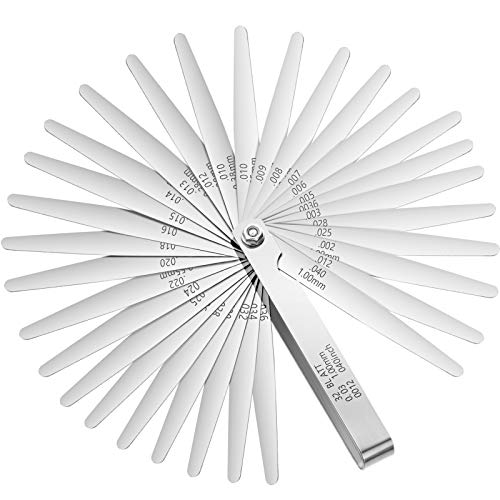 | Best Range | Blade Count: 32 blades | Measurement Range: 0.03–1.00 mm | Dual Marking: Metric/imperial | VIEW LATEST PRICE | Read Our Analysis |
| Feeler Gauge Set 32 Blades Metric/Imperial |  | Best Value | Blade Count: 32 blades | Measurement Range: 0.04–0.88 mm | Dual Marking: Metric/imperial | VIEW LATEST PRICE | Read Our Analysis |
| Metric Feeler Gauge Gap Measurement Tool 17 Blades |  | Long-Reach Option | Blade Count: 17 blades | Measurement Range: 0.02–1.00 mm | Dual Marking: Metric only | VIEW LATEST PRICE | Read Our Analysis |
| ARES Tapered and Offset Feeler Gauge Set | 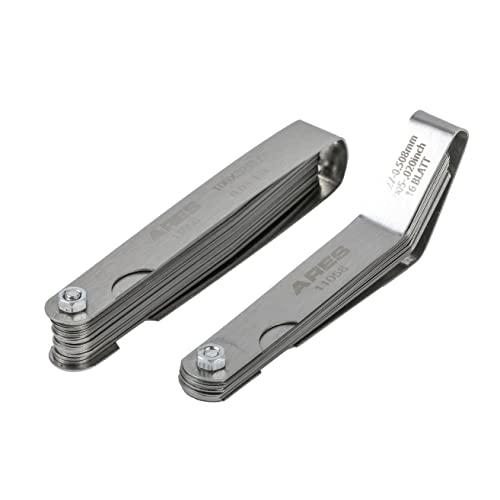 | Best for Tight Spaces | Blade Count: 32+16 blades | Measurement Range: 0.03–1.00 mm | Dual Marking: SAE/metric | VIEW LATEST PRICE | Read Our Analysis |
| 2-Piece Feeler Gauge Set SAE/Metric 32 Blades | 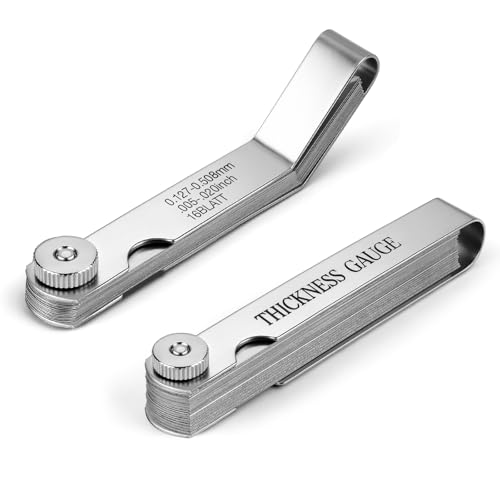 | Professional Grade | Blade Count: 32+16 blades | Measurement Range: 0.02–10 mm / 0.0008–0.4 in | Dual Marking: Metric/imperial | VIEW LATEST PRICE | Read Our Analysis |
More Details on Our Top Picks
Hotop 25-Blade Steel Feeler Gauge Set
If you need a compact, reliable way to check tight gaps with confidence, the Hotop 25-Blade Feeler Gauge Set is a smart choice. It includes 25 stainless steel blades made from 65 manganese steel, giving them a sturdy feel and dependable durability. Each blade is marked with metric and imperial sizes, ranging from 0.038 mm to 1.02 mm. The foldable design fits easily in a pocket or toolbox, and the etched markings make it easy to select the right blade quickly. A light anti-rust oil protects the steel, and you can wipe it clean before use.
- Blade Count:25 blades
- Measurement Range:0.038–1.02 mm
- Dual Marking:Metric/imperial
- Foldable Design:Foldable
- Steel Construction:65 manganese steel
- Rust Protection:Anti-rust oil
- Additional Feature:Etched size markings
- Additional Feature:Anti-rust oil coating
- Additional Feature:Compact portable design
Hotop 32-Blade Steel Feeler Gauge Set
The Hotop 32-Blade Steel Feeler Gauge Set is a smart choice if you need a compact, dual-marked gauge that handles both metric and imperial checks with ease. It includes 32 manganese steel blades with stainless steel parts, giving the set a sturdy feel in hand. Each blade is etched for quick size checks, and the foldable design fits easily in your pocket or toolbox. With measurements from 0.03 mm to 1.00 mm and 0.001 in to 0.040 in, you can measure gaps for repairs, assembly, and tune-ups. A light oil coating helps prevent rust, so wipe it clean when needed.
- Blade Count:32 blades
- Measurement Range:0.03–1.00 mm
- Dual Marking:Metric/imperial
- Foldable Design:Foldable
- Steel Construction:65 manganese steel
- Rust Protection:Anti-rust oil
- Additional Feature:0.03 mm minimum
- Additional Feature:0.001 in minimum
- Additional Feature:Precision maintenance tool
Feeler Gauge Set 32 Blades Metric/Imperial
Need a precise, pocket-friendly tool for engine work, brake jobs, or any tight gap you cannot judge by eye? This 32-blade feeler gauge gives you metric and imperial sizes in one foldable set, so you can check tappet, spark plug, bearing, and piston ring clearance with confidence. The #65 manganese steel blades feel sturdy, and the lube oil coating helps resist rust and pitting. You may want to wipe them clean before first use. Because the blades are clearly etched, you can grab the right thickness quickly, even in cramped spaces.
- Blade Count:32 blades
- Measurement Range:0.04–0.88 mm
- Dual Marking:Metric/imperial
- Foldable Design:Foldable
- Steel Construction:#65 manganese steel
- Rust Protection:Lube oil coating
- Additional Feature:High breaking strength
- Additional Feature:Hard-to-reach applications
- Additional Feature:Compact storage size
Metric Feeler Gauge Gap Measurement Tool 17 Blades
Anytime you need a reliable way to check tight gaps with confidence, the Metric Feeler Gauge Gap Measurement Tool with 17 blades gives you a simple, exact answer. You get a 12-inch manganese steel gauge built for steady use, and its lube oil coating helps resist pitting and corrosion. Each leaf is clearly stamped, so you can select 0.02 to 1.00 mm quickly. Because it measures thickness and spacing with metric precision, you can work on engines, machinery, and fine adjustments without second guessing. The slim 300 mm body also fits easily in your hand.
- Blade Count:17 blades
- Measurement Range:0.02–1.00 mm
- Dual Marking:Metric only
- Foldable Design:Fixed strip
- Steel Construction:Manganese steel
- Rust Protection:Lube oil coating
- Additional Feature:12-inch length
- Additional Feature:Stamped blade thickness
- Additional Feature:Lightweight 6.4 ounces
ARES Tapered and Offset Feeler Gauge Set
If you work in tight spaces and still want clean, accurate readings, the ARES 11042 tapered and offset feeler gauge set makes the job easier. It gives you two folding tools in one compact set, so you can reach valve trains, spark plug gaps, bearing clearances, and piston ring gaps without fighting the part. The tapered gauge includes 32 blades for narrow openings, while the offset gauge adds 16 blades for awkward angles. Each blade is dual marked in SAE and metric sizes, and the lifetime warranty backs your work with real peace of mind.
- Blade Count:32+16 blades
- Measurement Range:0.03–1.00 mm
- Dual Marking:SAE/metric
- Foldable Design:Foldable
- Steel Construction:Steel
- Rust Protection:Not specified
- Additional Feature:Tapered profile blades
- Additional Feature:Offset gauge included
- Additional Feature:Lifetime warranty
2-Piece Feeler Gauge Set SAE/Metric 32 Blades
If you work on engines, bikes, or any job that depends on tight clearances, this 2-piece SAE/Metric feeler gauge set is a practical choice because it offers both reach and flexibility in one compact tool. It includes a 32-blade straight gauge for common gaps and a 16-blade angled gauge for cramped spots. The stainless steel body resists rust and wear, while the laser-etched markings stay easy to read. Because each blade shows metric and imperial sizes, you can measure spark plugs, valves, piston rings, and guitar parts without guessing units.
- Blade Count:32+16 blades
- Measurement Range:0.02–10 mm / 0.0008–0.4 in
- Dual Marking:Metric/imperial
- Foldable Design:Foldable set
- Steel Construction:Stainless steel
- Rust Protection:Rust-resistant
- Additional Feature:Laser-etched markings
- Additional Feature:Angled gauge included
- Additional Feature:Abrasion-resistant lettering
Factors to Consider When Choosing Metric Feeler Gauges
Once you choose a metric feeler gauge, start with the blade range so you can match the gaps you measure without forcing a fit. You should also check the marking clarity, material durability, and gauge design, because these details make the tool easier to read, longer lasting, and more comfortable to use. Above all, pick a gauge that fits your job, since the right set saves time and keeps your measurements steady.
Blade Range
A smart blade range makes metric feeler gauges far more useful because it lets you measure both tiny gaps and wider clearances without guessing or forcing the wrong blade. You should choose a set that covers the smallest and largest spaces you expect to check, with common ranges running from about 0.02 mm to 1.00 mm. For fine work, look for close steps from 0.02 mm to 0.10 mm, since those small jumps help you set valve tappets or spark plugs with real confidence. Then make sure the middle sizes fill the gap with steady steps from 0.10 mm to 0.50 mm, so you will not need to stack blades for everyday jobs. Finally, confirm the thickest blades reach about 1.0 mm for bigger gaps.
Marking Clarity
Clear markings can save you a lot of guesswork, especially if you work in a dim shop or around oily parts. When you choose metric feeler gauges, look for blades with permanent etched lines, not painted numbers that can fade quickly. You will read them more easily when the scale has high contrast against the steel, and that matters when your hands are busy and the light is poor. Dual metric and imperial labels can also help you confirm a size without stopping to convert in your head. In addition, clear size marks that match the actual blade thickness help you pick the right leaf the first time. Markings near the base and on both sides make it easier to spot each blade, even when the set is folded.
Material Durability
Strong material choices do the quiet work that good gauges need. When you choose metric feeler gauges, select blades made from hardened manganese steel or stainless steel. These materials hold their shape well, so you will not have to deal with bent leaves after repeated use. Next, check for corrosion resistant finishes or anti rust coatings. These help prevent pitting and oxidation, which can slowly change thickness and affect your readings. Also, prefer blades with etched size markings, since they stay readable after cleaning and years of handling. Then review temper and thickness tolerance. Precision ground blades usually hold truer values than stamped ones. Finally, consider wear resistance and fatigue life if you use the gauge often in rough, gritty, or high vibration jobs. That extra strength can save you trouble later.
Gauge Design
As you choose metric feeler gauges, the blade design does much of the work for you. Pick straight, foldable blades when you want compact storage and easy all-around use. Choose tapered or offset blades when you need slimmer access into narrow or angled gaps. Next, check the markings. Etched or laser-etched metric sizes on the metal stay clear, so you can grab the right blade quickly without squinting as if you are reading a secret code. Then review the range and step size. A set with 0.02 to 1.00 mm blades and fine increments helps you cover tiny to wider clearances. Finally, make sure the pivot locks firmly and the blades deploy smoothly. That keeps each blade flat, steady, and ready for precise measuring.
Application Fit
Finding the right metric feeler gauge starts with how you will actually use it. If you check common automotive or machine gaps, choose a set that covers about 0.02 to 1.00 mm. That gives you enough range for most jobs without guesswork. For delicate work, choose blades with small steps, such as 0.01 to 0.03 mm, so you can reach the right fit quickly. When access is tight, tapered or offset blades can reach spaces that straight leaves cannot. You should also look for blades marked in millimetres only, so you do not have to convert units during the job. In oily or damp environments, heat treated steel with a protective coating helps the gauge stay accurate and last longer.
Frequently Asked Questions
How Do I Read Metric Feeler Gauge Measurements Correctly?
You read the blade thickness stamped in millimeters, then slide it into the gap until it fits snugly without forcing. If you need more clearance, try the next thicker blade and compare.
How Should I Clean and Store Feeler Gauges?
Wipe them after every use, then dry them thoroughly so they are spotless. Store them in a protective case, lightly oiled, and keep them away from moisture, dirt, and bent edges.
Can Feeler Gauges Measure Tight Valve Clearances Accurately?
Yes, you can measure tight valve clearances accurately if you use the correct gauge thickness, keep the blades clean, and feel for slight drag. You will get the best results with careful technique and patience.
What Materials Are Best for Durable Feeler Gauges?
You’re best off choosing hardened stainless steel or spring steel feeler gauges, since they resist rust, keep their thickness, and stay accurate longer. If you need extra durability, nickel-plated sets can also handle tougher shop conditions.
How Often Should Feeler Gauges Be Calibrated?
Like a clock that drifts, feeler gauges should be calibrated annually, or sooner if they are damaged, heavily used, or contaminated. This helps catch wear early, keeps readings reliable, and reduces the risk of costly measurement errors.
Final Thoughts
Whenever you need a metric feeler gauge, the right one saves time and stress. You get cleaner readings, easier access, and fewer guesswork mistakes. So, which set fits your work best? If you need tight gaps, choose fine blades and smooth pivots. If you work in cramped spots, pick a tapered or offset design. With the right gauge in hand, precise measuring feels much less intimidating and much more manageable.