

A drill press can seem simple, yet metalwork quickly exposes weak machines and rewards the right one. If you want cleaner holes, steadier cuts, and less strain, you need a press that matches your project, not just your budget.
From benchtop options to magnetic models, these six stand out for real shop use, and the differences between them matter more than you might think.
| WEN 33-Inch Radial Arm Drill Press (4233) |  | Heavy-Duty Reach | Type: Radial arm drill press | Power source: Corded electric | Speeds: 5-speed | VIEW LATEST PRICE | Read Our Analysis |
| WEN 2.3-Amp 8-Inch 5-Speed Cast Iron Benchtop Drill Press (4206T) | 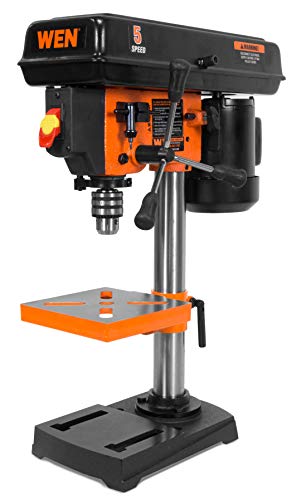 | Best Compact Pick | Type: Benchtop drill press | Power source: AC corded | Speeds: 5-speed | VIEW LATEST PRICE | Read Our Analysis |
| VEVOR Magnetic Drill Press with Coring Bits |  | Portable Power | Type: Magnetic drill press | Power source: Corded electric | Speeds: 10-speed | VIEW LATEST PRICE | Read Our Analysis |
| DEWALT Magnetic Drill Press (DWE1622K) | 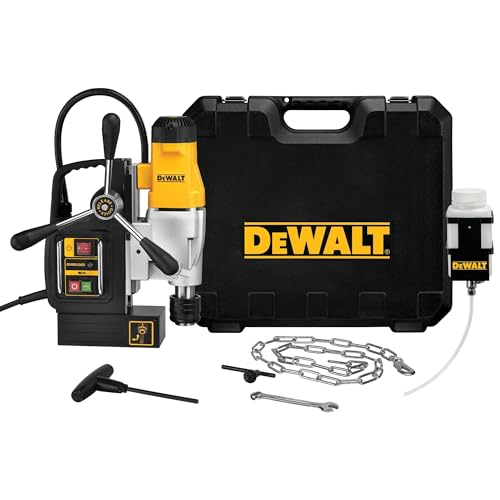 | Professional Grade | Type: Magnetic drill press | Power source: Corded | Speeds: 2-speed | VIEW LATEST PRICE | Read Our Analysis |
| VEVOR Mag Drill Press 1550W Magnetic Drill |  | High-Torque Choice | Type: Magnetic drill press | Power source: Corded electric | Speeds: 10-speed | VIEW LATEST PRICE | Read Our Analysis |
| SKIL 10-Inch 5-Speed Benchtop Drill Press (DP9505-00) |  | Best for Precision | Type: Benchtop drill press | Power source: Corded electric | Speeds: 5-speed | VIEW LATEST PRICE | Read Our Analysis |
More Details on Our Top Picks
WEN 33-Inch Radial Arm Drill Press (4233)
If you need a drill press that gives you room to work without sacrificing control, the WEN 33-Inch Radial Arm Drill Press (4233) is a smart choice. It features a 6.2-amp induction motor, five speeds, and a 5/8-inch keyed chuck, so you can handle wood, metal, and even thick cast iron with confidence. Its 33-inch radial reach lets you slide, swivel, and rotate the head for hard-to-reach spots. The cast-iron table tilts 45 degrees, and the locking depth stop helps you drill repeated holes cleanly and safely.
- Type:Radial arm drill press
- Power source:Corded electric
- Speeds:5-speed
- Max RPM:3100 RPM
- Motor size:6.2 amp
- Chuck size:5/8-inch
- Additional Feature:33-inch radial reach
- Additional Feature:45° tilting table
- Additional Feature:Locking depth stop
WEN 2.3-Amp 8-Inch 5-Speed Cast Iron Benchtop Drill Press (4206T)
The WEN 2.3-Amp 8-Inch 5-Speed Cast Iron Benchtop Drill Press, Model 4206T, is a smart choice if you need a compact machine that still feels solid and dependable in the shop. It includes a 2.3-amp induction motor, five belt set speeds from 750 to 3200 RPM, and a 1/2-inch keyed chuck for bits up to 13 mm. Its cast iron construction, 8-inch swing, and 2-inch spindle travel help you drill wood or metal with control. The adjustable table tilts 45 degrees, and the locking depth stop makes repeat holes easy.
- Type:Benchtop drill press
- Power source:AC corded
- Speeds:5-speed
- Max RPM:3200 RPM
- Motor size:2.3 amp
- Chuck size:1/2-inch
- Additional Feature:Compact 8-inch swing
- Additional Feature:Onboard key storage
- Additional Feature:45° bevel table
VEVOR Magnetic Drill Press with Coring Bits
VEVOR’s Magnetic Drill Press with Coring Bits is a strong choice if you need a portable metal drill that grips firmly and cuts cleanly on steel plates. It includes a 1450W copper motor, 10 speed control, and up to 120 N·m of torque, so you can match the cut to the job. Its 2 inch coring capacity and 2 inch depth help you handle demanding drilling tasks. The 2878 lbf magnetic base holds steady, and the cooling system helps keep heat under control. With six bits, a scale, and an ergonomic handle, you can work more cleanly and safely.
- Type:Magnetic drill press
- Power source:Corded electric
- Speeds:10-speed
- Max RPM:800 RPM
- Motor size:1450W
- Chuck size:2-inch
- Additional Feature:12,800 N magnetic base
- Additional Feature:6 coring bits included
- Additional Feature:Built-in cooling system
DEWALT Magnetic Drill Press (DWE1622K)
Built for serious metalwork, the DEWALT DWE1622K magnetic drill press delivers steady power and control when the job is too demanding for a standard drill. Its 10 amp motor, two-speed setup, and 450 RPM top speed help you drill cleanly, while the 4-inch travel supports heavy-duty applications. You can switch between the Weldon shank and keyed chuck quickly, and the adjustable handles make setup easier. Overload protection, coolant control, and the safety chain add peace of mind. The 3-year warranty provides added confidence on demanding jobs.
- Type:Magnetic drill press
- Power source:Corded
- Speeds:2-speed
- Max RPM:450 RPM
- Motor size:10 amp
- Chuck size:13 mm
- Additional Feature:Quick-change chuck system
- Additional Feature:Quick-release feed handles
- Additional Feature:Magnetic coolant tank
VEVOR Mag Drill Press 1550W Magnetic Drill
Need a metal drill press that grips firmly and works with confidence? The VEVOR Mag Drill Press delivers a 1550W copper motor and a 2922 lbf magnet, so you can rely on it on steel with minimal wobble. It offers 10 speed settings and up to 500 RPM, helping you match the cut to the task. It bores up to 2 inches deep and wide, while the depth scale and coolant bottle support cleaner, smoother drilling. Its titanium magnesium alloy rail adds durability, and its compact size makes it easier to move.
- Type:Magnetic drill press
- Power source:Corded electric
- Speeds:10-speed
- Max RPM:500 RPM
- Motor size:1550W
- Chuck size:2-inch
- Additional Feature:13,000 N magnet
- Additional Feature:Frame depth scale
- Additional Feature:Coolant bottle included
SKIL 10-Inch 5-Speed Benchtop Drill Press (DP9505-00)
The SKIL 10-Inch 5-Speed Benchtop Drill Press (DP9505-00) is a smart pick if you want steady power, clear guidance, and easy control while drilling into metal, wood, and other materials. Its 6.2 amp induction motor provides reliable punch, and the five speeds, from 610 to 2,800 RPM, help you match the job. You can line up cuts with the laser, light the area with the LED worklight, and set depth with confidence. The tilting table, bump-off switch, and 10-inch benchtop design make setup feel calm and safe.
- Type:Benchtop drill press
- Power source:Corded electric
- Speeds:5-speed
- Max RPM:2800 RPM
- Motor size:6.2 amp
- Chuck size:Not specified
- Additional Feature:Laser alignment system
- Additional Feature:LED worklight
- Additional Feature:Bump-off switch
Factors to Consider When Choosing Metal Drill Presses
When choosing a metal drill press, start with motor power and speed range, since these determine how well the tool handles demanding jobs. Next, check drilling capacity and chuck size to ensure it can accommodate your bits and workpiece without difficulty. Finally, review table adjustability, because easy positioning can save time and improve control.
Motor Power
Power matters more than most people believe, and it can make the difference between a clean cut and a drill press that starts to drag. When you choose a metal drill press, you want enough torque to keep the bit moving through thick steel, not just a high top speed. Higher wattage or amp ratings help you bore larger holes and run hole saws or annular cutters without bogging down. For frequent heavy work, choose an induction motor with ball bearings, since it runs more steadily and lasts longer. If you only drill small parts occasionally, a lower power motor can work well. Still, check for overload protection and good cooling, because hot motors lose strength quickly. That detail can save you frustration later.
Speed Range
A wide speed range can make your drill press feel much more capable because it lets you match spindle RPM to the job instead of forcing one speed to do everything. You will want low speeds under 500 RPM for large cutters and hard metals, then higher speeds for small bits and softer stock. A multi speed setup, whether gears, pulleys, or electronic control, gives you that flexibility quickly. Also, check that the low end still delivers enough torque, since speed often reduces strength. Next, compare the machine’s RPM choices with the recommended SFM for your metal, because that helps you cut cleanly and avoid overheating. Finally, make sure each speed still gives you smooth feed control and useful spindle travel so the finish stays neat and your bits last longer.
Drilling Capacity
Speed range matters, but it only helps if the drill press can also handle the size and depth of the holes you need. Check the maximum drill diameter first, because a press that tops out too small will struggle with larger jobs. Then verify the depth capacity and spindle travel, since a short quill stroke can stop you before the bit reaches full depth. You should also look at the workpiece thickness rating, especially on magnetic or portable units, so the tool grips the metal safely and cuts cleanly. Next, make sure the machine’s speed steps still cover slow settings for large cutters and faster ones for small bits. Finally, confirm the chuck capacity and taper type match your tooling, or the press may look ready while your project waits.
Chuck Size
Chuck size can make or break how well your metal drill press handles the job, so it is smart to check it promptly instead of finding out the hard way mid-project. You need a chuck that matches your biggest bits and cutters, since common 1/2″, 5/8″, and 3/4″ chucks each hold different shank sizes. For light metalwork, a 1/4″ to 1/2″ chuck often feels right. For tougher drilling or coring, you will want 5/8″ or more. Also, do not ignore the spindle taper or arbor type, because the chuck has to fit the machine too. Bigger chucks can grip better and reduce runout, but they add weight and can strain speed. If you prefer flexibility, choose a press with swap-ready chucks or adapters.
Table Adjustability
Because table adjustability shapes how easily you can support and position your metal, it is worth checking more than just the table’s size. You will want a table with T-slots or long slots, since they let you clamp vises and jigs with less fuss. A cast iron table also helps because it stays rigid and keeps vibration low when you are drilling tough steel. Next, look at tilt and swivel range. Provided the table locks firmly at the angle you set, you can drill bevels without the setup drifting. Height changes matter too, especially if the rack and pinion control feels smooth and precise. Finally, make sure the table has mounting holes or a center slot for add-ons, so larger workpieces do not leave you scrambling.
Base Stability
A stable base does much more than hold the drill press upright. Choose a heavy cast-iron base with a wide footprint, because the added mass lowers the center of gravity and keeps the machine steady when you cut tough steel. Pre-drilled mounting holes or a boltable pattern let you secure it to a bench or floor, so it will not creep as torque rises. Wider bases with gussets distribute force more effectively, which reduces flex in the column and head. Rubber feet or damping pads also help, because they reduce vibration without making the press feel loose. In the shop, that means cleaner holes, a better surface finish, and far less unwanted shaking. Put stability first, and the rest of the setup becomes easier.
Depth Control
Whenever you need precise holes in metal, depth control can make the job feel calm instead of stressful. You should look for a locking depth stop with clear graduations and a travel range that goes past your deepest cut. That gives you repeatable results for countersinks, blind holes, and through holes. Fine increments matter too, so fractions of an inch or millimeter marks let you dial in the plunge with care. An integrated depth scale on the quill or spindle helps you check travel at a glance and avoid overtravel that can ruin parts. If you drill many matching holes, a micro adjustable turret or vernier stop saves time. Make sure the mechanism feels solid and locks tight under load, because drift in metal work gets old fast.
Safety Features
Safety features matter just as much as precision, since a metal drill press should help you work with confidence, not leave you guessing. You need an easy power switch or emergency stop so you can shut the motor off quickly if something goes wrong. Look for overload and thermal protection, because they can protect the motor and reduce fire risk when the machine is under strain. A strong chuck guard and spindle shroud also matter, since they help keep chips and spinning parts away from your hands. Next, check for solid workholding, such as table slots, clamping points, and a heavy base with mounting holes. Finally, useful extras like depth stops, inverted use anchors, and clear warning labels make setup safer and less stressful every time.
Frequently Asked Questions
How Do I Safely Drill Thicker Metals Without Overheating the Bit?
Use a slow speed, steady pressure, and cutting fluid, and keep lifting the bit to clear chips. This will reduce heat, extend bit life, and help prevent work hardening. Stop if the bit squeals or turns blue.
What Accessories Improve Accuracy on a Metal Drill Press?
You’ll improve accuracy most with a quality vise, sharp center punches, drill press clamps, and a cross-slide table; one study found that clamping reduces hole wander dramatically, keeping your work cleaner, safer, and far more precise.
Can a Benchtop Drill Press Handle Stainless Steel Effectively?
Yes, you can drill stainless steel with a benchtop press, provided you use sharp cobalt bits, low speed, cutting fluid, and firm clamping. You will need patience, but you can get clean holes.
How Often Should I Replace Drill Press Belts and Bearings?
You’ll usually replace belts every 3 to 5 years and bearings every 5 to 10 years, but inspect them yearly. More than 60% of failures start with noise or heat, so do not ignore vibration, slack, or rough spinning.
What’s the Best Way to Secure Irregular Metal Pieces While Drilling?
You’ll clamp irregular metal with a drill press vise, step blocks, and soft jaws. Use parallels or custom jigs. Always back it with sacrificial material, tighten firmly, and keep your hands clear.
Final Thoughts
When you choose the right metal drill press, your shop starts to feel far more capable. You can punch through steel with less effort, cleaner holes, and better control. The best models will not wobble, scream, or leave you straining for every cut. Instead, they provide steady torque, smooth speed changes, and reliable confidence. Choose carefully, and your next hole will look like it was made by a professional, not by trial and error.