

If you have ever watched a part shift right as the cutter touched it, you know how frustrating weak clamping can be. The right fixture clamp does more than press down; it gives you control, cleaner cuts, and fewer rework cycles.
In this guide, you will see which clamp styles work best for milling, welding, odd shapes, and delicate setups, and why small details like T slot size and thread fit can make the difference between steady and stubborn.
| HFS 58-Piece T-Slot Hold Down Clamp Set |  | Best Overall | Clamp Type: T-slot hold-down set | Piece Count: 58-piece | Material: Tool steel | VIEW LATEST PRICE | Read Our Analysis |
| 58Pc T-Slot Clamping Kit Mill Machinist Set Table Slots: 1/2″ | 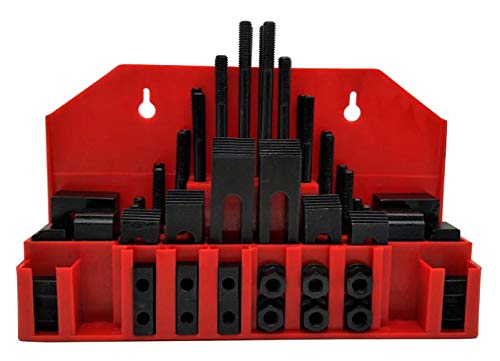 | Best Value | Clamp Type: T-slot clamping kit | Piece Count: 58-piece | Material: Hardened steel | VIEW LATEST PRICE | Read Our Analysis |
| Genmitsu Aluminum Mini Vise Clamp Toe Clamp (4PCS) |  | Best for CNC | Clamp Type: Toe clamp set | Piece Count: 4-piece | Material: Aluminum | VIEW LATEST PRICE | Read Our Analysis |
| QUICK FIST 4 CLAMP BOX |  | Best for Utility | Clamp Type: Rubber clamp set | Piece Count: 4-piece | Material: Synthetic rubber | VIEW LATEST PRICE | Read Our Analysis |
| TEXALAN Hold Down Clamp Kit for Bridgeport Mill | 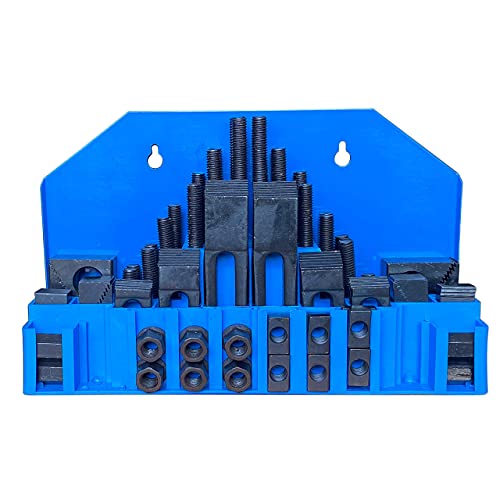 | Best for Bridgeport | Clamp Type: Hold-down clamp kit | Piece Count: 58-piece | Material: Tool steel | VIEW LATEST PRICE | Read Our Analysis |
| 4-Piece Locking C Clamp Set for Welding | 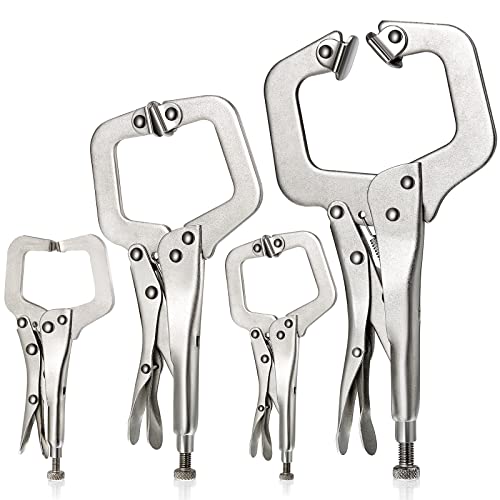 | Best for Welding | Clamp Type: Locking C clamps | Piece Count: 4-piece | Material: Carbon steel | VIEW LATEST PRICE | Read Our Analysis |
More Details on Our Top Picks
HFS 58-Piece T-Slot Hold Down Clamp Set
If you need a clamp set that makes milling setups more efficient and organized, the HFS 58-Piece T-Slot Hold Down Clamp Set is a solid choice. It includes a 58-piece kit designed for Bridgeport mills and similar machines, with 5/8 inch table slots and 1/2-13 studs. The tool steel components are heat-treated for added strength, so they stay secure when precision matters. You also get step clamps, step blocks, and T-nuts in a durable case. Setup is quick, orderly, and straightforward.
- Clamp Type:T-slot hold-down set
- Piece Count:58-piece
- Material:Tool steel
- Use Case:Milling machines
- Adjustability:Fixed components
- Storage:Storage case
- Additional Feature:Bridgeport mill compatible
- Additional Feature:5/8-inch table slots
- Additional Feature:1/2-13 stud size
58Pc T-Slot Clamping Kit Mill Machinist Set Table Slots: 1/2″
The 58Pc T-Slot Clamping Kit Mill Machinist Set with 1/2″ table slots is a practical choice for machinists who want a dependable, classic clamping setup. It includes 58 hardened steel pieces, such as 24 studs in six lengths, along with T-nuts, flange nuts, coupling nuts, step blocks, and step clamps. Designed for 1/2″ T-slot tables, it works well on milling machines and drill presses. The sturdy construction, black finish, and straightforward layout make it easy to use. It helps keep your work secure and your setup organized.
- Clamp Type:T-slot clamping kit
- Piece Count:58-piece
- Material:Hardened steel
- Use Case:Milling/drill presses
- Adjustability:Mixed-length studs
- Storage:No case listed
- Additional Feature:1/2-inch table slots
- Additional Feature:3/8-16 stud size
- Additional Feature:Multiple stud lengths
Genmitsu Aluminum Mini Vise Clamp Toe Clamp (4PCS)
Genmitsu’s Aluminum Mini Vise Clamp Toe Clamp set is a smart choice when you need a strong hold without blocking access to the top of the workpiece. It includes four aluminum clamps, and each one has a low profile design that stays out of your bit’s path. The side grip keeps the top clear for engraving, milling, or machining, so you can work with less hassle. Adjustable screws let you tighten or release the clamps quickly. The M6 T nut fits MDF, aluminum, and T track boards, which helps you set up fast and keep parts steady.
- Clamp Type:Toe clamp set
- Piece Count:4-piece
- Material:Aluminum
- Use Case:CNC engraving
- Adjustability:Adjustable screws
- Storage:No case listed
- Additional Feature:Low-profile toe clamps
- Additional Feature:M6 T-nut included
- Additional Feature:Full top access
QUICK FIST 4 CLAMP BOX
QUICK FIST’s 4 Clamp Box is a smart choice if you need a simple, rugged way to hold round gear without fuss. It includes four synthetic rubber clamps that grip 1 to 2.25 inch items, so pipes, hoses, and tools stay secure. Each clamp handles 25 pounds, and two can carry 50 pounds together. You mount each one with a single #10 bolt or screw, then add the included plastic washers for a cleaner fit. The black, compact design feels durable, and it works well for quick, tidy installs anywhere.
- Clamp Type:Rubber clamp set
- Piece Count:4-piece
- Material:Synthetic rubber
- Use Case:Object holding
- Adjustability:Sized for 1-2.25 in
- Storage:Boxed set
- Additional Feature:1-2.25 inch range
- Additional Feature:25 lb per clamp
- Additional Feature:Mounts with #10 bolt
TEXALAN Hold Down Clamp Kit for Bridgeport Mill
Built for Bridgeport mills and similar milling machines, the TEXALAN Hold Down Clamp Kit is a practical choice for securing workpieces with consistency and ease. It features a 5/8 inch T-slot fit and 1/2-13 studs, which helps make setup straightforward on your table. The kit includes TN-0212 T-nuts, three step clamp sizes, and matching step blocks, with two of each size included. Because the tool steel components are heat treated, they are made for durability. The storage case also keeps every piece organized and ready to use.
- Clamp Type:Hold-down clamp kit
- Piece Count:58-piece
- Material:Tool steel
- Use Case:Bridgeport mills
- Adjustability:Fixed components
- Storage:Storage case
- Additional Feature:5/8-inch table slots
- Additional Feature:1/2-13 stud size
- Additional Feature:Heat-treated components
4-Piece Locking C Clamp Set for Welding
If you need a clamp set that feels solid in your hand and holds firm under pressure, this 4-piece locking C clamp set is built to earn trust quickly. It includes a 6-inch fixed pad clamp, plus 6-inch, 9-inch, and 11-inch swivel pad clamps for added reach. The forged carbon steel jaws grip securely, while the stamped steel handles provide dependable control. With a heat-treated rod, fine adjustment knob, and quick-release handle, you can lock parts in place for welding, grinding, or woodworking with less strain and better precision.
- Clamp Type:Locking C clamps
- Piece Count:4-piece
- Material:Carbon steel
- Use Case:Welding/woodworking
- Adjustability:Quick-release adjustment
- Storage:No case listed
- Additional Feature:6, 6, 9, 11 inches
- Additional Feature:Fixed and swivel pads
- Additional Feature:Quick-release handle
Factors to Consider When Choosing Fixturing Clamps
You’ll get better results when you match the clamp type to the job, so start by checking compatibility with your setup and the workpiece size range. Next, look at the clamp’s material and durability, because a sturdy clamp can handle repeated use without causing problems later. Finally, make sure it fits your mounting system and T slot properly, and choose one that adjusts easily so you can set up quickly and keep moving.
Clamp Type Compatibility
As you choose a fixturing clamp, the style has to fit the job, or the setup can become a fast lesson in frustration. You need a clamp that clears the cutter path and still applies force in the right direction. Toe clamps and side clamps keep the top open, while step clamps suit low-profile edge holding. If your table uses T-slots, check the slot width and stud thread size first, or the parts will not seat properly. For odd shapes, swivel pads spread force better than a flat jaw. When you need high pressure, choose hardened steel parts and sturdy fasteners so the clamp stays steady. If you swap setups often, quick-release pieces and removable T-nuts save time and reduce hassle.
Workpiece Size Range
Now that the clamp style fits the job, the next question is whether it fits the part size range you actually machine. Check the minimum and maximum throat depth and jaw opening first, because your clamp has to reach the work without awkward overhang or a missed grip. Then match the contact area to the part. Wide, flat pieces often need more than one clamp or broader jaws, while small or thin parts usually need low profile support so they do not bow like a sad potato chip. Next, confirm that stud lengths, step block heights, or swivel pads cover your height changes. Also, keep the fixture low enough to clear cutters and full spindle travel. For repeat jobs, choose a setup that stays flexible, fast, and reliable.
Material And Durability
Material choice can make or break a fixturing clamp, because even the best design fails if the body wears out or bends under load. Look for hardened tool steel or heat-treated alloy steel when you face heavy milling or welding, because these metals keep their shape and resist wear. Check tensile strength, yield strength, and hardness so the clamp resists flexing instead of giving up prematurely. If your shop stays damp or coolant splashes often, choose stainless steel, coated finishes, or passivated parts for longer life. For portable fixtures, aluminum can save weight, but you need to watch surface wear and fatigue. Also, inspect fasteners, studs, and T nuts closely, since one soft piece can spoil the whole setup.
Mounting And T-Slot Fit
A strong clamp body will not help unless it fits your machine table correctly, so check the T-slot setup before you buy or install anything. Measure the slot width and depth, then match your clamps, T-nuts, and studs to that size, whether it is 1/2 inch or 5/8 inch. Next, make sure the stud thread and pitch match the hardware, such as 1/2-13 or 3/8-16, so everything grabs cleanly and stays put under vibration. Also, check that the T-nut style fits your table, including standard T, dovetail, or drop-in slots. Then confirm the material strength and stud length, and keep the clamp footprint clear of cutters, fixtures, and nearby workpieces.
Ease Of Adjustment
Whenever you need to swap parts fast and still hold tight tolerances, ease of adjustment becomes a big deal. You will save time when clamps use fine pitch screws or micrometer style handles, because they let you dial in force and position with real control. Quick release or spring assisted designs help you loosen, move, and lock again without hunting for tools. If you need frequent tool access, low profile or side adjustable clamps stay out of your way and keep setup smooth. Also, check that rods, knobs, and nuts are hardened and use standard threads, so they wear less and stay repeatable. Finally, choose sets with different stud lengths or spacers, since that lets you match workpiece height without a messy rebuild.
Frequently Asked Questions
How Do Fixturing Clamps Improve Repeatability in Production?
Fixturing clamps improve repeatability by locking each part in the same position every time, so you do not rely on operator feel. This gives you consistent alignment, tighter tolerances, fewer setup errors, and more predictable results.
Can Fixturing Clamps Prevent Material Distortion During Tightening?
Yes, fixturing clamps can help reduce distortion during tightening when you use even pressure, proper support, and controlled torque. This helps prevent bending, warping, and overclamping, so your work stays true and your setup remains stable.
What Clamp Style Works Best for Irregularly Shaped Workpieces?
You’ll usually do best with adjustable strap clamps, toe clamps, or custom soft-jaw vises, because they can conform to odd contours. They grip securely, reduce shifting, and help protect delicate surfaces.
How Often Should Fixturing Clamps Be Inspected for Wear?
You should inspect fixturing clamps before every job. A worn clamp can fail in seconds. In one survey, 70% of clamp-related issues came from missed checks. Clean, test, and replace parts regularly.
Are Fixturing Clamps Compatible With Custom Fixture Plates?
Yes, you can use fixturing clamps with custom fixture plates, provided the hole pattern, load capacity, and mounting hardware match. You will need to verify alignment and clearance, then secure everything tightly before machining.
Final Thoughts
Once you choose the right fixturing clamp, every setup becomes steadier and safer. You also save time, which is a welcome win on a busy day. Match the clamp to the job, the slot size, and the material, and you will avoid a lot of trouble. As the old saying goes, “A stitch in time saves nine.” With the right choice, you will hold fast, cut clean, and work with confidence.