Address
304 North Cardinal
St. Dorchester Center, MA 02124
Work Hours
Monday to Friday: 7AM - 7PM
Weekend: 10AM - 5PM
Address
304 North Cardinal
St. Dorchester Center, MA 02124
Work Hours
Monday to Friday: 7AM - 7PM
Weekend: 10AM - 5PM

If you want a lathe chuck that grips securely and stays true, do not focus on price and size alone. You need the correct thread fit, enough jaw range for your work, and a design that can deliver both strength and accuracy without adding unnecessary vibration.
The best options in 2026 offer more than basic holding power, and the details can make all the difference.
| JET Lathe Chuck Set 1″ x 8TPI (719900) |  | Best Multi-Jaw Set | Thread Size: 1″ x 8 TPI | Jaw Count: 4 jaw sets | Self-Centering: Yes | VIEW LATEST PRICE | Read Our Analysis |
| 4-Inch 4-Jaw Self-Centering Wood Lathe Chuck | 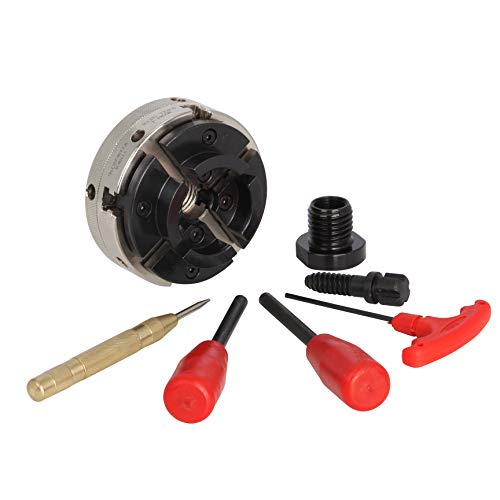 | Best Heavy-Duty Grip | Thread Size: 1″ x 8 TPI or 3/4″ x 16 TPI | Jaw Count: 4 jaws | Self-Centering: Yes | VIEW LATEST PRICE | Read Our Analysis |
| WEN 3.75-Inch 4-Jaw Self-Centering Lathe Chuck Set | 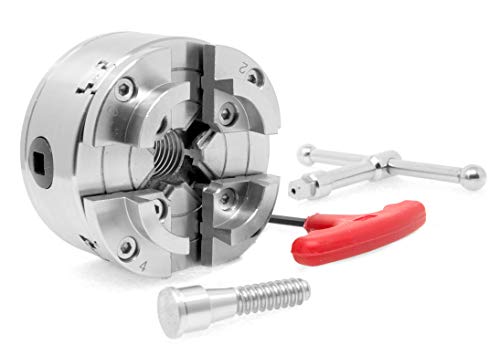 | Best Compact Chuck | Thread Size: 1″ x 8 TPI | Jaw Count: 4 jaws | Self-Centering: Yes | VIEW LATEST PRICE | Read Our Analysis |
| KingTool 4-Piece Drill Chuck Set with Morse Tapers |  | Best Drill Chuck | Thread Size: JT33 with MT1/MT2 adapters | Jaw Count: 3 jaws | Self-Centering: Yes | VIEW LATEST PRICE | Read Our Analysis |
| WEN LA136K 1/2-Inch Keyed Drill Chuck with MT1 Arbor Taper |  | Best MT1 Chuck | Thread Size: MT1 arbor taper | Jaw Count: 3 jaws | Self-Centering: Yes | VIEW LATEST PRICE | Read Our Analysis |
More Details on Our Top Picks
Should you need a versatile, self-centering setup, the JET 719900 is a strong multi-jaw set. You can mount it on JET JWL-1015, JWL-1221, and JWL-1440 lathes, or any machine with a 1 x 8 TPI spindle. The nickel-plated chuck, face plate, and jaws help resist rust, while the stainless steel construction adds durability. You get pin jaws, round jaws, and step jaws for inside or outside gripping. The molded case keeps everything organized. If your lathe uses a 1-1/4 inch spindle, you will need adapter 719903.
Should you need a heavy-duty grip for bowls and vases, this 4-inch self-centering chuck is built for the job. It includes a chuck body, mounted dovetail jaws, tightening levers, a T Allen wrench, a screw chuck, a 1″ x 8 TPI to 3/4″ x 16 TPI adapter, and a spring-loaded center punch. It fits only 1″ x 8 or 3/4″ x 16 spindle threads, so confirm your lathe before use. It is suitable for mini, midi, and heavy-duty lathes up to 14″ swing. The chuck grips 1-1/2″ to 3″ internally, expands from 2″ to 3-5/8″, and works well for bowls, cups, and vases.
Should you need a compact chuck that handles bowls and spindles, the WEN LA4374 fits the bill. You get a 3.75-inch, 4-jaw self-centering scroll chuck built for awkward lathe projects, and it works with a keyed tightening mechanism for extra grip. Use the internal jaws to clamp workpieces from 1 1/4 to 2 1/2 inches, or spread the external jaws inside pilot holes from 1 3/4 to 3 1/8 inches. Its 1″ x 8 TPI thread fits most wood lathes, so you can mount it easily and turn with confidence.
KingTool’s 4 piece set gives you a precise drill chuck setup for lathe work. It includes a 1/32″ to 1/2″ Jacobs style 3 jaw chuck, two Morse taper arbors, and a jaw key, so you can grip drill bits, dowels, pen mandrels, and small turnings with confidence. The JT33 chuck offers 0.005 accuracy and a compact 3.38 inch length. You can mount it in MT1 or MT2 headstocks and tailstocks, which makes it easy to swap between machines. Use it for woodworking or light metalwork whenever you need concentric, reliable holding.
WEN’s LA136K fits MT1 setups well, making it a strong choice if you want a reliable keyed chuck. It features a self-centering 3-jaw design that grips bits, pen mandrel shafts, and workpieces up to 1/2 inch. The included chuck key allows precise tightening, so you can secure stock with confidence. It mounts on MT1 drill presses, lathes, and mills, and it is compatible with WEN’s 3420, 3420T, and 3421 mini wood lathes. You can tap the arbor into the spindle with a rubber mallet for quick installation.
When choosing a lathe chuck, first check thread compatibility so it fits your spindle without hassle. You should also match jaw capacity and grip type to the workpieces you plan to hold. A self-centering design can speed setup and improve accuracy. Material durability matters too, since a tougher chuck can handle heavier use and last longer.
Thread compatibility is the first fit check you should make before buying a lathe chuck. Verify your spindle thread size and pitch, such as 1″ x 8 TPI or 3/4″ x 16 TPI, so the chuck matches directly or through an adapter. Do not assume inch and metric threads are interchangeable, because they are not. If your lathe uses M18 x 2.5, choose parts made for that standard. Also confirm how the chuck mounts, whether it uses a direct thread, an arbor or taper, or a backplate. Pick the method your lathe supports. If you have a nonstandard or larger spindle, plan on an adapter or backplate that keeps alignment true. Finally, make sure the connection can handle the torque and repeated load your work demands, so the chuck stays secure during use.
Jaw capacity is the next key check, because a chuck only works well if it can grip both your smallest and largest parts securely. Confirm both internal and external ranges, such as 5 to 43 mm inside and 22 to 60 mm outside, so you know exactly what stock fits. Do not just look at the headline number; make sure the jaws close tightly enough for your smallest workpieces and open wide enough for your largest. If you use stepped or interchangeable jaws, check their separate capacity limits too, since pin, round, and step jaws change the usable range. Also, match the chuck to your lathe’s swing and clearances so open jaws will not strike the bed, toolrest, or fixtures. Consider the clamping method, since some setups give you more range or stronger grip than others.
Grip type can make or break how securely a chuck holds your work, so choose one that matches both the part shape and the accuracy you need. If you work with round stock, a self centering 3 jaw or 4 jaw chuck keeps things aligned quickly. For odd or off center parts, an independent 4 jaw lets you position each jaw exactly where you want it. Use internal jaws when you need to grip a bore, and external jaws when you are clamping the outside of a spindle or blank. Scroll chucks speed setup with one action, while keyed or lever actuated jaws often provide more torque and control. You can also choose pin, round, or step jaws to handle small shafts, cylindrical stock, or a change in grip range. Prioritize holding force and runout tolerance together.
Whenever you want faster setup and repeatable alignment, a self-centering chuck is a strong next step from grip type selection. You turn the key or lever, and a scroll plate or geared mechanism moves every jaw at once, pulling the workpiece onto the spindle axis as you tighten. Most models use three jaws, which center round stock quickly. Four-jaw self-centering versions add more contact and steadier support for hex or other regular shapes. Check the runout rating, because a good chuck can hold concentricity within 0.005 inch or better. You will not get the independent jaw adjustment of an independent chuck, so accuracy depends on fit, mounting, and a quick dial indicator check after installation to correct any remaining error.
Material durability should be high on your checklist because a chuck takes repeated clamping force, vibration, and chip exposure every time you use it. You will want high-strength alloy steel, such as AISI 1045 or 4140, or stainless steel when you need better wear resistance and load capacity. Surface treatments such as nickel plating, hardening, or nitriding help fight corrosion and slow wear on jaws and scrolls. Check runout and concentricity tolerances in thousandths of an inch. Tighter specs usually mean the chuck will stay accurate under repeated loading. Inspect jaw guides, teeth, and scrolls for precise machining and hardened, ground surfaces. Finally, choose a chuck that you can regrind, resurface, or fit with replacement jaws, since easier maintenance extends service life and lowers long-term cost.
What accessories come in the box can save you time and extra expense later. Check which jaw types are included and how many sets you get. Pin jaws, round jaws, and step jaws let you grip internally, externally, and on odd shapes without buying extras. Look for installation and adjustment tools too. A T-handle, hex wrench, chuck key, or tightening levers make setup and clamping easier. If you work with irregular pieces, face plates, screw chucks, or grip studs expand your options. Adapters or arbors can also save you a separate purchase by matching common spindle threads or converting between them. Finally, choose a kit with a protective case or storage insert so your jaws, screws, and small parts stay organized, clean, and ready for use.
Before you buy, make sure the chuck actually fits your lathe. Verify the spindle thread size and pitch, whether that is 1″ x 8 TPI, 3/4″ x 16 TPI, or another standard, so you do not end up forcing the wrong mount. Check whether your lathe uses a threaded spindle, Morse taper, or threaded with register setup, because the chuck has to match or use the right adapter. Measure swing and throat clearance too, since a large chuck can hit the toolrest or cut into your available capacity. Make sure the mounting style works with your headstock accessories. Finally, match chuck size to your lathe’s horsepower and the workpieces you plan to hold, since heavy chucks need enough power and bearing support to run safely and stay true.
Prevent loosening by tightening the chuck correctly, cleaning the tapers and jaws, using the proper spindle direction, and keeping heavy cuts within safe limits. Also, check the set screws, backplate fit, and jaw wear regularly.
Yes, you can, but you should not. You will want separate chucks for wood and metal because chips, dust, and holding needs differ. Use the right jaws and maintain them properly, or you risk slippage, damage, and unsafe turning.
You should clean and lubricate your lathe chuck after every dusty or messy job. If you use it often, give it a quick wipe and oiling weekly. This helps keep it smooth, rust free, and gripping reliably.
You need safety glasses, hearing protection, and a face shield when using a lathe chuck. Wear snug clothing, tie back long hair, and avoid gloves. Keep your hands clear, and you can reduce the risk of serious injury.
Inspect the jaws for chips, cracks, burrs, scoring, and uneven contact. Close them on a test piece, check for play, and measure jaw steps with calipers to identify wear or damage.
Whenever you choose a lathe chuck, focus on fit, grip, and balance so your work stays secure and your machine runs smoothly. Pick the jaw style, spindle mount, and actuation that match your projects, then check runout and clearance before you buy. A well matched chuck can feel like an anchor in a storm, keeping every cut steady and safe. Choose carefully, and you will get better control, cleaner results, and fewer headaches.