

A failing leach field is one of the most stressful plumbing problems a homeowner can face. Slow drains, soggy ground above the field, and foul odors all point to the same underlying issue: organic buildup is choking the soil’s ability to absorb wastewater. The shock treatments in this roundup are designed to restore that absorption by flooding the system with specialized bacteria and enzymes that digest the clog-forming matter. Whether you want a gentle monthly maintenance routine or an aggressive single-dose rescue, there’s a formula here built for your situation.
A Fast Comparison Of The Options

Septic Tank Treatment by Cabin Obsession 12-Count Bacteria Packets

DrainFix & Septic Restorer 32 oz Enzyme Treatment

Bio-Safe One BIO-112 5-Gallon Heavy Sludge Digester
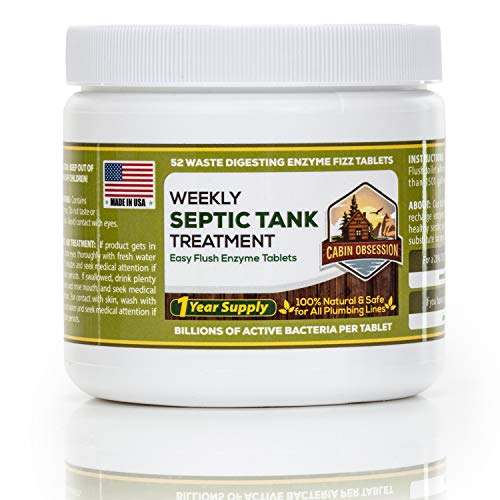
Cabin Obsession 52-Weekly Septic Fizz Tablets

Cabin Obsession 32 oz Concentrated Shock Drain Field Cleaner

Roebic K-570-Q 32-Ounce Leach and Drain Field Opener

Green Pig 1-Gallon Drain Field Cleaner
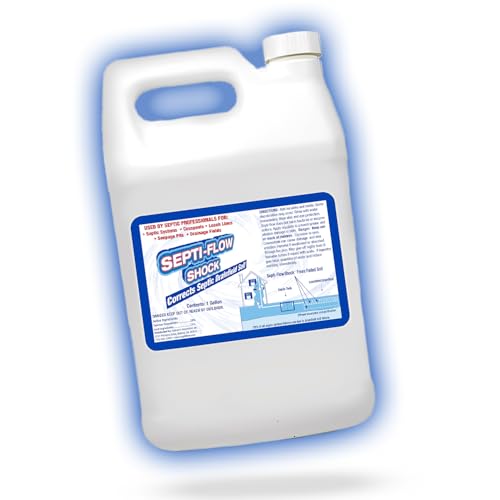
Septi-Flow Shock 1-Gallon Drain Field Cleaner
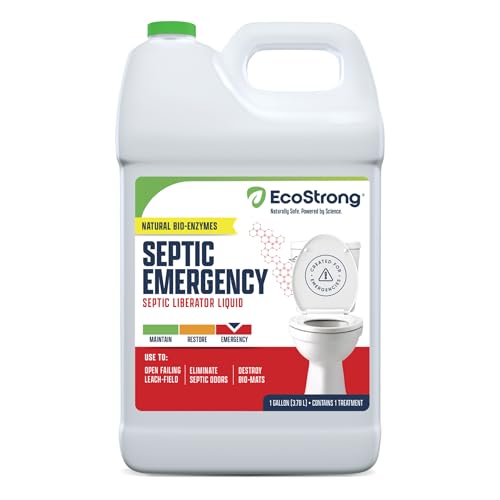
Eco Strong 128 oz Bio-Enzyme Septic Shock Treatment

Instant Power Professional Septic Shock Reconditioner 2L
What Each Pick Brings To The Table
If you have just moved into a home with a septic system and want the gentlest possible introduction to bacterial maintenance, this 12-pack of dissolvable monthly packets is the kind of low-effort routine that fits into a busy household. Each packet drops into the toilet, dissolves, and seeds the tank with live bacteria cultures that gradually break down solids so the leach field stays clear.
The brand’s monthly cadence aligns with what most septic professionals recommend for residential systems, and the packet format removes any measuring or guesswork. Cabin Obsession targets homeowners who would rather prevent backups than pay for excavation later, and the formula is compatible with all standard plumbing setups.
A Few Highlights
- Dissolvable single-dose packets eliminate measuring errors
- Twelve-count supply covers a full year of monthly treatments
- Safe for all standard plumbing and drain lines
- Live bacteria approach supports long-term leach field health rather than just clearing today’s clog
- Compact box stores easily in a bathroom cabinet or utility shelf
Things To Consider
- Monthly packets work best as prevention, not as a rescue for a fully backed-up system
- Packets should be flushed promptly after opening, since live cultures lose potency over time once exposed to moisture
Who It Suits Best
First-time septic owners who want a set-and-forget monthly habit without learning dosing curves.
Look Elsewhere When
If your system is already showing slow drains or soggy yard spots, the Bio-Safe One BIO-112 brings noticeably more aggressive sludge digestion.
Where the Cabin Obsession packets are built for steady maintenance, DrainFix leans into flexibility: the same 32 oz bottle handles monthly upkeep at a smaller dose or a heavier shock dose when something feels off. That dual-purpose nature makes it a strong match for households with multiple waste systems, including vacation cabins and RV hookups.
The enzyme-based formula targets organic matter across sewer lines, drain fields, and septic tanks, which is useful when you are not entirely sure which part of the system is sluggish. RV owners, in particular, benefit from a single bottle that travels between the motorhome holding tank and the stationary home system.
Practical Pluses
- Works as both a monthly dose and a targeted shock treatment
- Enzyme blend is safe for pipes, septic tanks, and RV plumbing alike
- Liquid format pours directly without pre-mixing
- Useful across sewer, drain field, and toilet clogs in one container
Points To Note
- Liquid form means you need to measure doses yourself rather than flushing a pre-measured packet
- For severely failing leach fields, a heavier-duty formula like Septi-Flow Shock may be a more appropriate choice
Right Fit For
RV owners and households managing multiple drain systems who want one bottle that handles both routine and emergency dosing.
Consider Something Else When
If you prefer a pre-measured monthly routine and never touch the RV plumbing, the Cabin Obsession 12-pack is simpler to use.
BIO-112 sits in a different weight class than the rest of this list. The 5-gallon pail holds a concentrated liquid blend of aerobic and anaerobic bacteria engineered for one job: stripping the bio-mat that forms when grease, soap residue, and organic solids coat the inside of leach field lines.
The formula is positioned as a restoration product rather than a maintenance product, which is why it shows up in commercial grease traps as often as in residential tanks. Homeowners dealing with neglected systems, slow-absorbing fields, or recurring backups that smaller doses have not solved tend to reach for BIO-112 when nothing else has worked.
Noteworthy Benefits
- Patented bacteria strains are designed to dissolve bio-mat rather than just maintain it
- 5-gallon bulk format suits whole-system restoration rather than spot treatment
- Liquid form reaches every part of the system without relying on powder or pellets
- Suitable for both residential septic tanks and commercial grease trap systems
- Long shelf life once stored sealed
Trade Offs
- 5 gallons is overkill for a healthy system on a monthly routine
- You will need to pour and distribute the liquid yourself, which takes planning and a few minutes of work
Core Details
Best Suited To
Homeowners facing a failing or chronically slow leach field who need a serious restoration dose rather than gentle upkeep.
Where Another Pick Suits Better
For routine annual maintenance on a healthy system, the Roebic K-570-Q delivers similar enzyme activity in a more practical 32 oz size.
Weekly dosing is more frequent than the monthly packets from Cabin Obsession, and that frequency is exactly the point. A 52-tablet jar delivers continuous bacterial support through the sludge layer, the scum layer, and out into the leach field, where the enzymes recharge as new waste arrives.
The fizz format dissolves fully in the bowl, so there is no stirring or special handling. For households where a monthly dose sometimes slips off the calendar, a weekly routine builds a stronger habit simply because the jar stays on the bathroom counter.
Key Advantages
- Weekly cadence keeps bacterial activity steadier than monthly dosing
- 52-tablet jar covers a full calendar year of treatments
- Fizz tablets dissolve completely without stirring or measuring
- Billions of active cultures per tablet support sludge, scum, and leach field breakdown
Honest Caveats
- More frequent flushing uses more product per year than monthly alternatives
- Tablet format is less practical if you want to vary the dose seasonally
Who Will Love This
Households that prefer a steady, low-effort weekly habit over monthly dosing and want bacteria working in the leach field continuously.
Skip It When
You only want to dose once a month and keep storage to a minimum, in which case the Cabin Obsession 12-pack packets are more efficient.
Cabin Obsession’s professional-strength shock treatment is built for the once-a-year dose that pushes a sluggish system back into balance. The concentrated liquid carries billions of bacteria cultures and enzymes that work on grease, starch, paper, protein, and other solids that gradually coat leach field laterals.
It is the kind of product you reach for during a slow-drain warning sign or as an annual preventive dose before the heavy-use seasons. Compared with the monthly packets from the same brand, this one trades frequency for concentration.
The Case For It
- Concentrated formula delivers a stronger single dose than monthly maintenance products
- Liquid pours directly down the drain without pre-mixing
- Targets grease, starch, paper, and protein buildup common in residential leach fields
- Suited to either annual shock use or reactive treatment when early warning signs appear
Small Caveats
- Single-purpose: works as a shock dose rather than a steady maintenance routine
- 32 oz may not be enough for very large residential systems or commercial applications
Made For
Homeowners who want one strong annual shock dose to keep their leach field absorbing properly between maintenance habits.
Reach For A Different Pick When
You need a treatment you can split between monthly maintenance and emergency use; DrainFix & Septic Restorer fits that flexible role better.
Roebic has been a recognizable name in septic care for years, and the K-570-Q is the formula designed specifically for the leach field itself rather than the tank. It uses aerobic spore-bearing bacteria that resist soaps and detergents, which matters in homes where laundry, dish soap, or cleaners travel into the septic system.
The 32-ounce bottle is built to reopen sluggish or clogged laterals and restore proper drainage. It is the kind of product homeowners keep in the garage specifically for the day the system starts misbehaving.
Points In Its Favor
- Aerobic spore-bearing bacteria hold up against household soaps and detergents
- Biodegradable formulation is gentler on the surrounding soil than chemical openers
- Targets the leach field specifically rather than just the tank
- Compact 32 oz size is easy to store on a utility shelf until needed
Worth Bearing In Mind
- A single bottle is sized for one good shock dose rather than ongoing maintenance
- Works best on sluggish systems; fully failed fields may need the heavier BIO-112 treatment
Quick Facts
The Right Fit
Homeowners whose leach field has started absorbing slowly but is not yet fully backed up, especially in homes with heavy soap or detergent use.
A Better Fit Elsewhere
If you need ongoing monthly support rather than one reactive shock, the Cabin Obsession packets are better suited to a steady habit.
Green Pig positions itself as an emergency formula, and the 1-gallon size reflects that intent. When drains back up and the yard smells off, you want enough liquid on hand to flood the system with active enzymes rather than rationing a smaller bottle.
Beyond clearing clogs, the formula also targets the foul odors that often accompany leach field trouble, which is the part homeowners appreciate most once guests start asking questions about the smell.
What Works In Its Favor
- 1-gallon volume delivers a full flood dose without rationing
- Enzymatic action tackles clogs and odors in the same treatment
- Septic-safe formula protects tank and field biology
- Liquid pours easily into toilets and drains without pre-mixing
Less Ideal Details
- 1-gallon container takes up more storage space than 32 oz alternatives
- Better suited to emergencies than to quiet monthly maintenance routines
Perfect Match For
Homeowners who want a generous bottle on hand for sudden backups and odor emergencies without making a second purchase.
Not Your Match When
You only want a small steady routine; the Cabin Obsession packets cover a full year in a smaller package.
Most shock treatments on this list target organic waste, but Septi-Flow Shock focuses on a different culprit: the sodium, phosphate, and sulfate residues left behind by heavy detergent and soap use. Households that run a lot of laundry or use traditional cleaning products accumulate these residues faster than average, and that buildup is what chokes the leach field first.
The 1-gallon format delivers enough liquid to flush the entire lateral system and restore absorption. For homes where soap residue is the suspected cause, this targeted approach often works where generic bacterial treatments have stalled.
Strengths Worth Knowing
- Specifically formulated to dissolve sodium, phosphate, and sulfate buildup
- 1-gallon volume covers full leach field lines in a single dose
- Liquid pours into the system without pre-mixing or stirring
- Useful in homes with high laundry or cleaning product consumption
Practical Considerations
- Specialized purpose means it is less useful for purely organic-clog situations
- 1-gallon size requires dedicated shelf space in a garage or utility room
Whose Shelf It Belongs On
High-use households with significant laundry, dishwashing, or cleaning product loads where soap residue is the most likely drain field culprit.
Swap It Out When
If the slow drain is from grease and organic buildup rather than detergents, the Cabin Obsession shock concentrate is a better match.
Eco Strong’s 128-ounce jug reads like an industrial product because it leans that direction in concentration. The bio-enzymatic formula targets years of accumulated bio-mat in failing leach fields, dry wells, and cesspools, and it does so without any digging required.
The format suits large households that push more waste through the system, and it works as a final attempt before calling a pumper or a replacement crew. The deodorizing angle is a quiet bonus for homes already dealing with foul yard smells.
Notable Gains
- 128 oz volume supports large or heavily loaded residential systems
- Bio-enzymatic blend digests organic solids, grease, and hair across leach and drain fields
- Drain deodorizer effect addresses odor alongside the clog
- Restores flow without excavation or replacement in many cases
Where It May Fall Short
- Oversized for small households or lightly used systems
- Heavy jug requires careful pouring and a stable surface during application
Feature Snapshot
Built With In Mind
Large households with heavy water and waste loads that need a serious enzymatic rescue without calling for excavation.
Wrong Turns To Avoid
For a healthy system on a light maintenance routine, a smaller monthly product like Cabin Obsession’s packets is more proportional.
Instant Power’s 2-liter bottle lands in a useful middle ground: bigger than the standard 32 oz shock dose but smaller than the 1-gallon jugs. The formula liquefies paper, grease, soap, and protein-based waste that clogs lateral lines, which is the typical cause of recurring slow drains.
Households that find themselves reaching for a shock treatment every few months benefit from a 2L size that supports multiple doses without repurchasing constantly. For one-time emergencies, the bottle still has enough volume to flood the system generously.
Useful Touches
- Super-charged enzyme blend breaks down paper, grease, soap, and proteins
- 2L volume covers multiple treatments or one heavy flood dose
- Designed specifically to open lateral and leach field lines
- Liquid format works without pre-mixing or stirring
- Reasonable size for storage between treatments
Softer Spots
- Liquefies matter but does not specifically target soap residue the way Septi-Flow does
- Not formulated as a steady monthly maintenance product
Who Should Grab It
Homeowners with recurring lateral line clogs who want a multi-dose bottle ready between service calls.
Another Choice May Suit
If your home’s biggest issue is detergent residue rather than organic buildup, Septi-Flow Shock addresses that more directly.
What To Weigh Before Choosing A Leach Field Shock Treatment
The right formula depends less on brand reputation and more on what is actually choking your system. Bio-mat is a layer of organic sludge, grease, and bacteria that builds up along the walls of leach field pipes, and different products target different parts of that equation.
Match The Formula To The Cause
Enzyme-based treatments work best on organic buildup from waste, paper, and food residue. If the household runs a lot of dishwasher cycles, garbage disposal use, or has a large family, organic accumulation is the most likely culprit and an enzyme blend will do most of the heavy lifting. For homes where laundry detergent, dish soap, and cleaning products dominate the waste stream, the residues are different: sodium, phosphate, and sulfate accumulate in the soil and repel water rather than coating the pipe. Septi-Flow Shock is built for that specific situation.
Consider Frequency And Habit
A monthly packet routine is easier to maintain than a weekly tablet routine, but weekly dosing keeps bacterial activity steadier and supports the leach field more continuously. Households that rarely remember to dose benefit from the calendar habit of weekly tablets, while households that already have a maintenance rhythm may prefer monthly packets or annual shock doses. The honest read is that the most effective product is the one you actually remember to use.
Pick A Size That Matches The System
A 32 oz bottle covers a single shock dose for most residential systems. Larger 1-gallon and 5-gallon containers suit bigger homes, heavy-use households, or full restoration projects on neglected systems. Pouring and storing a large jug adds a small step to the routine, so bigger is only better when the system actually needs that volume.
Balance Maintenance With Rescue
Healthy systems respond well to maintenance doses and rarely need rescue products. Systems already showing slow drains, soggy yard spots, or foul odors usually need a stronger shock dose first and then a maintenance routine to keep the issue from returning. Combining a one-time BIO-112 or Eco Strong shock with ongoing Cabin Obsession packets is a common approach for that situation.
Key Considerations Across These Picks
Mistakes Worth Dodging
The most common error is reaching for a shock dose when the system actually needs routine maintenance, or vice versa. A failing leach field does not respond well to gentle monthly packets alone, and a healthy system does not benefit from repeated heavy shock doses. Match the product to the situation rather than assuming stronger is always better. Another frequent misstep is dosing into a system that is too full to absorb anything: if the tank is overdue for pumping, no treatment will fix the underlying problem.
The Upgrade Payoff
Higher-tier treatments like BIO-112, Eco Strong 128 oz, and Septi-Flow Shock bring concentrated bacterial counts, specialized targets (bio-mat versus soap residue), and bulk volumes that suit neglected or heavily loaded systems. The extra cost pays off when a smaller product has already failed, or when the household generates enough waste that monthly maintenance alone cannot keep up. For a healthy system with light to moderate use, the upgrade is rarely necessary.
Frequently Asked Questions
How Often Should A Leach Field Be Shocked?
Most healthy residential systems benefit from an annual shock dose as a preventive measure, paired with monthly or weekly maintenance packets throughout the year. Systems already showing slow absorption may need a stronger initial dose followed by ongoing maintenance. Frequency depends more on household size and water usage than on a fixed calendar.
Can Shock Treatments Replace Pumping The Tank?
No. Bacterial and enzymatic treatments work on the leach field and on organic buildup in the tank, but they do not remove solid sludge that has settled at the bottom. If the tank is overdue for pumping, no treatment will restore proper absorption in the field above. Pumping and shock treatments serve different jobs.
Are Enzyme And Bacterial Treatments Safe For Plumbing?
Yes. The treatments in this roundup use naturally occurring bacteria and enzymes that are safe for standard residential plumbing, including PVC, copper, and older clay lines. They will not corrode pipes the way harsh chemical drain openers can, which is part of why biological treatments are preferred for long-term septic care.
How Long Before Results Show?
Most bacterial treatments need several weeks to establish colonies and begin breaking down accumulated matter. You may notice reduced odor within days, but restored absorption typically takes one to three months of consistent dosing. Severely clogged fields may need repeated doses or a heavier restoration product like BIO-112 before improvement shows.
Is It Safe To Use Shock Treatments With A Septic Aerator?
Yes, biological treatments work alongside most aerobic systems, and many bacterial blends include aerobic strains specifically because of that compatibility. If the aerator is functioning properly, the extra oxygen actually helps the bacteria thrive. The one caution is dosing into a system that is electrically powered only when the aerator is running, so time the application accordingly.
The Takeaway
The right shock treatment depends on whether your leach field needs a rescue dose, an annual preventive boost, or steady ongoing maintenance. For most households, pairing a moderate annual shock with monthly or weekly bacterial packets covers the bases without overspending. If the system is already showing stress, start with a heavier restoration product and transition to a maintenance routine once absorption returns. Either way, the sooner you address the buildup, the less likely you are to face an excavation bill down the road.
