

Steam lines bleed energy fast when they run uninsulated through cold basements, crawlspaces, or exterior chases. Picking the right cover means less cycling on your boiler, steadier pipe temperatures, and far fewer freeze worries when the weather turns. This guide walks through ten covers and wraps worth knowing, matched to real scenarios from a small mechanical room to a long outdoor run.
Your Options, Compared

Adamoss Backflow Preventer Insulated Cover 6-Layer
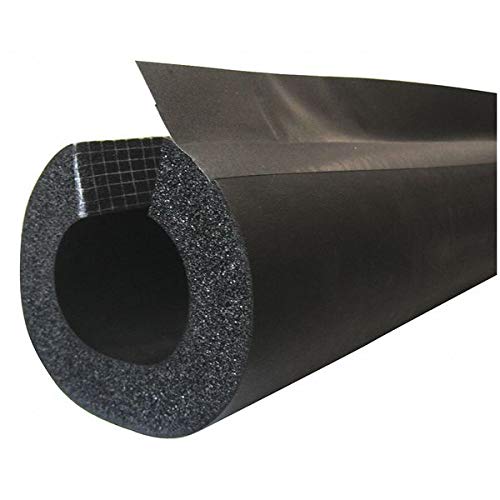
K-FLEX USA 3/4″ x 6 ft. Elastomeric Pipe Insulation

i frmmy Heavy Duty Backflow Insulation Cover

COVERTIFY 5-Layer HVAC Line Cover 72″ x 10.2″

DEMEDO 2″ x 16.5 ft. Pipe Insulation Tape

Srmayyi 12-Pack Foam Insulation Tubes 1.3 ft.

DEMEDO 3″ x 16.5 ft. Pipe Insulation Tape
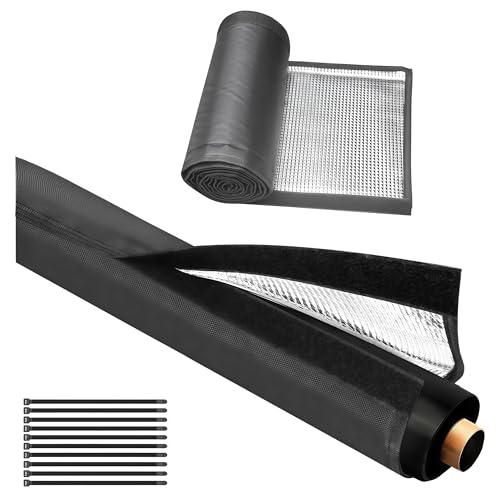
AXIFOUJ 5-Layer HVAC Line Wrap 78.7″ x 10″
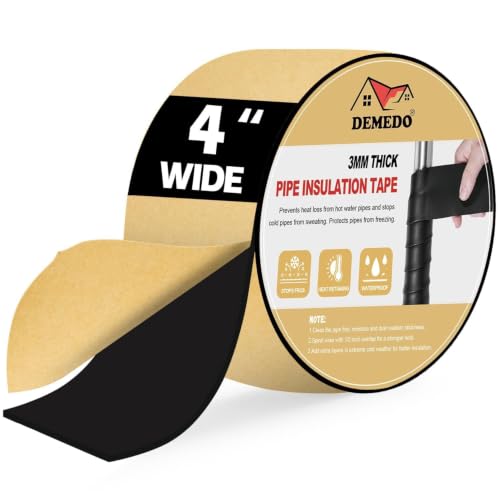
DEMEDO 4″ x 16.5 ft. Pipe Insulation Tape

Duck Brand Foam Pipe Covers 0.75″ x 1 ft. 6-Pack
Why These Options Stand Out
This Adamoss cover is shaped for the awkward backflow preventer sitting above grade by a well pump or sprinkler manifold, the spot most homeowners forget until a hard freeze cracks a brass body. It measures 14″ wide x 12″ high and uses a UV-coated Oxford cloth shell that shrugs off winter sun, sleet, and driving rain without flaking.
The interior is built around two insulation layers with an aluminum foil barrier between them, which is a typical approach for blocking radiant heat loss. Rated for temperatures down to 5°F, it suits northern basements and curb-side valves that see real cold. For most yards with exposed backflow assemblies, that rating lands right where you need it.
The Good Stuff
- Six-layer build with aluminum foil barrier traps heat effectively
- UV-coated Oxford shell resists sun damage and weather wear
- Pre-cut 14″ x 12″ footprint fits most residential backflow preventers
- Drawstring-style closure keeps the cover snug in high wind
- Lightweight enough to remove for valve testing each spring
Things To Consider
- Sizing runs small for large commercial assemblies over 14″ wide
- Foam layers compress over time, so seasonal fluffing helps maintain R-value
Whose Yard It Belongs In
Homeowners in zones 5 and colder with above-grade backflow preventers that need one-piece weather and freeze protection.
Skip It When
You need a more flexible elastomeric tube; the K-FLEX USA 3/4″ x 6 ft. Elastomeric Pipe Insulation slips over straight runs with cleaner finishing.
K-FLEX USA makes the elastomeric tube most HVAC techs reach for first, and this 3/4″ x 6 ft. sleeve carries that reputation into the homeowner market. Elastomeric foam is a closed-cell rubber that resists moisture absorption while flexing around fittings, which is why it shows up on refrigeration lines, hot water recirculation loops, and modest boiler piping.
At 0.25″ wall thickness, it tames condensation on cold lines and slows heat loss on hot ones without adding much bulk. For mechanical rooms where clean aesthetics matter, the smooth black surface looks tidy once sealed at the seams. You may find the pre-cut 6 ft. length ideal for short branch runs and trap insulation.
What It Does Well
- Closed-cell foam resists moisture, mold, and vapor drive
- Flexible tube slips over pipes and curves with minimal cutting
- 0.25″ wall thickness balances R-value with slim profile
- Wide temperature range suits both chilled and hot lines
- Compatible with standard contact adhesive for clean seam seals
Worth Noting
- Outdoor UV exposure breaks down unprotected rubber over time
- 3/4″ ID fits small copper only; larger lines need a different size
Feature Snapshot
Made For
DIYers and pros insulating indoor HVAC, refrigeration, and small steam branch lines where a clean rubber sleeve beats a fabric wrap.
Reach For A Different Pick When
Your line set runs outdoors across a long exterior wall; the COVERTIFY 5-Layer HVAC Line Cover handles UV and weather exposure more confidently.
The i frmmy cover takes the same fabric-over-foam approach as the Adamoss entry but pushes the dimensions to 16″ wide x 20″ high, which makes it a better fit for commercial-grade backflow assemblies and odd-shaped valve clusters. Five layers stack an insulating felt, cotton, and aluminum foil between a tough Oxford shell and an inner liner, the same recipe used in premium outdoor gear.
Two hook-and-loop openings let you reach test cocks and drain ports without pulling the whole cover off in January. That’s a quiet quality-of-life upgrade if your municipality requires annual backflow certification. Depending on your valve layout, the wider footprint may swallow the whole manifold in one piece.
Real Benefits
- 16″ x 20″ dimensions accommodate larger commercial backflow bodies
- Two hook-and-loop openings expose test cocks without full removal
- Five-layer build offers solid thermal and moisture defense
- Black Oxford exterior holds up against UV and abrasion
- Reusable year after year with proper off-season storage
Honest Caveats
- Larger size may flap in wind without secure strapping to nearby pipe
- Hook-and-loop collects lint and debris over a single winter
The Right Fit
Property managers and homeowners with oversized backflow assemblies or commercial-grade irrigation valves that need oversized weather covers.
A Better Fit Elsewhere
Standard residential backflow preventers run smaller; the Adamoss Backflow Preventer Insulated Cover fits those tighter footprints without excess bulk.
COVERTIFY designs this wrap specifically for mini-split line sets, the refrigerant copper pair plus the condensate drain that runs from an outdoor compressor to the indoor head. Five layers stack 600D Oxford on the outside, soft pearl cotton in the middle, and aluminum foil near the pipe to bounce radiant heat back where it belongs.
At 72 inches long and 10.2 inches wide, it trims easily with scissors and an adjustable strap keeps the wrap snug once sized. For most DIYers, that flexibility saves a second trip back to the store for a slightly different length.
Well-Handled Touches
- Five-layer sandwich includes foil, cotton, and 600D Oxford
- 72″ length trims cleanly with household scissors
- Adjustable strap secures the wrap without extra tape
- Wide 10.2″ profile covers both copper lines and drain hose
- All-season rating handles summer heat gain and winter freeze
Points To Note
- Wrap style sits loosely around tight 90-degree bends
- Brown 600D color shows mildew in shaded damp locations
Quick Facts
Best Suited To
Homeowners running new mini-split line sets across exterior walls who want a tidy, weather-resistant wrap without hiring a pro.
Not Your Match When
Your run exceeds six feet; the AXIFOUJ 5-Layer HVAC Line Wrap stretches 78.7″ for longer exterior drops.
DEMEDO’s 2-inch tape solves a problem fabric covers can’t: tight elbows, valve bonnets, and irregular fittings where a rigid tube just won’t sit flat. Soft rubber foam wraps around contours and adheres to itself, building a continuous insulating skin without seams or zip ties.
A 16.5-foot roll reaches most residential branch circuits with leftover material for the next repair. The 2-inch width is the narrowest in this DEMEDO lineup, which makes it right for skinny supply lines and individual valve stems rather than main steam trunks.
The Value In It
- Self-adhesive backing sticks on contact with no extra tape
- Soft foam conforms to elbows, valves, and odd fittings
- 16.5 ft. length covers modest residential branch runs
- 2″ width targets narrow lines without overlap waste
- Cuts cleanly with household scissors for precise sizing
Small Caveats
- Narrow width means more wraps per inch of larger pipe
- Adhesive weakens on dusty pipes; wipe down before wrapping
Who Should Grab It
Homeowners patching short, irregular sections of pipework, especially around valves and transitions where tubes cannot seal cleanly.
Look Elsewhere When
You need a single-pass wrap on a 3/4″ main; the DEMEDO 3″ x 16.5 ft. Pipe Insulation Tape finishes in one revolution.
The Srmayyi kit lands as the value play: twelve self-adhesive foam tubes, 1.3 feet long each, plus a 6 ft. roll of aluminum foil seam tape and 50 black zip ties for securing joints. That total of 15.6 ft. of coverage suits a fixer-upper tackling several hose bibs, sprinkler valves, or short pipe stubs in one weekend.
The foam wraps cleanly around 0.8″ spigots and small supply stubs, the kind most homes leave exposed along the foundation. For most households running on a tight budget, this kit handles freeze prep without forcing a full-coverage purchase.
Advantages To Know
- Twelve tubes spread coverage across multiple fixtures
- Self-adhesive backing speeds installation
- Aluminum foil tape seals seams and joints cleanly
- Fifty zip ties included for extra fastening points
- Cuts to length for custom fitting on uneven runs
Factors To Consider
- Each tube only 1.3 ft. means more seams on longer runs
- Light foam compresses under repeated contact or impact
Perfect Match For
Renters and budget-focused homeowners insulating several small spigots and sprinkler valves without committing to a single large cover.
Swap It Out When
You want a single integrated foam sleeve on standard 3/4″ pipe; the Duck Brand Foam Pipe Covers delivers pre-slit tubes in 1 ft. lengths with self-sealing edges.
The 3-inch version of the DEMEDO tape walks the middle line in the lineup, broad enough to cover most residential supply and return lines in a single wrap without overlapping. The same self-adhesive rubber foam carries over, which is a closed-cell foam that resists moisture while flexing around standard plumbing shapes.
A 16.5-foot roll matches the average length of a basement branch circuit, so most installers get full coverage with one purchase. You may appreciate the slightly wider face on copper runs where one revolution feels more substantial than the narrower tape.
What Helps Most
- 3″ width covers standard 3/4″ pipe in a single wrap
- Self-adhesive backing eliminates extra tape or glue
- 16.5 ft. roll covers typical basement branch runs
- Closed-cell foam resists moisture and condensation
- Scissors-trimmable for precise length matching
A Few Limitations
- Adhesive loses grip below freezing during installation
- Single roll may run short for whole-home retrofits
Key Product Details
Who It Suits Best
Homeowners tackling one or two branch lines in a basement or crawlspace where a mid-width tape is the most efficient option.
Where Another Pick Suits Better
You’re insulating the outdoor AC line set specifically; the COVERTIFY 5-Layer HVAC Line Cover is engineered for exterior copper pairs.
AXIFOUJ stretches the same five-layer recipe used by COVERTIFY but extends the length to 78.7 inches, which is roughly six and a half feet. That extra six-plus inches matters on long exterior drops where two shorter wraps would leave a vulnerable seam midway down the wall.
The 10-inch width still covers a copper pair and condensate line, and the high-density layering locks in heat and cold against sunlight, extreme cold, and incidental physical damage. For multi-story installs where the line set climbs two floors, fewer seams mean fewer thermal bridges.
Strong Points
- 78.7″ length minimizes seams on long exterior drops
- Five-layer build adds moisture and thermal defense
- 10″ width wraps copper pair plus drain line together
- High-density layers resist sunlight and physical damage
- Trim-to-fit design adapts to shorter runs without waste
Potential Compromises
- Long single piece is harder to position on a ladder alone
- Bulkier than narrow tape for small patch repairs
Built With In Mind
Homeowners and installers running long, exposed line sets across multi-story exteriors where continuous coverage is the priority.
Consider Something Else When
Your line set only crosses a short wall section; the COVERTIFY 5-Layer HVAC Line Cover handles a 72-inch run with less material overhang.
The widest DEMEDO tape in the trio, this 4-inch roll targets larger diameter pipes where narrower wraps would require two revolutions and create overlap seams. Soft rubber foam still bends around standard fittings, and the self-adhesive backing sticks without separate glue.
A 16.5-foot roll covers a substantial run before you need a second purchase. Depending on your pipe diameter, a single wrap may finally give the coverage depth that narrow tapes cannot match on 1-1/4″ or larger lines.
What Stands Out
- 4″ width wraps larger pipes in a single revolution
- Self-adhesive backing applies without extra fasteners
- Soft foam conforms to standard fittings and curves
- 16.5 ft. length suits long branch or main runs
- Scissors-trimmable for accurate length matching
Possible Drawbacks
- Bulkier roll is less handy for tight crawlspace work
- Wasted overlap on smaller 3/4″ pipe
Spec Overview
Right Fit For
Homeowners with 1-1/4″ or larger pipe runs in basements, utility rooms, or light commercial mechanical spaces.
Not Your Match When
You only need to wrap a few spigots; the Srmayyi 12-Pack Foam Insulation Tubes handles multiple small fixtures at lower total cost.
Duck Brand foam tubes are the classic DIY pick: pre-slit along the length, peel back the seam, slip over the pipe, and press the self-sealing adhesive edge closed. Six 1-foot sticks add up to 6 ft. of coverage, which suits short exposed runs under sinks, along basement ceilings, and at the water heater.
The 0.75-inch ID matches standard 3/4″ copper and PEX, the workhorse size in most homes. For first-time installers, the no-tools approach removes the intimidation factor from insulating hot and cold water lines.
Benefits That Matter
- Pre-slit design slides over pipes without disconnection
- Self-sealing adhesive edge closes without extra tape
- Six-pack covers 6 ft. of standard 3/4″ piping
- Works on both hot and cold water lines
- Prevents summer pipe sweating on chilled lines
Things To Weigh
- Indoor foam breaks down under direct sunlight
- 0.75″ ID skips 1″ or larger pipe diameters
Who Will Love This
First-time DIYers wrapping accessible indoor water lines in a basement, crawlspace, or utility closet without special tools.
Consider Something Else When
You need outdoor-grade protection; the Adamoss Backflow Preventer Insulated Cover handles weather exposure year-round.
Choosing Pipe Insulation That Actually Performs
R-value tells you how well a material resists heat flow, but for residential steam and hot water lines the practical question is simpler: does this cover slow heat loss enough to keep the pipe above freezing, and does it survive the environment it lives in? Match the cover to the location first, then the pipe size.
Indoor branches and basement ceilings do well with closed-cell elastomeric foam (rubber-based insulation with no connected air pockets) or pre-slit polyethylene tubes. These resist moisture, install cleanly, and stay out of the way. Outdoor or unconditioned spaces need a weather shell, ideally a layered fabric over foam and foil to block wind, sun, and driven rain.
Pay attention to the inner diameter. A 3/4″ copper line, the most common residential size, needs an insulation ID that slips over without forcing. Undersized tubes compress the foam and reduce performance, while oversized tubes leave air gaps that defeat the whole purpose.
For long exterior line sets, prioritize continuous length over individual layer thickness. Every seam is a thermal bridge where heat escapes, so a single 78-inch wrap outranks two 36-inch pieces butted together. Where multiple joints are unavoidable, seal them with foil tape matched to the insulation facing.
Finally, think about service access. Backflow preventers and shutoff valves need occasional testing, so a cover with hook-and-loop openings, like the i frmmy, beats a permanently sealed wrap that forces full removal at every inspection.
Key Considerations Across These Picks
Where Shoppers Go Wrong
Most people size insulation to the pipe diameter and stop there, but environment matters just as much. A 3/4″ foam tube that works perfectly in a basement will crumble on an exterior wall after one UV-heavy summer. Likewise, a fabric cover rated to 5°F sounds impressive until you realize it is sized for a backflow preventer, not a straight pipe run. Measure the assembly you are wrapping, then check the rated temperature and weather tolerance, before matching the product to the job.
Why Top Tier Costs More
Premium covers stack more layers: Oxford cloth on the outside, foil in the middle, foam throughout, plus UV coatings and reinforced stitching. Each layer adds material cost and assembly time, which shows up on the listing. The honest read is that you pay for redundancy. A single foam layer fails when one element breaks, while a five-layer system keeps insulating even if the outer shell wears through. For indoor lines with light exposure, basic foam is plenty. For exterior pipes and backflow preventers that see real weather, the layered construction earns its keep over multiple winters of repeated freeze-thaw cycles.
Frequently Asked Questions
How thick should steam pipe insulation be?
For residential steam lines, 0.5 to 1 inch of insulation is a common range. Indoor branch lines in heated spaces can run thinner, while exterior or unconditioned locations benefit from thicker layered wraps.
Can pipe insulation touch the boiler or steam pipe directly?
Yes. Most foam and elastomeric covers are designed for direct contact with hot pipes. Leave a small air gap only where the manufacturer specifically calls for one, typically behind reflective foil facings in tight enclosures.
Do I need to insulate indoor steam pipes?
Insulating indoor steam lines reduces heat loss into the basement, keeps pipe surfaces safer to touch, and helps the system deliver usable heat at the radiators. Even short uninsulated runs add up to noticeable efficiency loss.
Will foam pipe insulation prevent freezing?
Foam insulation slows heat loss enough to keep pipes above freezing in many conditions, but it does not generate heat. In extreme cold or for pipes that sit idle, pairing insulation with a UL-listed heat trace cable delivers real freeze protection.
How long does outdoor pipe insulation last?
UV-rated fabric covers commonly last three to five winters before the outer shell shows wear. Indoor foam tubes can last much longer since they avoid sunlight and physical damage.
Closing Remarks
Steam pipe insulation is one of those quiet upgrades that pays back in lower fuel use, fewer freeze emergencies, and warmer mechanical rooms. Pick a cover that matches your pipe size and environment first, then worry about layers and extras. The right choice is the one that survives your specific weather and stays sealed where it counts.
