

When the sky opens up and your downspouts turn into waterfalls, the right underground drainage setup decides whether your lawn survives or your basement takes on water. Most homeowners ignore the buried half of a gutter system until a soggy patch or a flooded flower bed forces the conversation. This list focuses on the parts you actually install at ground level: grates that keep debris out, basins that collect runoff, emitters that release it where you want, and guards that stop leaves before they ever reach the pipe. Pick based on your pipe size, the kind of debris your yard produces, and where the water needs to go.
The Essentials At A Glance

Calvana 4″ Plastic Round Drainage Grate Cover (2 Pack, Green)

Calvana 12″ Catch Basin Drain Grate (2 Pack, Black)
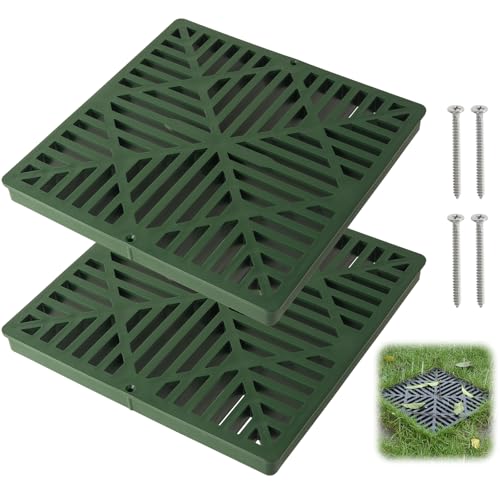
Calvana 12″ Catch Basin Drain Grate (2 Pack, Green)

VEVOR 5″ Aluminum Gutter Guard (52 ft)

Calvana 6″ Round Drain Grate (4 Pack, Green)

Calvana Pop-Up Drain Emitter (2 Pack, Green)

Calvana 3″ Round Atrium Drain Grate (3 Pack, Green)

Calvana 4″ Round Atrium Drain Grate (3 Pack, Black)

Calvana 4″ Round Atrium Drain Grate (3 Pack, Green)

French Drain Man Leaf Filter and Downspout Cleanout
More On The Choices That Made The List
Round grates are the unsung workhorses of residential drainage, and this two-pack from Calvana sits squarely in that role. Each cover drops onto a 4-inch pipe and acts as a debris filter, stopping leaves and twigs from washing into the line during heavy rain. The green finish blends into lawns without calling attention to itself, which matters more than people expect once you have a cluster of drainage hardware scattered across the yard.
For most homeowners replacing a single cracked or missing grate, this kind of simple, UV-resistant plastic cover is plenty. Compared with the heavier catch basin grates further down the list, the round profile here trades structural heft for low cost and quick installation.
Useful Strengths
- Fits common 4-inch sewer, drain, single-wall corrugated, and triple-wall pipe types, which covers the majority of residential runs.
- Green color helps the cover disappear into turf, mulch, or garden beds rather than looking like a plastic plate on the lawn.
- Two-pack format keeps a spare on hand for the inevitable cracked cover from a freeze-thaw cycle or a careless lawnmower pass.
- UV-stabilized polypropylene resists the cracking and fading that plagues bargain-bin grates after one summer in the sun.
Worth Noting
- Not designed for vehicle traffic, so walkways only, not driveway lanes.
- Smaller surface area means it can clog faster than a basin grate in heavy leaf-drop yards, especially under a downspout outlet.
Who It Suits Best
Homeowners with existing 4-inch drain lines who want a quick, inexpensive grate replacement for low-traffic lawn and patio inlets.
Consider Something Else When
The Calvana 12″ Catch Basin Drain Grate is the better pick when runoff concentrates at a single low spot and you need a wider debris-catching surface.
Square catch basin grates pull double duty: they collect water across a larger footprint and they hold up under foot traffic. Calvana’s 12-inch version is built around a polyethylene body that has been reinforced with fiberglass, which raises the structural ceiling compared with plain plastic covers. The black color fades into driveway and patio surfaces, and the square profile aligns cleanly with poured concrete or paver edges.
Where the round grates handle single-pipe outlets, this is the cover you reach for when water arrives from a channel drain, a low corner of the yard, or a wide hardscape. Compared with the 4-inch round option above, you trade visual minimalism for real capacity.
Where It Excels
- Fiberglass-reinforced polyethylene resists warping under load better than standard plastic grates in the same price range.
- 12-inch square footprint catches sheet flow from patios and driveways that would overwhelm a smaller round grate.
- Sits flush on standard 12-inch basins, risers, and low-profile adapters, so you do not have to retrofit a niche part.
- Black finish hides tire marks, dirt, and mildew that show instantly on lighter-colored grates.
Trade Offs
- Not rated for full-size vehicle loads, so avoid placing it where a truck wheel sits regularly.
- Larger surface area also means more debris to clear when leaves accumulate after a storm.
Key Product Details
Made For
Homeowners with an existing 12-inch catch basin who need a stronger replacement grate that can stand up to foot traffic and patio runoff.
Look Elsewhere When
The Calvana 4″ Round Drainage Grate Cover is the better match for narrow trench lines or single-pipe outlets that do not need a basin footprint.
Same basin grate, different finish. Calvana’s green version of the 12-inch cover is aimed at landscaped areas where the grate sits in plain sight among grass or groundcover. The green tone softens the look of the hardware and keeps the eye on the plantings instead of on a dark square in the lawn. Underneath the color, you get the same fiberglass-reinforced polyethylene build as the black sibling above.
For most yards where the basin lives in a planting bed or grass strip rather than on a driveway, the green option is the more thoughtful visual fit. It carries the same load-handling characteristics as the black version, which makes the choice purely cosmetic and location-driven.
A Few Highlights
- Green hue reads as landscaping rather than infrastructure, helpful in visible front-yard basins.
- Fiberglass reinforcement holds shape underfoot even when the surrounding soil settles slightly.
- Two-pack format makes it easy to cover both ends of a drain run or keep a matching spare.
Points To Note
- Color can fade over years of UV exposure, though the structural integrity holds up.
- Green against bright green turf still casts a faint shadow line that observant neighbors may notice.
Right Fit For
Homeowners who want a heavy-duty 12-inch basin grate that visually disappears into lawn or garden settings.
Swap It Out When
The Calvana 12″ Catch Basin Drain Grate in black is a cleaner look for driveway and patio installations.
Gutter guards sit at the start of the underground drainage chain, and VEVOR’s aluminum set covers 52 linear feet across 13 panels. Each panel is 48 inches long and 5 inches wide, formed from thin-gauge aluminum with a perforated surface that blocks leaves while letting water through. The pieces screw into the gutter lip using the included hardware, and the aluminum construction handles weather without rusting.
This is the right pick for homeowners whose real problem is leaves falling into the gutter before water ever reaches the downspout. Without the guard, the underground system has to handle every twig and seed that washes down, which is hard on grates and emitters alike.
Reasons It Performs
- 52 feet of coverage handles a typical single-story home’s full gutter run without piecing together random scraps.
- Aluminum body shrugs off rust and UV damage, so the panels stay structurally sound for many seasons.
- Perforated holes around 0.157 inches block most leaves and roof grit while passing heavy rain.
- Includes hex tapping screws and bushings, which removes the guesswork of matching hardware at the hardware store.
Factors To Consider
- Thin aluminum can bend underfoot or when a ladder leans into the gutter, so handle carefully during installation.
- Open-hole design can let pine needles and small debris pass through, which may still load up the underground side.
Spec Snapshot
Who Will Love This
Homeowners with mature trees over the roof who want to cut down on the debris flowing into their underground drainage lines.
Another Choice May Suit
The French Drain Man Leaf Filter is the smarter play when your main clog point is at the downspout rather than along the gutter run.
The 6-inch round grate sits between the 4-inch covers and the wide basin grates, and Calvana ships four of them per pack. The molded plastic body carries a small percentage of fiberglass for additional stiffness, and the rim sits over standard 6-inch outdoor drain pipes. With four units in the box, this is the kind of kit you grab when more than one inlet needs attention.
For homeowners planning a multi-zone project, the four-pack math works out better than buying singles. Compared with the 4-inch option reviewed earlier, you get a wider debris field without jumping all the way to a 12-inch basin footprint.
Useful Highlights
- Four-pack pricing makes it the practical choice when several inlets need refreshing at once.
- Wider 6-inch opening handles more surface flow than the 4-inch round version in the same yard.
- Fiberglass reinforcement keeps the grate from flexing when stepped on during yard work.
Some Limits To Know
- Green color may not match mulch or stone beds as cleanly as a black or gray grate.
- Plastic construction, even reinforced, will not survive a wheel load from a parked car.
Best Suited To
Homeowners tackling multiple 6-inch drain inlets in a single project who want a uniform look across the yard.
Reach For A Different Pick When
The Calvana 12″ Catch Basin Drain Grate is the better answer when you need a basin-grade surface for heavy runoff zones.
Every underground drainage run has to end somewhere, and the pop-up emitter is the polite way to do it. Calvana’s replacement cap is built as a 420C-compatible part that fits standard 3-inch and 4-inch sewer and drain lines. The cap sits flush with the lawn until water pressure pushes it up about an inch, then closes itself as flow drops. You get a tidy release point instead of an open pipe shooting water across the yard.
For most suburban lots, the emitter is what connects the buried pipe network to a safe discharge zone. Compared with grates that sit at the inlet, this one lives at the outlet, and skipping it leaves the system incomplete.
The Practical Payoff
- Pop-up action keeps the discharge opening closed when not in use, which limits debris and critter entry into the line.
- Works with 3-inch and 4-inch pipe, so it slots into most residential underground drainage layouts.
- Two-pack lets you terminate two separate runs or keep a spare cap on hand for a future repair.
- Compatible with catch basins and channel drain systems, giving you flexibility on the upstream side.
Where It May Fall Short
- Requires decent water pressure to lift the cap fully, so very low-flow trickle drainage may not trigger it reliably.
- The spring mechanism can wear out over many seasons and may need replacement before the pipe itself does.
Perfect Match For
Homeowners finishing a buried drain run who want a clean, lawn-level release point instead of an exposed pipe end.
A Better Fit Elsewhere
The Calvana 4″ Plastic Round Drainage Grate Cover makes more sense when you need to cover an inlet rather than cap an outlet.
Atrium grates look like little domes rather than flat plates, which gives them a wider opening for water while still blocking leaves. Calvana’s 3-inch round version is built for small lawns, tight landscape beds, and patio edges where a full basin would be overkill. The polyethylene body has been treated for UV and weather resistance, with added reinforcement to stiffen the dome shape.
The NDS 78A compatibility is a quiet plus if your system already uses that fitting family. You drop it onto a belled-end 3-inch PVC and the shape does the rest.
Real-World Strengths
- Domed atrium profile pulls water in from the sides as well as the top, which helps in shallow pooling spots.
- UV-treated polyethylene resists the cracking that hits cheap plastic grates after one bad winter.
- Three-pack format suits a small yard with multiple low points that all need the same treatment.
Points To Keep In Mind
- Requires a belled-end PVC fitting for a proper seat, so existing flush-end pipes may need an adapter.
- Smaller dome catches less debris before flow starts bypassing the grate in heavy storms.
Who Should Grab It
Homeowners with modest yard drainage needs who want a discreet dome grate that blends into planting beds.
Where A Sibling Pick Shines
The Calvana 4″ Round Atrium Drain Grate handles larger flow volumes on the same family of fittings.
The 4-inch atrium grate is the workhorse of the dome-style family, and the black three-pack from Calvana handles typical residential inlets without drama. The body uses UV-stabilized polyethylene with extra reinforcement to keep the dome shape intact underfoot, and the design slips over standard 4-inch sewer and drain fittings, including SDR 35, triple wall, and corrugated pipe.
For homeowners who want one grate format across the entire yard, this black dome is easy to spec. It disappears against dark mulch or stone and resists the mildew streaks that show up on lighter colors in damp climates.
Strong Points
- Drop-in installation over belled-end PVC means no special tools or extra brackets.
- Compatible with multiple pipe standards, so you are not locked into one manufacturer’s fittings.
- Black finish masks algae and dirt streaks that develop in shaded, wet conditions.
Honest Caveats
- Atrium shape rises slightly above grade, which can catch a lawnmower blade if you mow right up to the grate.
- Reinforced plastic is tougher than basic plastic but still no substitute for cast iron in driveways.
Built With In Mind
Homeowners with standard 4-inch PVC drainage who want a discreet, easy-to-install dome grate that lasts through several seasons.
Skip It When
The VEVOR Aluminum Gutter Guard is the smarter investment when your real problem is debris entering the gutter upstream of any grate.
Same 4-inch atrium profile, same UV-treated polyethylene body, but finished in green to blend into turf and garden settings. This three-pack from Calvana targets homeowners who care about visual consistency between the grate and the surrounding landscape. It shares the same NDS 78A compatibility as the black version, so installation follows the same pattern.
Compared with the black sibling, this is purely a color-driven choice. The honest read is that you pick the finish that disappears best in your yard and stop overthinking the rest.
Notable Upsides
- Green tone reads as landscape rather than hardware in visible front-yard installations.
- Three-pack covers multiple inlets in one purchase, useful for new builds or full-yard refreshes.
- Familiar dome shape collects water from a wider angle than a flat grate in shallow depressions.
Things To Consider
- Color can lighten unevenly in full sun, so you may notice patchy fading after several seasons.
- Still needs a belled-end fitting to seat properly, just like the rest of the atrium family.
The Right Fit
Homeowners installing grates in visible lawn or garden beds who want the hardware to disappear into the greenery.
Where A Sibling Pick Shines
The Calvana 4″ Round Atrium Drain Grate in black is the cleaner call for shaded or hardscape settings where dark finishes read better.
The transition from downspout to underground pipe is where many drainage systems quietly fail. The French Drain Man Leaf Filter combines a leaf-catching screen with a cleanout port in a single housing that drops onto a 3 x 4 downspout. The removable screen lifts out for rinsing, and the body routes water smoothly into the buried line without splashing against the foundation.
For homeowners whose real pain point is the downspout-to-drain handoff, this kind of all-in-one adapter solves it without buying separate filter, diverter, and extension parts. It also acts as the first line of defense before water reaches any of the grates further down the line.
What Earns Its Place
- Combines leaf filter and cleanout access in one unit, simplifying the downspout transition.
- Removable screen makes seasonal rinsing quick, with no disassembly of the gutter required.
- Vent design reduces splashing at the discharge point, which protects siding and foundation edges.
- Fits common 3 x 4 downspout profiles, which covers most newer residential gutter systems.
What To Weigh
- Screen still needs periodic cleaning during heavy leaf fall, which is a real chore in tall-canopy yards.
- Limited to specific downspout dimensions, so older 2 x 3 systems will not accept it directly.
Feature Card
Whose Shelf It Belongs On
Homeowners tired of clogged downspout-to-drain connections who want one part that filters and accesses the line in a single install.
Not Your Match When
The Calvana Pop-Up Drain Emitter is the better fit when you need a discharge point at the far end of the run rather than at the downspout itself.
Matching Drainage Parts To Your Yard Layout
A working underground gutter drainage system has three job sites: the inlet where water enters the pipe, the run where it travels, and the outlet where it discharges. Each pick above targets one of those sites, and the right combination depends on what your yard already has in place.
Start by measuring the existing pipe. Residential systems typically use 3-inch or 4-inch pipe for downspout tie-ins, with 6-inch runs reserved for catch basin laterals. Picking a grate that does not match the pipe diameter is the fastest way to buy the wrong part. SDR 35, triple wall, and single-wall corrugated each have slightly different outer dimensions, and a grate that fits one may sit loose on another.
Next, think about where leaves enter the system. If you have overhanging trees, a gutter guard at the roof line plus a leaf filter at the downspout dramatically cuts the debris load on the underground grates. For open lawn inlets that collect sheet flow rather than downspout water, a basin grate with a wide footprint handles more volume with less clogging.
Finally, plan the discharge point before you buy grates. A pop-up emitter at the curb, a dry well, or a daylight outlet at a slope each call for different end fittings. Building the system from the outlet back toward the house prevents the common frustration of finishing the inlet only to realize the outlet needs a different fitting family.
Pitfalls And Upgrades In Underground Drainage
Where Shoppers Go Wrong
The most common mistake is matching grate size to the visible hole rather than the actual pipe outer diameter. A 4-inch grate sounds right for a 4-inch pipe, but SDR 35 and corrugated pipe have different outer dimensions, and the wrong fit either rattles loose or will not seat at all.
Another trap is treating the gutter guard as optional. Skipping it means every roof leaf eventually reaches the underground grates, where cleaning is far more annoying than brushing off a guard panel on a ladder.
Where The Extra Money Goes
Higher-tier grates earn their keep through fiberglass reinforcement and tighter UV stabilization. That translates to grates that keep their shape after years of freeze-thaw cycles rather than warping into an oval that lets debris slip past the edge. For visible front-yard basins and any grate within reach of foot traffic, the upgrade pays back in fewer replacements and cleaner water flow.
Frequently Asked Questions
How deep should underground gutter drainage pipes be buried?
Most residential runs sit between 12 and 24 inches deep, depending on frost line and local code. Going deeper adds excavation cost without improving flow, while shallower burial risks crushing under foot traffic or freezing solid in cold climates.
Can I connect a 3-inch and 4-inch drain pipe in the same run?
Yes, using a reducer coupling at the transition point. Just match the pipe standards on each side of the coupling, since SDR 35 and corrugated pipe need different rubber gaskets to seal properly.
How often should underground drainage grates be cleaned?
Twice a year covers most yards, with one cleaning after spring leaf drop and another after fall. In heavy-canopy properties, monthly checks during peak leaf season prevent the slow buildup that turns into a clogged pipe.
Do I need a permit to install underground gutter drainage?
Many municipalities require permits for any new drain line that daylights into a storm sewer or alters grading near property lines. Check local code before digging, especially if the discharge point crosses a sidewalk or curb.
What’s the difference between a catch basin and a simple grate?
A catch basin is an underground box that collects water and feeds it into the pipe, while a grate is just the surface cover. Catch basins handle larger volumes and let sediment settle below the flow line, which extends pipe life but adds excavation depth.
Bottom Line
The right underground drainage parts come down to matching pipe size, debris load, and discharge style to your specific yard. Start at the outlet, work backward to the inlet, and pick grates and emitters that fit the pipe standard already in the ground. Done well, the system disappears into the landscape and your basement stays dry through the next big storm.
