

A wet basement is one of those quiet household headaches that turns into an expensive remodel fast, and the right pump is the first line of defense. This lineup covers permanently installed submersible units, portable utility pumps for emergency flooding, and a heavy-duty basin for new construction. Each pick below is matched to a specific basement situation, from gentle groundwater seepage to storm-driven surges that need serious flow.
How The Shortlist Stacks Up

WAYNE CDU800 1/2 HP Submersible Sump Pump
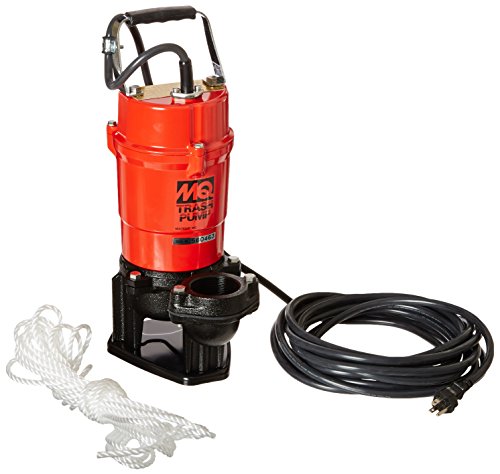
Multiquip ST2040T Electric Submersible Trash Pump 1 HP
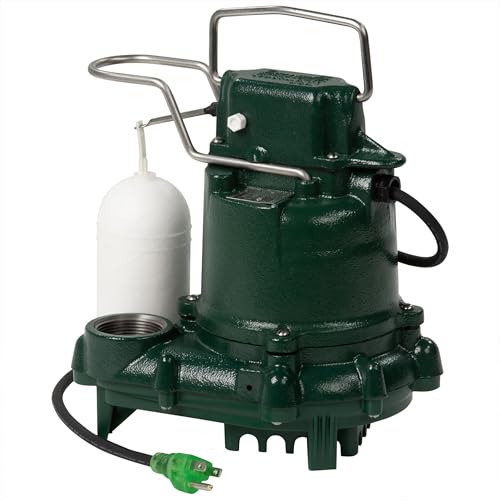
Zoeller M53 Mighty-mate Submersible Sump Pump 1/3 HP

Zoeller M98 Flow-Mate Sump Pump 1/2 HP
Submersible Sump Pump 1HP Portable 5000GPH
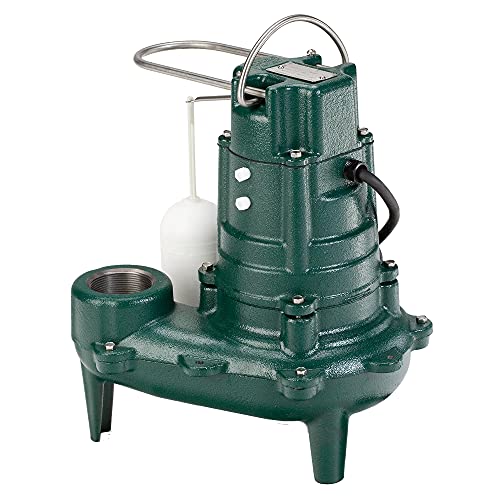
Zoeller Waste-Mate 267-0001 Sewage Pump 1/2 HP

Submersible Sump Pump 5000GPH Kit 1HP

Submersible Sump Pump 2500GPH Kit 1/2HP

JACKEL SF22A-DR Drilled Sump Basin 18 in. x 24 in.

Submersible Sump Pump 1/2HP Portable 2500GPH
A Deeper Look At The Lineup
The WAYNE CDU800 is the kind of pump that earns its reputation by simply showing up season after season. A 1/2 HP motor paired with a cast iron and corrosion-resistant steel housing gives it the heft you want for a permanent basement install, and a vertical float switch handles the on-off cycling automatically as groundwater rises. Rated to move up to 5,100 gallons per hour at zero lift, it has enough headroom to push water up and out of most residential basements without strain.
The top-suction intake design pulls water in from above the pump base, which reduces the sediment and grit that tends to settle at the bottom of older pits. Compared to the cast iron Zoeller options later in this list, the CDU800 feels slightly more approachable for first-time installers thanks to its lighter footprint and well-documented switch design. For homeowners replacing an aging pump or finishing out a new sump pit, this is the everyday choice that rarely disappoints.
Real-World Strengths
- Vertical float switch tested to one million cycles for long automatic service life.
- Cast iron and stainless steel housing resists corrosion in permanently wet sump pits.
- 5,100 GPH peak flow clears heavy spring thaw and storm surges quickly.
- Top-suction design limits sediment intake, helping the pump last longer between cleanings.
Things To Consider
- The float switch requires adequate pit diameter to swing freely without sticking.
- Some owners add a weep hole manually if their installation is prone to air lock.
Who It Suits Best
Homeowners with a standard residential sump pit who want a reliable, automatic pump without overthinking the install.
Where Another Pick Suits Better
For pits that need extra debris handling, the Multiquip ST2040T is a stronger fit.
The Multiquip ST2040T isn’t a quiet basement fixture; it’s a work-site tool that happens to be excellent at moving dirty water. A 1 HP single-phase motor drives an abrasion-resistant cast iron impeller with a neoprene rubber overlay, and the housing is built to shrug off the gravel, mud, and small debris that would jam a typical sump pump. With 2-inch suction and discharge ports, it can handle flows of roughly 79 GPM and pass solids up to about an inch across.
Where the WAYNE CDU800 excels at steady residential seepage, the ST2040T is the better answer when the water coming in is far from clean. Construction sites, flooded basements after a sewer backup, or any situation with silty, gritty inflow benefit from this pump’s trash-rated design. Internal thermal overload protection and dual shaft seals add real durability for the long, hot cycles that come with dewatering big messes.
Useful Touches
- Cast iron impeller with neoprene overlay resists wear from sand and grit.
- Passes up to 1-inch solids without clogging in muddy conditions.
- Internal thermal protection prevents motor burnout during long runs.
- Compact body with carrying handle for moving between job sites.
Trade Offs
- Lacks an automatic float switch, so manual monitoring is required during use.
- Heavier than residential submersibles and not intended as a permanent basement install.
- Industrial-grade pricing reflects commercial-duty construction.
Made For
Contractors, restoration crews, and homeowners dealing with sudden, debris-heavy flooding who need a pump that simply refuses to clog.
Skip It When
For hands-off automatic protection in a finished basement, the Zoeller M98 is a quieter, smarter choice.
The Zoeller M53 Mighty-mate has been a staple of basement drainage for years, and for good reason. A 1/3 HP motor paired with a non-clogging vortex impeller handles the kind of soft, persistent groundwater seepage that most basements deal with during a wet week. The cast iron switch case, motor housing, and pump body give it the kind of solid feel you want from something that lives at the bottom of a pit.
Where the WAYNE CDU800 pushes more raw flow, the M53 is the gentler, more measured choice for pits that don’t see flooding surges. It’s a particularly good match for older homes with smaller sump basins where a 1/2 HP pump would be overkill. A float-activated switch runs the cycle automatically, and Zoeller’s reputation for long-lasting mechanical components is well earned here.
Where It Delivers
- Vortex impeller design resists clogging from small debris and lint.
- All-cast-iron body holds up to years of submerged use.
- Float-activated automatic operation runs without supervision.
- Compact footprint fits snugly in tight residential sump pits.
Worth Noting
- Lower horsepower means slower recovery after a sudden inflow event.
- Plastic base may show wear over many years of install cycles.
Right Fit For
Homeowners with smaller pits and steady, light seepage who want a long-running pump they can install and forget about.
Not Your Match When
For higher-flow situations or active basements, the Zoeller M98 offers considerably more headroom.
The Zoeller M98 Flow-Mate is the pump you spec when you want one less thing to worry about. An oil-filled motor with cast iron housing dissipates heat far better than air-filled alternatives, which translates to longer motor life under continuous cycling. The integrated LED power plug lets you confirm at a glance that the unit is actually receiving current, a small detail that saves real headaches during a storm.
A snap-action float switch handles automatic operation, and the stainless steel hardware throughout resists the corrosion that tends to claim lesser pumps after a few wet seasons. Compared to the M53, the M98 pushes more water per cycle and tolerates heavier inflows from active basements. For homes with finished basements, a home office, or a workout room below grade, that extra flow capacity is genuinely reassuring.
What Works In Its Favor
- Oil-filled motor runs cooler and lasts longer under continuous cycling.
- LED power plug provides instant visual confirmation of electrical status.
- High-flow vortex impeller clears water quickly during heavy inflow.
- Stainless steel fasteners resist corrosion in permanently wet installations.
Points To Note
- Premium construction puts it at a higher tier than basic residential options.
- Float switch travel needs adequate pit clearance to cycle reliably.
Best Suited To
Homeowners with finished basements or persistent heavy seepage who want long-term durability and clear status feedback.
A Better Fit Elsewhere
For tighter budgets with similar flow needs, the WAYNE CDU800 covers much of the same ground at a more approachable price.
Portable utility pumps earn their keep the moment a sump pump fails or a storm pushes water where it shouldn’t be, and this 1 HP unit moves up to 5,000 gallons per hour. Built from high-impact, corrosion-resistant plastic, it stays light enough to deploy in a hurry without sacrificing the flow rate needed for serious water removal. The adjustable base switch is a clever touch, letting you toggle between high-flow and low-water modes on the fly.
Unlike the cast iron Zoeller units earlier in this list, this pump is positioned for emergency and project use rather than permanent installation. It pairs well with hot tubs, pools, ponds, garden ponds, or a flooded basement where you just need water gone fast. The plastic construction is durable for its class, though it’s not designed to sit submerged in a permanent sump pit year after year.
Practical Pluses
- 5,000 GPH flow handles emergencies faster than most residential sump pumps.
- Adjustable base switch toggles between high-flow and low-water mode.
- Lightweight plastic body makes it easy to deploy and store between uses.
Room For Improvement
- Not designed for permanent submerged installation in a sump pit.
- Lacks an automatic float switch, so it requires manual start and stop.
Who Should Grab It
Homeowners, pool owners, and hobbyists who want a portable emergency pump ready for sudden floods or seasonal water tasks.
Reach For A Different Pick When
For a permanent, automatic basement install, the Zoeller M98 is the smarter long-term fit.
The Waste-Mate 267-0001 sits in its own category, and that’s exactly the point. Where the other picks on this list handle groundwater or pool-style water, this 1/2 HP automatic pump is engineered for sewage and effluent duty. It passes 2-inch spherical solids through a non-clogging vortex impeller, which is essential when you’re pumping anything beyond clean water. ASTM Class 25 cast iron gives the switch case, motor, and pump housing the structural heft needed for buried, permanent installation.
A two-pole mechanical float switch keeps operation automatic, so the pump engages when wastewater reaches the trigger level and shuts off once the basin empties. Basement bathrooms, basement wet bars, and laundry rooms installed below grade benefit from this kind of dedicated sewage handling. Compared to the M98, this unit is purpose-built for solids; the M98 is the better choice when solids aren’t part of the equation.
Key Advantages
- Passes 2-inch spherical solids without clogging the impeller.
- Heavy-duty cast iron construction built for permanent buried installation.
- Automatic float switch handles routine effluent cycling without attention.
- Suitable for both residential and light commercial sewage applications.
Honest Caveats
- Overkill if your basement only deals with clean groundwater seepage.
- Requires a sealed basin or sewage-rated pit for proper venting and odor control.
- Float switch travel needs sufficient clearance from basin walls.
Perfect Match For
Homeowners adding a basement bathroom, laundry room, or any below-grade space that generates solid-bearing wastewater.
Look Elsewhere When
For groundwater-only basements, the WAYNE CDU800 handles the job more economically.
This kit is essentially the 1 HP portable pump from earlier, bundled with a 25-foot, 1-1/2 inch discharge hose so you can deploy it the moment water shows up. The included hose saves the usual scramble to find a compatible fitting or run to the hardware store mid-storm. With up to 5,000 GPH on tap and a corrosion-resistant plastic body, it’s a turnkey emergency solution for renters and homeowners without a permanent sump pump.
The same adjustable base switch that made the bare 1 HP unit useful is here too, giving you control over how low the water drops before shutoff. Compared to the cast iron Zoeller M53, this kit trades permanent-install durability for portability and convenience. It’s the kind of gear you stash in a garage closet and forget about until the day you desperately need it.
Strengths Worth Knowing
- Comes with a 25-foot discharge hose for immediate deployment.
- 5,000 GPH flow rate handles rapid emergency water removal.
- Lightweight design stores compactly in a closet or garage corner.
- Adjustable base switch lets you control minimum water level.
Points To Keep In Mind
- Manual operation requires supervision during use.
- Plastic housing is less rugged than cast iron permanent pumps.
Who Will Love This
Renters and homeowners without permanent sump infrastructure who want a complete, ready-to-use emergency water removal kit.
Swap It Out When
For an automatic, set-and-forget basement installation, the Zoeller M98 is the better long-term answer.
The 1/2 HP portable kit is the gentler sibling of the 1 HP version, and it makes a lot of sense for shallow pits and lighter-duty jobs. Rated at 2,500 GPH, it moves water at roughly half the pace of its bigger brother, but it also draws less current and stays lighter in the hand. The included 25-foot hose and adjustable base switch carry over, so the deployment story is identical.
For homes with shallow sump pits, rain barrel overflow, or occasional flooding in a finished basement corner, this unit is often more pump than you actually need, in a good way. Compared to the WAYNE CDU800, this is a portable, on-demand tool rather than a permanent install. The plastic body and manual operation keep it firmly in the project-pump category.
What Makes Sense
- 2,500 GPH flow handles light flooding and shallow pit drainage.
- 25-foot discharge hose included for quick setup.
- Adjustable base switch controls how low the water drops.
- Lightweight build makes it easy to position in tight spots.
Small Caveats
- Lower flow means longer run times for serious flooding.
- Not designed for permanent, year-round sump installation.
Built With In Mind
Homeowners with shallow pits, light seepage, or seasonal projects who want a portable pump that handles modest flows.
Another Choice May Suit
For deeper pits or heavier inflow, the 1 HP portable kit covers the same use cases with more reserve.
The JACKEL SF22A-DR is the only item on this list that isn’t a pump at all, and that’s the point. A sump basin is the pit your pump lives in, and this 18-inch diameter, 24-inch tall structural foam unit is purpose-built for new installations. Heavy-duty injection-molded construction with a reinforced, non-flexing bottom keeps its shape under the weight of surrounding soil and concrete.
The pre-drilled version comes with 48 factory-cut 5/16-inch holes that allow groundwater to flow into the basin while keeping out larger debris. Non-corrosive, glass-filled nylon encapsulated inserts provide solid mounting points for any of the pumps covered earlier in this list. For new construction, basement finishing projects, or replacing a cracked old basin, this is the foundation that lets everything else work properly.
The Helpful Details
- Structural foam injection molding resists cracking and bottom flex.
- 48 factory-drilled 5/16-inch holes accept groundwater without clogging.
- Glass-filled nylon inserts provide durable mounting points for pumps.
- Single-piece molded construction eliminates weak seams.
Factors To Consider
- Larger 18-inch diameter requires careful planning around existing plumbing.
- Pre-drilled holes mean a vapor barrier may be needed for radon-prone areas.
The Right Fit
Builders and homeowners installing a brand-new sump system who need a reliable, pre-engineered basin to anchor everything else.
Consider Something Else When
For replacing only a failed pump in an existing pit, a basin isn’t part of the fix, and the Zoeller M98 is the better pick.
Rounding out the list is the standalone 1/2 HP portable pump, sold without the discharge hose kit. At 2,500 GPH, it hits the same flow tier as the kit version earlier, with the same corrosion-resistant plastic body and adjustable base switch. The trade-off is a slightly lower price if you already own a compatible hose or fitting, or if you primarily use the pump for tasks like draining a hot tub or pool.
The slide-to-switch intake level control is genuinely handy for spot-draining shallow puddles down to the last inch, which permanent sump pumps can’t reach. Compared to the cast iron Zoeller units, this is a budget-friendly project pump rather than an install-and-forget workhorse. It also pairs well with rain barrel overflow situations where you want water moved but not on a permanent cycle.
Strong Points
- Adjustable base switch toggles between high-flow and low-water modes.
- 2,500 GPH suits pools, hot tubs, and shallow flood response.
- Lightweight plastic build is easy to lift and reposition.
- Sliding switch lets you empty water nearly to the floor surface.
Softer Spots
- Manual start and stop means you must stay nearby during use.
- Plastic body is less durable than cast iron permanent options.
Whose Shelf It Belongs On
Homeowners, pool owners, and gardeners who want a flexible utility pump without paying for bundled hose accessories.
Where A Sibling Pick Shines
For a turnkey experience with hose included, the 1/2 HP kit version is the smoother all-in-one choice.
Choosing Sump Pumps That Match Your Basement
Start with the water itself. Clean groundwater seepage needs a different pump than silt-heavy floodwater or sewage with solids, and matching the pump type to the inflow makes the difference between a dry basement and a recurring headache. Submersible sump pumps handle the everyday case, sewage-rated pumps like the Zoeller Waste-Mate handle solid waste, and trash pumps like the Multiquip handle the dirtiest jobs.
Sizing The Pump To The Pit
Pump capacity is rated in gallons per hour at zero lift, and real-world performance drops as the discharge height rises. A basement with a shallow sump and a nearby outside discharge line gets more usable flow from a given pump than a deep pit pushing water 15 feet up and 50 feet out. The GPH numbers on this list are peak values; assume you’ll see roughly 30 to 50 percent of that at typical residential lift heights.
Float Switch And Automatic Operation
A float switch is a buoyant mechanism that triggers the pump when water reaches a set level and shuts it off once the basin drains. Vertical and tethered floats are the two common styles. Vertical floats, like the one on the WAYNE CDU800, need less pit space but require clearance around the switch to swing freely. Tethered floats need a wider basin but offer more adjustable trigger heights, and snap-action switches offer very precise on-off control.
Permanent Install Vs Portable Use
Permanent submersibles live in a sump pit and run automatically year after year. Portable utility pumps are stored until needed, then dropped into standing water for emergency removal. Many homeowners benefit from owning both: a permanent pump for daily protection and a portable pump as backup when storms overwhelm the system or the primary pump fails.
Build Materials And Longevity
Cast iron housings and stainless steel hardware resist corrosion far better than plastic bodies in permanent installations. For pumps that sit submerged for years, that material choice matters more than peak horsepower. Oil-filled motors, like the one in the Zoeller M98, also dissipate heat better than air-filled designs, which extends motor life under heavy cycling.
Key Considerations Across These Picks
Where Shoppers Go Wrong
The most common slip-up is buying a pump based on peak GPH without considering total dynamic head, which is the combined lift height and pipe friction the pump has to push against. A pump rated at 5,000 GPH at zero lift might deliver 2,500 GPH or less once you account for a 10-foot rise and 30 feet of horizontal pipe. Another mistake is ignoring the float switch clearance and ending up with a pump that sticks on or fails to trigger because the basin is too narrow.
What The Higher Tier Buys
Premium pumps like the Zoeller M98 add oil-filled motors, LED power diagnostics, stainless hardware, and tighter machining tolerances. Those features translate to cooler operation under heavy cycling, clearer status feedback, and longer service life in permanently wet pits. For finished basements with expensive furnishings, the upgrade often pays for itself through avoided damage and longer replacement intervals.
Frequently Asked Questions
How Many Gallons Per Hour Does A Basement Sump Pump Need?
Most residential basements run well on pumps delivering 2,500 to 5,000 GPH at zero lift. The exact number depends on your inflow rate, basin size, and discharge head, so larger pits or homes with high water tables benefit from pumps on the higher end of that range.
Can One Sump Pump Handle Sewage And Groundwater?
No, and this matters more than people expect. A standard sump pump is designed for relatively clean water and will clog on solids common in sewage. For basement bathrooms or laundry rooms, a sewage-rated pump like the Zoeller Waste-Mate is the appropriate choice.
How Often Should A Sump Pump Be Replaced?
Most quality submersible sump pumps last 7 to 10 years with normal use, though heavy cycling or poor water quality shortens that window. Testing the pump quarterly by pouring water into the pit and confirming automatic operation is the easiest way to catch problems before a storm exposes them.
Is A Higher Horsepower Pump Always Better?
Not necessarily. A pump that is too large for the pit can short-cycle, which means turning on and off rapidly as the water level rises and falls, and that cycling wears out the switch and motor faster. Match the pump to your inflow rate and pit size rather than chasing the highest horsepower available.
Do Portable Utility Pumps Work As Permanent Sump Pumps?
Portable utility pumps are not designed for permanent submerged installation. Their plastic housings, manual operation, and lack of automatic float switches make them better suited to emergency or project use. For permanent protection, choose a cast iron submersible with an automatic float switch.
Closing Remarks
A dry basement comes down to matching the right pump to the water you actually deal with, and the lineup above covers everything from quiet residential seepage to debris-heavy floodwater and sewage handling. If your basement has a permanent sump pit, start with a cast iron submersible that fits your pit size and inflow rate. If you’re a renter or homeowner without existing infrastructure, a portable kit gives you fast emergency protection without any installation. Either way, the right pump turns a stressful storm into a quiet one.
