

A sump pump is one of those products you don’t think about until you really need it. The right one keeps a finished basement dry through spring snowmelt, pulls water out of a flooded utility room, or handles a construction-site puddle before it turns into a bigger problem. Choosing well means matching flow rate (how many gallons per hour the pump moves), head height (the vertical distance water must travel upward), solids handling, and switch type to the job at hand. This roundup walks through ten submersible sump pumps across residential, heavy-duty, and portable categories so you can pick the right tool without overspending on capacity you’ll never use.
The Main Contenders

WAYNE CDU800 1/2 HP Submersible Sump Pump (Cast Iron)
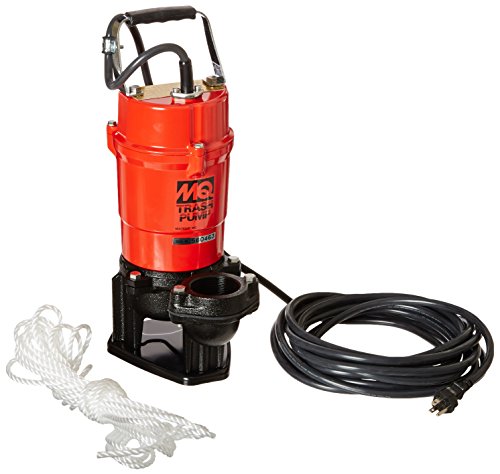
Multiquip ST2040T Submersible Trash Pump (1 HP)
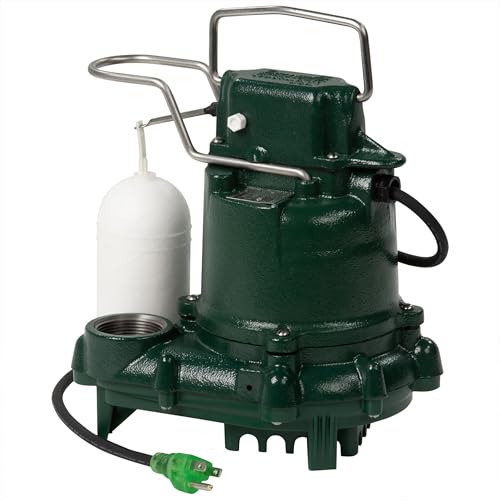
Zoeller M53 Mighty-mate Submersible Sump Pump (1/3 HP)

Zoeller M98 Flow-Mate Sump Pump (1/2 HP, 115V)

Tsurumi Pump LB-480 Submersible Dewatering Pump (2/3 HP)
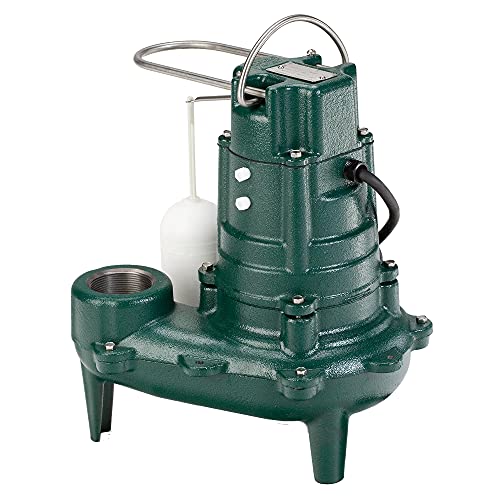
Zoeller Waste-Mate 267-0001 Sewage Pump (1/2 HP)

AQUASTRONG 1 HP Sump Pump (4500 GPH)

Aquastrong 1/2 HP Portable Utility Pump (3159 GPH)
Aquastrong 1/2 HP Utility Pump with Float Switch

Aquastrong 1/2 HP Automatic Sump Pump (3159 GPH)
Meet The Standout Selections
The CDU800 sits at the top of the list because it covers most residential flooding scenarios without needing a bigger pump. Its 1/2 horsepower motor moves up to 5,100 gallons per hour, which translates to clearing a standard 18-inch sump basin faster than the smaller picks later in this roundup. The cast iron and stainless steel housing shrugs off the corrosive environment that eats lesser pumps over time.
A vertical float switch handles the on-off cycling automatically, so once you set the float height at installation, you can walk away. The top-suction intake design pulls water from above the inlet rather than the floor, which cuts down on the small stones and grit that typically jam impellers (the spinning blades that move water through the pump). In a finished basement, that’s the kind of low-maintenance behavior that actually pays off over years of seasonal use.
The Good Stuff
- 5,100 GPH output handles heavy inflow from spring melt and summer storms.
- Top-suction design reduces clogging without drilling a weep hole (a small air-release hole some pumps need).
- Cast iron body holds up to constant submersion better than thermoplastic alternatives.
- Vertical float tested to a million cycles for long-term automatic operation.
- 3-year warranty signals confidence in the internal components.
Things To Consider
- Larger footprint than compact 1/3 HP picks, so it won’t squeeze into very tight sump pits.
- Cast iron adds weight, which makes one-person installation a bit awkward.
- Not designed for sewage or solids beyond light debris.
Quick Facts
Made For
Homeowners with mid-size basements who deal with seasonal flooding and want a durable, set-and-forget primary pump.
Skip It When
Your sump pit is unusually narrow or shallow; in that case the Zoeller M53 Mighty-mate fits where the CDU800 won’t.
The Multiquip ST2040T is not your typical basement sump pump. It’s a trash pump built for water that comes with sticks, mud, and small stones mixed in, the kind of dirty work found on construction sites, excavation projects, or flood cleanup where the water isn’t clean. The 1 horsepower single-phase motor moves 79 gallons per minute through a 2-inch discharge.
The cast iron housing and cast iron impeller with a Neoprene rubber overlay give this pump the abrasion resistance that matters when you’re pumping gritty water hour after hour. It includes internal thermal overload protection and dual shaft seals (the mechanical barriers that keep water from leaking into the motor along the shaft), so a long day of continuous duty doesn’t cook the windings. For a homeowner, this is overkill. For a contractor or anyone dealing with muddy water, it’s the right tool.
Standout Benefits
- Passes up to 1-inch solids, making it usable on dirty job-site water.
- Neoprene-rubber-overlaid cast iron impeller handles abrasion from grit.
- Internal thermal overload prevents motor burnout during extended runs.
- Dual shaft seals extend service life in harsh conditions.
- Carrying handle simplifies transport around a worksite.
Worth Noting
- Heavier than residential sump pumps; not ideal for permanent basement installation.
- Overkill for clean groundwater, so the extra capacity goes unused in a typical home.
- Industrial styling means it looks out of place next to a finished utility room.
Who It Suits Best
Contractors, landscapers, and homeowners managing flooded yards or construction drainage who need to move debris-laden water fast.
Reach For A Different Pick When
Your only job is keeping a clean basement dry; the WAYNE CDU800 handles that with less weight and a smaller footprint.
Not every basement needs a fire hose of a pump. The Zoeller M53 Mighty-mate is the compact residential option that handles ordinary groundwater with a 1/3 horsepower motor and a non-clogging vortex impeller. The vortex design keeps solids suspended away from the impeller, which is what gives this small pump its surprisingly long service life.
The cast iron switch case, motor housing, and pump body stand up to the moisture environment, while the plastic base keeps the weight manageable for one-person installation. The float-activated switch starts and stops the pump automatically based on water level, which is exactly what you want in a finished basement where you don’t want to babysit equipment. Compared to the WAYNE CDU800 above, this one trades raw flow for a smaller physical package.
Useful Touches
- Vortex impeller design resists clogging from small debris.
- Cast iron upper housing for long-term durability.
- Compact body fits sump pits where larger pumps won’t.
- Float-activated switch enables automatic operation.
- Plastic base keeps total weight installation-friendly.
Honest Caveats
- Lower flow rate than 1/2 HP picks, so drainage takes longer.
- Not built for heavy inflow during major storms.
Key Specs
Best Suited To
Homeowners with smaller sump pits and modest groundwater issues who prefer a quieter, lower-capacity pump over a high-flow unit.
Look Elsewhere When
Your basement regularly takes on heavy inflow during storms; the WAYNE CDU800 moves noticeably more water per hour.
The M98 Flow-Mate steps the Zoeller line up to serious residential duty. Its oil-filled motor, where motor windings sit submerged in oil for cooling and lubrication rather than air, gives better heat dissipation than air-filled designs, which translates directly into a longer motor life when the pump runs often. The cast iron housing protects that motor from the moisture around it, while stainless steel hardware resists corrosion at every fastener.
The LED power plug is a thoughtful detail: a small indicator light confirms the pump is receiving electricity at a glance, which makes troubleshooting much easier when the basement gets wet. The 9-foot cord gives flexibility in pit placement. Compared to the smaller M53 above, this one delivers higher flow, better thermal management, and a more informative power plug.
A Strong Showing
- Oil-filled motor runs cooler and lasts longer under heavy cycling.
- LED power plug confirms operation instantly.
- Vortex impeller handles light solids without clogging.
- Stainless steel hardware resists rust at connection points.
- 9-foot power cord reaches outlets across a typical basement.
Trade Offs
- Heavier than thermoplastic alternatives.
- Higher flow than the M53, but you may not need it for light residential duty.
The Right Fit
Homeowners who want a long-life residential pump and value the diagnostic comfort of the LED power plug.
Consider Something Else When
Budget matters more than premium build; the AQUASTRONG 1 HP pump costs less and moves more water for everyday basement duty.
The Tsurumi LB-480 is built for places where the sump pit is too narrow for a standard pump. Its slimline design drops into an 8-inch caisson (a cylindrical casing used in construction-site sumps and well points), which is the kind of tight diameter that rules out many residential cast iron pumps. With a 2/3 horsepower motor and 2-inch discharge, it moves 63 GPM, around 3,780 gallons per hour.
The urethane impeller and wear plates give this pump real durability against abrasive slurries, the kind of water with sand and sediment that eats metal parts. A 32-foot power cord means you can set the pump deep and still reach a generator or outlet. This isn’t the pump for a finished basement, but it shines on construction sites, foundation repairs, and rental property drainage.
Notable Upsides
- Slim profile fits 8-inch caissons where standard pumps won’t.
- Urethane impeller resists wear from sandy or gritty water.
- 32-foot cord handles deep-sump installations.
- 2-inch discharge supports higher flow at greater head height.
- Cast construction handles continuous dewatering duty.
Points To Keep In Mind
- Not designed as a permanent basement sump pump.
- Industrial price point may exceed homeowner budgets for occasional use.
Whose Shelf It Belongs On
Contractors and serious DIYers who need a slim dewatering pump for narrow caissons, foundation work, or rental property.
A Better Fit Elsewhere
You only need residential basement water removal; the Zoeller M98 Flow-Mate is a more standard residential choice.
Sewage and effluent applications demand a different pump than a clean-water sump. The Waste-Mate 267-0001 passes up to 2-inch spherical solids, which is the difference between a pump that handles a basement and one that handles a bathroom group below grade. The non-clogging vortex impeller keeps solids moving through the volute (the curved chamber that directs water into the discharge pipe) without jamming.
The float-operated switch uses a 2-pole mechanical design rated for long cycling life. ASTM Class 25 cast iron (a standard for high-density cast iron used in pressure-tight components) makes up the housing, which is the same heavy-duty spec used in municipal waterworks. For homes with basement bathrooms or septic system lift stations, this pump does what a residential sump pump cannot.
Features That Help
- Passes 2-inch spherical solids for sewage applications.
- Non-clogging vortex impeller handles debris continuously.
- ASTM Class 25 cast iron housing for pressure-rated durability.
- 2-pole mechanical float switch handles frequent cycling.
- 1/2 HP motor balances power with residential electrical supply.
A Few Limitations
- Overkill for clean groundwater in a typical basement.
- Larger and heavier than residential sump pumps.
Perfect Match For
Homeowners with below-grade bathrooms, septic lift stations, or sewage systems that need solids-handling capacity.
Not Your Match When
You only need clear-water basement drainage; the WAYNE CDU800 handles that scenario at lower cost.
The AQUASTRONG 1 HP delivers a higher flow rate than most residential cast iron pumps at a fraction of the typical cost. It moves 4,500 gallons per hour at 5-foot lift, which is competitive with the WAYNE CDU800, and lifts water vertically up to 30 feet for installations where the discharge runs uphill. The bottom suction design pulls water down to about 1/5 inch from the surface.
The “plug in to play, unplug to stop” operation makes this pump especially friendly for occasional use. Drain a hot tub, clear a flooded window well, or pull water out of a pool cover without a permanent installation. Compared to the cast iron picks earlier in this list, the thermoplastic construction trades longevity for portability and lower cost.
A Favorable Mix
- 4,500 GPH output rivals more expensive residential picks.
- 30-foot vertical lift for uphill discharge runs.
- Bottom suction clears water down to 1/5 inch from the surface.
- Lightweight and portable for spot jobs around the property.
- Handles up to 1/5-inch solids for cleaner-than-mud water.
Room For Improvement
- Thermoplastic body doesn’t match cast iron for long-term submersion duty.
- No automatic switch, so it requires manual on/off.
Built With In Mind
Homeowners who want a portable, high-flow pump for occasional use and don’t need permanent basement installation.
Swap It Out When
You need automatic, permanent basement protection; the Aquastrong 1/2 HP Automatic Sump Pump gives you set-and-forget operation.
Smaller and lighter than the 1 HP Aquastrong, this 1/2 HP version still moves 3,159 gallons per hour at 5-foot lift, enough for garden ponds, window wells, and pool cover water. The thermoplastic body keeps the weight low so you can carry it from job to job without help. The 10-foot power cord gives reasonable reach for most residential outlets.
The bottom suction design works the same way as its bigger sibling, removing water down to 1/5 inch from the surface, which matters when you’re trying to drain a flooded window well or shallow pond completely. Like the 1 HP Aquastrong, this one uses a manual plug-in operation, so it’s best for spot jobs where you’ll be standing nearby.
Advantages To Know
- 3,159 GPH output suits most residential utility pumping tasks.
- Lightweight thermoplastic body for easy transport.
- 10-foot cord reaches typical outdoor outlets.
- Bottom suction clears water down to 1/5 inch.
- Lower power draw than 1 HP alternatives.
Some Limits To Know
- Manual operation requires someone to plug and unplug it.
- Plastic construction less durable for permanent installations.
Who Should Grab It
Homeowners with pools, garden ponds, or window wells who need a portable, affordable pump for occasional water removal.
Where Another Pick Suits Better
You need automatic operation; the Aquastrong 1/2 HP Utility Pump with Float Switch handles that without manual intervention.
This Aquastrong adds the feature the previous 1/2 HP model lacked: a tether float switch. Plug it in, set the float at the right height, and the pump turns on and off automatically based on water level. Same 3,159 GPH output, same 26-foot vertical lift, same thermoplastic portability, but with the convenience of automation for basement duty.
The adjustable tether lets you set where the pump activates, which matters in basements where you want pumping to start early, before water reaches valuables. The handle lock for continuous-on mode gives manual override when you need it. Across the Aquastrong line, this one lands in the middle for capability, automation, and price.
What Earns Its Place
- Adjustable tether float switch enables automatic operation.
- 3,159 GPH output handles standard basement inflow.
- 26-foot vertical lift for uphill discharge.
- Handle lock keeps pump running continuously when needed.
- 10-foot power cord for flexible placement.
Practical Considerations
- Thermoplastic body less durable than cast iron for permanent duty.
- Float switch requires occasional cleaning to prevent sticking.
Right Fit For
Homeowners who want automation without paying for cast iron construction, using the pump across multiple locations.
Another Choice May Suit
You prefer premium build and oil-filled motors; the Zoeller M98 Flow-Mate gives long-life residential performance.
The Aquastrong automatic model replaces the mechanical float with an electronic sensor, and that opens up real flexibility. The pump activates at six adjustable water levels, from 5 inches down to 1 inch, and shuts off when water drops to 0.4 inch. For tight sump pits, that lets you pump water down lower than a mechanical float would allow.
The 1/2 HP motor still delivers 3,159 GPH at 5-foot lift, matching the mechanical-float Aquastrong above. The electronic sensor eliminates the moving float that can stick over time, which is a common failure point on cheaper automatic pumps. For homeowners who want low-maintenance automation with finer water-level control, this is a meaningful step up.
Notable Gains
- Electronic sensor replaces mechanical float to reduce sticking failures.
- Six activation levels down to 1 inch for tight sump pits.
- Shuts off at 0.4 inch for nearly complete water removal.
- 3,159 GPH output at 5-foot lift.
- Thermoplastic body keeps weight low for installation.
Less Ideal Details
- Electronic sensors can be more sensitive to power surges.
- Plastic body less durable than cast iron for permanent submersion.
Feature Snapshot
Best Suited To
Homeowners who want the convenience of an electronic sensor and adjustable activation levels without paying for premium cast iron builds.
Where A Sibling Pick Shines
You need higher flow for heavy storms; the WAYNE CDU800 moves over 5,000 GPH and is built for that workload.
Picking the Right Submersible Sump Pump for Your Situation
Match the pump to the water, not the other way around. A residential basement sump pit usually wants a 1/3 to 1/2 horsepower pump with automatic float switching and corrosion-resistant housing. Construction sites and muddy water call for a trash pump with cast iron internals and the ability to pass at least 1-inch solids. Sewage and effluent applications need a vortex impeller that handles 2-inch spherical solids, the kind of pump that lives in a lift station rather than a sump pit.
Head height matters more than most shoppers realize. Head height is the total vertical distance the pump must push water upward, and flow drops sharply as head climbs. A pump rated for 5,000 GPH at zero feet may deliver only half that at 15 feet of lift. Measure the vertical distance from the pump intake to the highest point of the discharge line, then compare it to the manufacturer’s performance curve before buying.
Float switches come in three flavors: vertical float, tether float, and electronic sensor. Vertical floats are simple and reliable in standard pits. Tether floats offer adjustable activation levels but need clearance to swing. Electronic sensors activate at precise levels without moving parts, but can be sensitive to power quality in some homes.
Discharge size affects compatibility with existing plumbing. Most residential sump pumps use 1-1/4 or 1-1/2 inch outlets. Construction and trash pumps typically use 2-inch outlets for higher flow. Confirm the discharge matches your existing piping before purchasing, because adapters add cost and potential leak points.
Cord length matters in deep sump pits. A 9-foot cord works in shallow installations. Deep pits, finished basements with limited outlet access, and outdoor dewatering all benefit from longer cords. The Tsurumi LB-480 includes a 32-foot cord specifically for deep construction sites.
Key Considerations Across These Picks
Traps First Timers Fall Into
Buying a pump that’s too small is the most common mistake. A 1/3 HP pump may handle slow groundwater seepage but fail during a heavy storm when inflow spikes. Estimate your worst-case inflow based on basement size and water table depth, then add a safety margin. Buying a pump that’s too large wastes money and short-cycles the motor (turning on and off too rapidly, which wears the switch and motor prematurely) in light-duty conditions.
Ignoring head height is the second most common error. A pump rated for impressive GPH at zero lift can deliver disappointing performance when the discharge runs uphill or through long horizontal pipe runs. Calculate the total dynamic head (vertical lift plus friction losses from pipe length and fittings) before choosing a pump based on flow rate alone.
When Paying More Pays Off
Cast iron housings cost more than thermoplastic, but they handle continuous submersion better. For permanent basement installations where the pump sits in water year-round, cast iron is the better long-term material. Thermoplastic works fine for portable utility pumps that spend most of their storage time dry.
Oil-filled motors with cast iron housings run cooler and last longer than air-filled alternatives under heavy cycling. The Zoeller M98 Flow-Mate’s oil-filled design is exactly that kind of upgrade. Premium pricing buys premium thermal management, which matters most in pumps that cycle frequently or run for long periods during storms.
