

A wet basement, a flooded garden trench, a swimming pool that needs draining before winter: submersible pumps handle problems that can’t wait for a plumber. The ten models below cover everything from quiet residential sump duty to heavy trash-handling at construction sites, so you can match the right tool to the water you actually need to move.
The Picks In Brief

WAYNE CDU800 1/2 HP Submersible Sump Pump
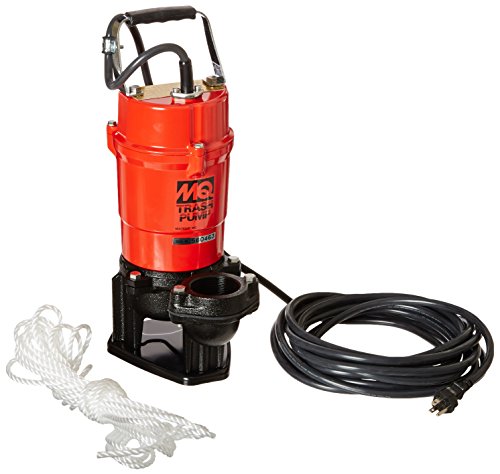
Multiquip ST2040T Electric Submersible Trash Pump 1 HP
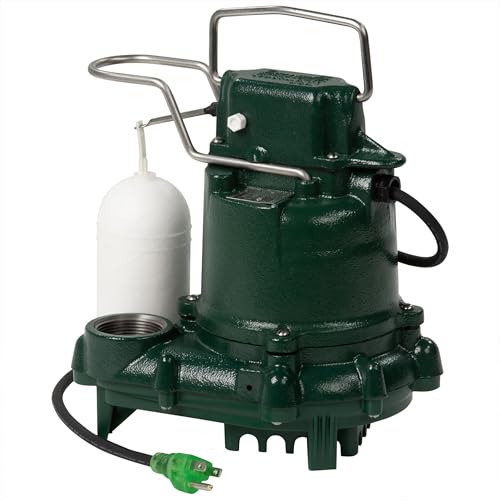
Zoeller M53 Mighty-mate Submersible Sump Pump 1/3 HP

Zoeller M98 Flow-Mate Sump Pump 1/2 HP Cast Iron

Tsurumi Pump LB-480 Submersible Dewatering Pump 2/3 HP
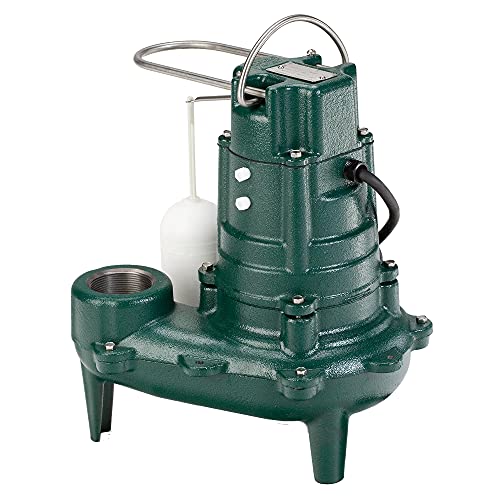
Zoeller Waste-Mate 267-0001 Sewage Pump 1/2 HP Automatic

AQUASTRONG 1 HP Sump Pump 4500 GPH Submersible

Aquastrong 1/2 HP Thermoplastic Utility Pump 3159 GPH
Aquastrong 1/2 HP Utility Pump 3159 GPH with Float Switch

Aquastrong 1/2 HP Automatic Sump Pump 3159 GPH
Meet The Standout Selections
The WAYNE CDU800 sits at the top of the list for homeowners dealing with serious groundwater intrusion. A 1/2 HP motor paired with a 5,100 GPH (gallons per hour) rating means it can clear a flooded basement faster than most residential units in this price range. Cast iron and stainless steel construction also help it survive years of submersion in mineral-rich water, which matters if your sump pit sits idle for weeks and then suddenly roars to life.
For most finished basements with a standard 18-inch pit, this pump delivers the kind of overhead capacity that prevents short-cycling during spring storms. Compared to the smaller Zoeller M53 covered later, this unit moves roughly twice as much water per hour, though it draws more amperage too.
What Stands Out
- Top suction design minimizes air lock and pulls water down to a shallow level, which helps dry out a pit fully
- 5,100 GPH throughput handles rapid inflow during heavy rainfall without the motor straining
- Vertical float switch tested to 1 million cycles reduces the chance of a stuck-on or stuck-off failure
- Cast iron body resists corrosion and dampens motor noise better than plastic housings
Things To Consider
- Higher amperage draw may require a dedicated circuit on older electrical panels
- Cast iron adds weight, so lowering it into a deep pit can feel unwieldy during installation
Key Specs
Who It Suits Best
Homeowners with mid-size to large sump pits in regions that see heavy spring snowmelt or frequent thunderstorms benefit most from this model’s high throughput.
Look Elsewhere When
Pick the Zoeller M53 instead if your sump pit is shallow and modest inflow makes a smaller 1/3 HP motor a better fit for the circuit.
Step out of the residential basement and into a job site, and the Multiquip ST2040T becomes a serious contender. Rated at 79 GPM (gallons per minute) with a 1 HP single-phase motor, it’s built to move water that contains debris up to 1 inch across, which is far more abuse than a household sump pump ever sees. The cast iron housing and abrasion-resistant cast iron impeller with a neoprene rubber overlay are designed for the kind of grit that would shred a plastic unit in a season.
Contractors and serious DIYers appreciate that this is genuinely portable: a top-mounted carrying handle plus dual shaft seals keep muddy water where it belongs. If you’ve ever pulled a clogged pump apart to find sand packed behind the impeller, you’ll understand why those seals matter.
The Helpful Details
- Passes 1-inch solids, ideal for excavation pits and pond draining where leaves and grit are unavoidable
- 2-inch suction and discharge ports hook up to standard dewatering hose for quick job-site setup
- Internal thermal overload protection stops the motor before burnout during extended runs
- Dual shaft seals extend service life when pumping sandy or muddy water
Trade Offs
- Heavier than thermoplastic utility pumps, so carrying it up a ladder takes more effort
- Single-phase motor requires 230V power, which not every residential outlet provides
- Overkill for routine basement sump duty where clear water is the norm
Built With In Mind
Construction crews, rental fleets, and homeowners tackling serious excavation or pond work get the most value from this rugged trash-rated pump.
Skip It When
The Zoeller M98 Flow-Mate fits better for routine residential sump duty where clear water and a standard 115V outlet are all you need.
The Zoeller M53 has earned its place in countless basements across North America, and for good reason. A 1/3 HP motor driving a non-clogging vortex impeller design handles typical residential seepage without complaint. The cast iron switch case, motor housing, and pump body share the same durability story as the larger WAYNE above, just in a smaller package with a plastic base that keeps the overall weight manageable.
For homeowners with modest groundwater intrusion, this unit strikes a sensible balance between flow capacity and energy draw. You trade the WAYNE CDU800’s 5,100 GPH ceiling for lower amperage and a quieter footprint, which can matter in finished living spaces below the pump.
Where It Helps
- Vortex impeller reduces clogging from small debris that finds its way into sump pits
- Float-activated automatic switch starts and stops the pump without manual intervention
- Compact form factor fits in tight sump pits where larger 1/2 HP units won’t drop in cleanly
Points To Note
- Lower flow rate than 1/2 HP competitors, so it can struggle during extreme weather events
- Plastic base means the bottom of the unit is more vulnerable to sediment buildup over time
Feature Snapshot
Right Fit For
Older homes with smaller sump pits and modest water tables see the best long-term results from this quiet, conservative-duty pump.
A Better Fit Elsewhere
Step up to the WAYNE CDU800 if your region sees torrential spring downpours that overwhelm smaller 1/3 HP motors.
The Zoeller M98 Flow-Mate adds diagnostic clarity to standard sump pump duty with a built-in LED power plug that confirms at a glance whether the outlet is live. It’s a small feature that prevents the classic head-scratcher of wondering whether a flooded basement means a dead pump or a tripped breaker. Behind that plug sits an oil-filled motor wrapped in cast iron, which dissipates heat more effectively than air-filled designs during long running cycles.
Where the WAYNE CDU800 leans on raw throughput, the M98 leans on longevity. Stainless steel hardware resists the corrosion that eventually welds cheaper fasteners in place, and the 9-foot power cord gives flexibility for offset pit installations where a shorter cord forces awkward extension cord use.
The Case For It
- LED power plug provides instant status confirmation without opening the pit lid
- Oil-filled motor with cast iron housing extends service life under heavy cycling
- Snap-action float switch starts automatically without manual priming
- Stainless steel hardware resists corrosion in mineral-heavy sump water
Honest Caveats
- Flow rate sits below the WAYNE CDU800, so high-inflow basements may still outpace it
- Factory-tested, but routine cleaning of the float switch is still required over years of service
Technical Highlights
Made For
Detail-oriented homeowners who want diagnostic feedback and long service life over maximum gallons-per-hour bragging rights.
Consider Something Else When
The WAYNE CDU800 suits you better if pumping speed during a storm matters more than diagnostic clarity.
The Tsurumi LB-480 solves a problem most pumps ignore: tight spaces. Its slimline design drops into an 8-inch caisson, which is the narrow casing contractors drive into the ground for foundation work and well-point dewatering. A 2/3 HP motor paired with a 2-inch discharge moves 63 GPM (3780 GPH), and the urethane impeller with wear plates takes abuse from sandy site water.
Where the Multiquip ST2040T handles trash with brute force, the Tsurumi prioritizes reach and fit. The 32-foot power cord lets you position the pump deep without an extension, and 115V compatibility means it plugs into portable generators on remote job sites where 230V power isn’t available.
Everyday Advantages
- Slimline body fits 8-inch caissons that bulkier pumps can’t access
- Urethane impeller and wear plates resist abrasion from sandy or gritty water
- 32-foot cord reaches deep sumps and remote excavations without extensions
- 2-inch discharge handles high-volume output for fast pit drawdown
Potential Drawbacks
- Not designed for residential sump pits where a compact, quiet 115V unit suffices
- Specialty fit means limited versatility outside dewatering work
At A Glance
Best Suited To
Foundation contractors, well drillers, and crews working narrow caissons or trenches benefit most from this slim powerhouse.
Reach For A Different Pick When
The Multiquip ST2040T serves better for trash-laden water where solid-handling capacity matters more than slimline access.
The Zoeller Waste-Mate steps into a different category: sewage and effluent handling. With a 2-pole mechanical switch and a non-clogging vortex impeller, it passes 2-inch spherical solids without complaint, which is well beyond what any basement sump pump can manage. A 1/2 HP motor and ASTM Class 25 cast iron construction target both residential and light commercial applications where the pump sits in an unsexy corner of a basement or lift station doing unpleasant but essential work.
Unlike the clear-water-focused WAYNE CDU800, this unit expects to encounter things most pumps would choke on. Float-operated and automatic, it runs quietly in the background until duty calls.
Advantages To Know
- Passes 2-inch spherical solids, ideal for sewage and effluent systems with grinder-unfriendly debris
- ASTM Class 25 cast iron construction resists the corrosive effects of wastewater
- Float-operated automatic switch handles variable inflow without manual intervention
A Few Limitations
- Plastic impeller, while non-clogging, can wear faster than cast iron under heavy grit exposure
- Oversized for clear-water basement duty where cheaper residential sump pumps suffice
Perfect Match For
Homeowners with basement bathrooms, septic lift stations, or light commercial sewage systems need this heavy-duty solids handling.
Not Your Match When
Stick with the WAYNE CDU800 for routine basement water removal where solids aren’t part of the equation.
The AQUASTRONG 1 HP unit brings serious flow to the utility pump category, claiming 4,500 GPH at a 5-foot lift and a 30-foot vertical lift ceiling. The bottom suction design pulls water down to about 1/5 inch from the surface, which matters when draining a hot tub or pool where leftover water can stain surfaces or freeze in cold weather.
Plug-in-and-go operation keeps things accessible for occasional users who don’t want to wrestle with wiring. Unlike the cast iron WAYNE CDU800, this is a portable thermoplastic design, so weight and corrosion resistance trade off against sheer throughput.
Benefits That Matter
- 4,500 GPH throughput at 5-foot lift moves large volumes fast for pool and hot tub work
- Bottom suction design leaves pools nearly dry without manual mopping
- Handles up to 1/5-inch solids, fine for typical debris in residential water removal
Less-Strong Areas
- Thermoplastic body won’t survive the abrasion that cast iron handles in muddy conditions
- Manual operation, no float switch, so the pump runs continuously until unplugged
Who Should Grab It
Pool owners, hot tub users, and homeowners facing seasonal flooding benefit from the high-volume portable design.
Swap It Out When
Pick the Aquastrong 1/2 HP with float switch if you want automatic on/off control without manual monitoring.
The Aquastrong 1/2 HP thermoplastic pump fills the role of a lightweight, grab-and-go water mover. At 3,159 GPH and a 26-foot vertical lift, it handles pool draining, garden pond topping, and window well emergencies without the heft of a cast iron sump pump. The 10-foot power cord offers decent reach for typical residential outlets.
Compared to the 1 HP AQUASTRONG above, you sacrifice throughput for portability. Where this unit earns its keep is in situations that don’t justify a permanent installation: a one-time flood, a winter pool cover full of rainwater, or a koi pond that needs a quick water change.
Reasons It Performs
- Lightweight thermoplastic build makes carrying and positioning easy for occasional users
- 3,159 GPH flow clears moderate flooding faster than manual bailing
- 26-foot lift handles basement window wells and shallow basement sumps
- 10-foot cord reaches typical outdoor outlets without extensions
Practical Considerations
- Thermoplastic housing degrades faster than cast iron under prolonged submersion in mineral-heavy water
- Manual operation, so the pump runs continuously until manually shut off
- Not rated for permanent sump pit installation where automatic float control is expected
The Right Fit
Occasional-use homeowners who need a portable pump for seasonal tasks rather than permanent flood protection get solid value here.
Where Another Pick Suits Better
Choose the Zoeller M53 for permanent sump pit installation where automatic float control and cast iron durability matter more than portability.
The Aquastrong 1/2 HP utility pump with float switch takes the portability of the previous model and adds genuine automatic operation. The adjustable tether float lets you set the activation depth to match your pit or basin, which is handy when sump pits vary in size. At 3,159 GPH with a 26-foot lift, the performance matches its manual sibling.
For homeowners who want set-and-forget behavior without paying cast iron prices, this fills a middle ground. The thermoplastic body is light enough to move between tasks, and the float switch converts it from a portable tool into a semi-permanent installation.
What It Does Well
- Adjustable tether float lets you tune activation depth for variable pit sizes
- Automatic operation removes the need to manually start and stop the pump
- 26-foot vertical lift handles most basement and garden applications
Things To Weigh
- Thermoplastic body, not as durable as cast iron for permanent installations
- Float switch tether requires clearance above the pump for proper pivoting
Whose Shelf It Belongs On
Frequent-use homeowners who rotate the pump between basement, pool, and pond duties appreciate the automatic float and portable weight.
A Better Fit Elsewhere
Choose the Aquastrong 1/2 HP Automatic Sump Pump if you want electronic multi-level sensing instead of a mechanical float tether.
The Aquastrong 1/2 HP Automatic closes out the list with a different kind of innovation: a smart electronic sensor that triggers the pump at one of six adjustable water levels (5, 4.1, 3.4, 2.6, 1.8, or 1 inch) and shuts off at 0.4 inch. That level of tuning helps in shallow sump pits where a traditional mechanical float needs more vertical clearance than the basin provides.
At 3,159 GPH with a 26-foot lift, performance matches the float-switch sibling. The real story here is the sensor, which eliminates the moving parts that wear out in mechanical floats. For tight installations and shallow pits, that electronic control can be the difference between reliable operation and a pump that runs dry.
The Value In It
- Electronic sensor replaces mechanical float, useful in shallow pits with limited clearance
- Six adjustable activation levels let you match the pump to your specific pit depth
- Automatic shutoff at 0.4 inch prevents dry-running that damages motor seals
Small Caveats
- Thermoplastic housing limits long-term durability compared to cast iron
- Sensor electronics add a layer that may require eventual replacement
Built With In Mind
Homeowners with shallow or unusually shaped sump pits gain the most from electronic level sensing over a tethered float.
Consider Something Else When
The Zoeller M98 Flow-Mate fits better for deep, standard pits where mechanical float simplicity and cast iron longevity matter more.
Choosing the Right Submersible Pump for Your Situation
Match the Pump Type to the Water
Sump pumps, utility pumps, trash pumps, and sewage pumps each target a different job. Sump pumps handle clear groundwater in residential basements. Utility pumps like the Aquastrong models move water from pools, ponds, and window wells on a temporary basis. Trash pumps such as the Multiquip ST2040T pass small solids from muddy job sites. Sewage pumps such as the Zoeller Waste-Mate handle 2-inch solids from basement bathrooms and septic systems. Picking the wrong type means either constant clogs or paying for capacity you never use.
Size the Motor and Flow to Your Pit
Motor horsepower and gallons-per-hour ratings both matter, but in different ways. A 1/3 HP pump like the Zoeller M53 sips power on a standard 15-amp circuit and handles modest seepage. A 1/2 HP unit such as the WAYNE CDU800 doubles the flow capacity at the cost of higher amperage draw. For homes with frequent storms or high water tables, the extra throughput prevents the motor from running continuously and burning out. For occasional use, a smaller motor is quieter and easier on the electrical panel.
Look at Construction Materials
Cast iron housings resist corrosion and dampen noise, but they add weight. Thermoplastic bodies keep pumps portable and affordable, though they degrade faster under prolonged submersion in mineral-heavy water. Stainless steel hardware, like that on the Zoeller M98 Flow-Mate, prevents the seized-fastener headaches that plague cheaper assembled units. The honest read is that permanent installations favor cast iron, while portable utility work tolerates plastic just fine.
Key Considerations Across These Picks
Pitfalls Shoppers Hit
The most common mistake is buying a sump pump without checking the float switch clearance. Mechanical floats need vertical space above the pump to pivot freely, which rules them out in shallow basins where electronic level sensors like the Aquastrong automatic model work better. Another trap is ignoring amperage: a 1/2 HP pump on an already-loaded circuit will trip breakers during the first heavy storm. Finally, assuming all “submersible pumps” handle solids equally leads to clogged impellers when clear-water-rated units meet debris they were never designed to pass.
Where The Extra Money Goes
Higher-tier models spend the money on motor cooling, corrosion resistance, and diagnostic features. The Zoeller M98’s oil-filled motor and LED power plug add longevity and clarity that cheaper units skip. The WAYNE CDU800’s cast iron and stainless steel construction justify its position for homeowners in tough water conditions. Premium picks don’t necessarily pump more gallons; they pump more reliably over years of submersion, which matters far more than peak throughput during the rare flood event.
Frequently Asked Questions
How do I know what size submersible pump I need?
Match the horsepower and flow rating to your typical inflow rate. For a standard residential sump pit with moderate groundwater, a 1/3 HP pump like the Zoeller M53 usually suffices. For heavy inflow or finished basements where water damage is costly, a 1/2 HP unit such as the WAYNE CDU800 provides safer overhead capacity.
Can a sump pump handle sewage?
No, standard sump pumps are designed for clear water and clog when faced with solids. For sewage or effluent applications, choose a dedicated sewage pump like the Zoeller Waste-Mate, which passes 2-inch spherical solids through a non-clogging vortex impeller.
What’s the difference between a float switch and an electronic sensor?
A float switch is a mechanical device that pivots with water level, while an electronic sensor detects water contact at preset levels. Floats are simpler and cheaper but need vertical clearance to operate. Electronic sensors work in shallow pits and offer adjustable activation levels, as seen in the Aquastrong automatic model.
How long do submersible pumps typically last?
With proper installation and periodic cleaning, a quality cast iron sump pump can last 7 to 10 years. Thermoplastic utility pumps used occasionally often last longer due to less cumulative runtime, while trash pumps exposed to abrasive debris may need impeller replacement sooner.
Do I need a cast iron or thermoplastic pump?
Choose cast iron for permanent sump pit installations where corrosion resistance and noise dampening matter. Thermoplastic works well for portable utility pumps and seasonal use where weight savings and lower cost outweigh long-term durability concerns.
Wrap Up
Your water problem determines which pump belongs in your basement, garage, or job-site trailer. Permanent flood protection calls for cast iron and automatic operation, while seasonal water removal rewards portability and quick setup. Match the tool to the task, check your electrical capacity, and you’ll avoid both underpowered disappointment and overspending on capacity you don’t need.
