

A basement bathroom, laundry room, or below-grade guest suite only works if wastewater has somewhere to go when gravity won’t carry it. Sewer ejector pumps solve that problem by collecting effluent in a sealed basin and pushing it up to the main sewer line. Homeowners finishing a basement, landlords managing multi-unit properties, and DIYers replacing an aging unit all face the same core question: which pump moves enough water, handles the solids that show up in real plumbing, and stays reliable for years of cycling?
The list below covers submersible sewage pumps, grinder models that chew through tougher debris, and replacement cartridges for existing systems. Each pick is sized to a specific scenario, from light residential duty to heavy commercial flow. Continue reading for the specs that matter, the trade-offs worth knowing, and the pitfalls that catch first-time installers off guard.
A Closer Look At The Lineup

Dewinston 2HP Submersible Sewage/Effluent Pump 220V

Dewinston 2HP Sewage Grinder Pump 220V
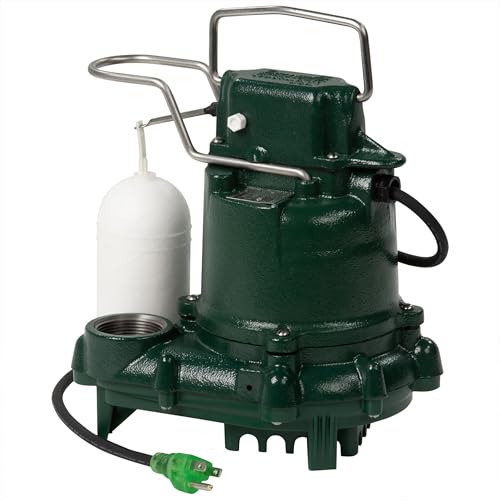
Zoeller M53 Mighty-Mate 1/3 HP Sump Pump

Zoeller M98 Flow-Mate 1/2 HP Sump Pump
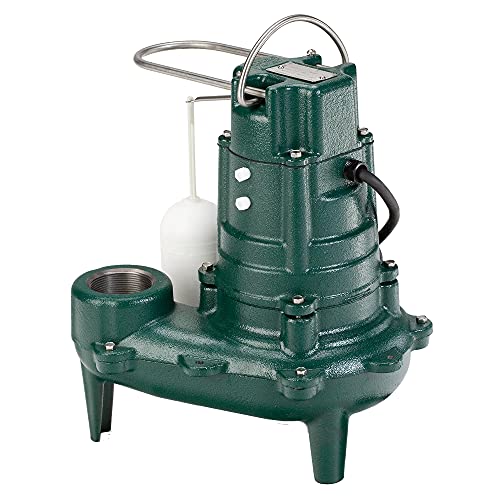
Zoeller Waste-Mate 267-0001 1/2 HP Sewage Pump

Star 1102RP Replacement Pump

Liberty Pumps LE51A 1/2 HP Sewage Pump

LEO 1/2 HP Submersible Sewage Pump 120V

Dewinston 2HP Sewage Grinder Pump 6498GPH

Dewinston 2HP 220V Submersible Sewage Pump
The Picks, Examined More Closely
Basement additions that serve a full bathroom, laundry, and a wet bar push a lot of water through a single ejector line, and undersized pumps start short-cycling within months. The Dewinston 2HP unit answers that demand with a 220V motor, a 6498 GPH maximum flow rate (gallons per hour, the peak volume the pump can move at zero lift), and a cast iron body that shrugs off the kind of long, hot cycles cheaper units cannot handle. Its IP68 rating (a dust-tight seal rated for continuous water immersion) means the housing keeps moisture out even when the basin runs high during heavy use.
Compared with the Zoeller M53 below, this pump trades residential subtlety for raw volume. You give up the compact footprint and quiet operation in exchange for a much higher head pressure and the kind of debris-handling margin that suits households with older plumbing. In a multi-unit building or a finished basement with multiple fixtures feeding the same basin, that margin is what keeps the system quiet at 2 a.m.
Bright Spots
- Cast iron housing dissipates heat during long, repeated cycles, extending motor life in busy basins.
- 6498 GPH peak flow handles multiple fixtures without the pump cycling every few minutes.
- IP68 sealing protects internal components during high-water events or accidental submersion beyond normal levels.
- 49.2 ft maximum head (vertical lift the pump can push water) suits deeper basements or longer horizontal runs to the sewer.
Points To Note
- 220V wiring typically requires a dedicated circuit and a licensed electrician, adding to install cost.
- Higher horsepower draws more current, so older home electrical panels may need an upgrade before installation.
Whose Basement It Belongs In
Homeowners with a finished basement bathroom plus laundry, or landlords running multi-unit plumbing into one basin, benefit most from the higher flow and head pressure this pump delivers.
Swap It Out When
Light-duty sump work in a tight basin is a better match for the Zoeller M53, which fits smaller pits and runs on standard household current.
Where a standard sewage pump relies on a vortex impeller (a curved-blade rotor that spins water to create flow without chopping solids) to push solids through, a grinder pump actively cuts them up first. That distinction matters in older homes with narrow drain lines, in basements where wipes and personal care products tend to slip past the toilet, or in rental units where you cannot fully control what tenants flush. The Dewinston grinder pairs its 2HP motor with blades designed to reduce clogs before they reach the discharge line.
Compare that to the non-grinder Dewinston 2HP above: same motor class, but this version trades a portion of peak flow for the ability to handle tougher debris. The 4380 GPH rating is lower than the 6498 GPH model, but the trade-off is real-world reliability in systems that clog easily. For most households with a problematic sewage line, that swap is worth it.
Notable Gains
- Grinder blades break down wipes, paper, and small debris before they reach the discharge pipe, reducing clogs in older or narrow drain lines.
- 51 ft maximum head handles deeper basements and longer vertical lifts to the main sewer line.
- 20 ft power cord offers more placement flexibility in larger or irregularly shaped basins.
- Oil-free sealed bearings reduce routine maintenance and lower long-term ownership cost.
Trade-Offs To Consider
- Grinder blades require occasional inspection and replacement, adding to long-term maintenance compared to non-grinder models.
- 220V installation still demands a dedicated circuit, so retrofit projects need electrical work upfront.
The Right Fit
Property owners with older plumbing, narrow drain lines, or rental units where flush habits vary widely benefit from the clog resistance this pump provides.
Reach For A Different Pick When
Newer plumbing with standard 2-inch discharge lines and minimal debris risk can save cost with the non-grinder Dewinston 2HP Submersible Sewage/Effluent Pump reviewed above.
Not every basin needs 2HP behind it. For narrow sump pits in older homes, light-duty gray water collection, or a secondary backup pump, the Zoeller M53 has earned its reputation over decades. The cast iron motor housing, automatic float switch (a buoyant arm that triggers the pump on at a set water level and off when the basin empties), and non-clogging vortex impeller deliver exactly what a residential sump calls for, with nothing extra to maintain or troubleshoot.
The M53 is not a sewage ejector pump in the strictest sense. It lacks the solids-handling capacity for raw sewage from a basement bathroom. Where it shines is groundwater intrusion, dehumidifier condensate, or a basement sink draining clean water. In those scenarios, the 1/3 HP draw is easy on the electrical system, and the small footprint drops into tight pits where larger pumps simply do not fit.
Benefits That Matter
- Cast iron motor and pump housing resist corrosion and dissipate heat effectively during long cycles.
- Automatic float switch simplifies installation and operation for first-time sump owners.
- Non-clogging vortex impeller reduces routine maintenance in clean-water applications.
Some Limits To Know
- 1/3 HP cannot handle raw sewage or solids, so it suits sump and gray water roles only, not full basement bathroom systems.
Best Suited To
Homeowners dealing with groundwater seepage, dehumidifier discharge, or a secondary backup pump in a tight basin benefit most from the M53’s compact footprint and reliable cycling.
Swap It Out When
Basement bathrooms with solid waste need a true sewage pump like the Zoeller Waste-Mate 267-0001, which handles 2-inch spherical solids without choking.
Basement flooding rarely announces itself. You walk downstairs and the water is already there, which makes a pump that quietly fails the worst possible kind of equipment. Zoeller’s M98 addresses that anxiety with an LED-equipped power plug that shows at a glance whether the outlet is live, plus an oil-filled motor that runs cooler and quieter than air-cooled alternatives. The result is a sump pump you can check without pulling it out of the pit.
Like the M53 above, this is a sump pump rather than a sewage ejector. It works best in clean-water scenarios, but the higher 1/2 HP rating moves more volume and handles longer discharge runs. The stainless steel hardware and vortex impeller carry over from the M53 design, refined for greater throughput. In homes where sump activity is moderate rather than heavy, the M98 offers a noticeable step up without jumping to sewage-duty construction.
The Helpful Details
- LED power plug confirms outlet status at a glance, so you know the pump is receiving power before trouble starts.
- Oil-filled motor dissipates heat more effectively than air-cooled designs, extending service life during heavy cycling.
- 9 ft power cord and snap-action float switch simplify installation in standard residential sump basins.
- Stainless steel hardware resists corrosion in damp pit environments where standard steel would eventually pit.
Practical Considerations
- Like the M53, this pump handles sump and gray water duty, not raw sewage from basement plumbing fixtures.
Who Should Grab It
Homeowners who want visible confirmation of pump status and cooler-running motor technology benefit most from the M98’s diagnostic features and durable construction.
A Better Fit Elsewhere
Basements with full bathroom plumbing need a sewage-rated pump like the Liberty Pumps LE51A, which handles solids that sump models cannot.
The Zoeller Waste-Mate 267-0001 occupies a specific niche: residential sewage handling where proven construction matters more than headline horsepower. Its 1/2 HP motor, paired with a non-clogging vortex impeller and the ability to pass 2-inch spherical solids, gives a typical basement bathroom, laundry, and utility sink combination a reliable path to the main sewer line. The cast iron housing uses ASTM Class 25 iron (a standardized grade rated for pressure-tight pump components), the same specification used in Zoeller’s commercial lines.
The 1/2 HP rating is on the modest side compared with the Dewinston 2HP models earlier in this list, and that is the trade-off. Where the Waste-Mate earns its place is longevity. The mechanical float switch, robust bearings, and conservative operating envelope suit homeowners who would rather replace a pump every decade than chase higher flow numbers. For typical household sewage loads, this balance tends to age well.
The Good Stuff
- Passes 2-inch spherical solids, suitable for typical residential sewage with normal bathroom and kitchen waste.
- ASTM Class 25 cast iron construction provides the durability grade used in demanding commercial applications.
- Mechanical float switch is field-serviceable and replaceable without pulling the entire pump.
Details To Watch
- 1/2 HP limits flow compared with higher-horsepower alternatives, so very high-use households may see shorter cycle times.
Who Will Love This
Homeowners who prioritize long-term durability and proven cast iron construction over maximum flow benefit most from the Waste-Mate’s conservative engineering.
Look Elsewhere When
Heavy multi-family use or commercial-grade flow requirements are a better match for the Dewinston 2HP Submersible Sewage/Effluent Pump, which delivers substantially higher throughput.
Replacement cartridges serve a narrow but important audience: people who already own a compatible system and need to restore it without replacing the entire basin. The Star 1102RP is the drop-in pump module for the S1101 and S1102 PowerFlush Sewage Ejector systems, and it exists because replacing the full system costs significantly more than swapping the working parts.
Where every other pick on this list is a complete pump ready to drop into a basin, the 1102RP only makes sense in the right context. Owners of those specific systems get a matched replacement that restores original performance. Anyone shopping for a first installation should look elsewhere, since this cartridge is not a standalone ejector pump.
Positive Takeaways
- Matched replacement restores original system performance without replacing the basin, cover, or plumbing.
- Made in the USA, with a 90-day manufacturer warranty covering defects.
- Drop-in design reduces installation time and complexity compared with full-system replacement.
Where It May Fall Short
- Only compatible with the S1101 and S1102 PowerFlush systems, limiting its usefulness for general installations.
- 90-day warranty is shorter than typical coverage on complete pump units.
Right Fit For
Owners of existing S1101 or S1102 PowerFlush sewage ejector systems who need a matched replacement cartridge benefit most from the 1102RP’s direct-swap design.
Not Your Match When
Anyone installing a new ejector system should consider the Zoeller Waste-Mate 267-0001 or Liberty Pumps LE51A, which are complete units designed for first-time setups.
Liberty Pumps built the LE51A around the same workload as the Zoeller Waste-Mate, but with subtle construction differences that matter to long-term owners. The 10 ft quick-connect power cord simplifies replacement during service, the stainless steel fasteners and shaft resist corrosion in damp pit environments, and the oil-filled thermally protected motor reduces the chance of burnout during a stuck-float condition.
Compared with the Zoeller 267-0001, the LE51A offers slightly different engineering priorities. Where Zoeller emphasizes cast iron mass and time-tested mechanics, Liberty leans on corrosion-resistant hardware and modular serviceability. Either approach serves a 1/2 HP residential sewage role well. The choice comes down to which brand’s parts ecosystem and warranty terms align with your service preferences.
The Value In It
- Oil-filled thermally protected motor reduces burnout risk during continuous-run conditions or float switch failures.
- Stainless steel fasteners and shaft resist corrosion in damp pit environments over years of service.
- 10 ft quick-connect power cord simplifies motor replacement during service or maintenance.
- Heavy cast iron housing provides effective heat dissipation during repeated cycling.
Things To Weigh Up
- 1/2 HP flow is modest, so larger households or simultaneous multi-fixture use may push cycle frequency higher.
- 2-inch discharge suits standard residential plumbing but limits compatibility with non-standard setups.
Made For
Residential property owners who want corrosion-resistant hardware and easy serviceability for the long haul benefit most from the LE51A’s modular construction.
Consider Something Else When
Higher-volume residential or light-commercial sewage duty is a better match for the Dewinston 2HP Sewage Grinder Pump, which moves considerably more water per cycle.
The 120V power supply is the headline feature for homeowners who cannot easily run a 220V circuit. The LEO 1/2 HP plugs into a standard household outlet, sidestepping the electrical work that higher-voltage models require. With a 6000 GPH maximum flow and a 29 ft maximum head, it handles typical basement bathroom and laundry duty without modification to the home’s electrical system.
Where this 2HP-class option at 120V differs from the 2HP Dewinston models above is in voltage convenience versus raw flow. The LEO trades some peak flow for the simplicity of a standard outlet. In homes where adding a 220V circuit is impractical, that trade is often the deciding factor. The cast iron housing and automatic/manual control modes round out a versatile residential package.
Everyday Perks
- 120V operation plugs into standard household outlets, eliminating the need for dedicated 220V circuit installation.
- 6000 GPH maximum flow handles typical residential sewage loads from basement bathrooms and laundry.
- Oil-filled split capacitor motor (a design using two windings for higher starting torque and smoother running) provides higher starting torque for reliable activation.
- Automatic and manual control modes allow override during service or testing.
Possible Compromises
- 29 ft maximum head is shorter than 220V competitors, limiting suitability for deeper basements or longer discharge runs.
- 120V operation at this flow rate draws significant current, so it should still sit on a dedicated circuit even at standard voltage.
Who It Suits Best
Homeowners in properties without 220V wiring access, or renters finishing a basement on a standard electrical panel, benefit most from the LEO’s plug-in simplicity.
Skip It When
Deep basements with long vertical lifts to the sewer line are a better match for the Dewinston 2HP Submersible Sewage/Effluent Pump, which delivers 49.2 ft of head.
Where the earlier Dewinston grinder settles at 4380 GPH, this higher-output model pushes to 6498 GPH while keeping the same grinder-blade approach to debris. The stainless steel cutting components handle wipes, paper, and other soft solids that clog vortex-style pumps, and the 2HP motor provides enough torque to keep cutting even when loads spike.
Compare that to the non-grinder Dewinston 2HP earlier: same 6498 GPH peak flow, but this version adds active debris reduction. In a household where flush habits are unpredictable or where the discharge line runs through older, narrower pipe, that active cutting often prevents the midnight backups that turn a basement into a swimming pool. The trade-off, as with all grinder pumps, is blade maintenance over the long term.
Practical Pluses
- Grinder blades actively cut soft solids and debris before they enter the discharge line, reducing clogs.
- 6498 GPH peak flow matches the highest-output non-grinder Dewinston, handling high-volume residential sewage.
- 49.2 ft maximum head suits deep basements and longer discharge runs to the main sewer.
Honest Caveats
- Hard objects, rubber items, and dense textiles can damage grinder blades, so users must avoid flushing inappropriate materials.
Built With In Mind
Larger households, multi-unit properties, or homeowners with older plumbing where clogs are a recurring problem benefit most from the active debris reduction this pump provides.
Look Elsewhere When
Standard new-construction plumbing with predictable residential waste is well served by the Liberty Pumps LE51A, which avoids blade maintenance entirely.
This Dewinston 2HP rounds out the lineup with the same 6498 GPH flow and 49.2 ft head as the original non-grinder 220V model, paired with an elevated base design that reduces debris collection in the sump pit. Owners commonly report that the higher base keeps sediment from settling under the pump intake, where it would otherwise shorten impeller life over years of service.
Where this pump stands apart from the grinder version reviewed above is its quieter operation and lower maintenance profile. The vortex impeller (rather than cutting blades) handles solids without the wear pattern that grinder pumps experience. For high-cycle residential or light commercial applications where the sewage is predictable, that simplicity tends to age well across a decade of service.
Strong Points
- Elevated base design reduces sediment collection under the pump, extending impeller life in pit environments.
- IP68 sealing protects internal components during high-water events and continuous submersion.
- Cast iron housing provides effective heat dissipation during heavy cycling in busy basins.
Worth Bearing In Mind
- 220V installation still requires dedicated electrical work, which adds upfront project cost.
Perfect Match For
Long-run residential or light commercial installations with predictable sewage loads benefit most from the durable cast iron build and elevated base design.
A Better Fit Elsewhere
Properties with unpredictable flush habits or known clog issues are a better match for the Dewinston 2HP Sewage Grinder Pump, which adds active debris cutting.
What Matters Most Before Choosing Sewer Ejector Pumps
A sewer ejector pump is one of those appliances you do not think about until it fails, so the buying decision tends to happen under pressure. Three attributes matter most: solids handling, head pressure, and electrical compatibility. Solids handling is rated by the largest spherical solid the pump can pass without clogging; 2-inch capacity covers most residential sewage, while grinder pumps actively cut solids smaller than that. Head pressure determines how high the pump can push water vertically, and deeper basements or longer horizontal discharge runs demand more head.
Basin sizing and float switch type are the second-tier considerations. A basin that is too small causes short cycling, where the pump turns on and off too frequently and wears out prematurely. A reliable float switch, whether mechanical or snap-action, prevents the stuck-on or stuck-off conditions that flood basements or burn out motors. For most homes, a 30- to 50-gallon basin with a quality automatic switch covers typical daily sewage from a basement bathroom and laundry.
Electrical compatibility often decides which pumps remain options for a given home. 120V pumps plug into standard outlets and suit properties without 220V wiring, while 220V models deliver higher flow and head but require dedicated circuits and sometimes panel upgrades. The LEO 1/2 HP covered above solves the voltage problem for many homeowners, but heavier-duty applications really do need 220V to run efficiently.
Practical Points Across The Lineup
Pitfalls Shoppers Hit
The most common mistake is buying a sump pump when you actually need a sewage ejector pump. Sump pumps like the Zoeller M53 and M98 handle clean groundwater and gray water, but they clog when faced with sewage solids from a basement bathroom. Confirm that the pump you choose is rated for the waste your fixtures produce.
Another frequent error is underestimating voltage requirements. Installing a 220V pump on a 120V household circuit either requires a dedicated circuit run from the panel or, in some homes, a panel upgrade. Budgeting for electrical work upfront prevents the frustrating discovery that your chosen pump cannot plug into your home’s existing wiring.
Where The Extra Money Goes
Higher-tier pumps in this category pay for heavier cast iron construction, oil-filled motors, and grinder systems that actively cut debris. The cast iron dissipates heat more effectively than lighter alloys, extending motor life during heavy cycling. Oil-filled motors run cooler and quieter, while air-cooled alternatives can overheat during extended run times. Grinder systems add maintenance in exchange for clog resistance in problem plumbing.
For most residential installations with predictable sewage, a 1/2 HP cast iron pump like the Liberty LE51A or Zoeller Waste-Mate delivers the right balance. The jump to 2HP grinder models earns its place in deep basements, multi-unit properties, or homes with documented clog history. Picking the right tier matters more than picking the biggest pump available.
Frequently Asked Questions
What is the difference between a sump pump and a sewer ejector pump?
A sump pump moves clean groundwater or gray water from a basin to the outside drainage, while a sewer ejector pump handles raw sewage with solids from basement bathrooms and laundry. Sump pumps typically clog if used for sewage.
How do I know what horsepower I need?
For a single basement bathroom or laundry, 1/2 HP is usually enough. Larger homes with multiple fixtures, deeper basins, or longer discharge runs benefit from 1 HP to 2 HP models. Higher horsepower also helps with longer vertical lifts.
Can a grinder pump handle any type of waste?
Grinder pumps handle wipes, paper, and soft solids effectively, but they should not process hard objects, rubber items, or dense textiles, which can damage the cutting blades. They are not substitutes for proper waste habits.
How long do sewer ejector pumps typically last?
Quality cast iron pumps generally last 8 to 15 years with proper installation and routine maintenance. Float switches and seals typically wear out before the motor itself, and both are field-serviceable on most models.
Do I need a professional to install one?
Most municipalities require a licensed plumber for sewage ejector installation, and 220V models require a licensed electrician for the electrical work. Permits and inspections are typical, especially for new construction or basement additions.
Wrap Up
The right sewer ejector pump depends on what your basement actually needs: a small sump basin, a full bathroom suite, or a multi-unit system with heavy cycling. Match the pump’s solids handling, head pressure, and voltage to your specific situation, and the rest of the decision tends to fall into place. Take the time to confirm electrical capacity and basin sizing before purchasing, and the install will go much more smoothly.
