

Underground drainage work doesn’t forgive guesswork, and the wrong pipe or fitting turns a weekend project into a recurring headache. Homeowners dealing with soggy lawns, downspout runoff, or a new French drain all face the same basic decision: what actually goes in the ground, and what connects cleanly to it. The ten picks below cover the pieces you touch most, from fittings and end caps to pop-up emitters that release water at the curb. Each one solves a specific piece of the puzzle, and the details below should help you match them to your yard.
The Main Contenders

CKVIHAV 20Pack 1/2″ PVC Male Threaded Pipe End Cap

Fernco QT-400 4-in. Qwik Tee
Cinsda 3″ PVC Sewer Cleanout Plug

Genova 30710CP 1″ 90° PVC Elbow 10-Pack

Orbit 53550 2″ x 50′ Pipe Wrap Tape
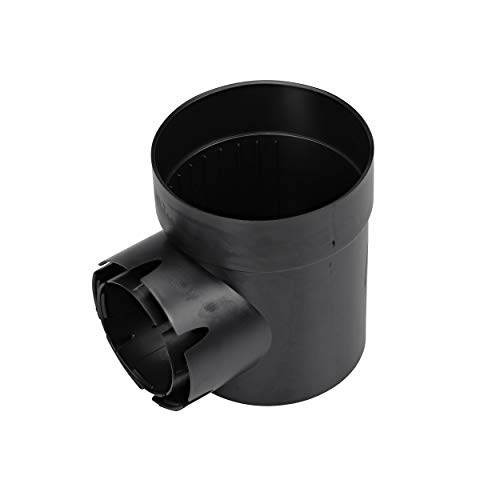
NDS 101 Round Spee-D Catch Basin

Fernco QC-103 2 Pack 3-in. Qwik Cap

Calvana Pop-Up Drain Emitter Cap (2 Pack)
Fernco QC-106 2 Pack 6-in. Qwik Cap

NDS 420C Pop-Up Drainage Emitter
Inside Each Recommended Option
Twenty small caps in one box solve a problem most drainage jobs hit sooner or later: you need to close off an NPT female port (a tapered pipe-thread female fitting) somewhere on a branch line and the cleanout keeps getting misplaced in the toolbox. These CKVIHAV end caps come in a 20-pack, so even after a few miscounts you’ll still have spares for the next project. They’re cut from Schedule 40 PVC, the same wall thickness used in most residential water lines, which makes them rigid enough to seat without flexing.
For homeowners doing small water-line repairs or capping an irrigation branch, this is the kind of low-cost supply that pays for itself the first time you don’t have to make a hardware-store run mid-job. The threaded male end mates with standard 1/2″ NPT female ports, so installation is hand-tight plus a quarter turn with PTFE tape (that white plumber’s tape you wrap on threads).
The Practical Payoff
- Twenty caps per pack covers a season of small fixes without restocking.
- Schedule 40 PVC body handles typical residential pressure without splitting.
- Standard NPT male thread drops into common irrigation and drainage ports.
- Lightweight enough to keep a handful in a truck or shed drawer.
Points To Note
- Only sized for 1/2″ ports, so larger cleanouts require a different cap.
- PTFE tape is recommended for a leak-free seal on the first install.
Built For Tinkering Hands
Homeowners handling small water-line repairs and irrigation branch terminations get the most use out of this multi-pack.
Consider Something Else When
The Fernco QT-400 Qwik Tee is a better match for anyone building a three-way branch instead of closing a single port.
A tee fitting rarely gets attention until you actually need one, and the 4-inch Fernco Qwik Tee fills that role with a reputation built in plumbing trucks for years. It accepts three 4-inch pipe runs at once, which is exactly the configuration you hit when a downspout drain needs to feed into a larger main. The flexible elastomeric body (a rubber-like PVC that grips the outside of the pipe) means no primer, no glue, and no waiting on cure time.
For homeowners tying a downspout into a perimeter drain or splitting flow between a yard stub and a street-side discharge, this fitting tightens down with included clamps. It works above and below grade, so the same tee can sit in the trench or up on a back porch cleanout. For anyone who has fought with solvent-welded PVC tees in a cold trench, the clamp-on approach is a relief.
What It Does Well
- No-mess installation: skips PVC primer and cement for a faster hookup.
- Flexible body absorbs slight misalignment between pipe runs.
- Handles both above-ground and buried drainage runs.
- Stainless steel clamps resist corrosion in damp soil.
Worth Noting
- Premium pricing over a glued PVC tee, so a single repair costs more.
- Tight clearance around the fitting can be hard on gloved hands in narrow trenches.
Feature Snapshot
Whose Toolbox It Belongs In
Homeowners tying downspouts into a main drainage line or splitting flow between two discharge points get the most out of this tee.
Look Elsewhere When
The Genova 1-inch elbow pack suits someone running a small irrigation branch rather than a 4-inch mainline tie-in.
Every buried drainage line eventually needs an access point for a snake or a camera, and the Cinsda 3-inch cleanout plug answers that need without overbuilding. The plug threads into a 3-inch NPT female adapter on a sewer or drain pipe, giving a flush, low-profile cap that won’t snag a mower wheel. Hard PVC construction keeps it dimensionally stable in cold soil, where softer rubber caps can deform over time.
It fits the typical residential sewer or drain pipe stack, which means most homeowners with a basement cleanout or a yard stub can drop it in without adapters. For seasonal properties or homes where the cleanout sits flush with a lawn, the low profile is a real benefit, since tall caps tend to collect debris and trip people up.
A Few Strong Suits
- Hard PVC body resists crushing under lawn traffic.
- Flush profile keeps the cap from catching on tools or shoes.
- Compatible with 3-inch sewer and drain lines for broad fit.
- Corrosion-resistant material suits buried or damp locations.
Small Caveats
- Requires a pre-installed 3-inch female adapter to thread into.
- No gasket is included, so PTFE tape helps the seal on the first install.
Who It Suits Best
Homeowners with an existing 3-inch sewer or drain stack who want a durable, flush-mounted access cover will find this a tidy fit.
Not Your Match When
The Fernco QC-103 Qwik Cap is a better choice for anyone who needs a clamp-on cap without a threaded fitting.
Few fittings get used in bigger quantities than 90-degree elbows, and the Genova 10-pack recognizes that reality. Each elbow is built from Schedule 40 PVC, the same standard you’d find on residential sprinkler laterals, and the white finish blends cleanly against most landscape fabric. Because the elbows come ten at a time, you can lay out a full irrigation loop without mid-project shortages.
The 1-inch size covers a lot of small residential drainage and irrigation work, so they’re useful for routing around a planter, jogging a line over a walkway, or pulling a sprinkler head into a corner. For most homeowners building a DIY sprinkler system, this is the kind of bulk pack that simplifies planning.
What Pays Off
- Ten elbows per pack keeps a full irrigation job supplied.
- Schedule 40 PVC matches residential pressure ratings.
- Standard 1-inch slip ends solvent-weld quickly with primer and cement.
- White color blends with most above-ground irrigation layouts.
Trade-Offs
- Requires PVC primer and cement for installation, which adds setup steps.
- Fixed 90-degree angle; sweep turns need a different fitting.
Quick Facts
Made For
DIYers mapping a residential irrigation system or a small drainage loop with several direction changes get the most from this 10-pack.
Skip It When
The NDS 101 catch basin suits someone focused on capturing surface water rather than routing pipe around corners.
Most pipe fails before the pipe itself does; the failure usually traces back to UV, condensation, or a damaged outer wrap. Orbit’s 2-inch by 50-foot pipe wrap tape addresses that reality with a 20-mil PVC outer layer (a thick, tough plastic skin) and an adhesive backing that grips the pipe on contact. For exposed outdoor runs, it’s the kind of insurance that costs little up front and saves a replacement later.
The roll covers roughly 50 feet of pipe, so it handles most residential branch runs and the foam insulation sleeves that often sit beneath it. It sticks to PVC, ABS (the black plastic drain pipe common in older homes), copper, and galvanized steel, which means a single roll travels between projects. In homes where downspout lines run along a sunny exterior wall, this wrap is a small upgrade that buys years.
Points In Its Favor
- 20-mil thickness resists tearing during backfill or weather exposure.
- Adhesive backing holds position without extra strapping.
- Compatible with PVC, ABS, copper, and galvanized pipe.
- 50-foot roll spans typical residential branch runs in a single purchase.
A Few Limitations
- Adhesive can struggle on dusty pipe; a wipe-down helps the bond.
- Not rated for high-heat systems like hot water lines.
Feature Rundown
Right Fit For
Homeowners with sun-exposed or condensation-prone outdoor drainage runs benefit most from this protective wrap.
A Better Fit Elsewhere
The Calvana pop-up emitter cap replacement suits someone needing a working part rather than protective tape.
A catch basin is the part of a yard drainage system that actually catches the water, and the NDS 101 is one of the most common 6-inch residential basins on the market. Its single outlet accepts 3-inch or 4-inch drain pipe, which covers the majority of buried yard lines without adapters. The black plastic basin sits flush with a grate on top, so once installed it disappears into the lawn.
For low spots in a yard, downspout splash zones, or the soggy corner where a driveway slopes toward the house, this basin collects the surface flow and routes it into the underground line. It’s designed for light to moderate water flows, so it’s well matched to residential storm drainage rather than commercial runoff. For homeowners tired of seeing the same puddle after every rain, it’s a tidy solution.
Useful Highlights
- 6-inch round profile integrates with standard NDS grates.
- Single outlet adapts to 3-inch or 4-inch drain pipe.
- Plastic body resists rust and corrosion in wet soil.
- Lightweight for one-person installation in a shallow trench.
Possible Compromises
- Grate sold separately, so factor that into the project cost.
- Light-flow rating means heavy runoff may overwhelm the basin.
Core Details
Best Suited To
Homeowners addressing persistent puddles in low lawn spots or under downspouts get the most value from this basin.
Reach For A Different Pick When
The Orbit pipe wrap tape is the better fit for someone focused on protecting existing pipe rather than adding a new collection point.
The QC-103 Qwik Cap is the kind of fitting that solves a problem you didn’t know you had until the day you need to cap an open pipe. It slides over a 3-inch pipe end and seals with a stainless steel band clamp, no glue and no cure time. That makes it a strong choice for testing a line for leaks, capping an abandoned branch, or sealing a cleanout during repair work.
The two-pack format means you can cap a line today and keep the second cap for the next project. The elastomeric PVC body tolerates slight pipe ovality (the pipe isn’t a perfect circle), which often happens at cut ends. For temporary caps that still need to hold water pressure, this is a sensible option.
Advantages To Know
- Mechanical clamp installation skips PVC cement entirely.
- Flexible body seals on slightly out-of-round pipe ends.
- Two-pack format covers both ends of a test or repair run.
- Stainless steel clamp resists corrosion in buried applications.
Worth Bearing In Mind
- Higher cost per cap than a glued PVC cap.
- Bulky profile protrudes past the pipe end, which can snag in tight spaces.
Who Should Grab It
Homeowners testing a new line for leaks or temporarily capping an open pipe end get the most flexibility from this cap.
Swap It Out When
The Cinsda 3-inch cleanout plug suits someone who needs a flush, threaded cover for a permanent cleanout instead.
Pop-up emitters work hard at the end of every drainage run, and their caps take the brunt of lawn equipment, weather, and debris. Calvana’s replacement cap is built as a direct swap for the NDS 420C emitter, which means the body dimensions and connection points line up without modification. The two-pack format covers a single emitter plus a spare, or two worn emitters across the yard.
The cap pops up roughly an inch when water pressure builds and reseats as flow drops, keeping the line sealed against debris and critters the rest of the time. For homeowners whose original emitter cap has cracked, jammed open, or gone missing, this is a focused fix rather than a full replacement unit.
Real-World Strengths
- Drop-in fit for the NDS 420C emitter body.
- Two-pack supplies one cap plus a backup.
- Compatible with 3-inch and 4-inch sewer and drain connections.
- Green color blends with most lawn and garden settings.
Honest Caveats
- Designed as a cap replacement, so it does not include a full emitter body.
- Pop-up mechanism depends on a clean seat, so periodic rinsing helps longevity.
The Right Fit
Homeowners with a worn or broken NDS 420C emitter cap get a direct swap without replacing the entire pop-up assembly.
Where Another Pick Suits Better
The NDS 420C pop-up drainage emitter is the right call for someone needing the complete pop-up assembly rather than just the cap.
Large-diameter drainage lines need equally large caps, and the QC-106 handles 6-inch pipe with the same clamp-on simplicity as its smaller sibling. The elastomeric PVC body grips the pipe outside diameter and seals with a stainless steel band clamp, so installation takes minutes even on a wide pipe. For properties with culverts, French drain outlets, or commercial-style stormwater runs, this cap keeps the line sealed when not in use.
The two-pack format lets you cap both ends of a disconnected segment or keep a spare on hand for future work. For anyone who has wrestled with a 6-inch glued cap in cold weather, the mechanical approach is a welcome change.
Notable Gains
- Handles 6-inch pipe without glue or cure time.
- Stainless steel clamp secures the seal under soil pressure.
- Two-pack covers both ends of a test or abandoned run.
- Elastomeric body seals on slightly out-of-round pipe.
Practical Considerations
- Higher price than a glued PVC cap of the same size.
- Clamp torque matters; under-tightening leads to seepage.
Perfect Match For
Homeowners capping the end of a large French drain outlet or a 6-inch stormwater run benefit from this clamp-on design.
Another Choice May Suit
The Fernco QC-103 is a smarter pick for anyone working with 3-inch pipe rather than 6-inch.
Most buried drainage systems need somewhere for the water to leave the pipe, and the NDS 420C handles that final step cleanly. It connects to 3-inch or 4-inch sewer and drain fittings and ties into the same pipe used throughout the rest of the system. When water reaches the emitter, the green cover pops up to release flow, then closes to keep debris and small animals out.
For properties without a curb outlet or a storm sewer tie-in, this emitter lets water daylight onto the lawn at a controlled location. The polyethylene cover holds up under foot traffic and resists fading in the sun. For homeowners finishing a French drain or a downspout tie-in, it’s the visible piece that makes the whole system functional.
Benefits That Matter
- Connects to 3-inch and 4-inch fittings for broad system compatibility.
- Pop-up design releases water only during flow events.
- Closed position blocks debris and small critters from entering the line.
- Polyethylene cover stands up to UV and lawn equipment.
Trade-Offs To Consider
- Visible in the lawn, which may not suit heavily landscaped areas.
- Pop-up mechanism can collect debris; occasional clearing helps.
Who Will Love This
Homeowners finishing a French drain or a downspout-to-yard system who need a clean, code-friendly discharge point get a strong match here.
Not Your Match When
The Calvana cap replacement suits someone whose existing emitter body is fine and only the cap needs swapping.
What Matters Most Before Choosing Pipes For Underground Drainage
Pipe Diameter And Flow Capacity
The diameter of buried pipe sets the ceiling on how much water the system can move. Most residential downspout tie-ins and French drains run on 3-inch or 4-inch pipe, while larger yard mains may step up to 6 inches. Matching the pipe size to expected rainfall intensity prevents the system from backing up during heavy storms. A small drip line behind a single downspout doesn’t need the same diameter as a yard main collecting multiple sources.
Material And Soil Conditions
PVC handles most residential soil conditions without complaint, but rocky fill or expansive clay can stress rigid pipe over time. In those settings, flexible couplings absorb slight movement and keep the joint sealed. Schedule 40 PVC (the standard residential wall thickness) suits most gravity drainage applications, while Schedule 20 (thin-wall) pipe often belongs only in irrigation duty. Local frost depth also matters, since shallow burial can let freeze-thaw cycles shift rigid fittings.
Fittings And Future Service
Every drainage system needs at least one access point for clearing clogs, and cleanouts cost little at install time. Choosing mechanical fittings like Fernco couplings or NDS basins makes future service easier than glued PVC alone. It’s also worth thinking about how the system terminates, whether at a pop-up emitter, a curb outlet, or a dry well. The exit point often determines which fittings and caps the rest of the system needs.
Key Considerations Across These Picks
Where Shoppers Go Wrong
A common mistake is mixing pipe diameters without a reducer, which creates a bottleneck that catches debris. Another trap is burying a fitting without a cleanout access, so a future clog means digging up the whole run. Forgetting to plan the discharge point leaves water pooling at the system end instead of reaching a safe release area.
When Paying More Pays Off
The premium options in this list, like the Fernco Qwik fittings, cost more per piece but skip the mess and cure time of PVC cement. For tight spaces, awkward angles, or repairs where you can’t wait for glue to set, that mechanical connection earns its keep. Higher-tier emitters and basins also tend to last longer under UV exposure and lawn traffic, which lowers replacement frequency over a decade of ownership.
Frequently Asked Questions
What pipe diameter works for most residential drainage?
Three-inch and four-inch pipe covers the majority of residential downspout and yard drainage runs. Larger 6-inch pipe suits mainlines that collect from multiple smaller branches.
Can I connect different pipe materials underground?
Yes, with the right coupling. Fernco-style flexible couplings join PVC to ABS, cast iron, or even concrete without glue, which makes mixed-material repairs far simpler.
How deep should underground drainage pipe be buried?
Most residential drainage runs sit 12 to 24 inches deep, below the frost line in cold climates and below the root zone for nearby plantings. Local code often sets the final number.
Do pop-up emitters need maintenance?
They benefit from occasional debris clearing around the cap and a quick rinse to keep the pop-up seat clean. A buried grate upstream also reduces the load on the emitter.
Is Schedule 40 PVC safe for buried drainage?
Schedule 40 PVC is the standard residential choice for gravity drainage and holds up well in typical soil. It’s rigid, so use flexible couplings where the pipe meets fittings or changes direction.
Closing Remarks
A well-planned underground drainage system uses the right pipe, the right fittings, and a sensible exit point, and the picks above cover the pieces that show up most often in residential projects. Match each component to the soil, the slope, and the expected flow, and the system should handle whatever the weather sends its way.
