

Kitchen tables take a beating. Hot pans land on them, juice glasses sweat across them, and elbows drag across the surface three times a day. Choosing the right finish or protective layer turns that wear pattern from a slow decline into years of solid service. This guide covers nine strong picks, spanning oil-based polyurethanes, water-based poly formulas, and clear PVC table protectors that pair with or replace a traditional topcoat. Whether you refinish an heirloom oak piece or just want a wipe-clean barrier on a breakfast table, there’s a smart option below.
The Choices Worth Comparing

Tribesigns Small Round Commercial Dining Table for 2 (Brown)

Minwax Oil-Based Wipe-On Polyurethane, 1 Quart, Satin

Minwax Fast Drying Polyurethane Protective Wood Finish, Clear Satin, ½ Pint
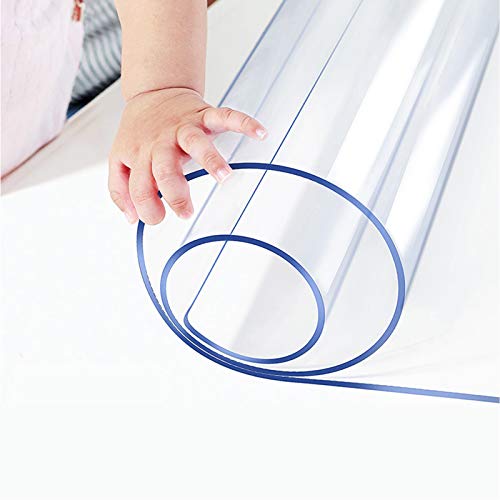
Wadrac Small Office Desk Protector Mat Clear PVC 12×24″

Wadrac 1.5mm Thick 24×48 Clear Vinyl Table Protector Pad
Wadrac 16×30 inch Clear PVC Desk Pad Protector

Tribesigns 47″ Small Dining Table Set for 2 (3-Piece)

Tribesigns 23.6″ Small Round Dining Table (Brown)

Tribesigns 31.5-Inch Square Dining Table for 4 (Brown)
The Strengths Of Each Pick
Cafe owners and home cooks hunting for a heavy-use round table will appreciate what this Tribesigns model brings to the floor. The thick top and brown wood-grain finish read as farmhouse rather than sterile commercial, while the cross-shaped pedestal gives it the kind of planted feel that survives a slammed plate or a kid climbing on it. Compared with the smaller Tribesigns round table reviewed later, this one leans more toward public-facing spaces.
For a two-seat layout in a bakery nook or studio apartment, the footprint is generous enough for plates and laptops without dominating the room. The vintage pedestal silhouette pairs well with bentwood chairs or modern metal stools depending on the room’s personality.
Where It Excels
- Thick tabletop shrugs off daily wear from plates, laptops, and writing.
- Cross-shaped pedestal provides planted stability for high-traffic seating.
- Brown wood-grain finish leans farmhouse, blending into cafes and apartments alike.
- Round shape eliminates sharp edges in tight, narrow layouts.
- Vintage silhouette adapts to bentwood or industrial seating choices.
Worth Noting
- Round shape seats only two comfortably, which may feel tight for shared meals.
- Brown wood-grain finish will show scratches from abrasive cleaners over time.
Quick Facts
Made For
Cafe and bakery owners, plus apartment dwellers who want a sturdy two-seat surface with farmhouse character.
Consider Something Else When
You regularly host four people, where the Tribesigns 31.5-Inch Square Dining Table seats a small family more comfortably.
This is the poly most first-time refinishers should reach for. Wipe-on polyurethane (a thin, hand-applied topcoat) sidesteps the brushwork that ruins most beginner projects, since drips and lap marks don’t form the way they do with thicker brush-on formulas. The satin sheen gives a hand-rubbed look that suits farmhouse tables, mid-century pieces, and reclaimed wood tops. For anyone restoring a beat-up oak dining surface, this quart is the friendliest starting point on the list.
Compared with the brush-on Minwax pint reviewed next, the wipe-on version trades speed for forgiveness. You apply more coats, but each one is nearly impossible to mess up.
What Helps Most
- Wipe-on application eliminates brush marks and drips for newcomers.
- Satin sheen delivers a soft, hand-rubbed look across farmhouse tables.
- Oil-based formula resists water, household chemicals, and food stains.
- Clear finish preserves the natural wood grain underneath.
Trade Offs
- Wipe-on formula requires more coats than brush-on poly for the same depth.
- Oil-based finish carries stronger fumes during application.
Feature Snapshot
Who It Suits Best
First-time refinishers tackling a farmhouse dining table who want satin sheen without brushwork.
Skip It When
You want faster build per coat, where the Minwax Fast Drying Polyurethane covers projects more quickly.
The half-pint format makes this Minwax a smart shelf-stocker for occasional touch-ups. Satin sheen matches the wipe-on quart above, so the two can coexist in a workshop without finish-mismatch problems. Woodworkers reaching for a small repair on a chair leg, a section of cabinet face, or a tabletop scratch will appreciate that the smaller can won’t skin over before they use half of it.
Compared with the quart reviewed earlier, this one prioritizes convenience over coverage. It won’t finish a full dining table, but it shines on small fixes.
What Makes Sense
- Compact ½ pint can reduces waste on small touch-ups.
- Satin sheen matches the wipe-on quart for consistent touch-up work.
- Oil-based formula hardens into a scratch-resistant protective coat.
- Clear finish suits both stained and bare wood projects.
Things To Consider
- Half-pint volume isn’t enough to coat a full dining table top.
- Oil-based formula needs solvent cleanup rather than soap and water.
Right Fit For
DIYers maintaining existing finishes who need a small can of satin poly for spot repairs.
A Better Fit Elsewhere
You’re refinishing an entire table, where the Minwax Oil-Based Wipe-On Poly quart provides the coverage you need.
Not every kitchen table wants a refinishing project. This clear PVC (polyvinyl chloride, a flexible clear plastic) mat drops onto a small surface and instantly creates a wipe-clean barrier against coffee mugs, marker mishaps, and craft glue. The 12×24 rectangular shape suits a nightstand, a small writing desk, or a side table in a tight entryway. PVC protectors like this one trade the warmth of polyurethane for grab-and-go practicality.
Compared with the larger 24×48 Wadrac mat reviewed next, this one targets tight surfaces where bulk would look out of place.
What Pays Off
- Clear PVC keeps the underlying wood or paint visible.
- Wipeable surface handles spills, craft glue, and pen marks easily.
- 12×24 rectangular footprint suits small desks and nightstands.
- No application skills needed, simply lay it flat and go.
Some Limits To Know
- Small 12×24 size won’t cover a full dining tabletop.
- PVC can show drag marks from heavy mugs without a felt pad underneath.
Best Suited To
Homeowners with a nightstand or compact desk who want invisible wipe-clean protection in a tight footprint.
Reach For A Different Pick When
You need a full-table barrier, where the Wadrac 1.5mm Thick 24×48 Clear Vinyl Pad covers a busy family surface.
The 1.5mm thickness makes this the most cushioned clear protector on the list. Thicker vinyl drapes better over rustic wood-grain finishes and dampens the clatter of dropped silverware, which families with young kids tend to appreciate. Heat-resistant construction gives it a practical edge over thinner mats when warm plates land directly on the surface.
Compared with the smaller 12×24 Wadrac mat, this one trades portability for full-table coverage. You can also trim it to fit custom shapes with a sharp pair of scissors.
Practical Advantages
- 1.5mm thickness cushions dropped utensils and resists folding creases.
- Heat-resistant surface handles warm plates without warping.
- Wipeable finish cleans up with a damp cloth after messy meals.
- Cut-to-size flexibility adapts to non-standard table shapes.
A Few Limitations
- Clear vinyl can cloud slightly under direct UV exposure over years.
- Larger 24×48 size needs accurate measuring before ordering.
Spec Overview
Who Should Grab It
Families with kids who want a wipeable, heat-tolerant barrier across an entire small dining table.
Where Another Pick Suits Better
You’d rather refinish the wood itself, where Minwax Oil-Based Wipe-On Polyurethane becomes the actual finish.
Mid-sized clear protectors hit a sweet spot that smaller mats miss. The 16×30 layout covers a writing zone plus a laptop area without spilling into the table edges, making it a natural fit for work-from-home setups and homework stations. Waterproof construction handles everything from a tipped water bottle to a marker mishap.
Compared with the heavier 1.5mm pad reviewed earlier, this one prioritizes a sleeker profile for desk-style surfaces.
Noteworthy Benefits
- Mid-size 16×30 layout fits writing desks and homework stations.
- Waterproof PVC wipes clean without staining the mat itself.
- Clear finish preserves the look of the wood underneath.
- Doubles as a mouse pad surface for laptop users.
Less Ideal Details
- Thinner profile than the 1.5mm pad, so heavier items leave more visible marks.
- Edges can curl slightly in high humidity without weighted corners.
Perfect Match For
Remote workers and parents who want a clear, wipeable writing-and-laptop zone without covering the whole table.
Swap It Out When
You need full-table coverage for family dinners, where the Wadrac 24×48 1.5mm pad handles the bigger footprint.
The 3-piece format solves a problem most apartment dwellers know well: where do two chairs go when the room is barely wider than a sofa? Benches tuck fully under the table when not in use, which keeps traffic lanes open in narrow eat-in kitchens. The white and rustic brown finish leans farmhouse, pairing naturally with a wipeable mat like the Wadrac 16×30 above for full-surface protection.
Compared with the round Tribesigns tables reviewed earlier, this rectangular set stretches seating length without demanding extra room width.
Good Reasons To Consider
- Benches slide under the table to free up floor space.
- 3-piece format means no separate chair shopping required.
- White and rustic brown finish matches farmhouse and modern decor.
- 47-inch length fits narrow apartment nooks comfortably.
Soft Spots
- Benches seat two comfortably but feel tight for three adults.
- Two-tone finish requires gentle cleaning to avoid water spots on white sections.
Whose Shelf It Belongs On
Apartment dwellers and small households who want a complete table-and-seating package in one delivery.
Not Your Match When
You host four diners regularly, where the Tribesigns 31.5-Inch Square Dining Table provides a roomier seat-four surface.
This is the smallest round pick in the Tribesigns trio, and the 1.57-inch thick tabletop gives it a chunky, grounded look that suits modern farmhouse spaces. The compact 23.6-inch diameter slips into breakfast nooks and bar corners where a 47-inch rectangular set would dominate. Pair it with the Minwax wipe-on poly reviewed earlier for a sealed, water-resistant finish that holds up to mugs and laptops.
Compared with the larger commercial Tribesigns round table, this one trades cafe-grade sturdiness for an apartment-friendly footprint.
The Upside
- Compact 23.6-inch diameter fits tight breakfast nooks and bars.
- 1.57-inch thick top resists daily scratches and water rings.
- Brown wood-grain finish blends with warm farmhouse palettes.
- Round shape removes sharp corners in narrow walkways.
Where It Is Less Suited
- Seats two comfortably, so dinner guests will need overflow seating.
- Thick top adds visual weight that may overpower small minimalist rooms.
Who Will Love This
Couples and solo dwellers who want a thick-topped two-person surface in a kitchen corner or breakfast bar.
Look Elsewhere When
You regularly host a third diner, where the Tribesigns 47″ 3-Piece Set provides benches for that extra guest.
A square top changes the dining dynamic in ways a round table can’t. Everyone faces the center instead of looking at a neighbor’s shoulder, which makes family meals feel more communal. The fluted edge adds a subtle decorative groove around the perimeter, while the X-base handles the rocking and shifting that four diners put a table through. Combined with a wipeable PVC mat, the surface becomes tough enough for homework sessions and dinner cleanup alike.
Compared with the smaller Tribesigns round tables reviewed earlier, this square design seats two to four people across its 31.5-inch span.
Real Benefits
- Square top centers the meal, encouraging face-to-face family conversation.
- Fluted edge detail adds farmhouse character beyond a plain tabletop.
- Sturdy X-base resists the rocking four diners tend to cause.
- Compact square footprint fits apartments and breakfast nooks.
Practical Considerations
- Square corners feel less forgiving in narrow walkways than round tables.
- Rustic wood finish may show scuffs from chair movement without a chair pad.
Built With In Mind
Small families and four-seat dining layouts in apartments, breakfast nooks, or cozy dining rooms.
Where A Sibling Pick Shines
You’re furnishing for two in a tight corner, where the Tribesigns 23.6″ Small Round Dining Table saves floor space.
Choosing The Right Finish And Protection For Your Kitchen Table
Finishes and surface protectors solve different problems, and pairing the right one with your wood and habits matters more than picking the priciest can on the shelf. Here’s where to spend your attention.
Oil-Based Polyurethane Versus Water-Based Poly
Oil-based poly (a polyurethane finish carried in petroleum-based solvents) cures into a harder, more chemical-resistant coat that ages to a warm amber tone. It handles water, alcohol, and household cleaners well, which is why the Minwax wipe-on and brush-on options above lean oil-based. Water-based poly dries faster and stays clearer over time, but generally needs more coats to match the same protection level. For farmhouse oak and pine tables that already carry warm undertones, oil-based finish tends to harmonize better with the wood.
Sheen And How It Reads In A Kitchen
Sheen describes how much light bounces off the cured finish, and the difference is more visible than people expect. Satin sits in the middle, hiding minor surface flaws while still showing the wood grain. Gloss reflects more light and makes imperfections obvious, while matte eats the light entirely. For most kitchen tables that see daily use, satin strikes the balance between looking elegant and forgiving the inevitable small scuff.
When A Wipeable PVC Mat Makes More Sense Than Refinishing
Refinishing a table takes days of sanding, coating, and curing. A clear PVC protector skips all of that and installs in seconds. PVC works best on tables that are already structurally sound but cosmetically worn, on rental furniture you can’t refinish, and on surfaces where kids’ craft projects are the bigger threat than water rings. The trade-off is that PVC ages into a cloudy look under heavy sun and doesn’t have the tactile warmth of real wood.
Matching Protection To Household Habits
Coffee spillers and craft-project parents tend to do best with a 1.5mm clear vinyl pad on top of a satin poly base. That combo gives the long-term protection of cured polyurethane with the daily convenience of a wipeable surface. Remote workers who treat the table as a desk tend to prefer a smaller 16×30 mat centered on the writing zone, leaving the dining edges exposed for plates and glasses. Choosing by habit, not just by spec sheet, is what makes the difference between a table that lasts one year and one that lasts a decade.
Key Considerations Across These Picks
Pitfalls Shoppers Hit
Measuring the table before ordering any PVC mat is the mistake that shows up most often. A 24×48 pad looks generous in photos but falls short on a 30×60 farmhouse top, leaving raw wood exposed where elbows land. Read the dimensions, then add an inch of trim allowance for a clean fit. Skipping the test coat is the other common trap: a quick swipe of poly on the underside tells you how the wood will react before you commit the whole tabletop.
Where The Extra Money Goes
Higher-tier polyurethanes and thicker PVC mats tend to win on three things: longer cure hardness, better stain blocking, and more even sheen across large surfaces. The Minwax quart costs more than the half-pint largely because it covers a full table in one purchase, and the 1.5mm Wadrac pad costs more than thinner mats because the cushion and drape hold up over years of daily meals. When a table sees three meals a day plus homework, the upgrade usually pays for itself in fewer refinishing cycles and less visible wear. For tables that only see weekend use, the budget tier holds up just fine.
