

A chilly draft, a puddle under the workbench, leaves drifting across the floor, the same small frustrations that quietly signal a worn seal. Replacing a tired strip turns the space into something more usable, whether you park a daily driver inside, treat the room as a workshop, or just want a cleaner entry. The list below focuses on black weather stripping options that fit a range of door sizes, climates, and skill levels, so you can stop fighting the gap at the floor or along the jambs.
A Side-By-Side Look

Jin&Bao Universal Garage Door Threshold Seal Strip 20FT Kit

DGSL Garage Door Bottom Seal 5/16 T-End 10 FT

DGSL Garage Door Bottom Seal 5/16 T-End 20 FT

24 FT Garage Door Brush Seal Kit for 8×8 Doors

36 FT Garage Door Brush Seal Kit for 12×12 Doors
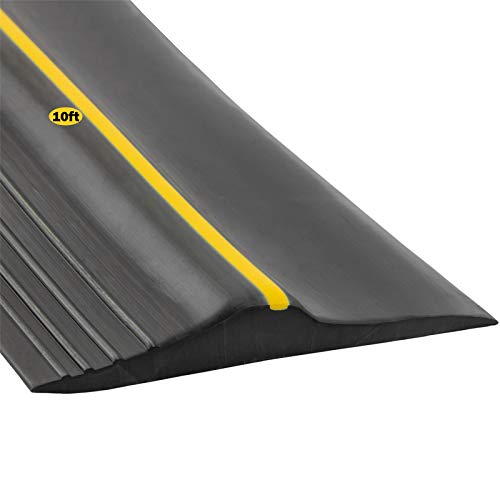
Papillon Garage Door Bottom Seal Strip EPDM Rubber 10Ft
Taking A Closer Look At The Options
Floor-level sealing sets the tone for the whole garage, and the Jin&Bao kit is built around that very idea. The rubber strip sits across the bottom of the door opening, so water, wind-driven rain, and grit meet a barrier before they reach the slab. For a single-car bay where puddles and blowing dust keep showing up, this approach tends to pay off fast.
The kit includes two adhesive beads along with the 20-foot strip, so the install leans more toward a one-afternoon project than a weekend rebuild. Compared with the shorter DGSL 10-foot option below, you get enough length for a wider opening without buying extra material.
What Helps Most
- 20-foot run handles a full single-car door without splicing.
- Rubber compound stays flexible across a wide temperature swing, so winter freezes are less likely to crack the seal.
- Adhesive-backed design makes the install approachable for first-time DIYers.
- Threshold style blocks wind-driven rain and blowing leaves at the most common entry point.
Things To Consider
- Threshold strips require a clean, dry slab for the adhesive to hold long-term.
- Only covers the floor gap, so side and top drafts still need separate attention on older frames.
Feature Snapshot
Made For
Homeowners with a single-car garage who want a floor-level fix they can install in an afternoon without specialty tools.
Look Elsewhere When
The Papillon bottom seal suits you better when you prefer sliding the strip onto the door’s bottom retainer rather than gluing to the slab.
Compact projects call for compact kits, and a 10-foot strip covers the shorter doors found on detached workshops or older single-car bays. The T-end profile slides into a matching channel on the bottom of the door, so the seal becomes part of the door itself rather than a feature of the floor. You see this style on retrofits where the original retainer is already in good shape.
Compared with the Jin&Bao threshold above, this DGSL strip attaches to the door, which keeps the slab clear of adhesive and works well on uneven concrete. You may find the 10-foot length tight on a wider two-car opening, so measure before ordering.
A Few Highlights
- 5/16-inch T-end fits common retainer channels on standard sectional doors.
- Flexible rubber stays pliable through cold mornings, so the seal doesn’t go rigid.
- Door-mounted design works on slightly sloped or uneven driveways.
- Compact 10-foot length keeps leftover waste low for short doors.
Points To Note
- Requires a compatible T-channel already on the door, otherwise the strip won’t seat properly.
- Not long enough for a 16-foot two-car opening without ordering a second piece.
Whose Shelf It Belongs On
Owners of older single doors with an existing T-channel who want a quick door-mounted replacement without touching the slab.
Consider Something Else When
The DGSL 20-foot T-end strip suits you better when a wider two-car door needs the same channel-friendly mounting.
Two-car doors eat through short strips, which is exactly where the 20-foot DGSL earns its keep. The same T-end profile as the 10-foot version means you swap one for the other with no learning curve, just longer material to work with. For a standard 16-foot opening, you trim a small amount off the end rather than joining two pieces.
Where the Jin&Bao threshold below changes the floor line, this strip stays with the door and keeps the concrete clean. You may find the rubber a bit firm out of the package, so laying it in the sun briefly before install makes sliding it into the channel much easier.
Why It Works Well
- 20-foot length handles a typical two-car door with little to no splicing.
- Same 5/16 T-end geometry as the shorter sibling, so the install feels familiar.
- U-shape and O-ring structures inside the profile help press the seal against uneven concrete.
- Door-mounted approach avoids any glue residue on finished slabs.
Honest Caveats
- Still relies on an existing T-channel, so rusted retainers need replacement first.
- Longer length takes more care to keep straight during the slide-in step.
Feature Card
Who Should Grab It
Two-car garage owners with a working T-channel who want a clean, door-mounted seal without committing to a full floor rebuild.
Skip It When
The Mindoub 24-foot brush kit fits your needs better when drafts are coming in through the top and sides of the door rather than just the floor.
Brush seals earn their reputation on uneven frames, and this Mindoub kit covers three sides at once for a standard 8-by-8 opening. The nylon bristles reach across gaps that a flat rubber strip would skip over, so light, dust, and small debris stay on the outside. Pre-drilled aluminum tracks shorten the install since you skip the measuring and pilot-hole step.
The rubber options above all focus on the floor, while this kit tackles the header and both side jambs together. You may find the bristles a touch thicker than expected, which is a good thing for sealing but worth noting if your door needs very tight clearance at the tracks.
Well-Handled Touches
- Brush profile flexes over warped or rusted door frames better than rigid rubber.
- Pre-drilled aluminum track saves a real chunk of install time.
- Three-side coverage blocks drafts that a floor-only seal would miss entirely.
- 3-inch bristle length reaches across generous gaps on older wooden jambs.
Practical Considerations
- Doesn’t address the floor gap, so you may still want a threshold or T-end strip.
- Sized for a standard 8×8 door, so larger bays need the 12×12 kit instead.
Quick Facts
Right Fit For
Homeowners with a standard 8×8 door who notice side or top drafts and want one kit to handle all three sides.
Reach For A Different Pick When
The Mindoub 36-foot brush kit suits you better when your door measures 12×12 and needs the same perimeter coverage at a larger scale.
Oversized doors show their seams at the top and sides faster than standard openings, which is exactly why a 36-foot brush kit exists. The Mindoub commercial-grade version uses the same 3-inch nylon bristles and pre-drilled aluminum track as the 8×8 kit, just scaled up for 12-by-12 bays. For warehouses, hobby shops, or RV garages, this scale matches the opening without trimming pieces together.
Where the smaller brush kit handles a residential door, this one trades compact handling for full perimeter coverage on large frames. You may find two helpers useful during install since longer tracks bow more easily when mounting solo.
The Practical Payoff
- 36-foot run covers the header and both jambs of a 12×12 opening in one kit.
- 3-inch bristles handle the wider gaps common on older commercial frames.
- Aluminum tracks resist corrosion in humid shop environments.
- Brush design tolerates the small frame warping that flat seals can’t bridge.
Trade Offs
- Floor gap remains untouched, so a separate bottom seal is still worth considering.
- Longer tracks need careful handling to keep them straight while fastening.
Best Suited To
Owners of 12×12 commercial or oversized residential doors who need three-side coverage that standard residential kits can’t reach.
Where Another Pick Suits Better
The Mindoub 24-foot brush kit fits you better when your opening is a standard 8×8 residential door and you don’t need the extra 12 feet.
EPDM rubber is a synthetic elastomer widely used in weather seals because it resists UV, ozone, and wide temperature swings without cracking. The Papillon strip leans into that material story, forming a 1/2-inch tall barrier at the floor without needing any adhesive. For a homeowner renting a space or hesitant to glue anything to a slab, the no-glue design removes the biggest hesitation.
Unlike the Jin&Bao threshold above, which bonds to the floor, this strip behaves more like a door-mounted seal with a lower profile. The 10-foot length works for a smaller single-car door, and the material can be trimmed with standard scissors for a custom fit.
What Earns Its Place
- EPDM rubber holds up to sun, ozone, and temperature extremes better than generic rubber.
- No-adhesive install keeps the slab clean for renters or temporary fixes.
- 1/2-inch height creates a noticeable barrier against light pooling water.
- Easy to trim with basic tools, so odd-sized doors still get a custom fit.
Small Caveats
- 10-foot length means you measure carefully for anything wider than a single car.
- Floor-only placement means top and side drafts still need attention separately.
Feature Overview
Perfect Match For
DIY homeowners working on a standard door who want a clean, no-glue install and value EPDM’s long-term durability in harsh weather.
A Better Fit Elsewhere
The Jin&Bao 20-foot threshold kit suits you better when you want a longer adhesive-backed run that handles a wider single-car opening.
What To Weigh Before Picking A Garage Door Seal
Start with the gap you’re trying to close, because floor drafts, side leaks, and header drafts each call for a different shape. Rubber threshold strips work at the bottom and handle pooling water well, while T-end seals slide into an existing retainer channel for a door-mounted fix. Brush kits wrap the sides and top, which is where most air leaks hide on older frames, and they forgive small frame warping better than flat rubber.
Next, measure twice. A standard residential opening sits at 8 by 8 feet, but two-car garages stretch to 16 feet across, and oversized bays hit 12 by 12. Picking a strip that runs short leaves a splice in the middle of the door, and splicing at the floor usually leaks. Picking one that runs long just means trimming, which is far easier to live with.
Material choice matters more than people expect. EPDM rubber (a tough synthetic elastomer used in outdoor seals) handles UV and ozone far better than generic rubber, especially on south-facing doors that cook in summer sun. Nylon bristles shine on uneven frames because they bend rather than gap, while flat rubber wins on smooth concrete where a tight compression seal is possible.
Finally, think about install style. Adhesive-backed thresholds bond to the slab and leave residue if you ever remove them, which matters for renters. Door-mounted T-end strips need an intact retainer channel, and brush kits need a drill and a helper for longer tracks. Matching the install to your comfort level keeps the project a weekend job instead of a multi-day repair.
Picking The Right Match And Avoiding Common Snags
Where Shoppers Go Wrong
Measuring only the door and forgetting the frame is one of the most common slip-ups. The strip has to cover the opening plus the track depth, and forgetting that detail turns a 16-foot door into a 17-foot order. Another trap is buying a T-end strip for a door without the matching channel, which is a frustrating discovery halfway through install. Skipping surface prep also hurts: adhesive thresholds need a clean, dry slab, and brush tracks need straight, sound wood or metal to bite into.
Where The Extra Money Goes
Larger brush kits cost more because of the longer aluminum tracks and added bristle material, and they earn their keep on oversized or commercial doors where shorter residential kits simply don’t reach. Premium EPDM rubber commands a small premium over generic rubber, and the trade shows up after a few seasons of UV exposure when cheaper strips start cracking. Pre-drilled tracks also add a few dollars, but they save real time on the install and reduce the chance of crooked pilot holes, which matters on longer runs.
Frequently Asked Questions
How Long Should A Garage Door Weather Stripping Last?
Most rubber seals last roughly three to five years under normal weather, while EPDM and brush kits can stretch closer to seven or more when installed cleanly and kept clear of debris.
Can I Install A Garage Door Seal Myself?
Yes, a homeowner with a measuring tape, scissors, and basic tools can usually handle threshold and T-end installs in an hour or two. Brush kits with pre-drilled tracks run a little longer but stay within a single afternoon for most people.
What Is A T-End Seal?
A T-end seal has a small T-shaped anchor along its top edge that slides into a matching metal channel on the bottom of the garage door, holding the strip in place without adhesive.
Do Brush Seals Work On Uneven Floors?
Brush seals handle uneven floors better than flat rubber because the bristles flex to follow small dips and rises in the concrete, while flat seals need a smooth surface to press against.
Should I Replace All Three Sides At Once?
Not necessarily, but drafts often come from more than one side, so checking the top and jambs before buying a floor-only strip can save a second project later.
Closing Remarks
The right strip depends on where the air and water are sneaking in, and matching the product to that gap matters more than any other choice. Measure the opening, look at the frame, and pick the style that fits both. A clean install turns the garage into a more useful room, and the work is well within reach for most homeowners.
