

A frozen pipe that bursts at 2 a.m. costs thousands of dollars, ruins ceilings, and ruins your week. Choosing the right pipe freeze protection before the first deep cold snap saves you from the plumber’s emergency rate and the misery of no running water. The picks below cover active heating cables and passive insulation, so you can match the right tool to your home’s layout, climate, and pipe material.
The Leading Options At A Glance

Nwsuewi 80FT Pipe Heat Tape -40°F Protection
Nwsuewi 200FT Pipe Heat Tape -40°F Protection

Frost King ELB78H Self-Sealing Pipe Insulation Elbow
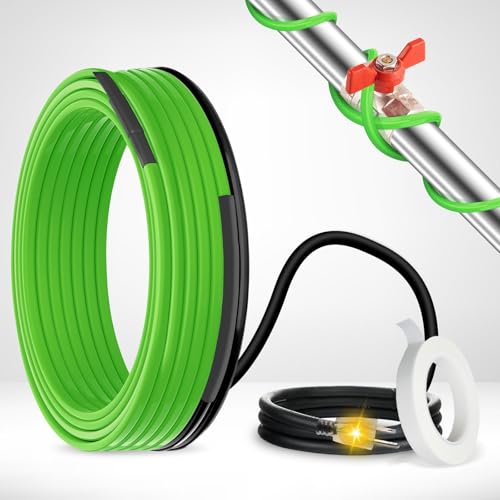
MAXKOSKO 16ft Self-Regulating Heat Tape 120V

JDZKOMKE 120FT Pipe Heating Cable

Nwsuewi 30FT Pipe Heat Tape -40°F Protection

JDZKOMKE 50FT Pipe Heating Cable
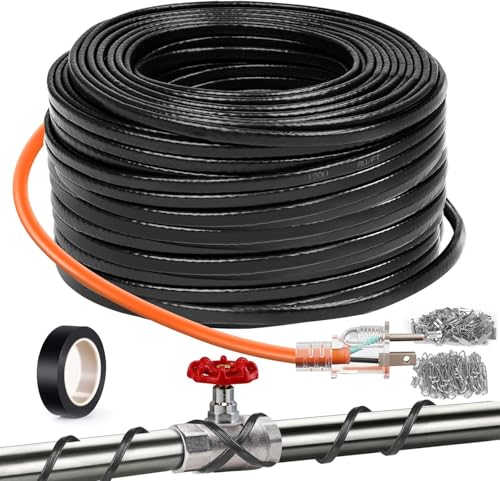
JDZKOMKE 80FT Pipe Heating Cable
JDZKOMKE 140FT Pipe Heating Cable

Radiant Solutions Intelligent Heat Tape with GlowCap 30ft
Why These Options Stand Out
Homes with crawl-space plumbing running 60 to 80 feet through unheated space get a sensible match here. The 120-volt cable pulls 5 watts per foot, which translates to roughly 400 watts of steady warmth along the run, enough to keep water moving past the freezing threshold during a multi-day cold snap.
The inner conductor uses a 99.9% pure copper core rather than a copper-clad alloy, and that matters because copper’s thermal conductivity keeps the heat spread even along the full length. An IP68 waterproof rating means the cable shrugs off standing water and snowmelt in damp crawl spaces. Compared to the shorter Nwsuewi 30-foot tape later in this list, this version trades portability for reach, and it shows up strong on long rural runs.
Where It Excels
- Pure copper heating core distributes warmth evenly along the cable
- 5W/ft output rated for sustained use down to -40°F
- 5-foot grounded plug with indicator light confirms power at a glance
- IP68 rating handles damp basements and crawl-space humidity
- Multiple length options in the family let you match pipe runs from 3 to 200 feet
Trade-Offs To Weigh
- Constant-draw design means steady electricity use across the entire winter
- No built-in thermostat, so a separate controller is useful in milder climates
Right Fit For
Homeowners with 60 to 80 feet of vulnerable pipe running through an unheated crawl space or attached garage in regions that regularly drop below 0°F.
Look Elsewhere When
The Nwsuewi 30FT Pipe Heat Tape serves you better for a short exposed section under a kitchen sink or in a small basement utility area.
Long, sprawling properties with pipework that loops around a basement, out to a well house, and through an attached workshop need a single cable that can cover the whole run. At 200 feet, this is the longest option in the lineup, and it pulls the same steady 5 watts per foot as the shorter Nwsuewi 80-foot version.
That kind of length translates to roughly 1,000 watts of continuous draw during cold stretches, so a dedicated outlet on a 15-amp circuit is a practical consideration. The same IP68 waterproof rating and pure copper core carry over from the smaller sibling, and the 5-foot grounded plug with indicator light keeps installation simple.
Everyday Perks
- 200-foot run covers whole-home plumbing without splicing cables
- Pure copper heating core maintains even thermal distribution across long distances
- 5W/ft output prevents freezing at -40°F in real winter conditions
- Indicator light confirms the cable is actively heating at a glance
Factors To Consider
- Continuous draw of around 1,000 watts requires a dedicated circuit in many homes
- Single long cable is harder to replace section-by-section if damage ever occurs
Who It Suits Best
Owners of rural properties, barndominiums, or multi-section homes with extended vulnerable plumbing and a dedicated electrical circuit available.
Skip It When
The Nwsuewi 80FT Pipe Heat Tape is a smarter fit for properties with shorter vulnerable runs under 100 feet total.
Passive insulation earns its place next to active heating cables, especially at the joints and bends where straight foam tubes leave gaps. This pre-slit polyethylene elbow slips over 3/4-inch copper and seals itself when the protective paper pulls away, so you can dress the trickiest spots in a basement mechanical room without fumbling with tape.
The square ends press together for a tight fit at tees and elbows, which is where most heat loss actually happens on insulated pipe runs. Foam insulation alone rarely stops a deep freeze, but paired with a heat cable like the Nwsuewi 80-foot option, it cuts standby heat loss and trims electric draw. The honest read is that this is a finishing piece, not a standalone solution for -20°F nights.
The Case For It
- Self-sealing adhesive closure speeds up installation at awkward angles
- 3/8-inch foam wall adds meaningful R-value at elbows and tees
- Polyethylene foam resists moisture and mildew in damp basements
- Affordable finishing layer that pairs with any active heating cable
Points To Note
- Foam alone cannot prevent freezing in prolonged sub-zero exposure
- Designed specifically for 3/4-inch copper and may not fit larger supply lines
Best Suited To
DIYers finishing off a pipe insulation project who need a clean seal at 90-degree bends and tee junctions without wrestling with wrap tape.
Not Your Match When
The Radiant Solutions Intelligent Heat Tape serves you better if you want a complete active freeze-prevention system for indoor copper plumbing.
Short pipe runs under kitchen sinks, in meter closets, or along a basement ceiling benefit from a cable that adjusts its own output instead of running flat-out all winter. This self-regulating heating cable automatically varies its power draw based on the surrounding temperature, so it idles when the air warms up and ramps up when the mercury drops.
At 16 feet with a 6-foot power cord, it targets narrow problem spots where the bulkier 80-foot Nwsuewi tape would be overkill. The 5W/ft output keeps water flowing in temperatures down to -40°F, and the self-regulating nature makes it a smart upgrade for households that watch their electric bills. You may find the 16-foot length limiting on anything beyond a single vulnerable span.
Real-World Strengths
- Self-regulating tech reduces energy use during warmer winter stretches
- 5W/ft heating capacity handles -40°F conditions
- 6-foot cold lead simplifies reaching the nearest outlet
- Available in lengths from 2 to 150 feet for varied layouts
Small Caveats
- 16-foot length covers only a single short vulnerable section
- Higher upfront cost per foot compared to constant-draw cables
Feature Snapshot
Whose Shelf It Belongs On
Apartment dwellers and condo owners with one cold spot under a sink or in a mechanical closet where energy efficiency matters as much as protection.
A Better Fit Elsewhere
The JDZKOMKE 50FT Pipe Heating Cable suits larger projects with multiple vulnerable zones spread across a basement or crawl space.
Outdoor pipework, well houses, and exposed plumbing along exterior walls demand a cable built tougher than a basic indoor strip. This 120-foot heating cable carries an aluminum alloy shield at roughly 70% coverage wrapped in a TPE jacket that resists UV rays and chemical exposure, so it can take direct sunlight and damp conditions without breaking down.
The grounded 5-foot plug with indicator light lets you confirm power from outside without venturing into cold corners. Rated for copper, PVC, and PEX pipe, it covers the most common residential materials in one product. Compared to the Nwsuewi 200-foot option earlier, this trades raw length for better physical durability.
The Good Stuff
- Aluminum alloy shielding cuts short-circuit risk across long runs
- TPE jacket shrugs off UV, chemicals, and abrasion in outdoor spots
- 5W/ft output prevents ice formation at -40°F
- Compatible with copper, PVC, and PEX pipe materials
- Grounded plug and indicator light add a layer of installation safety
Honest Caveats
- Heavier jacket makes the cable less flexible in tight bends than lighter options
- Cannot be used inside pipe or for potable water applications where the water contacts the cable
Key Product Details
Made For
Property owners with above-ground outdoor plumbing, well houses, or pipes routed along exterior walls in regions with intense winter sun and cold snaps.
Swap It Out When
The Nwsuewi 200FT Pipe Heat Tape is a better match for purely indoor extra-long runs where UV resistance is irrelevant.
Targeted freeze problems along short pipe sections call for a compact cable that fits the job without excess length coiled in the joists. This 30-foot tape is the sweet spot for a single vulnerable span under a sink, behind a washing machine, or along an exterior wall where the pipe dips into an unheated zone.
The same 5W/ft rating, IP68 waterproof housing, and 99.9% pure copper core carry over from the longer Nwsuewi tapes, so you get consistent quality at a smaller scale. The 5-foot grounded plug and indicator light make daily checks easy. For most apartments and small homes, this is the practical size to reach for first.
Real Benefits
- 30-foot length suits single vulnerable sections without excess cable
- Pure copper core matches the performance of the longer Nwsuewi options
- 5W/ft output prevents freezing down to -40°F
- Indicator light offers at-a-glance power confirmation
Things To Consider
- Limited to a single short run; multiple problem zones require multiple cables
- Constant-draw design uses electricity whenever plugged in
Technical Reference
Who Will Love This
Renters and condo owners with one specific frozen-pipe problem area who want a focused fix without buying more cable than needed.
Another Choice May Suit
The MAXKOSKO 16ft Self-Regulating Heat Tape is a better energy-saving alternative for a single short indoor segment in a milder climate.
Mid-sized basements and crawl spaces with two or three vulnerable spans get practical coverage from a 50-foot shielded cable. The aluminum alloy shield and TPE jacket wrap the same way as the longer JDZKOMKE siblings, so you gain the durability without overbuying on length.
The 5W/ft heating output handles -40°F conditions, and the 5-foot grounded plug with indicator light lets you confirm operation from a glance. The 2-foot pack quantity note aside, this single 50-foot run covers a moderate pipe layout cleanly. Compared to the MAXKOSKO 16-foot self-regulating option, this trades efficiency tuning for sheer toughness.
Strengths Worth Knowing
- Aluminum alloy shielding handles basement and crawl-space moisture
- TPE jacket adds chemical and UV resistance for tough spots
- 50-foot length suits mid-sized basements without excess cable
- 5W/ft output prevents freezing in extreme cold
- Grounded plug and indicator light improve installation safety
A Few Limitations
- Stiffer jacket is harder to wrap around tight corners than basic cables
- No thermostat means continuous draw across the heating season
Perfect Match For
Homeowners with a moderate basement layout containing two or three pipe spans that need reliable, shielded freeze protection.
Reach For A Different Pick When
The JDZKOMKE 80FT Pipe Heating Cable is a better match when the protected run stretches past 50 feet through a workshop or garage.
Detached garages, utility rooms, and workshop plumbing face a rougher environment than a climate-controlled basement. This 80-foot cable from the JDZKOMKE shielded family handles the wear with a TPE outer jacket that takes abuse from tools, ladders, and incidental contact without exposing the inner conductor.
The aluminum alloy shielding at 70% coverage keeps the cable operating safely around metal pipes and near stray wiring. At 5W/ft, the cable maintains water flow down to -40°F, and the 5-foot grounded plug with indicator light lets you verify operation from across the room. For a project that involves drilling, hammering, and general workshop activity, the tougher jacket earns its keep.
What Earns Its Place
- TPE jacket withstands physical contact common in workshop settings
- Aluminum shielding protects against shorts in busy utility spaces
- 80-foot length covers a typical garage plumbing run comfortably
- 5W/ft output keeps pipes flowing at -40°F
- Indicator light simplifies routine winter checks
Potential Drawbacks
- Heavier construction takes more effort to spiral-wrap than lighter cables
- Continuous power draw without a built-in thermostat for milder days
Built With In Mind
DIYers and tradespeople running water to a detached garage, barn, or workshop where physical durability matters as much as heating capacity.
Consider Something Else When
The Nwsuewi 80FT Pipe Heat Tape is a better fit when the run is purely indoor and you don’t need the heavy-duty jacket.
Properties with plumbing that snakes through a basement, climbs an exterior wall, and continues to an outbuilding need length without sacrificing protection. This 140-foot JDZKOMKE cable gives you room to cover three or four zones from a single run, with the same aluminum shielding and TPE jacket carried across the family.
At 5W/ft, the cable pulls roughly 700 watts of steady heat, which is enough to push past deep cold without overwhelming a standard 15-amp household circuit. The grounded plug with indicator light makes daily verification easy even when the run extends across multiple rooms. Compared to the 80-foot sibling, this opens up multi-zone protection in one cable.
Strong Points
- 140-foot run covers multi-zone plumbing from basement to outbuilding
- Aluminum alloy shielding prevents shorts across complex layouts
- TPE jacket resists UV and chemical exposure along exterior sections
- 5W/ft output maintains water flow in extreme cold snaps
- Grounded plug with indicator light adds installation confidence
Where It May Fall Short
- Continuous draw of around 700 watts adds to winter electric costs
- Stiffer jacket requires careful routing around tight elbows
Who Should Grab It
Owners of multi-section properties with extended vulnerable plumbing who want one continuous shielded cable instead of splicing shorter runs.
Where A Sibling Pick Shines
The Nwsuewi 200FT Pipe Heat Tape works better for purely indoor installations where the heavy-duty jacket isn’t necessary.
Set-and-forget indoor protection appeals to homeowners who don’t want to plug and unplug a heat cable each fall and spring. The integrated thermostat activates the cable only when ambient temperatures drop below 37°F, so the unit cycles on and off automatically without a separate controller.
The GlowCap indicator offers a visual cue that the cable is actively heating, and self-regulating output adjusts power based on pipe conditions. Compatibility with copper, steel, PVC, ABS, and PEX covers most residential plumbing materials. You may find the cable only kicks in once temperatures truly drop, so an ice-pack test before installation is the smart move.
Where It Delivers
- Built-in thermostat automates operation below 37°F
- GlowCap provides visual confirmation of active heating
- Self-regulating output trims energy use during milder stretches
- Compatible with copper, steel, PVC, ABS, and PEX pipe
- 30-foot length handles typical indoor vulnerable sections
Details To Watch
- Designed for indoor use only, not rated for outdoor installation
- Thermostat must be exposed to ambient air to function correctly
Feature Rundown
The Right Fit
Indoor homeowners in mixed-climate regions who want automatic freeze protection that switches on only when needed without manual thermostat setup.
Look Elsewhere When
The JDZKOMKE 50FT Pipe Heating Cable is a better choice for longer indoor or covered outdoor runs where a built-in thermostat is unnecessary.
What Matters Most Before Choosing Pipes For Freezing Conditions
Measure Before You Buy
Cable length is the easiest spec to misjudge, and an extra coil of heat tape tucked into a joist cavity creates a fire-adjacent risk and wastes energy. Walk the pipe route with a tape measure, count the linear feet including a small allowance for spiraling or straight runs, and add the distance from the nearest outlet to the start of the vulnerable section. Most manufacturers offer 3 to 200 feet, so the gap between sizes is usually small.
Pipe material matters too because some cables work better with copper than PEX, and vice versa. Heat output is rated in watts per foot, and 5W/ft is the common baseline for serious freeze protection. For most residential applications, that level keeps water moving in temperatures well below 0°F without overpowering the pipe or insulation.
Match The Cable To Its Location
Indoor installations under sinks, in basements, and along interior walls rarely need heavy-duty jacketing. A basic IP68-rated cable with a grounded plug handles these conditions comfortably. Outdoor runs along exterior walls, in well houses, or across detached garages benefit from TPE jackets and aluminum shielding that resist UV, chemicals, and physical contact.
Think about how often you’ll interact with the cable. Self-regulating or thermostat-equipped models like the Radiant Solutions Intelligent Heat Tape save energy without manual intervention. Constant-draw cables work fine but pull steady wattage whenever plugged in, which adds up across a four-month heating season.
Electrical Practicalities
Heat cables plug into standard 120V outlets, but longer runs pull serious wattage. A 200-foot cable at 5W/ft draws roughly 1,000 watts continuously, which sits fine on most household circuits but leaves no room for other loads on the same breaker. A dedicated circuit prevents nuisance trips and keeps the cable running during peak household demand.
GFCI protection (ground-fault circuit interrupter) is a sensible upgrade for any cable near water sources, and many codes require it for basement and crawl-space outlets. Verify that the outlet you plan to use matches local electrical code before installation begins.
Combine Active And Passive Protection
Heating cables work best paired with foam pipe insulation, especially at elbows and tees where heat loss concentrates. The Frost King ELB78H elbow cover seals those joints and keeps the cable’s output focused on the pipe rather than bleeding into open air. Insulation alone rarely prevents freezing in deep cold, but it cuts the cable’s workload and trims energy use.
Picking Between The Options In This List
Common Shopping Slip Ups
The most frequent mistake is buying a cable that’s too short, then discovering that the next size up pushes you past a single circuit’s capacity. Measure twice and buy the longer option if you’re between sizes, because coiled excess cable is easier to manage than an unprotected gap. Another slip is installing a constant-draw cable without checking the outlet for GFCI protection, which creates a real safety gap in wet basements.
Where The Extra Money Goes
Premium cables in this list, like the JDZKOMKE family, add aluminum shielding, TPE jackets, and certified grounding, which translates to better durability outdoors and longer service life in damp basements. Self-regulating tech like the MAXKOSKO 16-foot option costs more per foot but trims electric bills over the heating season. For purely indoor short runs, the extra investment rarely pays back, but for outdoor or multi-zone projects it earns its keep quickly.
Frequently Asked Questions
How long can a pipe heat tape stay plugged in?
Most residential heat cables are designed for continuous winter operation, but pairing a constant-draw cable with a thermostat or using a self-regulating model cuts energy use during milder stretches. Always follow the manufacturer’s installation guidance for unattended runtime.
Can heat tape be used on PEX or PVC pipe?
Yes, the cables in this list are rated for copper, PVC, and PEX, and the Radiant Solutions model adds steel, ABS, and other common residential materials. Verify the specific pipe material on the product page before installation.
Do heat cables work without insulation?
They can, but pairing a cable with foam pipe insulation like the Frost King ELB78H elbow cover concentrates heat on the pipe and reduces energy waste, especially at elbows and tees where heat loss peaks.
Where should heat tape not be installed?
Heat cables should not be installed inside pipe, in direct contact with potable water, or on surfaces that exceed the manufacturer’s rated temperature. Outdoor-only cables should stay out of indoor drywalled cavities unless rated for that environment.
How do I test a heat tape cable before installation?
The Radiant Solutions model suggests an ice-pack test because the built-in thermostat only activates below 37°F. Wrap the thermostat end in an ice pack for several minutes and confirm the indicator light comes on before committing to a permanent install.
Closing Remarks
The right pipe freeze protection comes down to matching length, jacket durability, and control features to your specific layout and climate. Short indoor runs suit compact constant-draw cables, while extended outdoor or multi-zone plumbing benefits from shielded, jacketed options with stronger build quality. Measure carefully, verify your circuit capacity, and pair any active cable with foam insulation at the joints for the cleanest, most efficient setup.
