

A working sump pump only earns attention when it stops working, which is exactly when you need it most. Heavy spring rain, sudden snowmelt, or a sump basin that runs more often than it should all put a pump through the kind of stress that exposes weak welds and cheap seals. For homeowners with finished basements, anyone running a workshop below grade, or folks dealing with a high water table, the goal is the same: a pump that starts on its own, moves the volume you need, and keeps doing it for years. The nine picks below cover the most common residential and light-commercial needs, from compact basement workhorses to debris-handling trash pumps built for the messier end of water removal.
A Quick View Of The Lineup

WAYNE CDU800 1/2 HP Submersible Sump Pump (5,100 GPH)
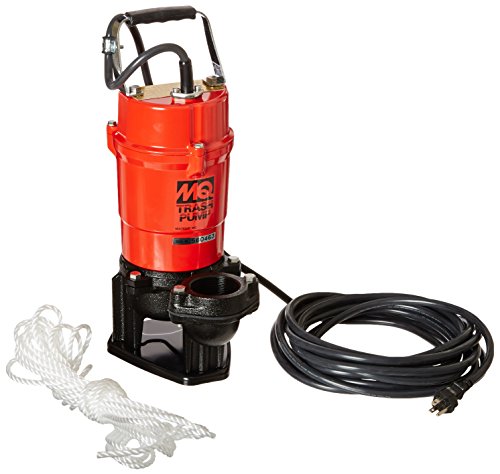
Multiquip ST2040T Submersible Trash Pump (1 HP, 79 GPM)

Tsurumi LB-480 Submersible Dewatering Pump (2/3 HP)

Prostormer 1 HP 3500 GPH Submersible Sump Pump

AQUASTRONG 1 HP Sump Pump (4500 GPH)

Aquastrong 1/2 HP Submersible Utility Pump (3159 GPH)
Aquastrong 1/2 HP Utility Pump (3159 GPH, Float Switch)

Aquastrong 1/2 HP Automatic Sump Pump (3159 GPH)

Prostormer 1/2 HP 2110 GPH Submersible Sump Pump
The Details Behind The Selections
The WAYNE CDU800 sits in a sweet spot many homeowners look for: a 1/2 HP cast iron and stainless steel body rated to move up to 5,100 gallons per hour. That kind of throughput gives you headroom during a multi-day rainstorm when groundwater keeps feeding the basin, and the top-suction design pulls water down to a low level without gulping air.
The vertical float switch is the part you’ll rely on most over the years. It’s rated to a million cycles, so for most households that translates into roughly a decade of automatic on-and-off service before any meaningful wear shows up. Compared to the lighter thermoplastic utility pumps later in this list, the CDU800 feels purpose-built for permanent installation in a basement pit.
A Few Highlights
- 5,100 GPH output handles sustained inflow from a high water table
- Cast iron housing with stainless steel internals for long service life
- Top-suction intake cuts down on air-lock and reduces basin sediment pickup
- Vertical float switch rated to 1 million cycles for dependable automatic runs
- 3-year warranty covers the kind of failures that show up early in a pump’s life
Things To Consider
- Cast iron weight makes installation a two-person job in deep pits
- Not designed to pass solid debris, so a separate trash pump may be needed for muddy water
Best Suited To
Homeowners with a finished basement who want a permanently installed primary pump that won’t be replaced for many years.
Reach For A Different Pick When
The Multiquip ST2040T is a smarter choice when your sump water carries silt, leaves, or construction debris that would clog a clean-water pump.
The Multiquip ST2040T is built for the kind of cleanup work that destroys a residential sump pump. It handles up to 79 gallons per minute through a 2-inch port and can pass solids up to about an inch across, which means muddy water, sand, and small debris won’t stall the impeller the way they would on a clean-water unit.
Unlike the WAYNE CDU800 reviewed above, this isn’t a quiet basement workhorse. It’s a contractor-grade tool meant for jobsite dewatering, pond draining, or post-storm cleanup where you haul the pump to the water rather than waiting for the water to come to it. The cast iron volute and neoprene-lined impeller are designed for abrasion, and the carrying handle plus thermal overload protection make it usable by one person across a long workday.
Notable Gains
- Passes up to 1-inch solids without clogging the impeller
- 1 HP single-phase motor delivers 79 GPM for fast pit emptying
- Cast iron housing with neoprene impeller overlay resists abrasive wear
- Internal thermal protection prevents motor burnout during long runs
Worth Noting
- 2-inch porting requires matching heavy-duty discharge hose, which is sold separately
- Larger footprint and weight than typical residential sump pumps
- Overkill for clean groundwater in a normal basement pit
Who It Suits Best
Contractors and homeowners dealing with muddy floodwater, construction runoff, or pond and pool cleanouts where debris is part of the workload.
A Better Fit Elsewhere
Pick the WAYNE CDU800 instead when your sump basin only sees clean groundwater and you want a quiet, permanently installed pump.
The Tsurumi LB-480 is the pump you reach for when the basin is the problem. Its slimline body drops into an 8-inch caisson, which is smaller than what most residential pumps need, so it’s a real option for tight sump pits, narrow well casings, and shallow construction excavations.
Flow sits at 63 GPM, or roughly 3,780 gallons per hour, which lands it between the lightweight Aquastrong utility models and the heavy-hitter Multiquip trash pump above. The 32-foot power cord gives you reach without needing an outdoor extension, and the urethane impeller handles sandy water better than a basic thermoplastic one.
A Strong Showing
- Slim housing fits an 8-inch caisson where standard pumps won’t go
- 2/3 HP motor moves 63 GPM, enough for typical residential sump duty
- 32-foot cord simplifies outdoor or deep-pit installations
- Urethane impeller and wear plates tolerate abrasive silty water
Trade Offs
- Not intended for solids beyond fine sediment
- Smaller discharge port limits how fast you can empty a large basin
Made For
Homeowners with narrow sump pits and contractors handling shallow dewatering on jobsites with limited space.
Look Elsewhere When
The Multiquip ST2040T makes more sense when solids over half an inch are part of the water you’re moving.
The Prostormer 1 HP model delivers 3,500 GPH of flow at a price point that sits well below the cast iron residential pumps. That puts it in reach for a budget-conscious homeowner replacing a failed unit after a storm, or for a backup sump that lives next to a primary pump.
You give up the heavy-duty housing for a lighter thermoplastic build, and the manufacturer is upfront that the unit isn’t built for continuous duty like a pond circulator. Start it submerged at a slight angle to bleed off trapped air, and it runs as intended. Compared to the WAYNE CDU800 earlier in this list, you trade long-term material weight for a friendlier install.
Everyday Perks
- 3,500 GPH output covers most mid-size residential sump basins
- Built-in float switch runs the pump without manual on-and-off
- Lightweight build makes one-person installation realistic
Points To Keep In Mind
- Thermoplastic housing won’t match the lifespan of a cast iron unit under heavy cycling
- Not rated for continuous operation, so it isn’t suited to recirculation duties
- Requires proper initial priming by submerging at an angle to clear air
Right Fit For
Homeowners who want strong flow on a tighter budget or who need a secondary backup pump for occasional duty.
Skip It When
Choose the WAYNE CDU800 instead when a permanently installed primary pump is the goal and you want cast iron durability.
The AQUASTRONG 1 HP pushes 4,500 gallons per hour at 5 feet of head, and it lifts water up to 30 feet vertically. That headroom matters when your sump basin sits well below the discharge point, or when you’re pushing water up out of a window well into a yard drain.
The bottom-suction design pulls water down to about a fifth of an inch from the floor, which leaves a basin almost dry between cycles. Compared to the Prostormer 1 HP unit reviewed above, this one trades a bit of peak flow for noticeably stronger lift, making it useful for deeper basements and tougher drainage routes.
Advantages To Know
- 30-foot vertical lift handles deep basements and uphill discharge runs
- Bottom suction clears water down to a near-dry level in the basin
- Handles up to 1/5-inch solids for water that isn’t perfectly clean
- Plug-in design runs only when power is applied, no float switch to set
Trade Offs
- Plug-in-only operation means manual on-and-off, no automatic cycling
- Thermoplastic body is lighter than cast iron and less tolerant of impact
Who Should Grab It
Homeowners with deep basements, long vertical discharge runs, or anyone who needs a flexible pump for occasional flood response.
Consider Something Else When
The Aquastrong 1/2 HP Utility Pump is a better match when automatic float-switch operation is required.
The Aquastrong 1/2 HP utility pump weighs in as one of the easier models to move around the house or yard. At 3,159 GPH with a 10-foot cord and a thermoplastic housing, it’s the kind of pump you grab when something floods and you need water gone fast.
Unlike the heavier cast iron WAYNE CDU800 reviewed earlier, this one is genuinely portable, which makes it useful for swimming pools, garden ponds, and flooded window wells. Bottom-suction intake pulls water down to a fifth of an inch, which lets you leave a flat surface almost dry after a spill. The trade-off shows up in longevity: thermoplastic doesn’t shrug off years of heavy cycling the way cast iron does.
Useful Strengths
- Lightweight thermoplastic body makes carrying between jobs simple
- 10-foot power cord reaches standard household outlets without an extension
- Bottom suction clears water down to 1/5 inch for nearly dry surfaces
- 3,159 GPH suits short-duration drainage across pools, ponds, and basements
Honest Caveats
- Plug-in-only operation requires manual on-and-off
- Thermoplastic body can be damaged by rough handling over time
- Best for short cycles rather than constant operation
Quick Facts
Whose Shelf It Belongs On
Homeowners who want a portable pump for seasonal use around pools, ponds, and the occasional basement emergency.
Where A Sibling Pick Shines
The Aquastrong 1/2 HP Utility Pump with float switch is the right call when automatic on-and-off cycling matters more than portability.
This Aquastrong 1/2 HP model takes the portability of the previous utility pump and adds an adjustable tether float switch. That small change converts it from a tool you babysit into a unit you can leave in a basin and walk away from.
The float tether lets you set the on-and-off depth by shortening or lengthening the cable, so the pump can run shallow in a low water table or trigger later in deeper pits. The trade-off versus the AQUASTRONG 1 HP unit reviewed earlier is flow: 3,159 GPH here against 4,500 GPH there. You pick up automation and lose a bit of peak throughput.
What It Does Well
- Adjustable tether float lets you tune the activation depth to your basin
- Automatic on-and-off removes the need to watch the pump during a flood
- 26-foot vertical lift handles most basement discharge runs
- Bottom-suction intake clears water down to 1/5 inch for nearly dry pits
Where It May Fall Short
- Thermoplastic construction is lighter than cast iron alternatives
- Float tether can snag on basin edges if not routed cleanly
Perfect Match For
Pool, pond, and hot tub owners who want hands-off drainage when water levels rise.
Swap It Out When
The AQUASTRONG 1 HP Sump Pump is the better fit when you need higher peak flow and a longer vertical lift.
Where most residential pumps rely on a mechanical float, this Aquastrong 1/2 HP unit uses an electronic water-level sensor with six adjustable trigger points. You pick the depth at which the pump turns on, anywhere from 1 inch up to 5 inches, and it shuts off at roughly 0.4 inch.
That means fewer moving parts to snag on basin debris and no float tether to route around. The flow sits at 3,159 GPH, identical to the float-switch model above, so you trade mechanical simplicity for the same throughput. Versus the WAYNE CDU800 reviewed first, this is a lighter, sensor-driven alternative rather than a heavy cast iron workhorse.
Well-Handled Touches
- Six-level electronic sensor replaces a mechanical float for snag-free operation
- Adjustable trigger depth matches different basin sizes and water tables
- 0.4-inch shutoff leaves basins nearly dry between cycles
Smaller Caveats
- Sensor probes need occasional cleaning to read water levels accurately
- Thermoplastic housing won’t take the abuse a cast iron unit absorbs
Feature Snapshot
Built With In Mind
Homeowners with tight sump pits where a tethered float would catch on pipes, fittings, or basin edges.
Another Choice May Suit
The WAYNE CDU800 fits better when you want proven mechanical reliability for permanent installation in a deeper basin.
The Prostormer 1/2 HP is the gentlest entry on this list, with a 2,110 GPH rating suited to smaller basins and lighter workloads. It’s the kind of pump you install in a modest basement sump that only cycles a few times a day during average weather, rather than a pit that runs every fifteen minutes in spring.
Like its 1 HP sibling earlier, it ships with a built-in float switch and a thermoplastic housing that keeps weight and cost low. The trade-off shows up in peak flow, where it sits well below the AQUASTRONG 1 HP. For seasonal cabins, rental properties, or smaller homes, that lower output is usually exactly right.
Points In Its Favor
- 2,110 GPH output suits small to mid-size basement basins
- Built-in float switch handles automatic on-and-off without extra parts
- Lightweight thermoplastic build keeps installation simple
- Lower price point fits tight replacement budgets
Some Limits To Know
- Lower peak flow can struggle in basins with strong groundwater inflow
- Not rated for continuous operation or recirculation duty
- Thermoplastic body ages faster than cast iron under heavy cycling
Feature Rundown
Who Will Love This
Homeowners with smaller sumps, seasonal properties, or anyone replacing a failed pump on a tight budget.
Not Your Match When
Pick the WAYNE CDU800 when a high water table forces frequent cycles and you need a cast iron body for the long run.
What To Weigh Before Choosing Most Reliable Sump Pumps
Match The Pump To Your Basin
Before you sort by horsepower, look at the sump basin itself. Pit diameter sets the ceiling on pump width, especially if you’re working with a narrow 8-inch caisson that excludes most residential cast iron units. The Tsurumi LB-480 reviewed above is the clearest example: a slim body built specifically for tight installations.
Basin depth matters too. A shallow basin with a short run to the discharge point doesn’t need strong vertical lift, while a deep basement sending water uphill to a yard drain benefits from the 30-foot head rating of the AQUASTRONG 1 HP. A common sizing approach is to match GPH to your peak inflow rate and head rating to the distance and elevation between pit and outlet.
Think About What The Water Carries
Clean groundwater calls for a clean-water pump with high flow and a tight float or sensor. Sandy or muddy water needs abrasion-resistant materials, such as cast iron volutes and urethane impellers like those on the Multiquip ST2040T. Solid debris over a half inch means a dedicated trash pump, not a residential sump unit, no matter how strong the motor.
Decide Between Automatic And Manual Operation
Automatic pumps use a mechanical float or an electronic sensor to trigger on and off, which fits unattended basement duty. Plug-in pumps run only while they’re plugged in, which suits portable cleanup jobs where you want direct control. The Aquastrong 1/2 HP Utility Pump with float switch is a good middle ground: portable, but still hands-off.
Plan For Installation And Long-Term Care
A heavy cast iron pump like the WAYNE CDU800 may need a second pair of hands to lower into a deep pit. A thermoplastic utility pump can be lifted by one person but may not last as long under heavy cycling. Either way, periodic basin cleaning, float testing, and a yearly pour of water through the pit to confirm cycling are widely reported habits that keep a sump pump running when it counts.
Key Considerations Across These Picks
Pitfalls Shoppers Hit
A common mistake is sizing by horsepower alone and ending up with a pump that delivers more flow than the discharge pipe can carry. Another is buying a clean-water pump for a basin that regularly sees silt and gravel, which shortens impeller life fast. Failing to test the pump under load before the first storm is another misstep, since a pump that hums on a dry bench can still fail to prime once it’s in the pit.
Where The Extra Money Goes
Cast iron housings, urethane impellers, and heavier motors cost more up front but tend to outlast thermoplastic equivalents under daily cycling. A higher vertical head rating buys you installation flexibility, especially when the discharge point sits well above the basin. Sensor-based switches and long-life float mechanisms add a few dollars but reduce the mechanical wear that ends a pump’s useful life.
Frequently Asked Questions
How long should a residential sump pump last before replacement?
Most residential sump pumps run somewhere between five and ten years before the impeller, seal, or float shows meaningful wear. Cast iron units with mechanical floats, like the WAYNE CDU800, often sit at the longer end of that range, while thermoplastic utility models tend to come in lower. Annual testing is the most reliable way to spot aging before a storm exposes it.
What is vertical head lift and why does it matter?
Vertical head lift is the maximum height a pump can push water straight up before flow stops. A pump rated to 30 feet of head, like the AQUASTRONG 1 HP, can still push water to a discharge point higher than the basin, which matters in deep basements or uphill discharge runs. Pick a head rating slightly above your real-world vertical distance to keep flow healthy.
Can one pump handle both sump and pool drainage duty?
A clean-water submersible with a 1/5-inch solids tolerance can move pool water in a pinch, but chlorinated or saltwater pools shorten pump life compared to dedicated sump duty. The Aquastrong 1/2 HP Utility Pump is portable enough to move between jobs, which is why it appears on pool-and-pond lists as often as basement lists.
Do I need a backup sump pump?
Homes with high water tables, finished basements, or single-pump installations benefit from a secondary unit that kicks in if the primary fails. A budget-friendly pump like the Prostormer 1/2 HP works well as a backup because it can sit alongside a primary without taking up much space. Battery backups add another layer for areas prone to power outages during storms.
How often should a sump pump cycle during normal weather?
A typical residential sump cycles a few times per hour during active rainfall and slows to once or twice a day in dry spells. Frequent cycling, multiple times per hour in clear weather, often points to a high water table or a failing check valve rather than the pump itself. Watching the cycle rate for a week tells you more about your basement than any spec sheet.
Bottom Line
The right sump pump depends on your basin size, the water you’re moving, and how often the pump needs to run unattended. Cast iron units like the WAYNE CDU800 suit permanent basement duty, while lighter utility models from Aquastrong and Prostormer handle pools, ponds, and seasonal floods with less weight and lower cost. Match the pump to the pit and the water, and the rest of the decision tends to take care of itself.
