

A musty smell in the basement, dark spotting behind a dresser, or lingering sinus issues can all spark the same worry, and that’s exactly what mold tests for home are built to address. The right test helps you confirm whether what you’re smelling is actually spores, identify the type, and decide whether professional remediation is necessary. This guide walks through six solid options covering DIY petri dishes, lab-analyzed air sampling, multi-room kits, and continuous indoor air monitors.
The Main Contenders

Ciormui Mold Test Kit for Home, 8 Detection Tests
GOT MOLD? 1 Room Refills Air-O-Cell Cassettes

GOT MOLD? 1 Room Kit BioVac Sampler
Sainlogic Indoor Air Quality Monitor, 7.2″ Display

PRO-LAB Allergen Test Kit for Home
GOT MOLD? 3 Room Kit BioVac Sampler
The Picks, Examined More Closely
The Ciormui kit arrives as a self-contained sampling station: eight individually sealed petri dishes, cotton swabs, gloves, label stickers, and a printed guide that walks you through reading what grows. You press a dish against a suspect spot or leave it open to catch airborne spores, seal it, and wait for visible colonies to form. Each dish covers a different room, surface, or HVAC register, which gives you a fairly complete sweep of a typical home without buying extras.
For first-timers, the included identification guide does the heavy lifting by pairing common colony colors and textures with likely mold types. The trade-off is that petri-based kits rely on visual matching rather than lab analysis, so results are directional rather than definitive. People chasing a clear yes-or-no answer before talking to a remediation crew may find that limitation frustrating.
Standout Benefits
- Eight separate dishes let you sample multiple rooms, surfaces, or HVAC vents in one session
- Built-in identification guide helps translate fuzzy colonies into likely mold categories
- Gloves, swabs, and labels ship in the box, so there’s nothing extra to source
- Useful as a screening step before paying for professional lab analysis
Things To Consider
- Results depend on visual judgment, which can confuse similar-looking harmless and harmful species
- Petri dishes need a stable, room-temperature spot for several days while colonies develop
- Less authoritative than the lab-analyzed picks later in this guide
Feature Snapshot
Who It Suits Best
First-time homeowners and renters who want an affordable, self-guided screening before calling a remediation company.
Where Another Pick Suits Better
Homeowners who need lab-verified species identification should look at the GOT MOLD? 1 Room Kit BioVac Sampler instead.
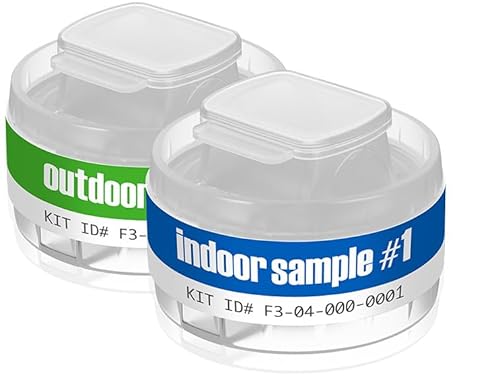
These cassettes are the consumable side of the GOT MOLD? ecosystem, designed to slot into the brand’s reusable BioVac Air Sampler. Each Air-O-Cell spore trap cassette pulls a known volume of air through a sticky surface inside a sealed housing, then ships to a partner lab for full mold type and quantity analysis. The refill pack covers one room’s worth of sampling and includes the lab fees that turn a raw slide into something you can actually act on.
Compared with the Ciormui dish-based approach above, this route trades visual interpretation for mailed-in professional results, which is exactly the upgrade some shoppers need. Worth flagging upfront: the BioVac sampler itself is not included, so this only makes sense if you already own one or are buying a starter kit alongside it.
Practical Advantages
- Air-O-Cell cassettes are a recognized format in professional indoor air work
- Lab analysis covers both mold species and concentration levels
- Lab fees are bundled into the refill price, removing a hidden step
- Compatible with the reusable BioVac sampler, so there’s less waste over time
Points To Note
- BioVac Air Sampler is sold separately and not part of this refill pack
- Results take longer than petri-based kits because of the lab round trip
Made For
Existing BioVac owners who want a single-room top-up without buying a fresh sampler kit.
Skip It When
Anyone starting from scratch should grab the GOT MOLD? 1 Room Kit BioVac Sampler, since that bundle includes the hardware.
The 1 Room Kit is the entry point into the GOT MOLD? lineup, bundling the reusable BioVac Air Sampler with one cassette and all lab fees in a single purchase. You press a button and the sampler pulls air through the cassette for roughly five minutes, capturing microscopic spores onto a slide. From there, the cassette ships to a lab that returns a report listing both the species present and the measured concentration.
For shoppers who like the refill concept but don’t already own the hardware, this kit resolves that gap cleanly. The trade-off shows up if you suspect problems in several rooms: a single cassette forces you to prioritize, or to spring for extra refills later.
Useful Touches
- All-inclusive pricing means sampler, cassette, and lab fees in one transaction
- Five-minute active sampling per room is faster than passive dish methods
- Reusable BioVac unit lowers the cost of follow-up testing down the road
- Lab report names both mold types and airborne concentrations
Honest Caveats
- Only one room is covered out of the box
- Lab turnaround means you wait days for answers
Quick Facts
Right Fit For
Single-room investigations where you want lab-grade results without buying extra sampler hardware.
Look Elsewhere When
Households testing a basement plus living areas in one session are better served by the GOT MOLD? 3 Room Kit BioVac Sampler.
The Sainlogic monitor takes a different angle from the rest of this list. Instead of capturing spores for lab analysis, it sits on a shelf and reports nine environmental readings in real time: carbon dioxide (CO2), particulate matter at three sizes (PM1.0, PM2.5, PM10), formaldehyde (HCHO), total volatile organic compounds (TVOCs), air quality index (AQI), temperature, and humidity. The 7.2-inch color screen shows a tri-color AQI status bar so you can read the room’s condition at a glance.
For shoppers worried less about identifying a specific mold species and more about whether their air is drifting into risky territory, this kind of always-on feedback has real value. It pairs naturally with the lab kits above as a triage tool. The honest read is that sensors estimate VOCs and particulates rather than counting spores, so the device signals trouble without pinpointing the cause.
A Favorable Mix
- Continuous readings replace one-off snapshots with trend data
- Large 7.2-inch color display is readable from across a room
- Seven user-defined alert thresholds cover a wide range of sensitivities
- Multi-parameter tracking (PM, VOCs, CO2, humidity) flags moisture-linked issues early
Less Ideal Details
- Does not identify mold species, only general air quality shifts
- Sensor accuracy drifts over time and is sensitive to placement near vents or windows
Best Suited To
Anyone managing chronic allergies, asthma, or recent water damage who wants ongoing indoor air feedback between formal tests.
Consider Something Else When
Shoppers needing a definitive mold species answer should reach for the GOT MOLD? 1 Room Kit BioVac Sampler instead.
The PRO-LAB kit narrows the focus to four common indoor allergen categories: ragweed pollen, cat and dog dander, and dust mites. You collect a dust sample from a high-traffic area using the supplied materials, mail it to an AIHA-accredited lab, and receive a report ranking how much of each allergen is present. The doctor’s-office framing makes this a sensible pick for households where the worry is more about allergic reactions than a specific mold outbreak.
Compared with the spore-focused kits above, this option trades mold species analysis for a broader indoor allergen profile. For most allergy-prone families, that trade is the right one, but anyone chasing visible black mold will need a different tool.
Features That Help
- Covers the four most common indoor allergens in a single collection
- Lab analysis through an AIHA-accredited facility adds credibility
- Dust-sample collection is simpler than running an air pump
- Useful when allergy symptoms persist but mold has been ruled out
Potential Drawbacks
- Does not specifically identify mold spores or species
- Lab turnaround adds days to results compared with on-the-spot petri kits
Perfect Match For
Pet households and allergy sufferers trying to pinpoint dust or dander triggers inside their home.
Another Choice May Suit
Anyone whose main concern is suspected mold growth should instead consider the Ciormui Mold Test Kit for Home, 8 Detection Tests.
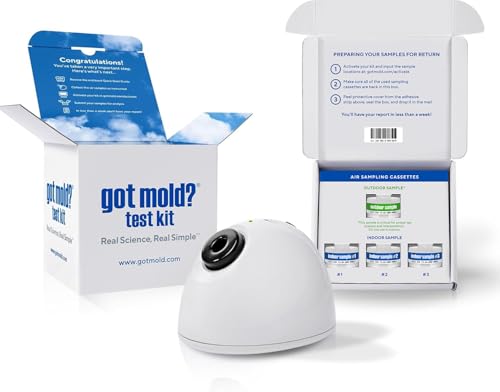
The 3 Room Kit is the same GOT MOLD? sampler system as the 1 Room version, scaled up with three cassettes and three lab analyses under one price. That makes it the natural choice when the suspected problem spans a basement, a bathroom, and a bedroom, or any three spaces where the air tells different stories. Sampling still runs about five minutes per room, and the lab returns a separate report for each cassette.
For larger homes, this kit replaces the need to buy refills separately and keeps the workflow consistent across rooms. The catch is a higher upfront spend than the 1 Room Kit, which can feel steep if you only suspect one location. For shoppers deciding between the two, the honest read is that going bigger now saves money if your investigation expands.
Reasons It Performs
- Three cassettes let you compare airborne spore counts room by room
- Reusable BioVac hardware lowers long-term cost versus disposable samplers
- Lab analysis remains the same professional standard as the single-room kit
- Side-by-side reports help pinpoint which area needs remediation first
Things To Weigh
- Higher initial outlay than the 1 Room Kit
- Requires careful labeling and chain-of-custody for each cassette to avoid mix-ups
Feature Rundown
Who Should Grab It
Homeowners with multi-area water damage or musty smells who want a room-by-room spore comparison.
Reach For A Different Pick When
Anyone testing just one room is better served by the more compact GOT MOLD? 1 Room Kit BioVac Sampler.
What Matters Most Before Choosing Mold Tests For Home
Match The Test To The Question You’re Asking
A petri-style kit like the Ciormui eight-pack works when you want to confirm whether visible spots or a single room’s air carries mold at all. Lab-analyzed air sampling, such as the GOT MOLD? BioVac kits, makes sense when you need species identification and concentration numbers to share with a remediation crew or insurance adjuster. Continuous monitors like the Sainlogic fit a different niche: tracking air quality trends rather than producing a definitive species report.
Consider Where Mold Is Likely Hiding
Basements, bathrooms, HVAC returns, and rooms with past water damage deserve targeted sampling. A one-room kit is fine if the suspicion is concentrated, but multi-room kits pay off when problems may spread through ductwork or shared walls. Think about accessibility too: some methods need a power outlet for a sampler, while petri dishes just need a stable shelf.
Decide How Definitive The Result Needs To Be
Visual petri identification is fast and cheap, but reading fuzzy colonies can confuse harmless and harmful species. Lab analysis removes that ambiguity but introduces turnaround time. For most households, the right balance is screening first and lab-confirming only when something looks concerning.
Factor In Allergen Versus Mold Concerns
If the household symptom is chronic sneezing rather than visible growth, an allergen-focused kit like the PRO-LAB option may answer the actual question. Mold tests for home cover spore identification, while allergen kits address dust, dander, and pollen triggers. Knowing which problem you’re solving prevents spending on the wrong tool.
Key Considerations Across These Picks
Pitfalls Shoppers Hit
Treating any discolored patch as confirmed mold leads to wasted test kits. A moisture meter check or a careful look at recent leaks should happen first, since dry residue often tests negative. Another common slip is sampling only one room when the ductwork connects multiple spaces, which can mask the actual source.
Where The Extra Money Goes
Lab-analyzed kits cost more because they bundle accredited analysis, mailers, and consumable cassettes into one price. The sampler hardware is reusable, so multi-room kits spread that cost across more reports. Continuous monitors charge a premium for sensors that estimate multiple pollutant types at once, which is useful but doesn’t replace a species-level mold test.
Frequently Asked Questions
Do home mold tests actually work?
Yes, when matched to the question. Petri-style kits give a directional answer about whether mold is present, while lab-analyzed air sampling returns species and concentration data that holds up for insurance or remediation conversations.
Should I test air or surfaces first?
Start with whichever matches your suspicion. Musty air with no visible spots points toward air sampling, while discolored patches call for surface tests. Many serious investigations use both to triangulate the source.
How long until I get results?
Petri dishes typically need several days for visible colonies to develop. Lab-analyzed cassettes usually return a report within about a week of the lab receiving them, depending on the provider.
Can I clean up mold without testing?
Small, contained patches on hard, non-porous surfaces can often be handled with detergent and proper drying. Testing becomes valuable when the affected area is larger than about ten square feet, the source is unclear, or household members have ongoing symptoms.
How accurate are continuous air quality monitors for mold?
They estimate particulate and VOC levels rather than counting spores, so they’re best used as an early-warning gauge between formal tests. Pair one with a lab-analyzed kit if you want both real-time feedback and species identification.
The Takeaway
Mold tests for home come in three rough flavors: fast DIY screens, lab-analyzed air sampling, and continuous air quality monitors. Pick the tool that matches the question you’re actually trying to answer, whether that’s confirming a suspicious spot, mapping spore levels room by room, or tracking air quality trends day to day. Whichever path fits, a careful test today tends to lead to smarter remediation decisions tomorrow.
