

Mold sneaks into basements, bathrooms, and behind drywall long before you smell it. A sudden musty odor after rain, dark spots spreading along a ceiling, or family members complaining of itchy sinuses often points to one culprit: lingering moisture feeding unseen growth.
This roundup covers two practical ways to catch that problem early. Pinless and pin-type moisture meters give you a fast, non-invasive read on dampness in walls, wood, and subfloors. DIY agar-based mold test kits let you culture air, HVAC, and surface samples at home and compare what grows. Each tool below suits a different kind of homeowner, renter, and inspector.
A Snapshot Of The Selections

General Tools Digital Moisture Meter MMD7NP (Pinless)

Ciormui Mold Test Kit for Home (16 Tests)

Entimp Mold Test Kit for Home (12 Tests, Lab Analysis)

KAYENQO Mold Test Kit for Home (6 Tests)
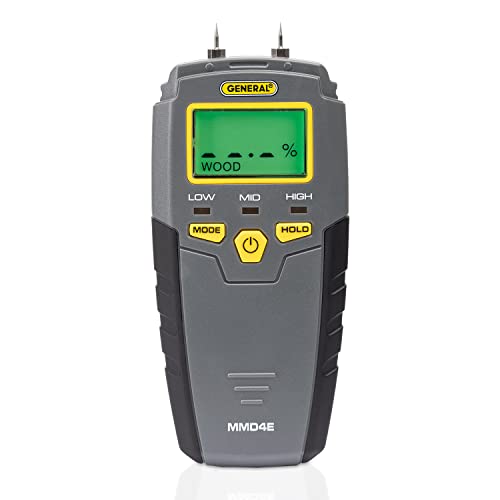
General Tools MMD4E Moisture Meter for Wood, Walls

KAYENQO Mold Test Kit for Home (12 Tests)

CCNZHA Mold Test Kit for Home (8 Tests, Lab Analysis)

Carethetic Mold Test Kit for Home (6 Plates)

General Tools Moisture Meter MMD950 (Pin and Pinless)
The Picks, Examined More Closely
The MMD7NP is built for people who’d rather not punch holes in their walls. It scans drywall, ceilings, and subfloors with a non-invasive sensor, so you can sweep a suspected area without leaving a single puncture behind. Picture a homeowner chasing a musty smell behind a freshly painted bedroom wall: this meter lets you glide across the surface and flag a damp pocket before tearing into drywall blindly.
It also doubles as a humidity sensor for general room monitoring, which adds a quick gut-check on basement air after heavy rain. Compared with the MMD4E further down the list, this model trades probe pins for a pinless spherical-style reading, making it the friendlier choice for finished surfaces.
Positive Points
- Pinless sensing leaves walls, trim, and finished wood completely untouched during inspection.
- Scans a wide surface area quickly, helping you cover an entire room in minutes.
- Doubles as a humidity reference, useful after storms or plumbing leaks.
- Compact enough to live in a drawer with a flashlight and a screwdriver.
Things To Consider
- Pinless meters only read shallow, so deep structural moisture behind tile or thick subfloor may go unnoticed.
- Calibration tends to drift on stored units, so expect to zero it before each project.
- It detects moisture, not mold directly, so you’ll still want a confirmation culture if readings stay high.
Key Specs
Right Fit For
Homeowners who want to scan finished walls and ceilings without leaving pin holes, especially after leaks or seasonal humidity swings.
Consider Something Else When
You need hard probe contact readings in raw lumber, in which case the General Tools MMD4E is a better fit.
Sixteen agar plates sounds excessive until you’ve mapped a three-bedroom house room by room. This kit includes enough dishes to test every bedroom, the basement, an HVAC return, and still leave spares for repeat sampling in problem zones. Each plate is sealed in its own dish, which keeps stray spores from contaminating your results before you start.
The included identification guide is genuinely helpful for first-timers, walking you through color and texture cues that separate common household varieties. Compared with the KAYENQO 6-test kit below, you’re paying for breadth: more samples, more rooms, and a better picture of where growth concentrates.
Everyday Wins
- Largest plate count on the list, so you can map an entire home in one round.
- Petri dishes arrive individually sealed, which limits contamination between sampling.
- The included identification guide helps you read growth without a lab background.
- Useful for HVAC sampling, surface swabs, and ambient air in one kit.
Worth Noting
- Sixteen samples means real planning: label each dish, log the room, and stick to consistent timing.
- Without lab analysis, you’re matching colors to a guide rather than getting species confirmation.
Who Will Love This
Owners of larger homes or anyone investigating an HVAC-wide concern who wants enough plates to test broadly.
A Better Fit Elsewhere
A renter dealing with a single problem spot will find the KAYENQO 6-test kit easier to manage.
Twelve agar plates sit in a sweet spot between the lean 6-plate starter kits and the 16-plate household sweepers. The Entimp kit includes swabs, gloves, label stickers, and a sealed bag for transport, so first-time samplers don’t need to raid the kitchen junk drawer for supplies. A detailed identification guide walks through texture and color reading.
The bundled lab analysis sets this kit apart from most DIY options on this list. You culture the sample, ship the dish, and receive a written species read instead of guessing. For a homeowner staring at fuzzy growth and wondering whether it’s benign or something more concerning, that extra read has real value.
Where It Helps
- Twelve plates comfortably cover a small home or a tight focus list of suspect zones.
- Lab analysis included removes the guesswork of identifying species from a guide alone.
- Gloves, swabs, and label stickers arrive in the box, so nothing extra is needed.
Honest Caveats
- Lab shipping adds turnaround time, so this kit is slower than a fully self-read option.
- Plate handling needs care: dropped lids or late seeding can muddy the sample.
Built With In Mind
First-time samplers who want a clear, written answer rather than a color-matching exercise.
Skip It When
You want immediate visual confirmation only, in which case the KAYENQO 12-test kit may suit you better.
Six plates is a deliberate choice for people who only need to answer a focused question. A renter dealing with a musty bathroom, a homeowner chasing one suspicious closet, or anyone dipping a toe into DIY sampling can finish this kit in a single weekend without feeling overwhelmed by leftover dishes.
The kit covers air, HVAC vents, and surfaces, which is enough method variety for most small-scale investigations. The identification guide is the same format used in the larger KAYENQO kit above, so upgrading later feels familiar.
What Helps Most
- Small plate count keeps the process approachable for first-timers.
- Covers all three sampling methods in one box: air, HVAC, and surface.
- Compact enough to keep on a shelf between rare testing projects.
Points To Keep In Mind
- Six plates leaves no room for repeat sampling if a dish gets contaminated.
- Without lab support, you’re matching colors to a guide rather than getting a written species confirmation.
Perfect Match For
Renters and small-home owners with a specific concern, like one damp bathroom or a single HVAC register.
Another Choice May Suit
Anyone wanting lab analysis with similar breadth should look at the Entimp 12-test kit instead.
The MMD4E is a workhorse pin-style moisture meter for people who actually want to press stainless steel pins into the material they’re testing. It shines on raw lumber at the lumberyard, subfloor sheathing during a remodel, and anywhere you need a direct contact reading rather than a surface scan.
An LCD keeps the display simple, even with gloves on, and the form factor fits a single hand comfortably during a long inspection. Think of it as the basic tool you grab when a musty patch of baseboard demands more than a passing glance.
Useful Strengths
- Pin contact reads deeper than pinless sensors, useful in lumber and subfloor materials.
- Pocket-friendly form factor fits a tool belt or kitchen drawer.
- LCD readout stays legible in dim basements and crawlspaces.
Trade Offs
- Pin probes leave small holes in finished surfaces, which rules it out for visible drywall in finished rooms.
- It reads moisture, not mold directly, so pair it with culture testing when results stay elevated.
Quick Facts
Best Suited To
DIYers and remodelers who test raw materials and need direct probe readings on lumber and subfloor sheathing.
Look Elsewhere When
You want to scan finished drywall without leaving pin holes, in which case the General Tools MMD7NP is a better match.
This 12-plate kit splits the difference between the company’s smaller 6-plate option and the larger 16-plate options elsewhere in this list. You get enough agar dishes to sample several rooms, the HVAC system, and a couple of problem surfaces, with breathing room for one or two repeat tests.
The included guide and removal instructions help you act on results rather than just collecting them. Compared with the Ciormui kit above, this version leans more toward DIY reading, since there’s no lab shipping step in the workflow.
What Pays Off
- Twelve plates fit a typical small-to-medium home without overspending on extras.
- Multiple sampling methods supported, including HVAC vents and home surfaces.
- Identification and removal guidance included, so next steps are clear.
A Few Limitations
- Without lab analysis, species confirmation is on you.
- Twelve plates still demand labeling discipline to avoid mixing up rooms.
Made For
DIY samplers who want a comfortable mid-size kit for a multi-room sweep without committing to a 16-plate haul.
Reach For A Different Pick When
You want lab confirmation along with your samples, in which case the Entimp 12-test kit is the closer match.
Eight plates is enough to test the obvious suspects without committing to a dozen. The CCNZHA kit slots between the smaller starter kits and the mid-size options, making it a sensible choice for someone who wants lab-backed answers across a few targeted rooms rather than a whole-home sweep.
Sample collection is straightforward: swab, seal, culture, ship. The included guide is genuinely useful for novices who don’t want to second-guess every fuzzy patch that shows up a few days later.
The Case For It
- Lab analysis adds clarity that self-read plates simply can’t match.
- Eight plates comfortably cover several priority rooms plus HVAC sampling.
- Identification guide included, helpful for visual reference while waiting for lab results.
Room For Improvement
- Lab turnaround adds days to the process, so it’s not a quick weekend check.
- Plate count caps repeat testing, so plan sample selection carefully.
Feature Snapshot
The Right Fit
Homeowners who want a written species read on a handful of priority zones rather than a wide DIY sweep.
Swap It Out When
You need more plates for a whole-home map, in which case the Ciormui 16-test kit covers that scenario better.
The Carethetic kit leans into three sampling methods: room air, HVAC vent testing, and surface swabbing. That focus matters because mold usually hides where moisture collects, and HVAC ducts are a frequently overlooked culprit when symptoms flare up indoors.
Six plates are deliberately lean, so the kit suits someone who has already narrowed down where to look. Think of a homeowner targeting the basement, the HVAC return, and the bathroom ceiling rather than sampling the whole house blindly.
Everyday Advantages
- Three-method sampling covers the most common household collection points.
- Lean plate count keeps planning and labeling simple.
- Includes swabs, gloves, bags, and a user manual to support first-time use.
Points To Note
- Six plates leave little margin for repeats, so handle each dish carefully.
- Without lab analysis, identification relies on the included guide and your own comparison.
Whose Shelf It Belongs On
Targeted samplers who already have a short list of suspect zones, especially anyone suspicious of HVAC ductwork.
Where A Sibling Pick Shines
You want more plates for a broader home map, in which case the KAYENQO 12-test kit covers that ground.
The MMD950 is the only dual-mode meter in this roundup, pairing pin contact readings with a pinless spherical sensor. That flexibility means you can scan a wide wall for moisture, then drop pins into the exact spot that flagged high to confirm what lies beneath the finish.
A jumbo LCD paired with a 40-dot tri-color LED bar graph makes readings readable at a glance, even when you’re crouched under a sink with a flashlight in your mouth. It’s the kit of choice for contractors who bounce between finished homes and raw job sites in the same week.
Positive Takeaways
- Pin and pinless modes in one tool remove the need to buy separate meters.
- Tri-color LED bar graph flags concern levels quickly without staring at small numbers.
- Auto power-off settings (3, 5, or 10 minutes) help preserve battery life on long inspections.
- Useful across wood, drywall, and concrete projects.
Things To Weigh
- More modes mean a steeper learning curve than single-purpose meters.
- The spherical sensor reads surface moisture, so deep structural dampness still needs pin confirmation.
Feature Rundown
Who Should Grab It
Contractors and remodelers who work across finished homes and raw job sites and need both reading modes in one device.
Not Your Match When
You only need a quick scan of finished drywall, in which case the General Tools MMD7NP keeps things simpler.
What Matters Most Before Choosing Mold Detectors
Reading Method And Depth
Pinless meters scan a surface without damage, which keeps finished walls and ceilings intact during inspection. Pin probes push into the material for deeper contact readings, useful on lumber, subfloor, and rough framing. Dual-mode tools like the MMD950 cover both scenarios, while single-purpose meters fit tighter budgets.
Plate Count And Sampling Scope
Agar plate counts set the ceiling for how many rooms or zones you can test in a single round. A 6-plate kit fits a tight, focused question, while 12- and 16-plate kits comfortably cover whole-home sweeps. First-timers often underestimate how labeling and timing add up across multiple dishes.
Lab Analysis Versus Self-Reading
Some kits ship your cultured samples to a partner lab for species confirmation. That step costs time but replaces guesswork with a written read. Pure DIY kits rely on an identification guide and your own matching, which works for routine screening but offers less certainty on borderline samples.
Accessories And Consumables
Swabs, gloves, label sheets, sealed bags, and printed guides are the small items that separate a usable kit from a frustrating one. Pre-included accessories mean nothing extra to source at the last minute, which matters when you’re sampling on a schedule.
Key Considerations Across These Picks
Common Buying Traps
Skipping the moisture meter and going straight to a culture kit is a frequent misstep. Culture kits confirm whether mold exists, but they don’t pinpoint the source. Pairing a moisture meter with a culture kit tells you both where the moisture is and whether growth has taken hold.
Another common slip is underestimating plate count. Buying a 6-plate kit for a six-bedroom home means sacrificing repeat samples. Most homeowners find a mid-size kit (8 to 12 plates) hits a sweet spot for first-time use.
Where The Extra Money Goes
Higher plate counts cost more because each agar dish is sealed, dated, and quality-controlled. Lab-backed kits add a per-sample analysis fee baked into the kit price. Dual-mode meters cost more because you get both pin and pinless sensors in one housing, which saves buying two separate tools down the road.
The upgrade is worth it when you need breadth or confirmation. If you only have one suspicious closet and no HVAC concerns, a leaner kit handles the job without overbuying.
Frequently Asked Questions
Do moisture meters actually detect mold?
Moisture meters detect the dampness that allows mold to grow. They don’t identify mold species, so a culture kit remains the way to confirm whether growth is present.
How many agar plates do most people need?
A typical small home benefits from 6 to 12 plates, depending on how many rooms and HVAC points you want to sample. Larger homes or whole-HVAC investigations push that number higher.
Are DIY mold test kits reliable?
DIY kits reliably flag whether mold colonies can grow from a sample, which is enough to act on. Species confirmation is where lab-backed kits pull ahead of self-read guides.
Can a moisture meter replace a mold test?
No. A moisture meter finds damp zones; a culture kit confirms whether mold has actually colonized those zones. The two tools answer different questions.
How long does a culture test take?
Most agar plates show meaningful growth within a few days, but full read time varies by kit. Lab-analyzed samples add shipping time on top of culturing.
