

Sticking windows are one of those small household annoyances that quietly turn into a daily frustration, especially in older homes where the tracks have collected years of grime. The right lube makes a sliding sash glide like it did when it was new, quiets the squeaks, and protects rubber seals from drying out. This guide rounds up silicone greases, dry sprays, and precision applicators that handle everything from vinyl window tracks to RV slide-outs, so you can pick what actually fits your doors.
The Leading Options At A Glance

KEZE 92003 Silicone Grease with PTFE, 1 oz Tube

KEZE Silicone Grease PTFE Lubricant 2-Tube Pack

3-IN-ONE RVcare Slide-Out Silicone Lube 11 oz

Super Lube 92003 Silicone Grease with PTFE, 3 oz

AGS SIL-Glyde All-Weather Lubricating Compound 8 oz (2-Pack)
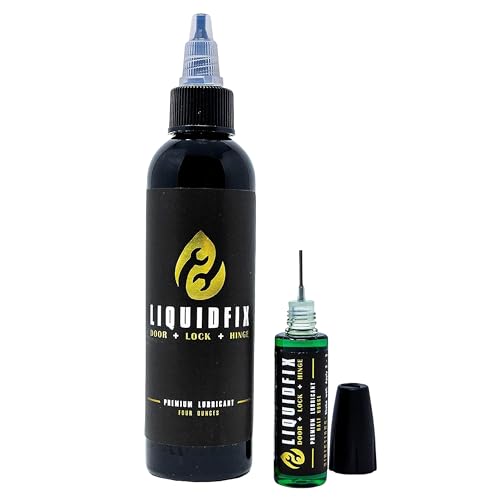
LiquidFix Door, Lock & Hinge Lubricant 4 oz + 0.5 oz Needle

FOTU 711 Silicone Grease for O-Rings & Seals

KEZE Silicone Grease PTFE Lubricant 4-Tube Pack

B’laster Silicone Lubricant Spray 11 oz Case of 6

WD-40 Specialist Silicone Lubricant 13.3 oz
A Breakdown Of The Leading Choices
The KEZE 92003 pairs a translucent silicone base with PTFE (polytetrafluoroethylene, a low-friction fluoropolymer often used on non-stick coatings), which is the combo most sliding-window owners want: a lube that reduces friction between metal or vinyl rollers and also keeps rubber weatherstripping supple. In a real kitchen window that drags in winter, a thin film along the track and a swipe on the sash felt pads can restore smooth travel without leaving a greasy residue on the sill.
For most homeowners tackling a handful of sticking sashes, this one-ounce tube is a sensible starting point. If you maintain a workshop or a fleet of vehicles, the larger sibling packs reviewed below may suit you better.
Key Advantages
- PTFE additive lowers sliding resistance on plastic-to-plastic and metal-to-rubber contacts.
- Translucent, non-pigmented formula keeps trim and seals looking clean.
- Wide temperature tolerance for unheated garages or sun-soaked sills.
- Compact tube is easy to control along narrow window channels.
Points To Note
- The small 1 oz size runs out quickly across a whole house of windows.
- Grease form requires a finger or cloth for precise application.
Key Specs
Who It Suits Best
First-time DIYers with a few sticking windows who want one tube that handles seals, tracks, and small hardware around the house.
Look Elsewhere When
Shop owners running a tight maintenance schedule may prefer the higher-volume AGS SIL-Glyde twin pack reviewed later in this list.
This two-tube bundle carries the same KEZE 92003 formula in a larger quantity, giving you enough silicone grease to work through every window in a typical home and still keep a tube for the garage. For a sliding patio door whose bottom track collects grit, a second tube means you can wipe it down, re-grease the rollers, and treat the rubber bumpers without rationing product.
If you maintain a rental property or want a tube in the kitchen drawer and another in the workshop, the dual format removes the constant reordering cycle.
Practical Advantages
- Doubled supply covers multi-room or multi-property maintenance runs.
- PTFE-enriched grease protects weatherstripping from drying cracks.
- Resists washout, so outdoor windows and patio tracks stay coated longer.
- Translucent formula blends into clear vinyl and aluminum frames.
Some Limits To Know
- Each tube remains small, so applicator control is required for neat results.
- Grease can pick up dust if applied too heavily in dirty channels.
Made For
Homeowners doing a seasonal tune-up on every window and patio door in a single weekend.
A Better Fit Elsewhere
People needing needle-tip precision for narrow locks may find the LiquidFix dropper kit a smarter choice for hardware detail work.
The 3-IN-ONE RVcare is a spray rather than a paste, and that difference changes the workflow. The Smart Straw nozzle pivots between a wide fan and a narrow tube, so you can hit a long patio door track without unscrewing anything. On a dusty RV slide-out, a quick pass along the rail leaves a dry-feeling silicone film that doesn’t drip onto the floor.
It also doubles as a window-and-track dry lube for regular homes, especially for vertical tracks where grease would smear down the wall.
Strengths Worth Knowing
- Quick-drying formula avoids the wet residue common with spray lubes.
- Two-way straw sprays precisely or broadly without swapping nozzles.
- Safe on metal, rubber, vinyl, and plastic window components.
- Large 11 oz can covers many application sessions.
Honest Caveats
- Spray format is harder to confine to a small hardware pivot point.
- Aerosol cans require careful storage in heat to avoid pressure issues.
Right Fit For
RV owners and homeowners with tall, hard-to-reach window channels that benefit from a standing-position spray application.
Swap It Out When
Anyone working on small o-rings and faucet seals will get cleaner results from a thicker silicone grease like the FOTU 711 covered further down.
Super Lube’s 92003 is the long-standing reference point in this category. The 3 oz tube delivers the same PTFE-loaded silicone chemistry in a larger, easier-to-squeeze format that lasts through multiple seasons. For an older double-hung window with a stubborn sash cord, the thicker consistency clings to the channel long enough to break through years of oxidized buildup.
It carries an NLGI Grade 2 rating (a standardized measure of grease thickness, where 2 is a common mid-range stiffness for general-purpose lubes), so it stays put on vertical tracks better than runny sprays. Anyone who wants a familiar, widely distributed option will appreciate how often this tube shows up in hardware stores.
The Case For It
- Larger 3 oz tube reduces mid-project refills.
- Stays stable across a wide temperature range for unheated spaces.
- Translucent formula suits clear vinyl and anodized aluminum trim.
- PTFE reinforcement reduces wear on rollers and sliding contacts.
Potential Compromises
- Costs more per ounce than smaller KEZE tubes.
- Thicker body needs a cloth or finger for spreading in tight tracks.
Key Specs
Best Suited To
Homeowners who want a single, dependable tube that survives long-term storage in a garage or utility drawer.
Not Your Match When
Spray-only enthusiasts who dislike finger application may prefer the WD-40 Specialist silicone reviewed later in this guide.
AGS SIL-Glyde targets the opposite end of the spectrum, big jobs that would burn through a 1 oz tube in a single afternoon. Each 8 oz tube handles window tracks, sliding door rollers, garage hardware, and shop equipment in one container, and the twin pack means a backup is always on the shelf. For a property manager running weekly maintenance on a dozen units, this scale keeps work flowing without constant reorders.
It is positioned as an all-weather compound, so garages with cold winters and uninsulated workshops get the same reliable film on the rubber seals of overhead doors and sliding barn doors.
The Helpful Details
- Bulk 8 oz tubes reduce cost per ounce on larger projects.
- Two-pack format keeps one tube stored while the other is in use.
- All-weather formulation suits exposed outdoor tracks.
- Compatible with auto, home, farm, and shop surfaces.
Things To Consider
- Larger tube is overkill for a single-room touch-up.
- Heavy grease body needs thorough wiping to avoid dust attraction on dirty tracks.
Who Should Grab It
Workshop owners, property managers, and farmers maintaining sliding doors across multiple buildings through the year.
Reach For A Different Pick When
Apartment dwellers with one stubborn patio door will be fine with a single Super Lube 92003 tube instead.
LiquidFix solves the most common frustration with grease lubes: getting the product into a tight lock cylinder or a narrow upper track without flooding the area. The kit pairs a 4 oz dropper bottle for general track lubrication with a 0.5 oz needle-tip bottle for pinpoint work. For a window with a tilt-latch mechanism that grinds every spring, the needle reaches the pivot points that a tube or spray would miss.
It also covers door hardware and cabinet hinges, which makes it a flexible addition to a household toolkit. You may find yourself reaching for it well beyond the window project that brought you in.
The Good Stuff
- Needle bottle targets tight lock cylinders and latch hardware.
- Dropper bottle handles broader track coverage without overspray.
- Multi-purpose formula covers door hardware and cabinet hinges too.
- Liquid format reaches recesses that grease tubes can’t fill.
Less Ideal Details
- Liquid can drip onto frames if applied too freely.
- Smaller overall volume than grease tubes for whole-home use.
Feature Snapshot
Whose Shelf It Belongs On
Homeowners with old-school tilt windows, narrow tracks, and stubborn door locks that need targeted lubrication rather than bulk coating.
Where A Sibling Pick Shines
Anyone focused purely on patio door rollers will find the heavier Super Lube 92003 silicone more durable for that single job.
FOTU 711 is built around cold-weather and outdoor endurance. The grease maintains its texture across very low and very high temperatures, which matters for windows in unheated porches, garden sheds, or northern climates where winter lubes tend to stiffen. It also resists UV exposure and oxidation, so a treated track won’t turn gummy after a summer on a south-facing wall.
If your windows live in tough spots, like basement egress windows or sun-exposed sliders, this formula stays flexible when others crack.
What It Does Well
- Wide operating range suits cold porches and sun-baked frames.
- UV and oxidation resistance prevents premature drying on outdoor tracks.
- Safe on rubber o-rings alongside plastic and metal sliding parts.
- Silicone-modified base keeps seals pliable through repeated use.
Where It May Fall Short
- Less optimized for indoor-only residential windows.
- Grease form means slower application than a spray.
Perfect Match For
Owners of cabins, RVs, and outdoor workshops where window seals battle temperature swings year-round.
Consider Something Else When
Indoor-only homeowners with climate-controlled sliders will be perfectly served by the KEZE 92003 tube at the top of this list.
Stepping up from the 2-tube pack, this 4-tube bundle delivers the same KEZE silicone-plus-PTFE recipe at workshop scale. For a handyman handling multiple jobs in a week, the spare tubes sit in the truck, the garage, and the basement without cross-contaminating projects. It is the same chemistry reviewed in picks one and two, so there is no learning curve if you have already used a smaller tube.
Owners of multiple vehicles and properties find this format removes the planning friction of running out mid-job.
Where It Delivers
- Four tubes cover vehicles, household sliders, and plumbing o-rings from one purchase.
- PTFE-enriched formula reduces recurring friction complaints.
- Translucent, food-grade composition suits plumbing-adjacent applications.
- Stable across a wide temperature range for varied storage spots.
Factors To Consider
- Larger pack is excessive for owners with one window issue.
- Multiple tubes require cap sealing discipline to avoid drying out.
Built With In Mind
Multi-property homeowners, handymen, and auto enthusiasts who rotate between window, plumbing, and automotive seal jobs.
Skip It When
Anyone needing a single household tube will save money by choosing the 1 oz KEZE 92003 reviewed at the top of this list.
B’laster’s silicone spray aims squarely at workbench use, where a clean, non-staining film matters more than heavy cling. The formula dries without an evaporative residue, so a treated metal sliding bar or aluminum window track stays dry to the touch and resists picking up shop dust. A case of six cans means a busy garage never runs low, and each can lasts through many small jobs.
It also tolerates rubber and plastic, so the same can handle weatherstripping on sliding doors alongside metal hardware.
Practical Pluses
- Non-staining film keeps aluminum and chrome trim looking clean.
- Dries without a wet residue that attracts shop dust.
- Safe on rubber, plastic, and metal in one formulation.
- Six-can case suits garages, shops, and detailing businesses.
Details To Watch
- Aerosol format needs temperature-controlled storage in cold climates.
- Less suited to vertical surfaces where a clinging grease would stay put longer.
Who Will Love This
Shop owners and detailing professionals who want a clean, dry silicone film on metal sliding hardware without greasy fingerprints.
Where Another Pick Suits Better
Residential sliders that need weatherstripping conditioning will benefit more from a thicker grease like the Super Lube 92003.
WD-40 Specialist closes out the list with the most familiar brand name and a noticeably bigger 13.3 oz can. The silicone spray is positioned for window tracks, guide rails, pulleys, valves, and hinges, all surfaces homeowners actually touch. For a car window that has started grinding in its door channel, a quick pass along the regulator rail restores smooth travel without leaving the sticky residue associated with the original blue-and-yellow formula.
It dries clear, so it suits light-colored weatherstripping where discoloration would be visible. Most households will already have a use for it beyond the window that started the search.
Positive Takeaways
- Larger 13.3 oz can outlasts smaller competitors per session.
- Multi-surface fit covers auto and home hardware in one product.
- Dries clear without sticky residue on light-colored seals.
- Reduces friction on tracks, cables, pulleys, and linkages.
Trade Offs
- Spray format drifts beyond the target if used in windy outdoor conditions.
- Less cling than a grease on vertical, dust-exposed tracks.
Feature Card
The Right Fit
Everyday drivers and homeowners who want a recognizable, multi-surface silicone spray that lives in the trunk or utility drawer.
Not Your Match When
RV owners maintaining slide-out seals may prefer the RV-formulated 3-IN-ONE RVcare spray covered earlier in this guide.
Choosing The Right Formula For Your Window Setup
Silicone-based lubes dominate this category because silicone stays flexible across temperature swings and won’t swell most rubber seals the way petroleum greases can. PTFE-enhanced versions add a fluoropolymer layer that further drops the coefficient of friction (a number describing how much two surfaces resist sliding against each other, lower is slicker) on plastic and metal contacts, which matters for vinyl window rollers that drag under heavy sash weight.
Spray lubes win on reach and speed, especially for vertical or recessed tracks where a grease tube is awkward to apply. Greases win on cling and longevity, sticking to weatherstripping and rails through rain and dust without reapplying monthly.
For homes with mostly standard sliders, a single mid-size silicone grease tube (around 3 oz) plus a small spray can for occasional quick fixes covers most needs. Larger properties, workshops, or multi-vehicle households benefit from multi-tube packs or 13 oz spray cans that reduce reordering. Climate matters too, so owners in cold regions or sun-exposed exteriors should look at temperature-rated formulas like the FOTU 711 for stable texture year-round.
Picking Smart Across This Category
Common Shopping Slip Ups
The biggest mistake is reaching for a petroleum-based spray, like the original blue-and-yellow formula, on rubber weatherstripping. Petroleum products can swell or degrade seals over time, undoing the very protection you wanted. Stick with silicone or PTFE-fortified silicone for anything touching rubber o-rings and weatherstripping.
Another pitfall is buying a giant shop-size container for a one-window problem. Bulk packs save money per ounce but waste product if they sit half-used in a drawer. Match the volume to the scope of work, single tube for apartments, multi-pack for shops.
Where The Extra Money Goes
Premium options justify their cost through longer temperature tolerance, food-grade certifications for plumbing-adjacent use, and PTFE additives that resist wear on high-cycle rollers. The upgrade pays off for outdoor windows, commercial sliders that open dozens of times daily, or anywhere a reapplication cycle is inconvenient. For a single interior window that opens twice a week, the value tier delivers the same sliding improvement without the extra investment.
Frequently Asked Questions
What type of lubricant works best on sliding window tracks?
Silicone-based lubes with optional PTFE additives are the safest fit for sliding window tracks because they reduce friction on metal, plastic, and vinyl while staying gentle on rubber weatherstripping. Petroleum products can swell seals and should be avoided on rubber components.
How often should sliding window tracks be lubricated?
Most sliding windows benefit from fresh lube every 6 to 12 months, depending on exposure to dust, rain, and temperature swings. Outdoor sliders and patio doors in rainy climates usually need more frequent attention than interior windows in climate-controlled rooms.
Can I use WD-40 on sliding window tracks?
The original WD-40 formula is a light penetrating oil rather than a lasting lubricant, and it can attract dust and dry out quickly on tracks. The WD-40 Specialist Silicone spray is a better choice because it leaves a longer-lasting silicone film suited to sliding tracks and weatherstripping.
Is spray or grease better for sliding windows?
Spray lubes work faster on long or hard-to-reach tracks and dry without a wet residue. Greases cling better to weatherstripping and vertical surfaces, lasting longer between applications and conditioning rubber seals over time.
Do silicone lubricants damage window seals?
Quality silicone lubricants are formulated to be safe on rubber and vinyl seals and will not degrade weatherstripping under normal use. Petroleum-based products and solvent-heavy penetrating oils pose more risk to seals than silicone alternatives.
The Takeaway
The right lube depends less on brand and more on track type, climate, and how often the window moves. A small silicone grease tube handles most household touch-ups, while shops, outdoor sliders, and large properties benefit from bulk packs or spray formats. Match the chemistry to your seals, pick a delivery style that fits the job, and your windows will glide like they did when new.
