

Lead hides in old paint, vintage dishes, and thrift-store finds, and you can’t see it or smell it. A home test kit lets you check suspicious surfaces in seconds and decide whether a peeling windowsill or a hand-me-down mug deserves a closer look. If you’re moving into a pre-1978 home, raising small kids, or wondering about that chipped ceramic bowl at the flea market, these picks cover quick spot-checks and whole-house screening alike.
The Main Contenders
AssuTest Lead Test Kit: 30 High-Sensitivity Swabs for Dishes, Paint, Ceramics

Lead Test Swabs 300 Count Bulk Lead Paint Test Kit

Star World Wellness Lead Test Kit for Home & Household Items

AAwipes Lead Test Swab Kit (60 Rapid Swabs, LS60)

AAwipes Lead Test Kit 30 Swabs Enhanced Formulation (30)

NewPos Lead Test Kit: 30 Swabs Upgraded Formulation
AssuTest Lead Test Swabs Kit, 30 PCS, Home Use
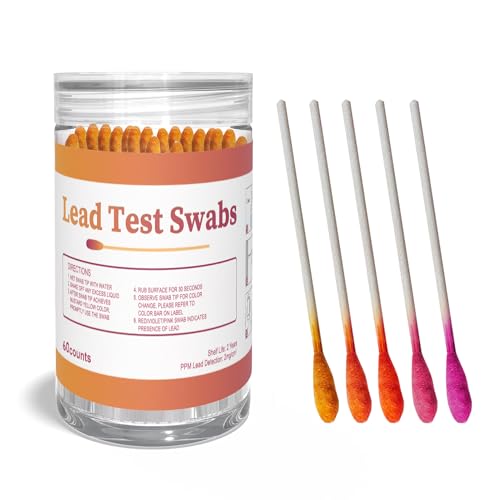
AssuTest Lead Test Kit: 60 Swabs with 2-Year Shelf Life

AAwipes Lead Paint Test Kit, 30 Swabs, Water-Activated

Scitus Know, Understand Lead Test Kit (300 Rapid Swabs)
The Strengths Of Each Pick
AssuTest opens the list with a versatile 30-swab pack aimed at first-timers who don’t want to overthink the chemistry. The kit covers a wide material range, from ceramic mugs and kids’ toys to painted trim and thrift-store metal finds, which makes it useful when you’re not sure where lead might actually be hiding.
Compared to the heavier 300-count kits later in the list, this one trades raw volume for flexibility, giving you enough swabs to check a few suspect spots without committing to whole-house testing. For renters settling in or parents spot-checking hand-me-down dishes, that balance tends to feel just right.
The Value In It
- Tests a wide range of household surfaces, so one kit covers dishes, paint, ceramics, jewelry, toys, and bare wood
- 30-swab count suits small apartments and starter homes where only a handful of surfaces need screening
- Beginner-friendly reading system uses clear color shifts that don’t require lab experience to interpret
- Compact bottle slips into a kitchen drawer for quick checks after flea-market or estate-sale finds
Small Caveats
- 30 swabs run thin for anyone planning a full pre-1978 home audit
- Storage matters: swabs can lose sensitivity if left in a hot garage or sunlit windowsill
Quick Technical Notes
Made For
New homeowners, renters, and parents who want a manageable starter pack for checking a handful of suspect items without committing to bulk supplies.
Where Another Pick Suits Better
Whole-house renovators in a pre-1978 property will want the Brain Savers 300-swab bulk kit instead, since it offers enough swabs to screen every painted surface room by room.
Brain Savers delivers the volume pick of the roundup with 300 sodium rhodizonate swabs, which is the reagent (the active chemical that changes color when it meets lead) most home renovators eventually ask for by name. It’s built for whole-house audits, not a single chipped windowsill.
If you’re working through a pre-1978 property room by room, this pack spares you the frustration of rationing swabs mid-project. The vinegar-activated process takes a little prep, but it’s the same approach professional inspectors rely on, and it makes the bulk format feel practical rather than wasteful.
Features That Help
- 300-swab capacity covers an entire multi-room home with swabs to spare
- Sodium rhodizonate chemistry is the same reagent inspectors use on paint surfaces
- Yellow-mustard activation cue makes it obvious when each swab is ready to use
- Works well on walls, trim, window sills, and painted furniture in older properties
Trade-Offs To Consider
- Requires white vinegar on hand before each swab session
- Bulk count is overkill for apartment dwellers who only need a handful of tests
- Color interpretation (yellow or orange versus pink, red, or maroon) takes a careful eye in low light
Best Suited To
DIY renovators and older-home owners who plan to screen every painted surface in a single project and want enough swabs to finish the job.
Skip It When
Apartment renters checking a few second-hand mugs should reach for the AAwipes LS60 kit instead, since the smaller count is easier to use up before expiration.
Star World Wellness targets the “I’ve never done this before” crowd with a kit designed around a printed color-bar reference that lives right on the packaging. The three-step vinegar, swab, and read process keeps confusion low, which is the point.
Where the bulk Brain Savers kit assumes you’ve tested before, this one assumes you haven’t, and the on-pack color chart is the kind of detail that earns its keep during a first home screening.
Noteworthy Benefits
- Printed color-bar reference on the packaging reduces guesswork during the reading step
- Three-step workflow (dip, rub, read) feels intuitive for first-time testers
- Covers dishes, toys, jewelry, ceramics, and wood for mixed household inventories
Things To Weigh
- Swab count is modest compared to the 300-count bulk kits on this list
- Vinegar activation adds a small prep step before each test
Perfect Match For
First-time home testers and new parents who want a guided experience with clear visual cues at every step.
Swap It Out When
Anyone needing broad household coverage should pick up the AssuTest 60-swab kit, which offers more headroom for thorough multi-room screening.
AAwipes skips the vinegar entirely here, using plain water to activate the swabs, which makes this the easiest kit on the list to grab and use on the spot. The 60-count LS60 format hits a comfortable middle ground between single-room checks and full audits.
Compared to the AssuTest opener, the AAwipes LS60 trades some chemistry precision for plain-water convenience, which most casual testers won’t notice. For kitchen-drawer storage where vinegar isn’t always on hand, the water-activated approach quietly removes a friction point.
Notable Upsides
- Water-only activation removes the need to keep vinegar in your cleaning supplies
- 60-swab count is generous enough to cover a kitchen plus a living room without rationing
- 30-second result window keeps the workflow quick during multi-surface sweeps
- Suited to painted surfaces, ceramics, jewelry, and wood in everyday home use
Some Limits To Know
- Water activation may be slightly less sensitive on certain paint types than vinegar-based kits
- Storage in humid bathrooms can shorten usable life over time
Feature Snapshot
Who Will Love This
Apartment dwellers, parents, and casual testers who want a low-prep kit that works straight out of the kitchen drawer.
Look Elsewhere When
Anyone tackling a full pre-1978 painted-surface audit should consider the Scitus 300-swab kit, which delivers the volume needed to screen an entire home.
This AAwipes variant flips the activation approach from its sibling kit: vinegar activation instead of water, paired with what the brand describes as an enhanced chemical formulation. The result is a 30-swab pack aimed at testers who want more precision per swab rather than more swabs overall.
Compared to the LS60, you’re trading volume for chemistry depth, and depending on your surfaces that tradeoff can matter. For older ceramic glazes or suspect paint chips where you really want a confident color shift, the enhanced formula earns its keep.
Everyday Wins
- Enhanced formulation tuned for more consistent color shifts on tricky surfaces
- Vinegar activation is the recommended approach for lead-paint testing
- Compact 30-swab format suits targeted spot checks on suspect items
- Quick 30-second readout fits into a busy weekend project schedule
Honest Caveats
- You need white vinegar ready before each session
- Only 30 swabs mean careful planning if you have many suspect surfaces
The Right Fit
Detail-oriented home testers who want refined chemistry for repeated spot checks on higher-risk items.
A Better Fit Elsewhere
Anyone needing broader coverage for a full home sweep should pick the AAwipes LS60, which doubles the swab count while keeping the same brand familiarity.
NewPos leans into its lab background with a formulation the brand says was refined across roughly 1,000 experiments to sharpen color-change clarity. For testers who want a result they can trust on the first try, that research pedigree is part of the appeal.
Versus the AAwipes 30-pack above, NewPos positions itself as the more chemistry-forward option, trading the AAwipes water-activation convenience for vinegar-led accuracy. Depending on the surfaces you’re testing, that tradeoff can be worth it.
Practical Pluses
- Lab-tuned formulation designed for sharper, more reliable color changes on suspect surfaces
- Vinegar activation follows the widely recommended approach for paint screening
- Works on dishes, paint, cups, ceramics, and general household surfaces
- 30-second results keep workflow tight during repeated testing
Points To Note
- Vinegar adds a prep step compared to water-activated alternatives like the AAwipes LS60
- 30-swab pack runs thin for whole-home audits; better for focused repeat testing
Core Details
Whose Shelf It Belongs On
Repeat testers and second-pass screeners who want a chemistry-forward kit for confirming suspect items they’ve already flagged.
Reach For A Different Pick When
First-time home auditors should consider the Star World Wellness kit, which pairs vinegar activation with a printed color-bar guide for extra reading confidence.
AssuTest’s second entry covers similar ground to the opener but skews slightly toward household sweeps, with phrasing aimed at house furniture and family inventories. It’s the practical middle option if you want one kit that handles toys, dishes, ceramics, and painted furniture without specialization.
Where the first AssuTest pack feels more like a starter, this one leans into broader inventory coverage. For households that span generations (grandparents’ china, kids’ toys, vintage dressers), the wider surface list is what sells the pack.
A Few Highlights
- Coverage spans dishes, ceramics, toys, metal, wood, jewelry, and house furniture
- 30-swab count suits single-room sweeps and small inventories
- 30-second results keep the workflow fast during multi-item checks
- Designed for general home use rather than specialized renovation work
Things To Weigh Up
- Surface list is wide, but you may need multiple packs for large households
- Activation chemistry isn’t specified, so results can vary by surface type
Built With In Mind
Multi-generational households that need to check a mix of vintage dishware, family furniture, and children’s toys in one sitting.
Not Your Match When
Anyone running a focused pre-1978 painted-surface audit will get more mileage from the Brain Savers 300-count kit, which targets that exact use case.
AssuTest’s 60-swab pack is built around longevity, with a 2-year shelf life that lets you stock up before you actually need the kit. The 60-count format doubles the opener without jumping into the bulk-audit territory of the 300-count options.
For households that test occasionally, the shelf-life angle matters more than the swab chemistry does. You can leave the kit in a closet and pull it out when a thrift-store find or a new rental raises questions, rather than racing to use swabs before they expire.
The Helpful Details
- 2-year shelf life makes the kit useful for sporadic testing over many months
- 60-swab count balances single-room sweeps with deeper multi-surface checks
- Covers dishes, paint, ceramics, toys, jewelry, metal, wood, and general surfaces
- Surface testing only, so swabs stay simple and predictable in everyday use
Where It Is Less Suited
- Designed for surface testing, not liquid samples like drinking water
- Long shelf life invites storage mistakes if kept in a damp garage or bathroom
Spec Overview
Right Fit For
Households that test sporadically and want a kit that stays useful in the closet for months or years at a time.
Where A Sibling Pick Shines
Anyone planning an active pre-1978 audit right now should reach for the Scitus 300-swab kit, which delivers the volume a one-time project demands.
This AAwipes variant returns to the brand’s signature water-activation approach, with a 30-swab count tuned for portability rather than coverage. It’s the kit you’d toss in a tote bag before a flea market or estate sale.
Versus the LS60 above, you’re trading 30 swabs of headroom for a smaller bottle that lives comfortably in a glove compartment. For shoppers who want on-the-spot confidence before handing over cash for a vintage find, that’s a fair trade.
Good Reasons To Consider
- Water activation removes the need to carry vinegar to flea markets or yard sales
- Compact 30-swab pack fits easily in a tote, glove box, or kitchen drawer
- 30-second results support fast decisions during a busy shopping trip
- Works across paint, dishes, ceramics, and general home surfaces
Where Shoppers Go Wrong
- Limited swab count means restocking for repeat market days
- Water activation may be less reliable on certain paint types than vinegar kits
Who Should Grab It
Vintage shoppers, thrift hunters, and estate-sale regulars who need a portable kit for on-the-spot checks before buying second-hand pieces.
Another Choice May Suit
Whole-home auditors will find the Brain Savers 300-count kit a better match, since it delivers the volume required for room-by-room painted-surface screening.
Scitus Know, Understand closes the list with another 300-swab bulk option, distinguished by a specialist-led design and a stated manufacturing origin. The brand has been making lead-poisoning-prevention swabs since 2019, which adds a layer of credibility for cautious shoppers.
Compared to the Brain Savers 300-pack earlier, Scitus leans on its specialist background rather than a chemistry-forward formulation. For older-home owners who care about the producer’s track record as much as the swab count, that emphasis can tip the scale.
What Makes Sense
- 300-swab count supports full multi-room home audits without resupplying
- 2-year shelf life keeps the kit usable across long renovation timelines
- Designed by a lead-poisoning-prevention specialist for paint-focused screening
- Vinegar-activated chemistry follows the recommended approach for painted surfaces
Points To Keep In Mind
- Vinegar activation requires a small prep step before each session
- Designed for painted surfaces (walls, trim, doors, furniture), not liquid samples
Key Attributes
Perfect Match For
Older-home owners and renovators who want a bulk pack backed by a specialist brand for full painted-surface screening.
Not Your Match When
Casual testers checking a handful of thrift-store finds should pick the AAwipes 30-swab water-activated kit, which is more portable and easier to use up before expiration.
What Matters Most Before Choosing A Lead Test Kit
Surface Scope And Match Most home testers need coverage for painted trim, ceramic dishware, and vintage toys, which is why nearly every kit on this list targets that mix. The “rhodizonate” reagent (the chemical compound that turns pink or red when it contacts lead) is the standard for paint, while kits designed for dishes and toys use the same swab chemistry on a wider surface list. Match the kit’s stated surface range to what you actually plan to test, rather than picking the highest count by default.
Activation Method And Prep Swabs need a liquid to react properly, and kits split between vinegar-activated and water-activated approaches. Vinegar activation is the widely recommended method for painted surfaces because it sharpens the color change on lead-based paint. Water-activated kits trade a touch of sensitivity for grab-and-go convenience, which is helpful when you don’t want to haul vinegar to a flea market.
Swab Count Versus Project Size A 30-swab pack covers a kitchen and a few suspect items, a 60-swab pack spans multiple rooms, and a 300-swab pack tackles a full pre-1978 home audit. For households testing occasionally, shelf life matters as much as count, since expired swabs lose reliability. Pick the smallest pack you’ll actually finish in 12 to 18 months.
Key Considerations Across These Picks
Where Shoppers Go Wrong The most common slip is grabbing a 30-swab pack for a whole-house audit and running out mid-project, or buying a 300-swab bulk pack that expires before you ever use it. Match the count to the project, not the price tag. Another pitfall is reading results in poor lighting, since the color shifts between yellow, orange, and pink can blur together under dim lamps or warm bulbs.
When Paying More Pays Off Higher-tier kits on this list earn their cost through refined chemistry, specialist-led design, or simply more swabs per box. The extra spend makes sense when you need full-home coverage, when you’re testing suspect vintage glazes that demand sharper color shifts, or when you want a brand with a longer track record in lead prevention. For quick spot checks on a few dishes, the budget end of the list does the job just as well.
Frequently Asked Questions
How accurate are home lead test kits? Home lead test kits use rhodizonate chemistry that reacts visibly with lead on the surface being tested, giving you a clear yes-or-no signal for the specific spot you swabbed. They’re designed as screening tools rather than laboratory-grade instruments, so a positive result warrants professional confirmation and a negative result covers only the area you tested.
Can I use these kits on dishes I plan to eat from? The kits on this list are designed for surface testing on dishes, ceramics, and similar items, and they swab the exterior glaze rather than the food-contact surface. If a dishware piece tests positive, the safest move is to stop using it for food service rather than try to clean the lead away.
Do these kits work on water or only surfaces? The kits covered here are surface-only and are not designed to test drinking water for lead content. For water testing, dedicated water-lead kits or laboratory analysis are the recommended route, since lead in water behaves differently from lead bonded in paint or glaze.
How long do unopened kits stay usable? Most kits on this list carry a 2-year shelf life from manufacture, which means you can stock up and store the pack in a cool, dry closet for future use. Storage conditions matter: a damp bathroom or a hot garage can shorten the usable window even within the stated shelf life.
Is vinegar or water activation better? Vinegar activation is the widely recommended approach for painted surfaces because it sharpens the color response on lead-based paint. Water-activated kits trade a touch of sensitivity for grab-and-go convenience, which works well for casual checks on dishes, toys, and ceramics where maximum paint-grade precision isn’t needed.
Final Verdict
Lead testing is one of those rare home projects where a 30-second swab can answer a question that’s been nagging you for months, whether it’s a chipped vintage mug or a peeling windowsill in a 1960s rental. Start with a small pack if you’re spot-checking a few items, step up to a bulk kit if you’re screening an older home, and keep activation method and shelf life in mind before you buy. The right kit is the one that matches your surfaces, your project size, and how often you actually plan to test.
