

A hygrometer is the kind of device you forget about until the air starts betraying you: a musty closet, a crackling wood floor, a baby’s room that feels sticky in July. Comfortable indoor air usually lands between 40 and 60 percent relative humidity, and a reliable meter is the only way to actually see that range. This roundup covers ten options built for different homes, from plug-and-go displays to connected sensors that ping your phone from a distant greenhouse.
The Lineup, Simplified

TempPro TP50 Digital Hygrometer Indoor Thermometer

TempPro TempAir Indoor Outdoor Thermometer Wireless 500FT

YoLink Smart Wireless Thermometer Hygrometer, 3-Pack

TempPro TempAir Digital Indoor Hygrometer Thermometer with Touchscreen

TempPro TP49 Digital Hygrometer Indoor Thermometer

RuuviTag Pro 4in1 Wireless Bluetooth Sensor
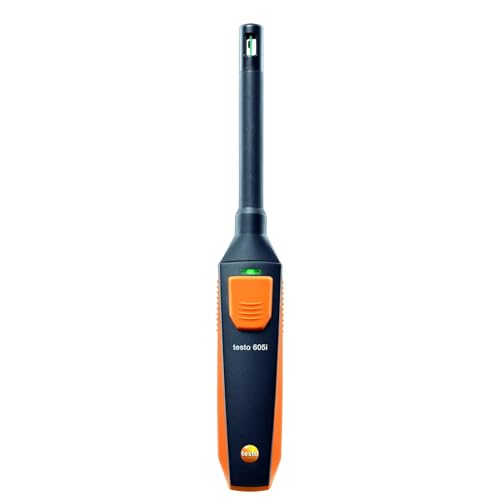
Testo 605i Thermohygrometer with Bendable Probe

DOOMAY Indoor Temperature Humidity Monitor for Nursery

GoveeLife Bluetooth Hygrometer Thermometer H5110, 3-Pack

TempPro TempAir Bluetooth Thermometer Hygrometer with Data Logging
What Each Pick Brings To The Table
The TempPro TP50 is a tabletop meter that does one job and does it cleanly: it shows you whether the air in the room is too dry, comfortably balanced, or starting to feel clammy. The face-style comfort indicator removes the guesswork, so a quick glance at the display tells you whether the humidifier needs adjusting before bedtime.
For most living rooms and bedrooms, the readout refresh rate is fast enough that you can watch humidity shift after a shower or while running a kitchen exhaust fan. Compared with the larger touchscreen TempPro TempAir later in this list, the TP50 keeps things simple, with a small footprint that slips onto a shelf without crowding your decor.
What Earns Its Place
- Comfort indicator icon (DRY, COMFORT, WET) reads at a glance, useful in shared spaces where not everyone reads numbers.
- Compact form factors well on nightstands and bookshelves.
- Refresh rate responds quickly to environmental changes like cooking or shower steam.
- Functions as a basic humidity gauge and indoor thermometer in a single device.
Points To Keep In Mind
- Lacks any connectivity, so data logging requires manually writing down readings.
- No backlight is mentioned, which can make nighttime checks awkward without room lighting.
Quick Facts
Whose Shelf It Belongs On
Anyone who wants a fuss-free room readout for a living area, bedroom, or home office without app pairing.
Reach For A Different Pick When
Pick the TempPro TempAir Digital Indoor Hygrometer Thermometer with Touchscreen if you want a larger, wall-friendly display with touch controls.
The TempPro TempAir Wireless system pairs a base station with up to three remote sensors, each pushing data back over RF (radio frequency) rather than WiFi. For households that want to compare conditions in the yard, the basement, and a greenhouse at the same time, that range of up to 500 feet in open air is genuinely useful.
Setup is closer to old-school weather station territory than smart home gear, which can be a plus if you prefer a self-contained system with no apps or accounts. It is a different approach from the TP50 above: that one is a single-room reader, while this one aims at people who care about conditions across multiple zones of a property.
The Practical Payoff
- Up to three remote sensors feed back to a single base station, useful for cellars, garages, and outdoor spaces.
- 500-foot RF range means the sensor reaches detached outbuildings or back gardens without relying on WiFi.
- Works without an internet connection, which can be appealing in rural homes.
Trade-Offs To Consider
- Extra sensors may need their own batteries, so ongoing maintenance is part of ownership.
- RF range drops sharply through thick walls, so you may find placement tricky in dense construction.
Best Suited To
Homeowners with multiple outdoor or detached spaces, like a garage workshop, a greenhouse, or a chicken coop.
Skip It When
Pick the YoLink Smart Wireless Thermometer Hygrometer 3-Pack instead if you want smartphone alerts and longer-range LoRa connectivity.
The YoLink kit arrives as a three-pack of wireless sensors plus a hub, designed for spaces where WiFi either struggles to reach or simply does not belong. Instead of crowding your home network, the sensors talk to the hub over LoRa, a low-power, long-range signal often used in industrial monitoring.
That makes the kit a natural fit for freezers, fridges, and detached areas where a small temperature swing matters. The companion app pushes alerts through email, text, and SMS, and the published battery life stretches into years, which lowers the maintenance load compared with typical WiFi sensors.
Notable Upsides
- LoRa long-range signal reaches areas WiFi cannot, including outbuildings and metal-shielded spaces.
- Multi-channel alerts (app, email, SMS) keep you informed even when you are away from home.
- Three-pack layout suits full-home or full-kitchen coverage from a single hub.
- Wide temperature range accommodates freezer and fridge monitoring alongside indoor rooms.
Worth Bearing In Mind
- Requires the included hub to function, so it is a bigger commitment than a standalone meter.
- App dependency means a phone or compatible device is needed for full setup and notifications.
The Right Fit
Owners who need reliable monitoring across fridges, freezers, greenhouses, and pet enclosures, with remote alerts.
Look Elsewhere When
Pick the GoveeLife Bluetooth Hygrometer Thermometer H5110 3-Pack instead if you want a simpler Bluetooth-only approach without a dedicated hub.
Where the TempPro TP50 is small and understated, the TempAir touchscreen model is built to be seen. The 4-inch display shows temperature and humidity digits that are easy to read from across the room, and the touch buttons sit on the front panel, so you can adjust settings without pulling the unit off the wall.
For a kitchen or living room where the meter doubles as part of the decor, the larger screen is a real upgrade. It is also the most accessible option on this list for anyone who struggles with smaller displays, including older household members.
Bright Spots
- Large 4-inch display with bold digits, readable from a couch or counter.
- Front-panel touch buttons keep wall-mounted units adjustable without removal.
- Higher-grade humidity sensor aimed at precise indoor readings.
Points To Note
- Larger size may dominate small shelving or narrow kitchen walls.
- No app or wireless features, so data logging still depends on manual notes.
Made For
Households that want a wall-friendly, large-display meter for a high-traffic living area.
Where Another Pick Suits Better
Pick the TempPro TP49 Digital Hygrometer Indoor Thermometer if a smaller, more compact form factor matters more than a large display.
The TP49 is a smaller sibling of the TP50, built around the same face-icon comfort indicator in a tighter package. For greenhouses, reptile rooms, or any space where humidity drives the health of plants or animals, the quick-glance design keeps adjustments simple.
It runs as a no-fuss standalone unit, which is part of the appeal. You drop it on a shelf and it starts reporting, no pairing or account setup required.
Practical Pluses
- Face-icon comfort readout translates humidity into a quick visual cue.
- Compact size fits inside propagation tents and small greenhouse shelves.
- Sensor accuracy aimed at dynamic environments where readings change quickly.
Honest Caveats
- Limited connectivity, so there is no logging or remote monitoring.
- Small display may be hard to read from across a larger room.
Who Should Grab It
Anyone running a small indoor garden or terrarium who wants a dedicated humidity gauge at a low cost.
Swap It Out When
Pick the TempPro TempAir Bluetooth Thermometer Hygrometer if you want exportable data logs alongside humidity readings.
The RuuviTag Pro leans into the data side of humidity monitoring. It measures temperature, humidity, air pressure, and motion through a single sensor, all broadcast over Bluetooth to a free app. The Texas TMP117 temperature component pushes the accuracy well beyond a typical room meter.
Where it really stands apart is integration. The sensor pairs with platforms like Home Assistant, Homey, and Victron, so it can feed a broader home automation setup rather than living as a standalone gadget.
The Value In It
- Four-in-one measurement (temperature, humidity, pressure, motion) in one compact unit.
- Wide operating range from -40°C to +85°C suits harsh environments like garages and outdoor enclosures.
- IP67-rated housing (fully dust-tight and protected against temporary immersion) for demanding placements.
- Replaceable battery extends service life and reduces waste.
A Few Limitations
- Bluetooth range typically limits direct phone connections to a single room or two.
- Full benefit requires a smart home hub or compatible automation platform.
Key Product Details
Who Will Love This
Smart home enthusiasts who already run Home Assistant or similar platforms and want sensor-grade data.
Consider Something Else When
Pick the YoLink Smart Wireless Thermometer Hygrometer 3-Pack if you want multi-room coverage with phone alerts out of the box.
The Testo 605i is built for hands that want to reach into awkward spaces. The 90-degree bendable probe slips into HVAC ducts, supply registers, and crawl space openings where a flat tabletop meter simply cannot follow. Readings stream live over Bluetooth to the Testo app on iOS or Android.
For homeowners doing serious HVAC diagnostics, the tool behaves more like a contractor instrument than a casual room gauge. That focus shows up in the form factor and in the app’s calculated readings for HVAC and refrigeration work.
Everyday Wins
- Bendable probe reaches inside ducts and tight registers without disassembly.
- Bluetooth live data feed enables remote viewing on a phone or tablet.
- Compact probe head suits HVAC technicians and serious DIYers.
Things That May Matter
- App-only interface means there is no screen on the device itself.
- Specialized design can feel like overkill for a basic bedroom reading.
Perfect Match For
HVAC technicians, home inspectors, and dedicated DIYers diagnosing airflow and humidity in ducts.
Not Your Match When
Pick the DOOMAY Indoor Temperature Humidity Monitor for Nursery if you want a stationary room meter rather than a probing tool.
The DOOMAY hygrometer is aimed at nurseries and kids’ rooms, where parents often want both a quick comfort read and some reassurance that the readings are accurate. The unit offers a manual calibration feature, so you can nudge the temperature and humidity values to match a known reference if two meters in the same room disagree.
A 24-hour max/min record tracks the daily swing, which helps parents see whether the nursery gets too dry overnight. The reset happens at midnight, so each morning starts with a fresh window.
Notable Gains
- Manual calibration offsets minor drift between multiple meters in the same space.
- 24-hour max/min memory captures overnight humidity swings automatically.
- Comfort indicator gives a quick read on whether the room sits in the healthy zone.
Some Limits To Know
- No wireless or app connectivity, so readings stay local to the device.
- Calibration requires manual adjustment when drift appears.
Feature Snapshot
Built With In Mind
Parents and caregivers who want a stationary, easy-to-read meter in a nursery or child’s bedroom.
Another Choice May Suit
Pick the GoveeLife Bluetooth Hygrometer Thermometer H5110 3-Pack if you would rather track multiple rooms from your phone.
The GoveeLife H5110 kit arrives as a three-pack of miniature sensors, each small enough to slip into a closet, a guitar case, or a basement corner. A lanyard slot on each unit lets you hang them inside a greenhouse tent or a terrarium lid without taking up shelf space.
The Bluetooth range stretches up to about 262 feet in open air, so one phone can pull readings from several rooms. The trade-off is that Bluetooth only pairs within that range, so leaving the neighborhood breaks the connection until you return.
The Helpful Details
- Three mini sensors let you cover multiple rooms or enclosed spaces at once.
- Lanyard loop makes placement flexible in greenhouses, reptile enclosures, or closets.
- App-based remote alarm keeps you posted when readings drift.
Worth Noting
- Bluetooth range means readings stop once your phone leaves the area.
- Requires the Govee app for full functionality, which adds a setup step.
Right Fit For
Renters and apartment dwellers who want unobtrusive multi-room monitoring without drilling or wiring.
Where A Sibling Pick Shines
Pick the TempPro TempAir Bluetooth Thermometer Hygrometer if you want data logging and export alongside remote readings.
The TempPro TempAir Bluetooth sensor is built for people who want records, not just snapshots. It pairs over Bluetooth with a range up to about 260 feet, then logs two years of temperature and humidity data that can be exported for closer analysis.
For greenhouse growers or home lab work, having historical data is the difference between guessing and adjusting. The app walks through pairing and setup in a way that stays friendly even for users who do not consider themselves technical.
Useful Touches
- Two-year data logging creates a long baseline for trend analysis.
- Bluetooth auto-connect simplifies pairing after the initial setup.
- Advanced NTC humidity sensor (a thermistor-based component that measures temperature and humidity changes) targets precise readings for plant and lab environments.
Room For Improvement
- Bluetooth-only design means you need a nearby phone for live monitoring.
- App dependency may frustrate shoppers who prefer a screen on the device itself.
Technical Sheet
Who It Suits Best
Greenhouse growers, hobbyist lab users, and anyone who wants exportable long-term humidity records.
A Better Fit Elsewhere
Pick the GoveeLife Bluetooth Hygrometer Thermometer H5110 3-Pack if multi-room coverage matters more than data export.
What Matters Most Before Choosing Hygrometers For Home
Reading Accuracy and Refresh Speed
A hygrometer is only useful if you trust its numbers. Look for devices that publish tolerance figures for both temperature and relative humidity, and pay attention to refresh speed, since slower meters can hide short spikes like steam from a shower. For most living areas, a refresh rate measured in seconds is plenty.
Connectivity and Logging
Standalone meters are simple and reliable, but they do not keep history. Bluetooth and WiFi sensors add phone alerts, multi-room coverage, and sometimes exportable logs. The right choice depends on whether you want a quiet tabletop gauge or a system that pings you when something drifts.
Form Factor and Placement
A large touchscreen meter works on a kitchen wall but overwhelms a bookshelf. A mini sensor with a lanyard disappears into a closet or terrarium but is harder to read from across a room. Match the size and mounting style to where it will actually live, not just to the spec sheet.
Environment and Sensor Range
Indoor rooms sit in a narrow range, but freezers, attics, and greenhouses push meters toward their limits. Devices with wider published operating ranges handle those edge cases without giving up accuracy. Look at housing ratings like IP67 if you plan to place a sensor in a damp or dusty spot.
Key Considerations Across These Picks
Pitfalls Shoppers Hit
A common slip is buying a WiFi-only sensor for a detached garage or metal-shielded basement, then wondering why it drops offline. Walls, foil insulation, and metal doors all chew up wireless signals. Pick a sensor with the right protocol for the location, whether that is RF, LoRa, or Bluetooth at close range.
Another trap is trusting a brand-new meter without a calibration check. Many meters ship within tolerance but can drift over months. A simple salt-test calibration or a side-by-side check with a known reference is worth doing once you unpack a new unit.
When Paying More Pays Off
Higher-tier models like the RuuviTag Pro and Testo 605i cost more because they publish tighter tolerances, broader operating ranges, and integrations with serious smart home systems. The upgrade pays off when accuracy matters, like a wine cellar, a greenhouse, or HVAC diagnostics. For a basic bedroom reading, a simpler meter like the TempPro TP50 or TP49 delivers solid value without the extra spend.
Frequently Asked Questions
How often should you replace the batteries in a home hygrometer?
Most standalone meters run a year or more on a single battery, while connected sensors with active radios tend to drain faster. Replace batteries the moment the display dims or alerts stop arriving, since low power can skew readings.
Where is the best place to put a hygrometer in a room?
Mount it on an interior wall, away from direct sunlight, windows, and supply vents. Mid-room height reads the average air better than a shelf near a heat source or a drafty windowsill.
Do you need a smart hygrometer for a small apartment?
Not necessarily. A basic tabletop meter covers a studio or one-bedroom space without app setup. Smart sensors earn their keep once you have multiple rooms, a greenhouse, or a connected HVAC system to coordinate.
Can a hygrometer help with allergies and asthma?
Tracking humidity helps you spot conditions that favor dust mites or mold growth, both of which thrive above 60 percent relative humidity. A reliable meter is a useful part of an indoor air quality routine, though it is only one piece of the picture.
Is a Bluetooth hygrometer accurate enough for a wine cellar?
For casual home cellaring, a quality Bluetooth sensor with a published tolerance is generally fine. For long-term professional storage, look at sensors with tighter accuracy claims and logged history, like the RuuviTag Pro or the TempPro TempAir Bluetooth.
Wrap Up
The right hygrometer depends on the space you want to monitor and how much data you want to see. A simple meter like the TempPro TP50 handles bedrooms and living rooms, while connected kits like the YoLink 3-Pack or the GoveeLife H5110 reach further across a home. If you need logged history or pro-grade accuracy, the RuuviTag Pro and the TempPro TempAir Bluetooth offer a step up without overcomplicating daily use. Match the sensor to the room, and the readings will keep your indoor air comfortably on track.
