

Living with a septic system means your kitchen habits reach further than the sink. Food scraps that grind into fine particles travel through your pipes and into the tank, where bacteria work to break everything down. A disposal that shreds waste too coarsely, or one that sends fibrous material in thick loads, adds work your tank was never designed to handle.
Not every disposer fits this reality. Continuous-feed models with stainless grinding chambers and modest horsepower tend to play nicely with properly maintained septic systems, especially when paired with a septic-safe additive routine. The picks below cover compact economy units, mid-power workhorses, quiet premium grinders, and a few air-switch accessories that make installation and daily use easier. Each one was chosen for how it behaves in a real septic household, not just how it looks on a spec sheet.
The Picks In Brief
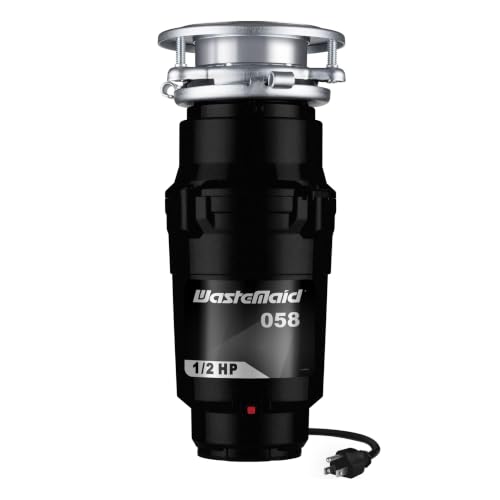
Waste Maid 1/2 HP Economy Garbage Disposal

Etoolcity Stainless Steel Air Switch Kit

Etoolcity Long Black Air Switch Kit (UL Listed)

InSinkErator Badger 1 1/3 HP with Cord

InSinkErator Badger 5 + BOOST Septic Bundle

Briidea Dual Outlet Air Switch Kit (UL Listed)

InSinkErator Badger 5 1/2 HP with Power Cord

InSinkErator Evolution Essential XTR 3/4 HP

Waste Maid 1/3 HP Builders Garbage Disposal

Waste Maid 1/2 HP Standard Garbage Disposal
A Closer Look At Each Pick
The Waste Maid Economy sits in that comfortable middle ground where a household grinder doesn’t have to be loud or oversized to be useful. A 1/2 horsepower permanent magnet motor runs at 2600 RPM, paired with a stainless steel grind chamber designed to break down scraps into particles small enough for a septic tank to handle. Compact footprint matters here: in apartments and older homes where the under-sink cavity barely clears a standard unit, this one tends to fit.
It runs as a continuous-feed disposer, meaning scraps go in while water and the unit stay on. For a household that produces moderate cooking waste and already runs a moderate septic maintenance routine, the Economy model behaves like a sensible step up from a builder-grade unit. It’s a quieter, lighter buy than the Evolution series you’ll meet later in this guide, though it won’t match the premium quietness either.
Strong Points
- Anti-jam Torque Master grinding reduces the chance a fork or fibrous peel stalls the motor mid-cycle.
- 1/2 HP permanent magnet motor delivers enough torque to handle everyday food scraps without overworking a septic system.
- Compact body suits tight under-sink cabinets better than larger 3/4 HP options.
- Stainless steel grind components hold up better to moisture than galvanized alternatives.
Honest Caveats
- Continuous-feed design rewards users who run plenty of cold water during grinding, so habit changes a bit.
- Less suited to households that compost most scraps and only need occasional grinding.
Made For
Apartment dwellers or small households on septic who cook most nights and want a no-fuss, affordable upgrade from a worn-out builder unit.
Consider Something Else When
You entertain often or run a busy family kitchen, where the InSinkErator Badger 5 1/2 HP with Power Cord handles heavier daily loads with more headroom.
An air switch is one of those accessories most people forget about until they install a disposer and realize their wall switch is on the wrong side of the kitchen. The Etoolcity kit solves that neatly: a polished stainless button mounts through a small hole in the countertop or sink rim, and a tube runs down to a power module that energizes the disposal. No high-voltage wiring at the countertop, which is genuinely safer around water.
For septic households, the appeal is simpler than spec sheets suggest. A disposer installed with an air switch tends to live near the sink, which means shorter trips between scraping the plate and turning on the unit, and more cold water flowing during each use. The real-stainless button resists the chipping and fading that plastic alternatives tend to show after a year of dish splatter.
Points In Its Favor
- Real stainless button holds up to daily kitchen wear better than chromed plastic.
- Two power module mounting options: screws or adhesive nano-pad, so renters can install without drilling cabinet walls.
- Plumbing-free electrical path means no live wiring near the sink basin.
- Works with most continuous-feed disposers already in the kitchen.
Trade-Offs To Consider
- Countertop hole drilling is required for a clean look, which puts off some renters.
- Single-outlet design means a separate switch is needed for a hot water dispenser or other accessory.
Key Product Details
Right Fit For
Anyone retrofitting a disposer in a kitchen without a convenient wall switch and who values a clean, polished look on the countertop.
Skip It When
You want one switch to control both the disposal and a hot water dispenser, where the Briidea Dual Outlet Air Switch Kit handles both jobs.
This Etoolcity kit takes the polished look of the earlier stainless model and trades it for a longer black button that pairs well with darker faucets, soap dispensers, or matte fixtures. The bigger story is the UL listing, which signals the power module has passed independent safety testing rather than just claiming to. For a kitchen near a septic system where you already think carefully about what flows where, a safer electrical path is a reasonable upgrade.
The button still works the same way: a pneumatic pulse travels down the tubing to a power module mounted under the sink. You get the same renter-friendly installation choices. If the polished finish on the standard stainless model feels too bright next to a black faucet or a soap dispenser in oil-rubbed bronze, this dark version blends in instead.
Useful Strengths
- UL-certified power module adds a layer of independent safety verification.
- Long black button blends with dark faucets and modern matte fixtures.
- Ultra-thin socket design keeps the under-sink profile compact.
- Compatible with most continuous-feed disposers on the market.
Points To Keep In Mind
- Single-outlet module only, so a hot water dispenser needs its own switch.
- Dark finish may show water spots more visibly than brushed stainless in hard-water areas.
Best Suited To
Anyone remodeling a kitchen with dark fixtures who wants a disposer switch that disappears into the design rather than standing out.
Another Choice May Suit
You’d rather control both the disposal and a hot water dispenser from one switch, in which case the Briidea Dual Outlet Air Switch Kit covers both outlets.
The Badger 1 is the smallest, lightest member of InSinkErator’s family, and that’s its whole reason to exist. A 1/3 horsepower Dura-Drive induction motor doesn’t sound like much on paper, but it matches what most small households actually need: a unit that grinds leftovers, washes down with cold water, and stays out of the way. Galvanized steel components keep the cost reasonable, and the included power cord removes one step from installation.
For septic households, the Badger 1 is documented as safe for properly maintained septic systems, which means the grind particles stay small enough to travel through the tank without settling out as solids. Pair it with a steady cold-water flush during use and a reasonable septic pumping schedule, and it behaves as a long-term member of a small kitchen.
Everyday Advantages
- Compact footprint fits under shallow sinks where larger disposers won’t install.
- Included power cord saves a trip to the hardware store during setup.
- Designed to be safe for properly maintained septic systems.
- Dura-Drive induction motor is engineered for daily use rather than heavy banquet-duty grinding.
Smaller Trade-Offs
- 1/3 HP struggles with bones, fibrous peels, or large quantities of food waste in one load.
- Galvanized grind components don’t last as long as stainless steel under heavy use.
Who It Suits Best
Small households, light daily cooking, and tight under-sink cabinets where physical size matters more than grinding muscle.
Look Elsewhere When
You cook for a family and process tougher scraps regularly, where the InSinkErator Badger 5 1/2 HP brings more torque without jumping to premium pricing.
This bundle pairs the Badger 5 disposer with the BOOST Injection System and Septic Guard solution, which is the closest thing to a complete septic-aware setup you’ll find in a single listing. The disposer itself is the same 1/2 HP Dura-Drive workhorse covered elsewhere in this guide. The added piece is a small injection unit that doses the septic system with a biological treatment designed to keep bacteria active and solids breaking down.
For households that already pump their tank on schedule and just want a little extra biological support, this combination makes the most sense. The disposer handles daily scraps at a steady 1/2 HP output, and the BOOST system handles the longer-term chemistry of keeping the tank healthy. It’s the option that treats septic care as a routine rather than a reaction.
Notable Gains
- Combined disposer and septic treatment in one purchase removes the guesswork of matching products.
- 1/2 HP motor handles a wider range of food scraps than 1/3 HP units.
- Septic Guard solution supports the bacterial activity that breaks down solids before they reach the drain field.
- Includes a power cord for direct installation.
Honest Caveats
- Septic Guard solution is an ongoing cost that runs alongside the upfront disposer purchase.
- Bundle costs more than the disposer alone, which is fine only if you’ll actually use the injection system.
Quick Facts
Who Will Love This
Homeowners committed to long-term septic care who want both a capable disposer and a treatment system delivered in one place.
Where Another Pick Suits Better
You only need the disposer and plan to handle septic maintenance separately, where the InSinkErator Badger 5 1/2 HP with Power Cord keeps things simpler and lighter on upfront cost.
The Briidea kit solves a specific frustration: you have a disposal, and you also have a hot water dispenser or another small appliance, and you don’t want two separate switches drilled into the countertop. The dual-outlet power module lets one air button trigger the disposal while the second outlet stays powered for the other device. It’s a tidy solution in a kitchen that already feels busy.
For a septic household, the value is practical. One switch means one place to remember when running water and grinding, which builds the habit that keeps food particles small and moving. The UL listing is the same kind of independent safety check found on the Etoolcity black unit, and the long stainless button should hold up similarly well to daily pressing.
What Helps Most
- Dual outlet design runs the disposal and a second appliance from one button.
- UL-certified power module for verified safety.
- Real stainless button resists wear in busy kitchens.
- Single countertop hole keeps the install clean.
Things To Weigh Up
- Wiring two appliances through one module takes more care than a single-outlet kit.
- Not every kitchen needs a second switched outlet, which makes the dual design feel like overkill in simpler setups.
Perfect Match For
Anyone running both a disposer and a hot water dispenser who wants one switch on the countertop instead of two.
Reach For A Different Pick When
Your kitchen only runs a single disposer and you don’t want to pay for unused second-outlet capacity, where the Etoolcity Stainless Steel Air Switch Kit covers the basic case.
The Badger 5 sits in the middle of the Badger lineup, and that’s exactly where most septic households land. A 1/2 horsepower induction motor paired with galvanized steel grind components gives you enough torque for daily family cooking without the cost of the Evolution series. Continuous-feed operation means scraps go in while water runs, which suits the steady grinding habit a septic tank prefers.
For households that cook most nights and want a unit that’s been around long enough to feel familiar, the Badger 5 is the kind of workhorse you don’t have to think about. The included power cord is a small but useful detail that simplifies installation. Compared to the Badger 1, this one pushes through tougher scraps without bogging down, which keeps the septic tank from receiving half-ground waste.
Standout Benefits
- 1/2 HP induction motor balances everyday torque with reasonable electrical demand.
- Designed to be septic-safe for properly maintained systems.
- Included power cord removes a separate trip to the hardware aisle.
- Compact footprint fits where larger premium units won’t.
Smaller Limitations
- Galvanized grind components have a shorter service life than stainless steel under heavy use.
- Noisier than the Evolution series, which matters in open kitchens.
Built With In Mind
Family kitchens on septic that cook most nights and want a mid-power disposer without paying for premium quietness.
Where A Sibling Pick Shines
You cook in an open-concept space where noise travels, where the InSinkErator Evolution Essential XTR 3/4 HP cuts sound without giving up grinding muscle.
The Evolution Essential XTR is the quietest disposer in this guide and the most expensive. It earns that premium with two distinct upgrades over the Badger series: SoundSeal technology, which dampens the grinding noise, and a two-stage Multigrind chamber that processes waste finer before sending it down the drain. For a septic tank, finer particles mean less work for the bacteria downstream.
You also get alloy stainless steel grind components, a LeakGuard liner under the grind chamber, and a satin nickel air switch plus power cord included in the box. For open-concept kitchens where the Badger 5 would be too loud or for households that entertain often and grind larger volumes, this is the unit that feels like a step up rather than a sideways move.
What Makes Sense
- SoundSeal technology cuts grinding noise noticeably compared to Badger series units.
- Two-stage Multigrind reduces waste to finer particles, which septic systems handle more easily.
- Alloy stainless steel components and a LeakGuard liner for added durability.
- Includes both a satin nickel air switch and a power cord, so no separate purchases.
Practical Considerations
- Costs more than Badger series disposers, so the value depends on how much quietness matters to you.
- 3/4 HP motor draws more electrical current than smaller units, which can matter on older kitchen circuits.
Technical Highlights
Whose Shelf It Belongs On
Open-concept kitchens and frequent entertainers on septic who want quiet operation and the finest grind particles this category offers.
Swap It Out When
You’d rather save the upfront cost and run a Badger series unit with a healthy dose of cold water, where the InSinkErator Badger 5 1/2 HP handles everyday loads for less.
The Waste Maid Builders model targets a different shopper than the Economy unit earlier in this guide: someone replacing a unit in a rental property, an investment home, or a kitchen that’s seen years of heavy use. A 1/3 horsepower permanent magnet motor runs at 2400 RPM with a stainless steel grinding system designed to resist jams. The three-bolt mounting system speeds up installs and replacements.
For septic households, the appeal is straightforward. The grinding system aims to break waste into small enough particles for normal tank operation, and the simpler mounting means a service call or a DIY swap takes less time. The five-year warranty is also longer than what you’d typically see at this power level, which matters when the unit runs in a property you don’t visit every week.
Features That Help
- Three-bolt mount speeds up both initial install and any future replacement.
- Stainless steel anti-jam grinding system handles tough scraps without stalling.
- Five-year warranty for longer coverage than most 1/3 HP units offer.
- Compact body fits where larger disposers cannot.
Where It May Fall Short
- 1/3 HP isn’t ideal for households that grind fibrous waste or bones in large amounts.
- Permanent magnet motors can be slightly noisier than induction motors at similar power.
The Right Fit
Landlords, property managers, and homeowners who want a reliable, easily swappable unit with a longer warranty.
A Better Fit Elsewhere
You cook for a busy family and grind tougher scraps regularly, where the InSinkErator Badger 5 1/2 HP with Power Cord delivers more torque for everyday cooking.
The Waste Maid Standard rounds out the Waste Maid trio at 1/2 horsepower, which sits between the lighter Economy model and the Builders unit covered just above. A 2600 RPM permanent magnet motor pairs with the same Torque Master stainless steel grinding system found in the Economy version, which means consistent performance whether you choose Economy or Standard.
The Standard trim is the natural fit for steady everyday cooking without the lighter model’s restraint. For septic households, the consistent grind profile keeps particles small enough to travel through the tank, and the stainless components hold up to daily moisture better than galvanized alternatives. It’s a useful middle-of-the-line choice for homeowners who want the Waste Maid experience with a bit more torque than the Economy version offers.
Strengths Worth Knowing
- Anti-jam Torque Master stainless grinding system reduces mid-cycle stalls.
- 1/2 HP motor handles a wider range of household scraps than 1/3 HP options.
- Stainless grind components last longer than galvanized steel under daily use.
- Compact profile fits standard under-sink cabinets.
Potential Compromises
- Permanent magnet motors run slightly hotter than induction motors under sustained loads.
- Not as quiet as the Evolution series covered earlier in this guide.
Who Should Grab It
Homeowners who want a Waste Maid unit with steady 1/2 HP performance and don’t need the Builders model’s faster mounting or the Evolution series’ premium quietness.
Not Your Match When
You entertain frequently or run an open-concept kitchen where noise matters more than budget, where the InSinkErator Evolution Essential XTR 3/4 HP trades higher cost for sound control.
What To Weigh Before Choosing Garbage Disposals For Septic Tanks
Matching Motor Size To Cooking Habits
The horsepower number on a disposer box is shorthand for how aggressively the unit can grind, not how much electricity it uses. A 1/3 HP motor handles light cooking: vegetable peels, soft scraps, small quantities. A 1/2 HP motor covers most family kitchens with room for occasional tougher waste. A 3/4 HP unit processes bones, fibrous peels, and the larger volumes that come with entertaining. Choosing the smallest motor that handles your real workload keeps the septic tank from receiving half-ground waste, which is what strains the system over time.
Septic-Safe Design And Grind Quality
A disposer that produces fine particles makes life easier for the bacteria inside the tank. Stainless steel grinding components tend to hold an edge longer than galvanized steel, which keeps the grind consistent across years of use. Look for disposers that explicitly mention septic-safe operation when running a maintained system. Avoid batch-feed models in households that want to send scraps down quickly, since continuous-feed units paired with steady cold water tend to produce the smallest, most uniform particles.
Installation And Mounting Simplicity
Most disposers in this guide mount with a three-bolt system that fits the standard sink flange already in your kitchen. The included power cord removes a separate trip to the hardware aisle. For older homes without a wall switch near the sink, an air switch kit like the Etoolcity or Briidea models lets you run a pneumatic button through a small countertop hole, which keeps high-voltage wiring away from water. The right accessory can turn a tricky install into a weekend project.
Noise Level And Kitchen Layout
Open-concept kitchens amplify disposer sound in ways that closed galley kitchens do not. SoundSeal technology in the Evolution series cuts noise noticeably compared to standard Badger units. Permanent magnet motors in Waste Maid models run at higher RPMs, which can sound sharper than induction motors. The honest read is that even quiet disposers make some sound during grinding; the question is how much sound travels into living spaces.
Picking Smart And Avoiding Costly Surprises
Pitfalls Shoppers Hit
Septic households sometimes assume any disposer will work, then send fibrous waste like celery strings and corn husks down in heavy loads. That material tangles around the grinding components and exits the disposer in strands rather than particles, which then settle in the septic tank as solids rather than breaking down. Run cold water generously during grinding, avoid pouring grease into the unit, and consider a Biological treatment injection system if you already pump your tank on schedule.
Where The Extra Money Goes
Higher-tier disposers buy three concrete things: quieter operation, finer grind particles, and longer-lasting components. The Evolution Essential XTR costs more than the Badger 5 because of SoundSeal technology, two-stage Multigrind, and alloy stainless steel parts. That extra cost pays off most in open kitchens where the Badger 5 would be loud enough to interrupt conversation, and in households that grind larger volumes and want finer septic-friendly particles. For closed kitchens with light daily cooking, the Badger 5 delivers most of what the Evolution offers at a lower cost.
Frequently Asked Questions
Are garbage disposals safe for septic systems?
Yes, when the disposer is rated for septic use and the system is properly maintained. Continuous-feed models that produce small, uniform particles work well with the bacterial action inside a healthy tank. The key variables are running cold water during grinding and pumping the tank on a regular schedule.
What horsepower is best for a septic system?
Most septic households do well with a 1/2 HP disposer, which handles everyday scraps without overworking the system. Smaller households with light cooking may find 1/3 HP sufficient. Larger households or frequent entertainers may benefit from 3/4 HP units, which produce finer particles but draw more current.
Should I use a Biological additive with my disposer?
Biological treatments can support bacterial activity in the septic tank, especially in households that run the disposer daily. The BOOST Injection System bundled with the InSinkErator Badger 5 is one option for automated dosing. The honest read is that additives help, but they don’t replace regular tank pumping.
Can I install a garbage disposal myself?
Many disposers in this guide are designed for DIY installation with a three-bolt mount, a standard sink flange, and an included power cord. The wiring step requires basic electrical comfort. An air switch kit removes the need to add a new wall switch, which simplifies retrofits in kitchens without convenient electrical access.
How often should I run my garbage disposal on a septic system?
Run it as often as your cooking produces scraps, paired with a steady stream of cold water during each use. Daily light grinding is generally fine. The bigger concern is sending large volumes of fibrous or starchy waste in one load, which can overwhelm the tank’s bacterial capacity regardless of how often you run the unit.
Closing Remarks
A septic-friendly disposer is mostly about matching the unit to your kitchen habits and your tolerance for noise and upkeep. The picks above cover everything from compact economy workhorses to quiet premium grinders, plus a few air switch kits that solve the install problem in older kitchens. Run cold water generously, avoid pouring grease down the drain, and keep up with tank maintenance, and any of these units should serve a septic household well for years.
