

Old galvanized, copper, or clay pipes ask more from a drain cleaner than modern PVC does. Aggressive acids can pit thin metal walls, and harsh heat can crack aged joints hidden behind walls. You need a formula strong enough to break up grease, hair, and soap buildup, yet measured enough not to widen existing weak spots. The picks below cover alkaline crystals, pure lye beads, hot-water-activated powders, and monthly enzyme sticks, each rated against how well it handles fragile plumbing without trading one problem for another.
The Essentials At A Glance

THRIFT T-600 Alkaline Granular Drain Cleaner 6 lb (Two Pack)
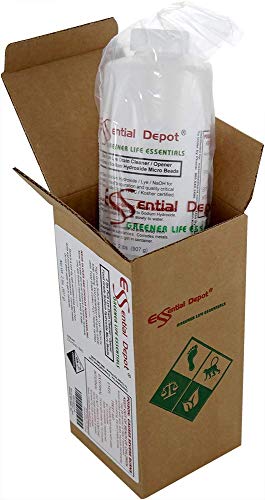
Essential Depot Pure Lye Drain Cleaner 2 lb Micro Beads

Thrift T-600 Alkaline Granular Drain Cleaner 6 lb

Insta-Flo Crystals Drain Cleaner 2 lb

SANI 360° Sani Sticks Drain Cleaner 24 Sticks Lemon

SANI 360° Sani Sticks Drain Cleaner 48 Count Lemon

SANI 360° Sani Sticks Drain Cleaner 24 Count Lavender
More On The Choices That Made The List
Two six-pound containers of Thrift’s classic alkaline crystals give you roughly twice the working supply of the single-bottle option that appears later in this list. Each container handles multiple drain interventions across bathrooms, kitchen sinks, and even main lines, which matters when an older home has more than one sluggish fixture at a time.
The non-acidic formula targets grease, hair, and soap scum without the harsh fumes that linger in small, enclosed bathrooms. For a 1940s bungalow with original galvanized traps, that chemistry tends to be kinder to old threads and drum traps than sulfuric-acid products. Hot water activates the dry, odorless crystals in roughly a minute, so you spend less time babysitting a slow drain.
Bright Spots
- Two-pack format stretches across many uses before you reorder
- Alkaline base avoids the corrosive bite acids can take out of old metal joints
- Minute-fast activation shortens the time water sits in weakened pipes
- Dry, scent-free crystals stay tolerable in poorly ventilated bathrooms
Honest Caveats
- Twelve pounds of granules demand a dry storage spot out of reach from kids and pets
- Older drum traps with heavy grease buildup may still need a mechanical snake for full clearing
Key Specs
Right Fit For
Owners of older homes with multiple slow drains who want a stockpile that handles several cleanings without reordering.
Consider Something Else When
Households with small storage space will find the Essential Depot Pure Lye Drain Cleaner a more compact two-pound alternative.
Food-grade sodium hydroxide in evenly sized micro beads gives experienced DIYers a precise tool for clearing the kind of long grease ribbons that build up inside horizontal cast-iron runs. The uniform bead size means each particle saturates at the same rate, so saponification, the chemical process where alkali converts grease into a soap-like residue that dissolves in water, happens predictably rather than in patches.
The HDPE container includes a resealable child-resistant cap, which matters because pure lye demands respect around curious hands and stored cleaning supplies. Compared with the Thrift crystal options earlier in this list, Essential Depot skips the inert fillers and ships only the active chemistry, so a smaller two-pound pail goes further than its weight suggests in a deep clog.
The Helpful Details
- Evenly sized micro beads deliver uniform saturation during treatment
- Food-grade purity reduces surprise contaminants that older pipes may react to
- Smaller footprint stores easily on a utility shelf
- Child-resistant cap adds a practical layer of household safety
Trade-Offs To Consider
- Pure lye generates meaningful heat during reactions and warrants careful handling
- Ground-shipping restriction may stretch delivery windows for quick fixes
- Less forgiving than milder enzyme sticks if misused on compromised joints
Whose Shelf It Belongs On
Confident DIYers tackling stubborn clogs in cast-iron or galvanized lines, who already understand how caustic soda behaves in old plumbing.
Not Your Match When
Anyone seeking a gentler, monthly maintenance routine will find the SANI 360° Sani Sticks a safer, lower-effort path.
The single six-pound bottle of Thrift is the same trusted alkaline formula many plumbers have used for decades, packaged without the doubled-up supply the first entry offers. For a household that only treats one or two slow drains a year, this size avoids the storage burden of bulk granules while still delivering the same hot-water-activated clearing power.
Compared with the two-pack option above, this one feels more like a single project in a box: pour, add boiling water, wait, flush. Dry, odorless crystals mean no chemical cloud hangs in the bathroom while you work, which is a real comfort in a small 1920s half-bath with no window cracked open.
Key Advantages
- Standard single-bottle size suits modest household demand
- Hot-water activation finishes in about a minute for most blockages
- Alkaline chemistry sidesteps acid-related corrosion on aged metal pipes
- Dry crystals leave no lingering fumes in enclosed spaces
Points To Note
- Six-pound bottle can be awkward to pour for anyone with limited grip strength
- Severely clogged main lines may still require mechanical augering
Quick Facts
Made For
Homeowners who want a proven alkaline treatment on hand for the occasional slow drain in an older property.
Reach For A Different Pick When
Households wanting a slow, steady preventive schedule should turn to the SANI 360° Sani Sticks for enzyme-based monthly upkeep.
Insta-Flo keeps the workflow simple: pour crystals into the drain, chase with boiling water, give it a minute, then flush. The two-pound container weighs less than a bag of flour, which makes it easier for older homeowners to handle than the six- and twelve-pound Thrift options earlier in this list.
The smaller volume suits apartments and small bungalows where a single stubborn bathroom sink is the recurring headache, rather than a whole network of old lines. Hot water is the activator here too, so the same cautions about old pipe integrity apply, but the lighter dose limits how much heat and chemistry hit aged joints at once.
The Case For It
- Manageable two-pound weight stays friendly for limited strength or storage
- Three-step routine (pour, hot water, flush) keeps the process low-stress
- Targets the same hair, grease, and soap film as larger competitors
Small Caveats
- Smaller volume means fewer repeat treatments per purchase
- Main sewer clogs typically demand more than a two-pound bottle
Feature Snapshot
Best Suited To
Anyone in a smaller home with one or two slow drains who wants a lightweight, no-fuss alkaline treatment.
Skip It When
Households needing long-term preventive care will benefit more from the monthly SANI 360° enzyme stick routine.
Sani Sticks shift the strategy from emergency clearing to quiet prevention. A single stick drops into the drain each month, where enzymes work slowly on the organic film that builds along the inside of old pipes. The lemon scent addresses the second complaint homeowners usually name after a clog, the sour bathroom smell that comes from biofilm sitting in the trap.
Unlike the alkaline crystals higher in this list, the enzyme approach won’t punch through a fully blocked drain. Its job is to keep pipes from getting there in the first place, which makes it a good companion to the stronger treatments rather than a substitute for them. For households on septic systems, the gentle biology is often a more welcome monthly visitor than a hot caustic flush.
The Value In It
- One stick per month removes the guesswork from drain upkeep
- Enzyme formula treats old pipes, septic systems, and gentle plumbing
- Lemon scent neutralizes odor between cleanings
- No boiling water or measuring required
Less Ideal Details
- Won’t open a drain that’s already fully blocked
- Slow biology means results are measured in weeks, not seconds
Who It Suits Best
Owners who want a low-effort, monthly habit that keeps old drains moving and odors in check, especially on septic systems.
Where Another Pick Suits Better
Anyone facing a current blockage should reach for the Thrift T-600 single-bottle option for active clearing power.
The 48-count box doubles the lemon-scented stick supply covered by the smaller entry above, which works out to roughly four years of monthly treatment per drain. For a household with multiple sinks, tubs, and a laundry drain, that’s coverage that lasts long enough to forget what the original order date was.
The enzyme blend targets the same organic film as the 24-count version, which means you trade the rapid punch of alkaline cleaners for a quieter, gentler maintenance routine. In an older home with thin-walled galvanized piping, that gentler touch matters when you’re thinking in terms of years rather than emergency fixes.
A Favorable Mix
- Larger count lowers the per-stick cost over years of monthly use
- Covers several drains simultaneously across a multi-bath home
- Enzyme action is friendly to older metal and septic plumbing
- Lemon scent keeps drains smelling clean between deep cleanings
Things To Weigh
- Not a tool for clearing an active clog
- Sticks must be stored dry to remain effective
Perfect Match For
Multi-bath households committed to a long-term, set-and-forget monthly habit across every drain in the house.
Look Elsewhere When
Homeowners wanting a specific scent for a guest bathroom may prefer the lavender 24-count option that follows.
The lavender variant of the Sani Sticks delivers the same enzyme-based monthly maintenance as the lemon versions earlier, with a softer floral note suited to bedrooms and guest baths. If the bathroom in question is a windowless powder room where stronger scents feel intrusive, lavender tends to land better than citrus.
The 24-count format matches the entry that opened the Sani Sticks section, making this a direct alternative for scent preference rather than supply size. Same gentle biology, same drop-in routine, just a different ambient finish as the stick works through the month.
Points In Its Favor
- Lavender scent offers a calmer alternative to citrus for enclosed bathrooms
- Monthly enzyme habit works alongside older plumbing without harsh reactions
- Drop-in design removes any measuring or pouring step
Minor Gripes
- Not designed to clear a fully blocked drain
Who Will Love This
Anyone outfitting a guest or primary bathroom who wants odor control with a softer scent profile than lemon.
A Better Fit Elsewhere
Households managing an active backup should rely on the Essential Depot Pure Lye Drain Cleaner for clearing chemistry.
What To Weigh Before Choosing A Drain Cleaner For Old Pipes
Older plumbing rewards caution. Before settling on a formula, identify what your pipes are made of and how much buildup is actually inside them. Galvanized steel, original copper, clay tile, and cast iron each behave differently under heat and chemistry, and what works beautifully on PVC may stress a 70-year-old drum trap.
Hot-water-activated alkaline cleaners work fast and break down hair and grease without the corrosive bite of sulfuric acid products. Enzyme sticks move in the opposite direction, using slow biology to keep biofilm from accumulating in the first place. Pure lye demands more respect but gives experienced DIYers precise, predictable chemistry for stubborn jobs.
Pipe age matters as much as pipe material. If your home predates the 1970s and you have not had the lines inspected recently, aggressive products deserve a second thought. Match the cleaner to the urgency: a slow drain calls for maintenance, while a fully blocked line calls for stronger chemistry and sometimes a mechanical snake.
Key Considerations Across These Picks
Mistakes Worth Dodging
Reaching for the strongest acid cleaner on the shelf is a common reflex when a drain is fully blocked, yet harsh acids can thin already-weakened pipe walls. Skipping the hot water step with alkaline crystals also weakens their effect, leaving you to wonder why the product “didn’t work.” Another misstep is mixing chemical treatments back to back, which can cause reactions inside the pipe and send fumes back up through the drain.
What Separates Premium From Basic
Larger containers cost more up front but spread across many treatments, which lowers the per-use cost for households that maintain drains regularly. Higher-tier picks also tend to ship in child-resistant packaging with resealable caps, a quiet upgrade for any home with curious kids or pets. Premium enzyme sticks often blend multiple bacteria strains, which can keep working across a wider range of organic buildup than simpler single-strain formulas.
Frequently Asked Questions
Are chemical drain cleaners safe for old galvanized pipes?
Alkaline-based formulas like Thrift and pure lye products tend to be safer for galvanized lines than sulfuric-acid options, since acids can aggressively thin aging metal walls. Always flush with plenty of water afterward and avoid mixing chemical treatments.
How often should you use enzyme drain sticks in an older home?
One stick per drain per month is the typical schedule, which keeps biofilm from building up along the inside of old pipes. Enzyme sticks work gradually, so they suit maintenance rather than emergency clearing.
Can I leave a drain cleaner overnight in old pipes?
Extended contact times can stress aging joints and corroded spots. Most alkaline formulas finish in about a minute, so leaving them longer than the instructions recommend adds risk without extra benefit.
Will hot water alone clear a slow drain in old pipes?
Hot water helps with grease but won’t dissolve hair or soap scum on its own. Pairing hot water with an alkaline cleaner or a monthly enzyme stick covers more of what builds up inside aged lines.
Do enzyme sticks work on septic systems?
Yes, enzyme-based sticks are generally compatible with septic tanks because they support the same biological activity the tank relies on. They tend to be gentler on septic balance than harsh chemical cleaners.
Bottom Line
Older pipes don’t forgive careless chemistry, but they don’t need babying either. Match the cleaner to the urgency, the pipe material, and your tolerance for hands-on work, then stick with a routine that keeps biofilm from stacking up in the first place. Pick the format that fits how you actually live, and let the other options stay in reserve for the next stubborn drain.
