

A slow drain is one of those household headaches that creeps up on you. One morning the kitchen sink just holds water longer than it should, and by evening the shower basin turns into a shallow pool around your ankles. Chemical drain cleaners exist for exactly that moment, the gap between “I’ll deal with it tomorrow” and “I need this fixed tonight.” The picks below cover everything from heavy-duty alkaline granules for stubborn build-ups to gentler enzyme formulas for monthly maintenance, so you can match the right level of aggression to the clog in front of you.
The Main Contenders

Thrift T-600 Alkaline Granular Drain Cleaner 6 lb
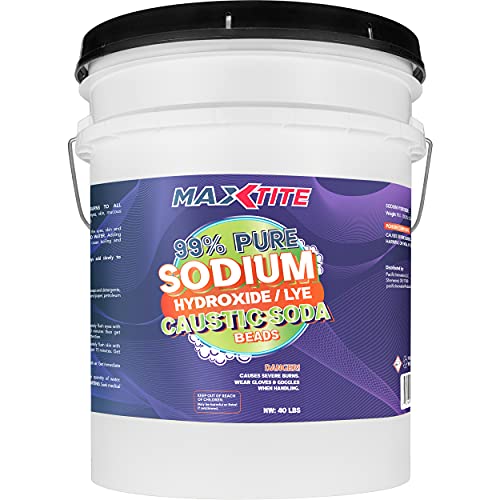
MaxTite Caustic Soda Beads 99% Pure (40lbs)

Drano Max Gel Drain Clog Remover 80oz
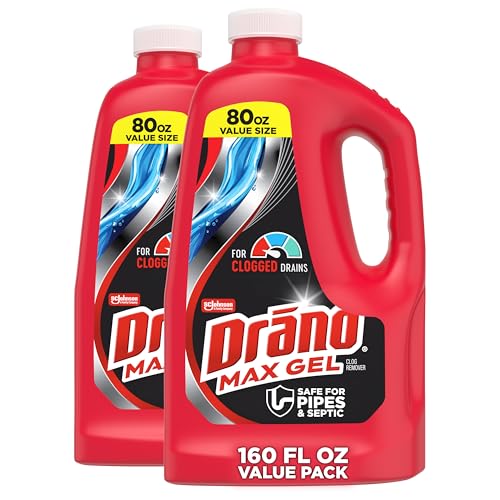
Drano Max Gel Drain Cleaner 80oz 2-Pack

Drano Max Gel Commercial 42oz 2-Pack

Drano Max Gel Shower and Sink 42oz

Drano EarlyAction Foamer 17oz 5-Pack

SEPTIFIX Septic Tank Treatment Tabs

Drano FlowGuard Build-Up Remover 60oz
Note: The table above contains two cells using When a drain has been sluggish for weeks and ordinary gels barely make a dent, an alkaline granular cleaner tends to punch harder. The Thrift T-600 ships as a six-pound jug of dry crystals designed for serious interventions, the kind you’d reach for after a slow shower drain has finally stopped moving. It’s a different format from the liquid picks below: you scoop, pour, and let the granules react with standing water to attack grease, hair, and soap accumulation in roughly a minute. Compared to the Drano gels in this list, Thrift trades convenience for raw strength. It’s well suited to households with old plumbing prone to recurring build-ups, and the bulk format means one container handles many treatments. Homeowners and maintenance staff dealing with severe, recurring clogs in main lines or commercial-style drains. The Drano Max Gel 80oz is a better fit if you’d rather pour a bottle than measure granules for everyday sink clogs. Caustic soda, chemically known as sodium hydroxide or lye, is the same active ingredient behind many commercial drain openers, just delivered in nearly pure form. MaxTite’s beads come in a 40-pound pail, which is overkill for a one-bathroom apartment but ideal for property managers, food-service operators, and homeowners with chronic drainage problems. The reaction triggered when the beads meet water is genuinely powerful, enough to dissolve organic build-ups that gel products leave behind. Versus the Thrift T-600 above, this pick leans further toward industrial use. It’s also widely used beyond drains: oven degreasing, soap making, and water treatment. Workshops, food-service back rooms, and properties where multiple drains need treatment every month. The Drano FlowGuard Build-Up Remover is the smarter pick if you want a gentler enzyme-based monthly routine without handling raw lye. The 80-ounce Drano Max Gel is the bottle most households end up owning, and for good reason. Its thick consistency sinks through standing water to reach the clog directly, and the formula is engineered to be safe for all common pipe materials including septic systems. Compared to the granular Thrift T-600 above, this is the easier, lower-fuss option: pour, wait, flush. Drano’s been around for generations, and this gel is the formula most people picture when they think of chemical drain cleaners. For routine sink, tub, and shower clogs, it remains the benchmark. Most homeowners who want a single, dependable bottle to keep under the kitchen or bathroom sink. The Drano EarlyAction Foamer is a smarter pick if your main pain point is a garbage disposal or slow pipe walls. Two bathrooms, a kitchen, and a laundry sink can chew through a single 80-ounce bottle faster than you’d think. The 80oz 2-Pack doubles your household supply so a clog never catches you without a backup bottle ready. Functionally, the formula is identical to the single 80oz above, so you’re not trading away performance for the larger pack. If your home has multiple slow drains that take turns misbehaving, keeping two bottles on hand saves an emergency trip to the store. Multi-bath homes and busy households that go through gel cleaner faster than a single bottle can keep up. The Drano Max Gel 80oz single bottle is enough if you only treat one drain occasionally. The Commercial Line 42-ounce 2-Pack is positioned for small businesses, but it translates well to apartments and rental units where the 80-ounce jug is more bottle than you need. You get two moderate-size bottles rather than one or two oversized ones, which makes them easier to store under a tight vanity or carry to a second-floor bathroom. The gel itself is the same Max Gel formula, so you’re not buying a watered-down version. You’re just buying it in a friendlier size. Apartment dwellers and small-office maintenance routines that want effective gel treatment in a manageable bottle size. The Thrift T-600 granules are better suited when you’re battling a serious blockage rather than routine slow drainage. Showers and bathroom sinks live with a specific kind of clog: hair knots tangled with soap residue. This 42-ounce Max Gel is positioned specifically for that environment, the same trusted formula as the larger 80-ounce Drano reviewed above, just sized for a single bathroom’s typical use. Compared to a kitchen-focused cleaner, it leans into hair and soap scum as the primary targets. It’s a reliable staple rather than a flashy pick: the kind of bottle you keep behind the toilet and reach for without thinking. Shower stalls and bathroom sinks where hair and soap residue are the dominant cause of slow drainage. The Drano EarlyAction Foamer is worth considering if your issue is more about pipe-wall residue than hair clogs. Foaming cleaners behave differently from gels: they expand once inside the pipe, coating the walls where most slow drains actually originate. The EarlyAction Foamer is built for that job, and the 17-ounce 5-Pack keeps a steady supply of small bottles around for a quick weekly treatment or a garbage disposal refresh. It’s a lighter-duty option than the heavier gels above, but the foaming reach is genuinely useful. For households that already own a gel cleaner for emergencies, this is the routine-maintenance sidekick. Households that want a maintenance product on hand alongside a heavier gel for full blockages. The Drano Max Gel 80oz is the better fit if you’re dealing with a standing-water clog rather than slow drainage. If your home runs on a septic system, harsh chemical drain cleaners can quietly damage the bacterial balance that makes the tank work. SEPTIFIX takes a different approach: dissolvable tabs packed with live aerobic bacteria that support the system’s natural breakdown process. It’s less about clearing today’s clog and more about preventing tomorrow’s, the slow-and-steady maintenance angle. Think of this as a complement to a stronger gel rather than a replacement. Drop a tab monthly and your septic tank stays healthier. Homeowners with septic systems who want to maintain bacterial balance between emergency treatments. The Drano FlowGuard Build-Up Remover is a better monthly pick if you’re on city sewer rather than septic and want enzyme-based prevention. The FlowGuard Build-Up Remover is the gentlest pick on this list. It uses active enzymes and probiotics, naturally occurring organisms that consume organic residue inside your drain, rather than harsh alkaline chemistry. The formula is bleach-free and lightly citrus-scented, designed to be used about once a month to prevent the slow accumulation that turns into a clog. This is a maintenance product, not an emergency treatment. For households that already keep a gel or granule cleaner for serious blockages, FlowGuard handles the everyday side. Households that want a low-fuss monthly maintenance routine without resorting to harsh chemistry. The Thrift T-600 alkaline granules are the right call when you need a fast 60-second clear, not a slow prevention routine. The right cleaner depends less on marketing claims and more on the clog in front of you. Fast-acting alkaline formulas work when you need a drain open tonight. Enzyme and probiotic options suit homes that prefer a gentler monthly routine. Granular formats carry more raw power but require careful measuring, while gels and foams trade convenience for a slower pace. Granular alkaline products react fastest but require gloves and ventilation. Gels sink through standing water to reach the clog directly, a useful trait when the drain is full. Foaming cleaners coat pipe walls where residue builds slowly. Enzyme-based formulas work best as prevention rather than emergency treatment. Most household drain cleaners are formulated to be safe for standard plumbing, but septic systems need extra care. Harsh chemicals can disrupt the bacterial balance inside the tank. Bacterial tabs and enzyme formulas are gentler choices for septic homes. A single bottle of gel handles occasional clogs well. Multi-pack formats suit households with several slow drains that take turns acting up. Maintenance products like enzyme cleaners pair with stronger emergency options for a balanced routine. All chemical drain cleaners deserve ventilation and skin protection. Alkaline and caustic soda products generate heat on contact with water and must never be mixed with other cleaners. Even milder formulas should be kept away from children and pets. The most common mistake is reaching for the strongest product when a gentler option would have worked. Harsh alkaline cleaners can damage older pipes with repeated use, especially in homes with original galvanized or PVC plumbing. Treating a slow drain monthly with a strong chemical is overkill and often makes the problem worse over time. Another trap is assuming one product handles every situation. Heavy gels clear clogs but don’t prevent them. Enzyme cleaners prevent build-up but won’t open an active blockage. The honest approach is keeping two products on hand: a targeted treatment and a gentle maintenance option. Higher-tier drain cleaners often justify the cost with faster action times, larger volumes per dollar, or specialized formats. A bulk caustic soda supply, for instance, costs less per treatment than individual gel bottles but demands more handling care. Larger gel packs reduce restocking trips in multi-bath homes. The real premium in this category is specificity: a foamer that reaches pipe walls, an enzyme cleaner that prevents build-up, a granular formula that clears in under a minute. Paying a little more for the format that matches your actual clog tends to outperform buying the cheapest bottle on the shelf. Most gel and granular cleaners are formulated to be safe for standard PVC, copper, and chrome plumbing. Septic systems, however, benefit from gentler enzyme or bacterial options to preserve tank balance. Strong alkaline or gel products are best reserved for active clogs, generally a few times per year at most. Enzyme or probiotic cleaners are designed for monthly maintenance to prevent build-up. Non-acidic alkaline cleaners are generally safe for porcelain, chrome, and stainless fixtures when used as directed. Always flush with water afterward and avoid leaving the product sitting on visible surfaces. Gels sink through standing water to reach a specific clog. Foaming cleaners expand inside the pipe and coat the walls, making them better for slow drains caused by gradual residue build-up. Recurring clogs in the same drain, multiple slow drains at once, or any backup involving wastewater typically signal a deeper issue. Chemical cleaners won’t resolve tree-root intrusions, collapsed pipes, or main-line obstructions. The right drain cleaner depends on what you’re facing tonight and what kind of prevention you want next month. Pair a targeted gel or granule for emergencies with a gentler enzyme or foaming product for routine care, and most household drainage problems stay ahead of you. markup by mistake; in production those should be More Details On Our Top Picks
Well-Handled Touches
Things To Consider
Key Specs
Who It Suits Best
Consider Something Else When
Practical Advantages
Trade Offs
Made For
Look Elsewhere When
What Helps Most
Honest Caveats
Feature Snapshot
Right Fit For
Skip It When
Where It Excels
Points To Note
Feature Card
Best Suited To
A Better Fit Elsewhere
Real-World Strengths
Points To Keep In Mind
Who Will Love This
Reach For A Different Pick When
A Few Strong Suits
Some Limits To Know
Spec Overview
Perfect Match For
Another Choice May Suit
What Pays Off
Practical Considerations
Quick Facts
Who Should Grab It
Swap It Out When
Features That Help
Worth Noting
Built With In Mind
Where A Sibling Pick Shines
Useful Highlights
Small Caveats
The Right Fit
Not Your Match When
What To Weigh Before Choosing a Chemical Drain Cleaner
Format and Strength
Pipe and Septic Compatibility
Use Frequency
Safety and Handling
Key Considerations Across These Picks
Pitfalls Shoppers Hit
What Separates Premium From Basic
Frequently Asked Questions
Are chemical drain cleaners safe for all pipe types?
How often should drain cleaners be used?
Can chemical drain cleaners damage porcelain or fixtures?
What’s the difference between gel and foaming drain cleaners?
When is it time to call a plumber instead?
Closing Thoughts

staff