

A driveway buried under eight inches of fresh powder doesn’t care what you paid for your snow blower, and neither does your back at 6 a.m. on a Monday. You want something that starts on the first pull, throws snow where it should, and doesn’t drain the account before the season’s first storm. This roundup walks through nine options that balance cost, capability, and the kind of reliability that matters when the flakes are still falling. From cordless electric models that skip the gas can to two-stage workhorses built for heavier snow belts, every pick here earns its place for a specific kind of shopper and a specific kind of winter.
The Choices Worth Comparing
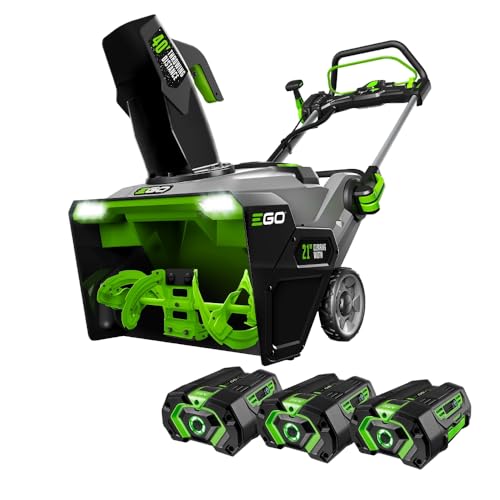
EGO Power+ SNT2112 21-Inch 56V Cordless Snow Blower (3 Batteries)
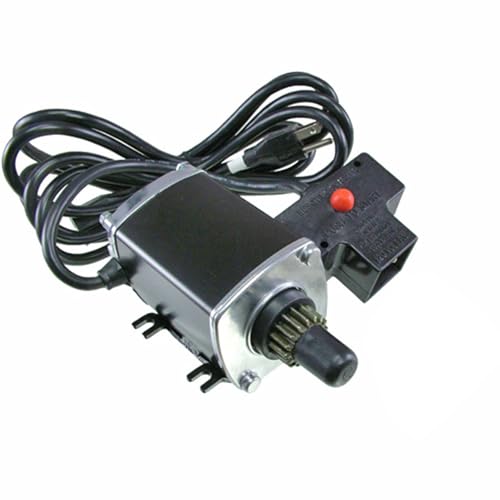
Arrowhead Tecumseh Starter 33329 Snow Blower Replacement

Honda HSS1332 31.9-Inch Two-Stage Snow Blower (HSS1332AATD)
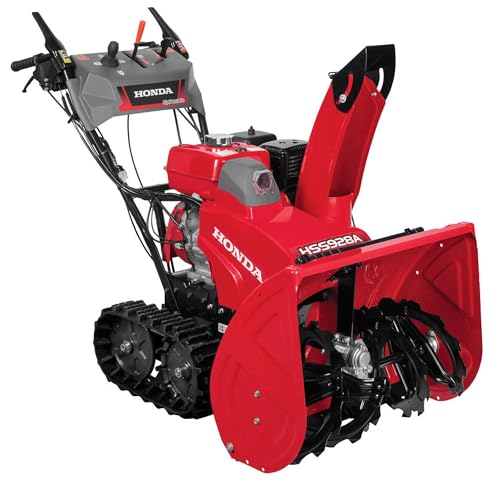
Honda HSS928 28-Inch Two-Stage Snow Blower (HSS928AATD)

EGO SNT2405 24-Inch Self-Propelled Cordless Snow Blower Kit

EGO Power+ SNT2110 21-Inch 56V Cordless Snow Blower (Bare Tool)

SENIX 40V 18-Inch Cordless Snow Blower with Dual 4Ah Batteries
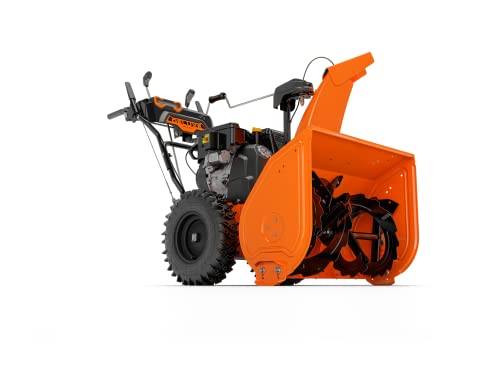
Ariens ST28DLE Deluxe SHO 28-Inch Two-Stage Gas Snow Blower

Ariens 921045 Deluxe 24-Inch 254cc Two-Stage Snow Blower
What Each Pick Brings To The Table
The SNT2112 kit ships with three 5.0Ah ARC Lithium batteries and a dual-port charger, which is unusual at this tier. Peak Power tech combines two batteries at once for gas-like output, and a brushless motor drives the steel auger through ice and compacted snow without bogging down. Owners clearing a mid-size paved drive get a quieter, fume-free alternative to a small gas unit, with handle-mounted chute control so you never have to stop mid-pass.
Compare that to the bare SNT2110 (reviewed later), and the difference is the battery bundle. The 21-inch clearing width suits most suburban driveways, and the 40-foot throw distance keeps the discharge pile off the sidewalk. It throws snow up to 40 feet and is rated to clear roughly a 12-car driveway on two of the three included batteries, which is a meaningful margin for storm days.
Notable Gains
- Three batteries in the box means you can rotate packs and finish a long driveway in one session.
- Peak Power combining two batteries delivers enough torque for wet, heavy snow that stalls cheaper single-stage units.
- Steel auger handles compacted snow and ice far better than the rubber paddles found on entry cordless blowers.
- Brushless motor lowers wear, which matters for a machine that sits in a cold garage for months between uses.
- Variable auger speed lets you dial throw distance instead of blasting snow into the neighbor’s yard.
Points To Keep In Mind
- Cordless runtime drops sharply in deep, wet snow past eight inches, so storm-day planning still matters.
- Storage takes up garage space, and owners commonly report the chute adjustment stiffens below freezing.
Whose Driveway It Belongs On
Suburban homeowners with a paved driveway up to about 12 cars in length who want cordless convenience without skimping on auger power.
Look Elsewhere When
The SENIX 40V 18-Inch model suits you better for a short walkway or stoop where battery simplicity matters more than clearing width.
This one isn’t a blower. It’s an aftermarket starter motor built to replace the Tecumseh 33329 family of starters found on older Tecumseh Snow King engines in the 8 to 13 horsepower range. The DD-type direct-drive design, 16-tooth pinion, and counter-clockwise rotation match the original equipment, so you swap it in without re-rigging the wiring harness.
Anyone nursing a vintage snowblower back to life gets a fraction of the cost of a new machine. It weighs about 6.65 pounds and runs on standard 110-volt shop power, and the unthreaded 6mm mounting holes line up with the OEM bolt pattern. That kind of part-and-parcel fit matters when you’re troubleshooting a dead machine the night before a storm.
Positive Takeaways
- Direct OEM-equivalent fit for Tecumseh Snow King engines HMSK80 through 105 and OHSK110 through 13.
- Aftermarket pricing keeps a working blower running when buying new isn’t in the budget.
- Cross-references include Cargo 112570, Oregon 33-738, and Stens 435-615 for easy sourcing.
Trade-Offs To Consider
- This is a replacement starter, not a complete snow blower, so it only helps owners of compatible Tecumseh-powered units.
- Installation requires basic mechanical skill and a safe way to bench-test the starter before reassembly.
- Aftermarket parts sometimes arrive with light surface oxidation, so cleaning the contacts before install is wise.
Who This Part Is For
Homeowners with a Tecumseh-powered snowblower that won’t crank and a willingness to do a half-hour starter swap.
A Better Fit Elsewhere
The EGO SNT2405 kit serves shoppers who would rather replace an aging gas unit than repair one.
The HSS1332 pairs a commercial-grade GX390 OHV engine with a 31.9-inch clearing width, which puts it in a different league than the cordless EGO models reviewed above. The two-stage design uses an auger to feed snow into a high-speed impeller, throwing it up to 56 feet, which is enough reach to clear a plowed-in driveway without pushing a pile into the street.
Automotive-style DC key start matters more than it sounds, especially when the temperature drops below zero. Honda’s GX-series engines have a long reputation for cold-weather starting, and the hydrostatic transmission on this model smooths speed changes without manual gear hunting. It’s overkill for a one-car path, yet right at home on a rural lane or a long suburban lot.
Useful Touches
- GX390 power handles wet, dense snow that stalls small single-stage units.
- Key-style electric start removes the yank-and-pray routine on cold mornings.
- 31.9-inch clearing path cuts passes in half compared to the 21-inch EGO models above.
- 56-foot throw distance keeps discharge piles away from walkways and vehicles.
Things To Weigh
- Two-stage gas units weigh considerably more and need a sizeable garage footprint for storage.
- Gasoline and oil maintenance adds seasonal tasks that cordless shoppers avoid entirely.
- Overkill for short driveways under three cars, where a smaller electric model handles the job faster.
Feature Snapshot
Built With This Driveway In Mind
Homeowners with long, snow-belt driveways who want gas-engine reliability and a clearing width that halves their time outside.
Where Another Pick Suits Better
The Honda HSS928 suits shoppers who want Honda quality on a slightly smaller, easier-to-store footprint.
The HSS928 uses the smaller GX270 engine but keeps the same two-stage DNA as the HSS1332 above. The 28-inch clearing width is the sweet spot for a lot of suburban lots, narrow enough to navigate a typical driveway without chewing up lawn edges and wide enough to finish in a reasonable number of passes. Throw distance reaches 52 feet, which handles all but the most stubborn windrows.
Honda’s electric start keeps cold-morning routines simple, and the auger-housing height of 21.7 inches chews through the deeper drifts that pile up at the end of a driveway. Compared to the Ariens ST28DLE reviewed later, the Honda runs a smaller displacement engine, so fuel costs trend lower over a season. For shoppers prioritizing refinement over raw cubic inches, that tradeoff lands well.
Where It Delivers
- GX270 engine provides Honda-grade reliability without the larger fuel draw of the HSS1332.
- 28-inch clearing width fits narrower driveways that 32-inch models struggle to navigate.
- Electric start and hydrostatic transmission keep operation simple for first-time two-stage owners.
- 52-foot throw places snow clear of plowed curbs and parked vehicles.
A Few Limitations
- Still a gas machine, so oil changes, fuel stabilizer, and off-season storage prep are part of the deal.
- Heavier than the cordless EGO picks, which can strain smaller garage ramps or thresholds.
Quick Facts
Made For
Suburban homeowners with a mid-size paved driveway who want Honda refinement without stepping up to commercial-class power.
Swap It Out For
The Ariens 921045 Deluxe 24-Inch model fits shoppers who want self-propelled handling at a tighter clearing width.
The SNT2405 is EGO’s jump into two-stage territory, and it’s the only cordless two-stage snowblower in this roundup. Peak Power combines two 56V ARC Lithium batteries to drive both the auger and a high-speed impeller, so it handles the wet, dense snow that single-stage cordless units leave behind. Self-propulsion takes the shove out of clearing uphill or sloped driveways, which is the difference between finishing a job and dreading the next pass.
The kit configuration here ships with two 7.5Ah batteries, which is the middle option in EGO’s SNT2400 family. Compare that to the SNT2112 above, and you trade some clearing width (24 vs 21 inches the other direction) for a true two-stage system. The trigger-steering and joystick-control variants exist in the lineup, so check the listing before you assume the controls match.
What It Does Well
- Self-propelled drive removes the push fatigue that drains single-stage users on long drives.
- Two-stage design chews through the heavy end-of-driveway windrow that flattens single-stage augers.
- Cordless operation means no fuel, no oil, and quieter early-morning runs in close-quarter neighborhoods.
- Compatible with the broader 56V ARC Lithium battery platform, so expansion is painless if you already own EGO tools.
Practical Considerations
- Two 7.5Ah batteries run shorter in deep storms than the larger 10Ah or 12Ah packs offered elsewhere in the lineup.
- Battery cold-soak can temporarily reduce output when the machine sits in an unheated garage overnight.
Spec Overview
Right Fit For
Homeowners with a sloped or longer driveway who want cordless simplicity without giving up two-stage clearing muscle.
Not Your Match When
The EGO SNT2112 fits you better if your driveway is flat and you want a lighter, simpler single-stage cordless unit.
The SNT2110 is the same 21-inch steel-auger single-stage head as the SNT2112 above, sold without batteries or a charger. For shoppers who already own EGO’s 56V ARC Lithium batteries from mowers or trimmers, skipping the bundled pack trims the cost and keeps the garage from drowning in spare batteries. Peak Power combines any two 56V packs to drive the auger, and the 40-foot throw distance matches the bundled kit.
For a first-time EGO owner, the bare-tool route rarely makes sense, since buying two 5.0Ah batteries and a charger separately can exceed the bundled kit’s cost. Where the SNT2110 earns its place is in households already running EGO mowers, blowers, or chainsaws, where the battery shelf is already deep. Owners commonly report that an extra pair of batteries in the closet turns winter storms from a charging scramble into a non-event.
A Few Strong Suits
- Skips redundant battery purchases for households already invested in the 56V platform.
- Same steel auger and 40-foot throw as the costlier bundled SNT2112.
- Lightweight relative to two-stage gas units, which matters for one-level garage storage.
Honest Caveats
- Bare-tool pricing can exceed the bundled kit once you add two batteries and a charger.
- Single-stage design struggles with the heavy end-of-driveway windrow that two-stage units handle easily.
Who Should Grab It
Existing EGO 56V tool owners who already have compatible batteries and a charger on hand.
Where Another Pick Suits Better
The EGO SNT2112 fits first-time EGO buyers better thanks to the included three-battery bundle.
SENIX pitches this 18-inch cordless unit at the entry-level end of the category, and the kit ships with two 4.0Ah batteries plus a charger. The dual-blade steel auger drives a 33-foot throw, which is shorter than the EGO units reviewed above but plenty for a stoop, walkway, or short driveway. Variable speed control on the auger lets you dial in the bite for light dustings versus heavier overnight accumulation.
The 180-degree adjustable chute rotates so you can throw snow away from the cleaning path without repositioning the whole machine. Compared to the EGO SNT2112, the SENIX trims clearing width and throw distance, yet it lands at a noticeably lower entry price. For apartment dwellers, townhouse owners, or anyone with a short paved area to clear, that tradeoff reads well.
Noteworthy Benefits
- Lower entry price makes cordless snow clearing accessible to budget-conscious shoppers.
- Two batteries included, so you can swap mid-job on a longer path without waiting for a charge.
- 18-inch width handles walkways and short drives where wider machines are overbuilt for the space.
- 180-degree chute rotation gives flexibility without stopping to swing the housing.
Where It May Fall Short
- Single-stage 18-inch path is a tough match for a long driveway or deep storm accumulation.
- Smaller batteries mean runtime drops fast once the snow piles past a few inches, which can stretch a clearing session.
Built With This Walkway In Mind
Apartment and townhouse owners with a short paved path or stoop who want cordless simplicity at the lowest entry cost.
Where Another Pick Shines
The EGO SNT2112 makes more sense for a full suburban driveway where clearing width and throw distance matter.
The ST28DLE is built for the kind of storm that buries a mailbox, with an Ariens AX 306cc engine rated at 15.0 lb-ft of torque and a 14-inch Super High Output impeller that Ariens says moves 72 tons of snow per hour. The 28-inch clearing width matches the Honda HSS928 reviewed above, while the SHO impeller throws snow farther and chops through denser drifts. Auto-Turn steering helps the heavier chassis pivot without wrestling the handles on tight corners.
Premium touches like an LED headlight and 120V electric start put this closer to a contractor-grade machine than a casual-weekend blower. Compared to the cordless EGO two-stage SNT2405, this Ariens runs heavier, louder, and thirstier, yet it never waits on a battery charge. For homes in the snow belt where storms stack up faster than batteries recover, the tradeoff still works.
Good Reasons To Consider
- 306cc engine and SHO impeller deliver top-tier throughput for the deepest, wettest storms.
- Auto-Turn steering makes a heavy 28-inch chassis feel more agile at the end of a pass.
- Electric start and LED headlight extend useful hours into early-morning and dusk sessions.
- Two-stage design clears past the end-of-driveway windrow that stalls single-stage units.
Trade-Offs To Weigh
- Gas power means fuel, oil changes, and off-season stabilizer rituals that cordless models skip.
- Larger chassis needs more garage space than the 21-inch cordless picks reviewed earlier.
- Premium capability comes at a step up in cost versus the 24-inch Ariens reviewed next.
Feature Snapshot
Best Suited To
Snow-belt homeowners with a long or steep driveway who need gas-engine throughput when storms stack up.
Reach For A Different Pick When
The Ariens 921045 Deluxe 24-Inch suits shoppers who want similar two-stage capability in a tighter footprint.
The 921045 lands at a smaller, friendlier footprint than the SHO model above, with a 24-inch clearing width and a 254cc Ariens AX engine. The 50-foot throw distance handles most suburban driveways cleanly, and Auto-Turn steering is the feature that makes a mid-size two-stage feel less like a workout. The 21-inch housing height chews through the deeper drifts that pile up at the street’s edge after a plow pass.
This is the daily-driver option in the Ariens lineup, sized for regular storms on a paved or lightly graveled suburban lot. Compare that to the cordless EGO SNT2405 two-stage, and the Ariens trades battery convenience for stronger continuous power and easier long-run ownership. For shoppers tired of babysitting charge cycles during multi-day storms, that tradeoff is meaningful.
Useful Highlights
- 24-inch width strikes a clean balance between clearing speed and maneuverability in tighter lots.
- Auto-Turn steering lightens the workload on long curved driveways and frequent turns.
- Two-stage design handles the heavy plow-pile at the end of the drive where single-stage units stall.
- Electric start removes the yank-and-pray routine on cold mornings.
Possible Compromises
- Gas engine adds maintenance tasks that cordless shoppers avoid.
- Smaller engine than the ST28DLE above means a longer pass count on the deepest storms.
Details At A Glance
Perfect Match For
Suburban homeowners who want two-stage capability and gas reliability without the wider footprint of the 28-inch SHO model.
Consider Another Pick When
The EGO SNT2405 fits shoppers who prefer cordless simplicity over a gas engine for similar two-stage clearing.
Factors That Matter When Picking A Snow Blower On A Budget
Clearing width and engine size pull attention first, but the real match comes down to your specific driveway and how you store the machine. A two-stage gas unit with a 32-inch clearing path sounds impressive until you measure your garage door and remember the winter shuffle around the snowblower every morning. Smaller cordless units can be slid into a closet, while two-stage workhorses often demand a corner of their own. Before you commit, walk the route with a tape measure and think about storm frequency, not just the worst-case blizzard.
The other hidden factor is runtime versus fuel. Cordless platforms like EGO’s 56V ARC Lithium line charge overnight and run quietly on Sunday mornings, while gas units fire up the moment you yank the cord or turn the key. For storm-belt homes with three or four events per week, gas power keeps going without waiting on a charger. For one or two moderate storms a month, cordless is honestly enough, and the maintenance story is far simpler.
Stage count is the third call. Single-stage blowers use one auger to scoop and throw snow, which works fine on light dustings and paved surfaces. Two-stage machines add an impeller that chews through deeper, denser, icier snow and can handle gravel drives without flinging stones. If your driveway is paved and your storms tend toward four to six inches, single-stage is enough. Anything beyond that pushes you toward two-stage, whether gas or the cordless SNT2405 reviewed above.
Picking Through The Noise In This Category
Common Shopping Slip Ups
The biggest misstep is matching clearing width to your driveway size without thinking about storage and handling. A 32-inch two-stage is overkill on a two-car drive, harder to store, and more expensive to maintain. The second mistake is ignoring battery platform if you go cordless, since buying a bare tool with no batteries usually ends up costing more than a bundle once you add chargers.
Shoppers also tend to underestimate runtime in deep snow. Manufacturer runtime claims assume light, fresh snow on a paved surface, and the actual figure in heavy wet storms can drop sharply. Plan for the worst storm you’ve seen in the last three years, not the average dusting.
What The Higher Tier Buys
Stepping up to a premium two-stage gas model adds engine displacement, a high-output impeller, and features like Auto-Turn steering and electric start. For snow-belt homes with long or steep driveways, that upgrade pays back in fewer passes and less physical effort per storm. For suburban paved lots with moderate snowfall, the premium tier adds capability you may not use, so a mid-size two-stage or a cordless two-stage kit is the smarter spend.
Frequently Asked Questions
Are cheap snow blowers worth buying, or should I rent instead? A budget snow blower pays for itself after two or three winters if you would otherwise pay for a service or rental each storm. For occasional light snow on a short path, a low-cost cordless model is a solid match.
Single-stage versus two-stage, which do I need? Single-stage works for paved drives under six inches of fresh snow. Two-stage handles deeper drifts, compacted plow piles, and gravel surfaces without bogging down.
Can cordless snow blowers handle wet, heavy snow? Cordless platforms like EGO’s Peak Power system combine two batteries to drive a steel auger through heavy snow. Expect shorter runtime than on light powder, and plan battery rotation for multi-day storms.
How long does a cordless snow blower battery last? Runtime depends on battery capacity, snow density, and auger load. A pair of 5.0Ah batteries typically covers a mid-size driveway, while 7.5Ah or larger packs extend that range for bigger lots.
What maintenance does a gas snow blower need? Gas models need fresh fuel with stabilizer, an annual oil change, spark plug checks, and a quick auger-housing wipe-down after each storm. Cordless models skip the fuel and oil entirely, which is a meaningful ownership perk.
Closing Remarks
The right snow blower is the one that matches your driveway, your storage, and the kind of storms you actually see. Cordless single-stage units like the EGO SNT2112 and SENIX 40V 18-Inch cover most suburban lots with minimal fuss, while the Honda and Ariens two-stage picks earn their place in snow-belt driveways where storms stack up. Measure your space, check your existing tool batteries, and pick the level of effort you actually want to spend outside this winter.
