

Black French doors solve a real headache: you want the light and openness of a classic French door, but white trim feels too vanilla for your space. A dark frame grounds the room, contrasts against pale walls, and quietly modernizes a layout without a full renovation. The challenge is finding a set that actually fits your rough opening, swings the way you need, and arrives with hardware that won’t fight you during install.
This lineup covers six solid options across frosted glass, clear glass, and matte black finishes, from single panels to wide 60-inch doubles. Every pick includes the parts you need to hang it, and the differences come down to frame material, glass privacy level, and how much finish work you want to do on day one. Most homeowners tackling a bedroom closet or pantry swap can handle these in an afternoon with basic tools.
The Lineup, Simplified

JUJUBON 48×80 Interior French Door 5-Lite Frosted

SARTODOORS Lucia 2166 Double Swing 56×80 Black
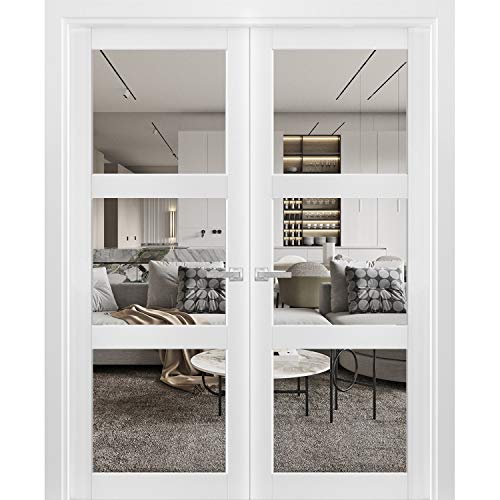
SARTODOORS Lucia 2555 Solid Double Doors 56×80 Matte White

JUJUBON 48×80 Interior French Door 3-Lite Clear

SARTODOORS Lucia 2552 Single French Door 36×80 Matte Black

SOLRIG 56×80 French Doors 5-Lite Frosted Black Levers
Inside Each Recommended Option
The JUJUBON 48×80 set arrives as two fully assembled 24-inch slabs that don’t need to be pieced together before hanging. Each panel measures 1.375 inches thick and the unit targets a finished opening of roughly 48.5 by 80.5 inches. Five frosted lites run across the top of each slab, which softens borrowed light without leaving the room fully exposed.
For a first door swap, the appeal is the sand-and-paint surface. A light scuff with 320-grit or finer paper followed by a water-based coat gives you a true black French door without sending it to a shop. Hardware is not pre-drilled, so the ball catches, hinges, and handles all get placed by hand using the included guide.
Features That Help
- Pre-assembled panels cut the install day in half compared to flat-pack alternatives
- Frosted lites let hallway or closet contents stay private while pulling in daylight from an adjacent window
- Paintable surface accepts water-based finish well, useful for matching existing trim in older homes
- Electro-plated ball catches resist corrosion in bathrooms or humid laundry rooms
Points To Note
- No pre-drilled holes mean you need a steady hand, a drill, and patience on day one
- Hardware is functional but basic, so upgrading the handles later is common
- Does not include a jamb, so you may need to source or keep your existing frame
Who It Suits Best
Homeowners tackling their first interior door swap, especially on closets, pantries, or bedrooms where frosted glass softens the borrowed light.
Look Elsewhere When
The SARTODOORS Lucia 2552 Single French Door suits tighter 36-inch openings better, particularly single-door bathrooms or compact offices.
The Lucia 2166 is the first of the SARTODOORS entries, and it leans into a genuine solid-wood build rather than an MDF core. Each slab arrives ready to swing into a 56-inch opening, and the kit ships with L-shape trims, non-mortise hinges, satin nickel square handles, and the frame components you need for walls up to 5.5 inches thick. Cutting the handle bore takes about five minutes with a hole saw.
Where this differs from the JUJUBON set above is the swing geometry and the cabinet-grade feel. The Lucia reads heavier in the hand, which translates to a quieter close and less flex over years of use. For a study, formal dining room, or primary bedroom, that weight is the upgrade you pay for.
A Strong Showing
- Solid wood construction dampens sound better than hollow or MDF cores, useful between busy rooms
- Hardware bundle means no second trip to the hardware store for matching hinges or levers
- Non-mortise hinges skip the chiseling that eats into a Saturday install
- Black factory finish arrives consistent, so touch-ups are easy if a corner gets scuffed later
Trade Offs To Consider
- Larger panels mean two people should handle the lift, especially on a second-floor landing
- Frame arrives unassembled, so plan for square-up time before the slabs go up
Right Fit For
Homeowners who want a longer-lasting double door for a primary bedroom, den, or formal dining space and don’t mind a slightly longer install.
Consider Something Else When
The JUJUBON 48×80 Interior French Door 5-Lite Frosted is a friendlier choice for narrow 48-inch closets where a 56-inch set won’t fit the rough opening.
The Lucia 2555 keeps the 56 by 80 footprint but flips the look to a matte white finish with clear glass lites. Solid pine forms the inner panel, and an eco-veneer wraps the surface for scratch and stain resistance. The recommended rough opening is 58 by 81.5 inches, which gives a comfortable fudge factor for older homes with slightly out-of-square frames.
Pre-finished construction is the headline. You skip the paint curing days entirely and get a stable factory coat that holds up to fingerprint-heavy areas like a kid’s playroom or a busy hallway. Compared to the black Lucia 2166 above, this one trades the dark dramatic frame for a softer Scandinavian feel.
Why It Works Well
- Pre-finished pine saves a full weekend of sanding, priming, and paint drying
- Eco-veneer surface wipes clean with a damp cloth, helpful in homes with kids or pets
- Clear glass lites brighten interior hallways where no exterior window exists
- Same non-mortise hinge system as the Lucia 2166, so the install rhythm stays familiar
Soft Spots
- Matte white shows scuffs faster than darker finishes, especially near the handle height
- Solid wood is heavier, so plan for a helper during the hang
Made For
Families who want a low-maintenance, bright look in a hallway, playroom, or shared bedroom and don’t want to schedule a paint project.
Skip It When
The SARTODOORS Lucia 2166 Double Swing is the better match for anyone set on a true matte black frame rather than a white painted look.
The 3-lite clear glass version of the JUJUBON 48×80 keeps the same 24-inch-by-80-inch slab dimensions as the frosted sibling but swaps the panels for SGCC-certified tempered glass. The solid MDF core is CARB P2 compliant, and the manufacturer claims roughly 70 percent better sound damping than hollow-core doors. That extra density matters when the door separates a quiet office from a living room with a TV.
Clear glass turns this into a daylight conduit rather than a privacy barrier, so it shines on interior walls that face a window or a bright stairwell. The trade-off is exposure: anything on the other side, including a stacked laundry pile, stays visible at a glance.
Key Advantages
- Tempered safety glass holds up better than annealed panels in active homes
- Solid MDF core noticeably quiets conversation bleed between rooms
- CARB P2 compliance means lower formaldehyde emissions, useful in bedrooms and nurseries
- Same paint-ready surface as the 5-lite frosted JUJUBON, so the finishing steps feel familiar
Worth Bearing In Mind
- Clear glass means no visual privacy, so skip it for bathrooms or cluttered closets
- Heavier MDF core requires solid shimming during install to prevent sag over time
Best Suited To
Home offices, dining rooms, and living areas that need borrowed daylight from an adjacent bright space without sacrificing the open feel.
A Better Fit Elsewhere
The JUJUBON 48×80 Interior French Door 5-Lite Frosted handles bathroom and closet privacy better, since frosted glass obscures silhouettes while keeping the room bright.
The Lucia 2552 is the lone single-slab entry on the list, which solves a different problem than the doubles above. At 36 by 80 inches, it fits standard interior doorways, and the matte black factory finish lands that modern farmhouse or industrial look without a paint project. The recommended opening is 38 by 81.5 inches, leaving a small margin for trim adjustment.
Frosted glass runs across the upper portion of the slab, so a bathroom or laundry room gets daylight without giving up privacy. Hardware, frame components for walls up to 5 inches, and non-mortise hinges ship together, which keeps the install close to the experience of the larger Lucia entries.
Notable Upsides
- Single slab is far easier for one person to lift and hang than a wide double set
- Matte black finish arrives consistent and hides minor scuffs better than lighter paints
- Frosted glass suits humid rooms where clear glass would expose everything
- Same non-mortise hinge system as the other Lucia models, so the learning curve stays low
A Few Limitations
- Single door can’t span wide openings like a 56-inch living room divider
- Frame unassembled at delivery, so plan time for squaring before mounting
Whose Shelf It Belongs On
Apartment dwellers or homeowners working with a standard 36-inch opening who want a privacy-friendly frosted look in a bathroom, hallway, or laundry room.
Not Your Match When
The SARTODOORS Lucia 2166 Double Swing handles wider 56-inch openings where a single 36-inch slab would look undersized and leave daylight gaps.
SOLRIG’s set closes the list by solving the sizing headache that trips up most buyers. You can order it in 48-inch (two 24-inch slabs), 56-inch (two 28-inch slabs), or 60-inch (two 30-inch slabs) configurations, all at 80 inches tall and 1.37 inches thick. Five frosted tempered glass lites run across the top of each panel, and black door levers ship with the unit, so the hardware color matches the frame aesthetic from the start.
Assembly is required, which adds an hour to the project but lets the package ship in a more compact box. For tight stairwells and condo elevators, that detail matters more than people expect.
The Value In It
- Three size options cover nearly any standard interior rough opening
- Black door levers arrive pre-matched to the frame, saving a separate hardware order
- Frosted tempered glass handles bathroom humidity without clouding over time
- Compact shipping box reaches upstairs rooms and narrow hallways more easily than pre-assembled sets
Honest Caveats
- Self-assembly adds 45 to 90 minutes before hanging even starts
- Frosted glass shows water spots in humid rooms, so a quick squeegee habit helps
Who Should Grab It
Homeowners with non-standard rough openings or tricky access routes who need width flexibility and a matching black hardware package in one box.
Swap It Out When
The JUJUBON 48×80 Interior French Door 3-Lite Clear suits anyone prioritizing clear glass and a denser MDF core over the assembly step and frosted privacy.
What To Weigh Before Choosing Your Doors
Glass privacy level sets the tone for the whole room. Frosted glass softens the light and hides clutter behind it, which makes it the safer pick for bathrooms, pantries, and laundry rooms where visual mess is part of daily life. Clear glass transfers daylight almost like an open doorway, but it also reveals everything on the other side. For a dining room or study, clear glass wins. For a closet, frosted wins.
Frame material changes how the door feels and how long it lasts. Solid wood cores (like the SARTODOORS Lucia line) feel heavier, close more quietly, and resist warping for years, but they need two people to lift during install. MDF cores (the JUJUBON 3-lite) sit in the middle: heavier than hollow-core but lighter than solid pine. Solid wood is worth the upgrade for primary bedrooms and home offices where sound dampening matters.
Rough opening accuracy is the detail that decides success or a return trip. Measure width and height at three points each and use the smallest measurement. Most sets need an opening roughly half an inch wider than the combined slab width. A standard 48-inch closet often wants 48.5 to 48.625 inches of clearance, while a 56-inch double wants around 58 inches.
Swing direction and traffic flow matter more than people expect. Decide before you order which way each slab swings, since reversing the swing on most pre-hung sets requires moving the hinges and handle bore. A door that blocks a light switch or a hallway corner is a constant small frustration.
Key Considerations Across These Picks
Pitfalls Shoppers Hit
The most common mistake is measuring the door instead of the rough opening. Door slabs almost never match the framed opening perfectly, and most kits expect you to leave room for shims and trim. A second trip to the hardware store for shims and a fresh tube of construction adhesive is normal, even on the easiest installs.
Another trap is assuming pre-finished equals “no surface prep.” Some kits arrive ready to hang, others need sanding, priming, or a single coat of paint before the finish cures properly. Skipping the light scuff step on a paint-ready door leads to peeling within the first year, especially in humid rooms.
Where The Extra Money Goes
Higher-tier sets like the SARTODOORS Lucia line cost more for the solid wood core, the matching frame components, and the satin nickel hardware that ships in the box. That premium buys you quieter operation, longer lifespan, and a cleaner factory finish that doesn’t demand a paint project.
Mid-tier options like the JUJUBON sets save by using an MDF core and skipping the jamb. You still get a sturdy, paintable door, but you trade some sound dampening and accept that hardware, frame, and finish all come from you. For a closet or a pantry that doesn’t see daily traffic, that trade-off is usually smart.
Frequently Asked Questions
Do black French doors show dust and fingerprints more than white?
Yes, especially in matte black finishes. A weekly microfiber wipe keeps the surface looking clean, and the dark tone tends to hide scuffs better than lighter paints while showing oily fingerprints more clearly.
Can these doors be trimmed to fit a slightly off-size opening?
Most solid wood and MDF core doors allow about a quarter inch of trimming on each side, but trimming glass-panel doors risks cracking the lite. Measure your rough opening carefully and order the closest size rather than planning to cut.
Are tempered glass lites safer than regular glass?
Tempered glass, the kind used in safety glazing, breaks into small granular pieces rather than sharp shards. For interior doors that might get slammed or bumped by kids or pets, tempered glass is the safer long-term choice.
How much weight do solid core French doors add compared to hollow core?
Solid wood or MDF cores typically weigh 25 to 40 pounds per slab versus a hollow-core 10 to 15 pounds. Plan for a helper during the hang and make sure your hinges are rated for the load.
Can I paint a pre-finished door a different color later?
Pre-finished factory coatings need a light scuff sand and a bonding primer before a new topcoat will adhere well. Skipping the primer step is the fastest way to a peeling repaint within months.
