

Spotted a musty closet or a suspicious stain behind the dryer, and wondering if it’s something worth chasing down? You don’t need a remediation crew on speed dial just to confirm your hunch. A solid at-home mold test kit puts real data in your hands, points you toward problem zones, and tells you whether the issue is cosmetic or worth escalating.
The eight kits below cover the full range: budget-friendly agar plates for quick DIY checks, multi-room sampler kits for whole-home investigations, and refill cassettes for owners who already invested in professional hardware. Each one handles sampling a little differently, so the right pick depends on how thorough you want to get and how many rooms you need to cover.
An Overview Of The Picks

Ciormui Mold Test Kit for Home, 8 Detection Tests
Entimp Mold Test Kit for Home, 8 Individual Tests

Kayenqo Mold Test Kit for Home, 6 Detection Tests

Kayenqo Mold Test Kit for Home, 12 Detection Tests
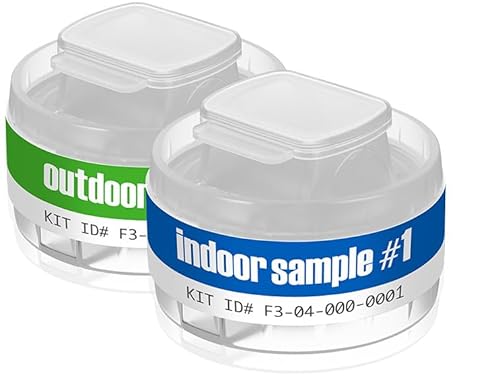
GOT MOLD? 1-Room Refill Cassettes for BioVac Sampler

GOT MOLD? 1 Room Kit with BioVac Sampler

Carethetic Mold Test Kit for Home, 6 Agar Plates
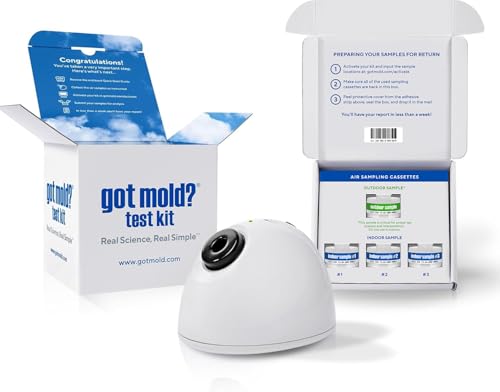
GOT MOLD? 3 Room Kit with BioVac Sampler
A Breakdown Of The Leading Choices
Eight individually sealed agar plates make this Ciormui kit the easiest way to cast a wide net across a typical home in a single pass. The package bundles swabs, gloves, label stickers, and a written identification guide, so nothing has to be sourced separately.
Petri dishes (shallow round containers holding a gel that grows mold when exposed) work for ambient air in living areas, HVAC vents, and visible surface spots. Plated at, say, the musty basement, the master bedroom, and three bathroom corners, you’ll have a clear picture of where spores concentrate without overspending on professional gear.
Advantages To Know
- Eight plates handle a multi-zone home sweep in one go
- Built-in identification guide skips a separate research step
- Works for both air sampling and surface swabbing
- Affordable entry point compared with sampler-based systems
- Self-contained kit needs no extra supplies beyond the box
Things To Consider
- Results are visual, so identifying specific species takes some practice
- Plates must stay sealed until use, since contamination skews findings
Quick Facts
Built With In Mind
First-time testers who want broad coverage across a small-to-mid-sized home without committing to lab equipment.
Consider Something Else When
Homeowners wanting third-party lab confirmation will get more from the Entimp Mold Test Kit for Home, which ships with optional professional analysis.
The Entimp kit mirrors the Ciormui in plate count and included supplies, then layers in something most DIY kits skip: optional laboratory analysis on collected samples. For homeowners who want more than visual interpretation, that distinction matters.
Eight agar plates, swabs, gloves, a sample bag, and a written guide cover the same air-surface-HVAC trifecta as the first pick. The added option to mail samples to a certified lab turns a DIY test into a defensible record, useful for real estate transactions, landlord disputes, or post-remediation verification.
Positive Points
- Lab analysis path lends credibility beyond visual results
- Three-format sampling handles air, vents, and surfaces
- Eight plates suit a thorough walk-through
Honest Caveats
- Lab analysis usually adds time and a separate fee
- Visual-only users may find the lab option unnecessary
- Mailing samples requires careful sealing to avoid contamination
Right Fit For
Homeowners and renters who need documented proof of mold presence for a landlord, buyer, or insurance conversation.
A Better Fit Elsewhere
Casual testers after a quick read should look at the Carethetic Mold Test Kit for Home, which keeps things visual-only and straightforward.
Six plates instead of eight keeps the Kayenqo kit compact and approachable for first-timers. It’s the kind of package that fits on the kitchen counter without taking over, and the included guide walks through each step in plain language.
Where the Ciormui casts a wider net, this one narrows the focus: choose the six highest-priority spots, place the dishes, and wait. Bathrooms, the basement, kitchen vent, bedroom, attic access, and garage handle most residential hunches in one cycle.
Useful Touches
- Lean format keeps first-timers from feeling overwhelmed
- Swabs, gloves, and labels included out of the box
- Suitable for HVAC, air, and surface testing
- Lower cost than 8 or 12-plate alternatives
Worth Noting
- Six plates limit how many rooms you can check at once
- Visual identification only, no lab option
Who It Suits Best
Beginners testing a single zone, like a basement or a problem bathroom, who want the simplest possible workflow.
Skip It When
Larger homes with multiple suspected areas benefit from the twelve-plate Kayenqo Mold Test Kit for Home, which doubles the sampling budget.
The twelve-plate version of the Kayenqo line trades simplicity for reach. Owners of multi-story homes or anyone chasing a stubborn musty smell get twice the sampling budget without paying twice the entry cost of professional kits.
Twelve plates, a dozen swabs, gloves, and the same identification guide let you map an entire house in a single sweep. Compare that to the six-plate sibling, where you’d need a second round to cover everywhere.
A Few Strong Suits
- Twelve plates cover a whole-house sweep in one go
- Same swabs-and-gloves convenience as smaller kits
- Useful for HVAC-heavy homes with many vent runs
Trade Offs
- Twelve plates means twelve dishes to label, place, and monitor
- Results still rely on visual comparison
Feature Card
Made For
Homeowners with multiple suspected rooms or a large floor plan who want full coverage without hiring a pro.
Another Choice May Suit
Buyers wanting documented, lab-grade numbers should consider the GOT MOLD? 3 Room Kit with BioVac Sampler for spore-trap analysis instead.
These cassettes are consumables, not standalone kits. If you already own the reusable BioVac Air Sampler from GOT MOLD?, this is the top-up that keeps your hardware productive.
Each cassette is an Air-O-Cell spore trap (a small cartridge that captures airborne particles for lab analysis) designed for one room’s worth of sampling. Lab analysis is bundled into the package, and the cassettes come in 1, 2, or 3-room counts depending on how many spaces you’re checking.
What Works In Its Favor
- Lab-grade spore analysis comes with the cassette
- Reuses existing BioVac hardware, no duplicate investment
- Simple three-step process documented in the kit
A Few Limitations
- Useless without the separately sold BioVac sampler
- Higher per-room cost than plate-based DIY kits
Whose Shelf It Belongs On
Existing BioVac owners who want a clean, repeatable test cycle in one more room.
Look Elsewhere When
First-time shoppers without the sampler should start with the GOT MOLD? 1 Room Kit, which includes both the hardware and one cassette.
This is the entry point into GOT MOLD?’s professional-grade approach: a reusable BioVac Air Sampler plus one cassette, lab fees included, and a written analysis with full mold type and quantity breakdown.
The BioVac pulls airborne particles into the cassette in about five minutes per room, so even a deep investigation doesn’t eat your weekend. All-in-one pricing means no surprise lab bill on top of the kit cost.
Positive Takeaways
- Lab analysis bundled into the listed cost
- Reusable sampler lowers cost on follow-up tests
- Quantitative spore report, not just “yes or no”
- Quick five-minute sample time per room
Some Limits To Know
- One cassette only, additional rooms need the refill or a higher-tier kit
- Higher upfront cost than agar plate alternatives
Key Attributes
Best Suited To
Owners focused on a single suspect room who want defensible, lab-grade numbers for a real estate, health, or remediation conversation.
Swap It Out When
Whole-home shoppers need the GOT MOLD? 3 Room Kit, which bundles three cassettes and avoids buying refills.
Carethetic’s six-plate kit lands squarely in the “compact and focused” lane. Where the Kayenqo 6-plate kit spreads broadly, this one aims squarely at moisture-prone rooms: bathrooms, kitchens, basements, and HVAC vents.
Each kit includes the agar plates, swabs, gloves, sample bags, and a written manual. It’s a clean, no-frills format that gets a small apartment mapped in an afternoon without overspending.
Strengths Worth Knowing
- Three sampling modes for the most common problem spots
- Compact footprint suits small-space dwellers
- Gloves and bags keep handling clean
Worth Bearing In Mind
- Visual identification only, no lab option
- Six plates won’t cover a large multi-room home
The Right Fit
Apartment dwellers and small-home owners running a focused check on the rooms most likely to harbor moisture issues.
Not Your Match When
Owners of larger homes with more zones to cover should step up to the Kayenqo Mold Test Kit for Home, 12 Detection Tests.
The three-room version of the GOT MOLD? system is the kit you reach for when “I think there’s mold somewhere” isn’t good enough. It pairs the reusable BioVac sampler with three cassettes and three lab analyses, enough to map a typical home in one cycle.
Five minutes per room keeps the actual sampling fast, and the bundled analysis means you receive quantitative spore data for each space rather than guessing from plate colors. It’s the most thorough option on this list, and the price reflects that.
Benefits That Matter
- Three-room coverage in one purchase
- Lab analysis fees already included
- Quantitative reports per room, ideal for documentation
- Reusable sampler cuts future test costs
Points To Note
- Highest upfront cost on this list
- Overkill for anyone testing a single room
Technical Highlights
Who Will Love This
Homeowners and buyers needing a documented multi-room audit, especially before purchase, after water damage, or post-remediation.
Where Another Pick Suits Better
Shoppers on tighter budgets get meaningful results from the twelve-plate Kayenqo Mold Test Kit for Home at a fraction of the cost.
Choosing A Mold Test Kit That Actually Answers Your Question
Start with the question, not the kit. Are you chasing a known smell in one room, or do you need a whole-home baseline before a renovation or a real estate transaction? The answer determines whether you need six plates, twelve, or a sampler-based kit with lab analysis.
Plate count drives coverage. Six plates handle a single zone well, eight covers a small home comfortably, and twelve suits multi-room investigations without staging. Anything beyond that, or anything requiring documented numbers, shifts the conversation toward spore-trap cassettes paired with a reusable air sampler.
Sampling methods matter too. Most kits handle three modes: ambient air (leaving an open plate in a room for a set time), HVAC vents (placing a plate near a return or supply register), and surface swabs (rubbing a swab on a visible spot and streaking it onto the plate). For visible stains, surface swabs deliver the clearest answer. For unknown sources, ambient air in suspect rooms catches what your nose already noticed.
Lab analysis changes the credibility tier. Visual plate reading works for personal confirmation, but if results need to convince a landlord, a buyer, or an insurer, opt for a kit that ships samples to a certified lab, like the Entimp kit or the GOT MOLD? sampler series. Expect a longer turnaround and an extra step, but the documentation justifies the wait.
Storage and shelf life tend to get overlooked. Agar plates have a limited window before they expire, so buying a 12-plate kit for a small apartment may mean wasted plates if you only need six. For occasional testing, smaller kits or refill cassettes from the GOT MOLD? line keep things fresh.
Key Considerations Across These Picks
Where Shoppers Go Wrong
The most common slip-up is buying more plates than the home needs. A six-plate kit in a studio apartment leaves no plates wasted, while a twelve-plate kit in the same space forces you to choose what not to test. Match plate count to room count, not the other way around.
Another trap: skipping the HVAC vents. Indoor air quality issues often trace back to ductwork, supply registers, or the air handler itself. Any kit that includes vent sampling gives you a meaningful head start over one limited to open-air placement.
Where The Extra Money Goes
Stepping up from agar plates to a sampler-based kit buys two things: reusable hardware and lab analysis. The BioVac Air Sampler lowers the per-test cost on every future room you check, and the bundled lab report turns “I think we have mold” into a defensible document. For one-off personal checks, agar plates deliver plenty of value. For real estate, remediation, or health-related decisions, the sampler route earns its premium.
Frequently Asked Questions
How accurate are at-home mold test kits?
Plate-based kits give a reliable visual read for the presence and rough type of mold, though species-level precision depends on the included guide and your experience comparing growth patterns. Sampler-based kits with lab analysis deliver higher-resolution data, identifying specific spore types and quantities.
How long does it take to see mold grow on a test plate?
Most agar plates show visible growth within 48 to 72 hours, though some slower species take up to a week. The included guide typically recommends a final read at the five-to-seven-day mark before disposing of the plate.
Should I sample air, surfaces, or both?
Run both for the most complete picture. Ambient air plates catch what’s circulating in a room, while surface swabs confirm whether a visible spot is actually mold. Kits that support all three modes, like most picks on this list, give you the flexibility to do both.
Are lab analysis kits worth the higher cost?
For personal confirmation, visual plate reading is usually enough. For real estate transactions, landlord disputes, or post-remediation verification, lab reports add documentation that holds up under scrutiny, and the bundled pricing on sampler kits keeps the math reasonable.
Can I reuse the agar plates?
No, agar plates are single-use. Once exposed, they incubate whatever spores landed on them and get disposed of after the read. The reusable component in sampler kits is the air pump hardware, not the cassette.
The Takeaway
The right mold test kit depends on how deep you need to dig. Casual checks around one or two problem rooms pair well with a compact six or eight-plate kit, while whole-home audits call for a twelve-plate spread or a multi-room sampler system. If the results will guide a real estate decision or a remediation contract, the lab-analyzed kits earn their place. Pick the format that matches the question, run the plates or cassettes in the rooms that matter, and let the data shape what comes next.
