

Your deck takes a beating from sun, rain, foot traffic, and the occasional spilled drink. The right treatment slows that wear, deepens the wood’s color, and buys you another season or two before you have to think about replacing boards. This roundup covers stains, sealers, and oil treatments sized for everything from a small balcony to a sprawling backyard platform, so you can match the product to your wood, your climate, and your tolerance for upkeep.
The Picks In Brief

Advanced Wood Sealant (5 Gallon, Pecan)
5 Gallon Red Wood Stain & Sealer

Garden Safe Wood Sealer 5 Gallon Clear

Natural Cedar Advanced Wood Sealant (5 Gallon)

LinSheen Boiled Linseed Oil (Gallon)

LinSheen Raw Linseed Oil (8 oz)

WEPOS Teak and Hardwood Oil (1 Litre)
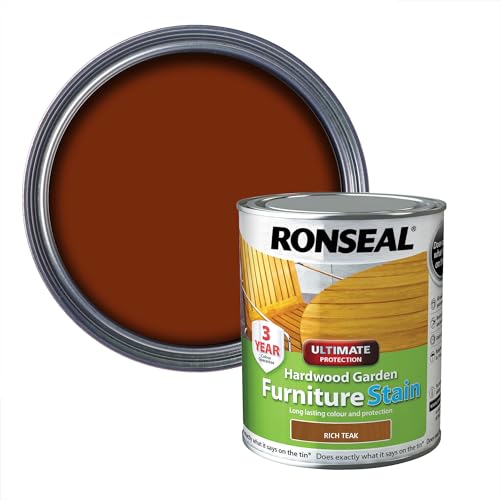
Ronseal Hardwood Furniture Stain Rich Teak 750 ml

1 Gallon Seal Stain & Sealer (Dark Walnut)
A pecan-toned sealant in a five-gallon pail, this STF ShangTianFeng option is sized for serious square footage, the kind of coverage you’d want when tackling an entire back deck plus the adjoining fence in a single weekend. The flexible, crack-resistant formula is meant to move with the wood through seasonal swings, which matters a lot for homeowners who notice peeling and flaking after their first winter with a competing product. You can apply it across pine, fir, treated lumber, and other common species without switching products mid-project.
The non-toxic profile also makes it appealing for households where pets wander across the deck barefoot and kids set up the sprinkler nearby. For most homeowners with weathered or untreated wood, this is the kind of treatment that resets the clock without forcing a sand-and-strip first.
A Few Highlights
- Pecan tint adds warmth without darkening the grain past recognition.
- Flexible film resists the hairline cracks that show up after a freeze-thaw cycle.
- Five-gallon volume covers a full deck and matching railings in one purchase.
- Safe formulation means no fumes lingering around pets or patio diners.
- Works across pine, fir, and pressure-treated boards without separate prep.
Things To Consider
- Five gallons is overkill for a small balcony and dries out partially used pails once opened.
- You may need to roll or back-brush thick spots to avoid lap marks on rough-sawn boards.
- A second coat extends longevity but doubles material use and dry time.
Who It Suits Best
Homeowners restoring a full-size deck and matching railings in one weekend benefit most from this bulk format.
Where Another Pick Suits Better
For a single-gallon first project on a small patio, the Seal Stain & Sealer in Dark Walnut is a lighter starting point.
If you want a unified color across your deck boards and the fence behind them, this red-wood-toned all-in-one from STF ShangTianFeng saves you from buying separate stain and sealer cans. The waterproofing layer is built into the formula, so a single coat pulls double duty on hot summer days when you’d rather not stage two passes over every plank. Its UV protection is the real selling point for sun-baked backyards where untreated cedar fades to silver within a season.
For homeowners juggling both a deck and a perimeter fence on the same shopping list, one five-gallon pail keeps the project color-matched from front gate to back door. The crack-resistant flex also helps when late-summer humidity stretches the boards overnight.
Notable Gains
- Built-in stain-sealer combo cuts a full step from your project timeline.
- Red-wood tone hides weathering on older fences with patchy discoloration.
- UV filter slows the silver-gray fade that hits south-facing decks first.
- Five gallons handle a deck plus matching fence on one trip to the store.
Honest Caveats
- Red tint reads strong, so it overpowers wood species with their own dramatic grain.
- Coverage drops on older weathered wood that has lost its porous surface.
- Drying windows lengthen in shaded or humid sections of the yard.
Built With In Mind
Property owners refreshing a deck and matching fence in a single coordinated color find the most value here.
Look Elsewhere When
You want a clear, non-toxic finish that preserves the original wood tone, where the Garden Safe Clear Sealer fits better.
This clear, non-toxic option from STF ShangTianFeng is the safe pick for households where the deck doubles as a play surface. It carries the same flexible, crack-resistant profile as the tinted siblings, but it leaves the wood’s natural character fully visible, which matters when you’ve invested in a beautiful cedar or redwood that you don’t want to mask. UV protection is still built in, so the silver-gray fade slows considerably without an opaque color change.
For families with curious pets and barefoot toddlers, the friendly formulation removes a layer of worry during application day. You can use it across fences, garden boxes, and outdoor furniture with the same can.
Good Reasons To Consider
- Non-toxic formula is safer around pets, kids, and edible garden beds.
- Clear finish keeps the original grain and color of premium woods intact.
- UV filter preserves the natural tone longer than untreated sun exposure.
- Flexible film flexes with seasonal wood movement to resist peeling.
Small Caveats
- Clear sealer offers less visual cover for already-stained or patched boards.
- Requires more frequent reapplication on south-facing, high-sun sections.
Whose Shelf It Belongs On
Eco-minded homeowners with premium wood species who want protection without color shift should reach for this clear formula.
Reach For A Different Pick When
You’d rather enrich the wood with a warmer pecan tint, where the Advanced Wood Sealant in Pecan earns the slot.
The natural cedar sibling of the Pecan option shares the same flexible, crack-resistant formula and five-gallon format, but trades the warmer brown undertone for a golden cedar warmth. If your deck is genuine cedar or a cedar-toned composite, this blend slips in without making the boards look artificially tinted, a problem the heavier Pecan can introduce on lighter woods. Coverage is generous across pine, fir, and treated lumber too.
For homeowners who want a higher-end finish that highlights grain rather than covering it, the cedar tone pulls its weight. Compare this to the Pecan version: Pecan adds richness and reads stronger on weathered boards, while Cedar stays closer to the wood’s natural color.
Everyday Perks
- Cedar tone enhances golden and honey-toned wood species without hiding grain.
- Five-gallon volume suits full deck and railing restoration in one purchase.
- Flexible formula adapts to seasonal expansion in freeze-thaw climates.
- Non-toxic profile keeps application day stress-free around food gardens.
Trade-Offs To Consider
- Less effective at masking stains, mildew shadows, or patchy discoloration on older boards.
- Bulk size wastes material on small patio projects.
Best Suited To
Homeowners restoring golden cedar decks who want a richer tone without losing the natural grain pattern.
Consider Something Else When
You need to hide weathered gray patches and discoloration, where the Red Wood Stain & Sealer covers more aggressively.
LinSheen’s boiled linseed oil (sometimes called BLO, a flaxseed-based oil treated with drying agents to speed up cure time) is the traditionalist’s choice for reviving tired outdoor furniture and hand tools. It penetrates into the grain instead of sitting on top like a film-forming sealer, which is why woodworkers have reached for it for generations. The finish darkens and enriches the wood’s natural color rather than adding pigment, so you’ll see the grain pattern pop rather than disappear.
Where the bulk STF options above are designed for horizontal decking, this gallon suits vertical surfaces, chair legs, and smaller restoration projects. The fast-drying formula also means less waiting between coats, depending on temperature and humidity in your workspace.
Strong Points
- Penetrating oil revives dry, weathered wood without sanding everything back.
- Fast-drying additive shortens the gap between coats compared to raw linseed.
- Enhances natural grain and color without pigment interference.
- Works across furniture, floors, and sports equipment with the same bottle.
Potential Drawbacks
- Does not form a surface film, so it wears faster on high-traffic deck boards.
- Rags can spontaneously combust during drying and need careful disposal.
Made For
Restorers reviving wood furniture, tool handles, and decorative pieces rather than full deck platforms get the most out of this oil.
Not Your Match When
You need a heavy film-forming sealer for horizontal deck boards, where the Advanced Wood Sealant in Pecan does the heavier lifting.
The raw cousin of the boiled formula skips the drying solvents, which makes it safe for surfaces that touch food, like cutting boards, salad bowls, and wooden utensils. The slow cure time is the trade-off: you’ll wait noticeably longer between coats, and the surface stays soft to the touch for hours. That patience pays off in a more natural, hand-rubbed finish that woodworkers prize.
The 8-ounce bottle is sized right for small projects and craft work rather than full-size decks. For most homeowners, this sits on the bench next to the chisels, not the garage shelf with the deck stain.
Real-World Strengths
- Food-safe profile suits cutting boards, butcher blocks, and serving trays.
- Slow cure allows deep penetration for a richer, hand-rubbed finish.
- Compact 8 oz bottle fits a kitchen drawer or shop bench without waste.
- Conditions dry wood fibers to slow checking and cracking over time.
Worth Bearing In Mind
- Cure time stretches across multiple days, which slows project turnaround.
- Not formulated for the heavy wear of horizontal deck boards.
Right Fit For
Crafters and home cooks maintaining wooden kitchen tools and decorative pieces benefit from this slow-cure formula.
Swap It Out When
You’re treating full patio furniture sets and need faster turnaround, where the Boiled Linseed Oil gallon speeds things up.
WEPOS targets dense tropical hardwoods like teak and eucalyptus, the kind of furniture that ships with a smooth, oily surface that ordinary deck stains struggle to grip. The specialized oil refreshes that dense grain without leaving a plasticky film, restoring the buttery look your teak had when it was new. Imported through the Global Store, so availability can shift, the 1-litre bottle is sized for a few chairs or a small dining set.
Compare this to the LinSheen linseed oils: those work on softer woods and absorb quickly, while WEPOS is formulated for dense hardwoods that resist penetration. For most homeowners with quality outdoor wood furniture, this earns its place on the shelf.
Standout Benefits
- Specialized formula grips dense teak and hardwood fibers that reject generic oils.
- Restores the warm, buttery tone that fades with sun exposure on premium furniture.
- Penetrates without leaving a thick surface film that traps moisture.
Things To Weigh
- Imported stock means listing availability and shipping times can vary.
- Bottle volume suits small furniture sets rather than full deck coverage.
Perfect Match For
Owners of teak patio sets or dense hardwood furniture who want a formula tuned to their wood’s specific density.
Where A Sibling Pick Shines
You need a tinted stain that doubles as a sealer on a full deck, where the Red Wood Stain & Sealer pulls double duty.
Ronseal’s water-based stain brings a Rich Teak tone to garden benches, chairs, and tables that have weathered past their original color. The water-based formulation (a finish that thins and cleans up with water rather than solvents) makes application and tool cleanup noticeably easier than solvent-based competitors. It also guards against cracking, peeling, splitting, and the graying that hits untreated hardwood after a single summer.
For most weekend warriors refreshing a patio set between summers, the 750 ml bottle covers a four-piece dining set without leaving excess. Compare this to the WEPOS oil: Ronseal adds pigment where WEPOS leaves the wood’s natural color intact.
Strengths Worth Knowing
- Rich Teak pigment revives weathered hardwood without a full sand-down.
- Water-based formula cleans up with soap and water rather than solvents.
- Anti-crack and anti-peel additives extend the life of the finish.
Factors To Consider
- Pigment fully covers the wood, so original grain character takes a back seat.
- Coverage assumes smooth hardwood; rough-sawn surfaces absorb more material.
Who Should Grab It
DIYers refreshing weathered garden furniture over a Saturday appreciate the water-based cleanup and quick turnaround.
Skip It When
You want a colorless conditioning oil that keeps the original wood character, where WEPOS Teak and Hardwood Oil does the job without pigment.
The single-gallon Dark Walnut option from STF ShangTianFeng is the lowest-commitment entry in the lineup. One gallon covers a small patio or a section of fence without forcing you to store half-used five-gallon pails in the garage for two years. The all-in-one formula combines stain, sealer, and preservative, so you skip the multi-can dance that intimidates first-time users. UV protection slows the silver-gray fade that hits decks facing south or west.
First-timers dipping a brush into deck treatment for the very first time find the manageable container size and single-step application forgiving. If your project grows later, you can scale up to the larger STF five-gallon options without learning a new brand.
The Practical Payoff
- Single-gallon size suits small patios and starter projects without leftovers.
- All-in-one formula removes the guesswork of separate stain and sealer coats.
- Dark Walnut tone hides weathering on older, sun-bleached boards.
- Easy application lowers the bar for first-time DIYers.
Less Ideal Details
- Coverage runs short on larger decks, so you may need multiple gallons.
- Dark pigment reads strongly and limits grain visibility on premium woods.
The Right Fit
First-time deck owners with a small patio who want a forgiving, single-can project start here.
Another Choice May Suit
You have a sprawling deck and matching fence to color-match, where the larger Red Wood Stain & Sealer pail handles the full footprint.
Factors To Consider When Choosing Decking Treatments
Start with the wood species, because the wrong product on the wrong wood wastes a weekend and a layer of finish. Pressure-treated pine drinks in heavy-bodied sealers fast and benefits from the bulk STF options; dense tropicals like teak and eucalyptus reject ordinary deck stains and need an oil like WEPOS that grips tight fibers. Cedar sits comfortably between those extremes and takes well to both pigmented sealers and clear finishes.
Next, weigh the climate. Full-sun decks with high UV exposure need a finish with a real UV filter, not just a waterproofing claim, or the silver-gray fade arrives within months. Wet, snowy, or coastal environments push you toward flexible formulas that move with the wood through freeze-thaw cycles, where film-forming sealers without flex additives tend to crack and peel by the second winter.
Finally, think honestly about your upkeep tolerance. Penetrating oils like the LinSheen linseed products look beautiful but ask for reapplication every season or two on high-traffic surfaces. Film-forming sealers and stain-sealer hybrids stretch that interval but demand more prep when the film finally fails. The right answer is the one that matches the schedule you will actually follow.
Key Considerations Across These Picks
Mistakes Worth Dodging
The most common slip is buying by the gallon without checking coverage on your specific wood. Rough-sawn boards drink two to three times the material that smooth-planed boards do, so a five-gallon pail can vanish halfway across a deck. Sample a small area first or estimate on the high end before opening the main purchase. Another trap is mixing tinted sealers over old stain without testing compatibility, which can leave patchy, uneven color where the new coat refuses to bond.
Where The Extra Money Goes
Higher-tier options tend to pour budget into UV stabilizers and flexible film additives rather than raw volume. Those ingredients extend the time between reapplications, so the cost per year of protection often lands lower than a budget pick that needs redoing every season. The premium label also tends to mean better pigment suspensions, which keep color consistent across the whole pail instead of settling into a thick sludge at the bottom. That consistency saves you from stirring for ten minutes before every dip of the brush.
Frequently Asked Questions
How Often Should You Reapply Decking Treatments?
Most film-forming sealers and stain-sealer hybrids last two to three years on horizontal deck boards and longer on vertical fences. Penetrating oils like the LinSheen linseed options typically need a refresh every one to two seasons on furniture and high-touch surfaces. Your local sun exposure, foot traffic, and wood species all shift that timeline in either direction.
Can You Apply Decking Treatments Over Old Stain?
A penetrating oil can usually go over a previous oil or weathered stain without much drama. Film-forming sealers and pigmented stain-sealers generally need the old finish stripped or sanded down first, otherwise the new layer can peel in sheets within months. Always test a small hidden section to confirm adhesion before committing to the full project.
Are Non-Toxic Decking Treatments As Durable As Traditional Options?
Modern non-toxic formulas from brands like STF ShangTianFeng and the Garden Safe line have closed most of the durability gap with conventional sealers. The honest trade-off shows up in extreme weather or constant full-sun exposure, where a traditional solvent-based sealer might outlast a non-toxic alternative by a season. For most backyards, non-toxic options now deliver comparable protection without the fumes.
What Is The Difference Between A Sealer And A Stain?
A sealer focuses on waterproofing and weather protection with little or no pigment, so the wood keeps its natural color. A stain adds pigment to shift the wood’s tone while still allowing grain to show through, and many modern products combine both jobs into a single can. The STF lineup leans toward these stain-sealer hybrids, while the LinSheen and WEPOS oils stay closer to pure conditioning territory.
Do Decking Treatments Work On Composite Decking?
Most film-forming sealers and traditional stains are formulated for natural wood and can leave a cloudy residue on composite boards that interferes with the factory finish. Composite-specific products exist, but the sealers and stains in this roundup target natural wood. For composite surfaces, follow the manufacturer’s cleaning and care guide rather than reaching for these wood-specific treatments.
The Takeaway
The right decking treatment depends on your wood, your square footage, and how often you want to redo the project. Bulk film-forming sealers from STF cover full decks and matching fences with flexible, UV-resistant protection, while penetrating oils from LinSheen and WEPOS revive furniture and dense hardwoods with a more natural look. Match the format to the project, and your deck will thank you for it next summer.
