

A 42-gallon can is the workhorse of serious waste handling, big enough to swallow a weekend of yard debris, a remodel tear-out, or a busy family kitchen’s weekly load. Choosing the wrong liner or the wrong bin means ripped bags, leaks, and the kind of mid-haul mess nobody wants. The picks below cover both the cans and the heavy bags that hold up inside them, so you can match the right combination to your cleanup style.
The Shortlist At A Glance

Hefty Strong Lawn and Leaf 39 Gallon Bags, 38ct

Brute Super Tuff 2.0 MIL Contractor Bags 42 Gallon

Commercial Zone 732101 Square 42 Gallon Waste Bin
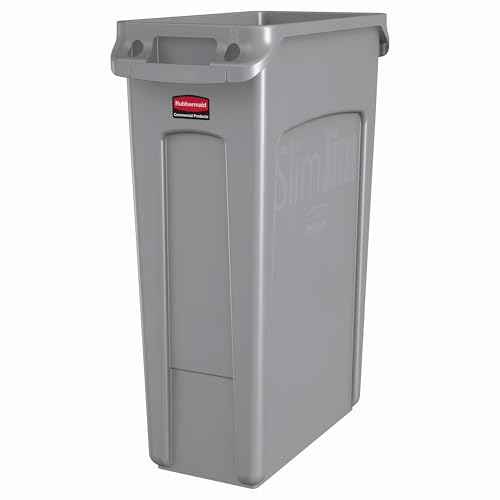
Rubbermaid Slim Jim Rectangular Trash Can, 23 Gallon
Hefty Heavy Duty 42 Gallon Contractor Bags, 26ct
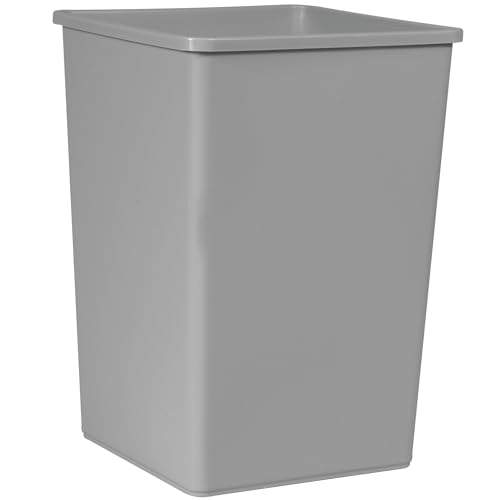
Rubbermaid Untouchable 35 Gal Square Container, Gray

Reli. 40-45 Gallon Heavy Duty Trash Bags, 100ct

Top Knot Bags 45 Gallon Can Liners, 1.5 Mil, 100ct
A Deeper Look At The Lineup
For most homeowners, autumn cleanup is where a tough bag earns its keep, and this Hefty 39-gallon option is built for that exact job. The 1.1 mil plastic (a mil is one-thousandth of an inch) is thicker than standard kitchen liners, so wet leaves and gritty dirt don’t shred through on the way to the curb.
You can drop a full bag of clippings, twigs, and pulled weeds into a contractor bin without the bottom giving out mid-lift. For anyone clearing a small yard or dragging bags to a municipal pickup, this is the dependable everyday workhorse.
A Strong Showing
- Thick 1.1 mil plastic resists punctures from sharp twigs and stems
- Black opaque color hides the mess when bags sit curbside for a day
- 39-gallon size fits standard outdoor cans and a contractor bin lid
- Large 38-count pack keeps you stocked for an entire fall season
Things To Consider
- Slightly undersized for true 42-gallon contractor cans, so expect the bag to sit a bit below the rim
- No reinforced gusset, so overloading with wet leaves can stress the side seams
Feature Snapshot
Right Fit For
Homeowners running weekly yard pickups with a mix of leaves, grass, and small branches.
Look Elsewhere When
You need a true 42-gallon match and contractor-grade thickness for remodel debris, where the Brute Super Tuff 2.0 MIL Contractor Bags fit better.
When a project involves drywall scraps, broken tile, or splintered lumber, kitchen-grade bags fail fast. The Brute Super Tuff 2.0 mil liner is engineered for that abuse, with a thicker gauge that holds sharp edges without slicing open at the seam.
The 42-gallon footprint drapes over a standard contractor bin with enough overhang to tie off cleanly. For DIYers tackling a basement purge or a small demo day, this bag earns its keep on the first load of jagged material.
Useful Touches
- 2.0 mil thickness shrugs off nails, staples, and broken glass
- Twist tie closure keeps contents sealed during transport to the dump
- Pack of 4 with 20 bags each gives 80 liners per order for big projects
Trade Offs
- Heavier plastic means less flex, so you need to seat the bag carefully into the can before loading
- Comes in a 4-pack bundle, which is more than a single weekend project may need
Best Suited To
DIY remodelers and garage cleanout crews dealing with rough, sharp, or heavy debris loads.
Swap It Out When
Your cleanup is mostly light yard waste, where the Hefty Strong Lawn and Leaf 39 Gallon option handles the job at a lighter gauge.
This is the can you park on a patio, beside a barbecue station, or next to a side gate and forget about for years. The recycled polyethylene body won’t rust, dent, or chip the way a metal bin can after a few wet seasons outdoors.
The open-top design and square footprint make it easy to sweep debris straight in with a dustpan, no lid to wrestle. For shared outdoor spaces where the bin takes a beating from weather and foot traffic, the graffiti-resistant finish wipes clean with a standard degreaser.
Real Benefits
- Recycled polyethylene construction stands up to rain, sun, and cold without corroding
- Lift-off lid and Grab Bag system speed up liner changes during busy weekends
- Square 18.5 by 18.5 inch footprint fits snugly against a wall or fence corner
Worth Noting
- Open-top style can collect rainwater if left uncovered in storm-prone areas
- Commercial-grade size is taller than a kitchen bin, so it may overpower a small balcony
Quick Facts
Made For
Property managers and homeowners outfitting a patio, side yard, or shared outdoor lounge with a permanent waste station.
Consider Something Else When
You need a narrow indoor bin for a kitchen, where the Rubbermaid Slim Jim 23 Gallon shape slides in better.
Most kitchens and break rooms don’t have room for a 42-gallon square, which is exactly why this Slim Jim earned its reputation. The tall, narrow rectangle slides between a refrigerator and a wall, or sits flush against a prep counter without stealing floor space.
Venting channels run down the sides, which sounds small but matters in real use: air escapes as the liner fills, so you can stuff a heavy bag down without that air-lock pop that throws loose trash back at you.
Where It Delivers
- Rectangular shape fits alleys, gaps, and tight prep stations where round bins won’t
- Built-in venting channels let trapped air escape for easier liner removal
- Commercial-grade plastic handles constant daily use in restaurants and offices
Honest Caveats
- 23-gallon capacity means more frequent emptying for a busy family kitchen
- Lid and recycling tops are sold separately, adding to the total setup cost
Whose Shelf It Belongs On
Apartment dwellers, small-office managers, and anyone squeezing a working trash station into a 10-inch gap.
Reach For A Different Pick When
You want a freestanding 42-gallon outdoor can, where the Commercial Zone 732101 handles a much larger weekly load.
Pulling a full contractor bag out of a can and across a driveway is a moment of truth, and the integrated handle flaps on these Hefty liners make that step far less clumsy. The extra-long tie flaps double as carry handles, so two hands can lift a heavy load without the bag tearing at the gusset (the folded seam at the bottom of a bag).
At 3 mil thick, this is the upper end of consumer liner toughness, and it survives jagged demo material better than most off-the-shelf options. For serious haulers, the 2-pack of 26 means 52 bags ready before the next project.
A Few Highlights
- 3 mil plastic handles broken glass, splintered wood, and metal scraps
- Integrated handle flaps give a secure lift point when the bag is full
- 42-gallon size drops directly into a standard contractor bin
Possible Compromises
- Thick plastic costs more per bag than kitchen liners, so light waste feels like overkill
- Stiff material takes a few seconds longer to unfold when you first seat it in a can
Feature Rundown
Who Should Grab It
Contractors, remodelers, and homeowners running weekend demo projects with rough or heavy debris.
Not Your Match When
You’re recycling light materials by the binful, where the Reli. 40-45 Gallon blue sorting bags are a better fit.
Mailrooms, copy areas, and classrooms generate a steady stream of paper waste, and this Rubbermaid square is designed to absorb exactly that kind of high-volume, low-impact refuse. The square shape is a quiet upgrade over a round bin because it sits flush against a wall and gives you a flat surface for sorting paper stacks.
Built from post-consumer recycled resin (PCR is plastic re-engineered from used bottles and containers), it carries a sustainability story without sacrificing durability. For shared environments where the bin gets bumped by chairs and foot traffic all day, the crack-resistant shell holds up.
Well-Handled Touches
- Square shape maximizes interior volume in tight wall corners
- Crack-resistant polyethylene holds up to daily bumps in busy rooms
- Post-consumer recycled resin supports an eco-friendly facility story
Points To Keep In Mind
- 35-gallon capacity is smaller than the 42-gallon cans in this roundup, so high-traffic zones fill it faster
- Lid is sold separately, which adds a step to the standard setup
Perfect Match For
Office and school facilities teams outfitting shared rooms with a sustainable, durable waste station.
A Better Fit Elsewhere
You need a true 42-gallon outdoor can, where the Commercial Zone 732101 covers a wider footprint and higher volume.
Color-coded bags are an underrated sorting tool, and these blue liners make a recycling stream visually obvious at a glance. At 40 to 45 gallons, they stretch over a 42-gallon can with enough extra to tie off cleanly without fighting a tight fit.
The 14-micron construction (a micron is one-millionth of a meter) is on the lighter side of the heavy-duty range, so they handle paper, cardboard, and sorted containers without trouble. For facilities running multi-stream sorting, the 100-count case keeps the bin supplied for months.
Advantages To Know
- Blue color clearly signals a recycling stream, reducing contamination in busy rooms
- 40-45 gallon range fits both 42-gallon contractor cans and slightly larger bins
- 100-count case covers long-term sorting needs with fewer restocks
Where It Is Less Suited
- 14-micron plastic is lighter than the 2 mil or 3 mil contractor options, so sharp debris can puncture
- Blue dye is great for visibility but shows through with certain lighting in a polished lobby
Spec Overview
Built With In Mind
Facility managers and homeowners running a multi-stream sorting station in a kitchen, garage, or shared workspace.
Skip It When
You need contractor-grade toughness for demo debris, where the Hefty Heavy Duty 42 Gallon Contractor Bags handle sharper waste.
When you go through bags by the case, packaging matters as much as plastic, and Top Knot ships these liners in ten small rolls of ten. That layout makes it easy to stash a roll in a garage shelf, a closet, or the back of a work van without wrestling a giant box.
The 1.5 mil low-density plastic is the stretchy, puncture-resistant cousin to the stiffer high-density liners, and it flexes around oddly shaped waste without splitting. For routine household or commercial hauling at scale, the bulk format saves trips to restock.
What Makes Sense
- Low-density 1.5 mil plastic stretches around irregular shapes without tearing
- 40×46 inch size covers 40-45 gallon cans with comfortable overhang
- 100 bags split across 10 rolls, so storage and sharing stay simple
Worth Bearing In Mind
- Lower mil count than the 2-3 mil contractor picks, so jagged demo debris is a stretch
- 100-count case is more than a small household may need in a single season
Who Will Love This
Property managers, multi-family households, and small businesses that cycle through bags fast and want easy storage.
Where Another Pick Suits Better
You’re handling sharp construction debris, where the Brute Super Tuff 2.0 MIL Contractor Bags are a tougher match.
Matching Cans And Liners To The Job
A 42-gallon trash setup works best when the can, the liner, and the cleanup type all line up, and a mismatch shows up fast in the form of split bags or a too-tall bin. Start with the waste stream, then pick the can, then match the liner gauge to the heaviest material you expect.
For outdoor yard work, the Commercial Zone 732101 open-top bin paired with the Hefty Strong Lawn and Leaf 39-gallon bags covers most weekly cleanups. The square body resists weather, and the 1.1 mil bag handles leaves and small twigs without complaint.
For indoor or tight-space use, the Rubbermaid Slim Jim 23-gallon rectangle slips into kitchen gaps where a 42-gallon square would dominate the room, while the venting channels keep liner changes from becoming a wrestling match.
For heavy debris, the Hefty Heavy Duty 42-gallon contractor bags (3 mil) or the Brute Super Tuff 2.0 MIL Contractor Bags are the safer call, with the integrated handle flaps on the Hefty option helping during two-handed carries. Pair either of these with the Commercial Zone bin, and the system handles tile, drywall, and lumber scraps without splitting at the seam.
For sorting and recycling, the Reli. blue 40-45 gallon bags keep streams visually distinct, and the 100-count case means fewer restocks for facility use. The Top Knot Bags 45-gallon liners round out the list for anyone cycling through bags fast and wanting roll-based storage that fits on a shelf.
Picking The Right Setup For Your Space
Can Shape And Footprint
Square cans maximize interior volume against a flat wall, while rectangular cans slide into narrow gaps. Round cans waste corner space but roll easily to the curb on a dolly. Measure the spot before you order, because a 42-gallon square is roughly 18 to 19 inches on each side and over 34 inches tall.
For tight kitchens, the Rubbermaid Slim Jim 23-gallon rectangle is the practical compromise. For patios and side yards, the Commercial Zone 732101 square earns its outdoor rating.
Liner Thickness
Bag thickness is measured in mils (one-thousandth of an inch), and the right gauge depends on the debris. 0.9 to 1.1 mil handles leaves, grass, and household waste. 1.5 to 2.0 mil covers sharp branches, gravel, and small renovation debris. 3 mil is the upper end of consumer liners and survives broken glass, tile, and metal scraps.
Match the mil to your worst-case load, since a 1 mil bag failing under broken tile costs more in cleanup than the difference in liner price.
Material And Durability
Recycled polyethylene (a tough, weather-resistant plastic) is the standard for outdoor cans, and it won’t rust or dent like metal. Look for crack-resistant and graffiti-resistant finishes if the bin lives in a public-facing area. For bags, low-density polyethylene stretches around odd shapes, while high-density polyethylene is stiffer and cheaper for light waste.
Closure And Handling
Twist ties and tie flaps both seal a bag, but handle flaps let you lift a full load without grabbing the plastic itself. The Hefty Heavy Duty 42-gallon option includes integrated handles, which is a meaningful upgrade when the bag weighs 40 pounds or more.
Common Shopping Slip Ups
Pitfalls Shoppers Hit
Buying a can without checking the liner size range is the fastest way to waste money, since a 42-gallon can won’t always accept a 42-gallon bag cleanly, depending on the brand’s stated range. The Hefty Lawn and Leaf 39-gallon bag, for example, sits below the rim of a true 42-gallon contractor can.
Another common miss is underestimating mil count. A 0.9 mil kitchen liner looks similar to a 1.5 mil contractor bag, but the difference shows up the moment a sharp twig pokes the bottom.
What The Higher Tier Buys
Spending more in this category buys thicker plastic, integrated carry handles, and weather-resistant can bodies. The 3 mil Hefty contractor bags, for example, include handle flaps that a 1 mil bag can’t offer, and the Commercial Zone can carries a recycled, graffiti-resistant shell that a budget bin skips.
For most homeowners, the upgrade pays off during big projects, where a single ripped bag can ruin a workday. For routine weekly use, the mid-tier options handle the job without overspending.
Frequently Asked Questions
What size bag fits a 42-gallon trash can?
Most 42-gallon cans accept 40 to 45 gallon liners, so you have a small amount of flexibility in either direction. A bag that sits an inch or two below the rim ties off more easily than one stretched over the edge.
How thick should a 42-gallon trash bag be?
For routine household waste, 1.0 to 1.5 mil is enough. For yard work with twigs and grit, move to 1.5 to 2.0 mil. For sharp construction debris, choose 2.0 mil or thicker, with 3 mil as the upper consumer limit.
Can a 42-gallon can be used outdoors?
Yes, as long as the body is made from weather-resistant polyethylene (a tough, water-resistant plastic) with UV-stable coloring. The Commercial Zone 732101 is built for outdoor exposure and resists rust, denting, and chipping.
What’s the difference between low-density and high-density trash bags?
Low-density bags stretch around irregular shapes and resist punctures, which is why most heavy-duty contractor liners are low-density. High-density bags are stiffer and cheaper, but they tear more easily when stretched, so they suit light, uniform waste.
Do 42-gallon cans need a lid?
Lids help with odor control, pests, and rainwater pooling, but open-top designs work well for outdoor stations where rainwater drains naturally. Pair the lid choice with where the bin lives, indoors or out.
Final Take
The right 42-gallon setup depends on whether you’re running a weekly kitchen routine, a weekend demo project, or a multi-stream recycling station. Cans like the Commercial Zone 732101 and Rubbermaid Untouchable 35 Gal give you the structure, while the Hefty, Brute, Reli., and Top Knot bags cover the liner thickness for every cleanup type. Match the can to the spot, the mil count to the debris, and the system quietly disappears into the background of your routine.
