

A sump pump earns its keep on the worst days: the spring storm that dumps three inches overnight, the snowmelt that turns the yard into a sponge, the sump pit that fills while you’re at work. Your basement is one of the most expensive rooms in the house, by square foot, and a single failure can stain drywall, ruin flooring, and quietly grow mold inside closed walls. The right pump runs in the background for years and only makes noise when you actually need it. The wrong one burns out in the first storm or clogs on a leaf.
This guide walks through ten solid submersible options for typical residential basements, garage workshops, and small construction sites. You’ll see homeowner-grade cast iron units, portable utility pumps for pools and hot tubs, and workhorse trash pumps that shrug off silt and grit.
The Choices Worth Comparing

WAYNE CDU800 1/2 HP Submersible Sump Pump
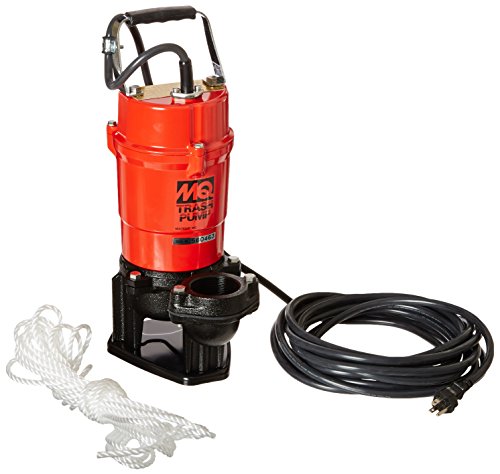
Multiquip ST2040T Submersible Trash Pump

WAYNE CDU790 1/3 HP Submersible Sump Pump

Tsurumi LB-480 Submersible Dewatering Pump

WAYNE CDU980E 3/4 HP Submersible Sump Pump

AQUASTRONG 1 HP Sump Pump 4500 GPH

Aquastrong 1/2 HP Portable Utility Pump
Aquastrong 1/2 HP Utility Pump with Float Switch

Aquastrong 1/2 HP Automatic Sump Pump

Green Expert 1/2 HP Submersible Utility Pump
What Each Pick Brings To The Table
The WAYNE CDU800 sits in that comfortable middle of the sump pump world: not the cheapest on the block, not the largest, but the one most homeowners end up choosing. A 1/2 horsepower motor drives up to 5,100 gallons per hour, which translates into roughly 85 gallons a minute when the water has nowhere to climb. The vertical float switch keeps the unit compact enough for narrow pits, and the cast iron body with stainless steel hardware shrugs off the constant damp and mineral exposure of a sump environment.
Compared to the cheaper CDU790 below, this one moves noticeably more water per hour. Top-suction intake design helps the pump resist air locks, which is the usual culprit when a sump pump runs dry and then struggles to restart. For most residential basements with a standard 18-inch basin, the CDU800 has enough muscle without overwhelming the discharge plumbing. The trade-off shows up if your pit is unusually shallow, because vertical floats need a bit of clearance above the waterline.
A Few Strong Suits
- 5,100 GPH flow handles multi-season storms without bogging down
- Cast iron volute and stainless fasteners resist corrosion in damp pits
- Vertical float switch tested for one million cycles for long-term dependability
- Top-suction design minimizes air lock and skips the weep hole installation
Things To Consider
- Vertical float needs a minimum water depth, so shallow basins may not trigger it reliably
- Cast iron adds weight, which can complicate removal for routine cleaning
Key Product Details
Right Fit For
Homeowners with a standard residential sump pit in a region that sees real seasonal rainfall want a proven workhorse without paying for contractor-grade capacity.
A Better Fit Elsewhere
The Multiquip ST2040T suits you better when the water carries sand, silt, or small debris from a job site rather than clean groundwater.
The Multiquip ST2040T is a different animal from the cast iron basement units above. A “trash pump” is built to pass solids up to roughly one inch through the impeller without clogging, which is exactly the situation on a flooded construction site, a farm ditch, or a basement full of muddy water. The 1 horsepower single-phase motor delivers around 79 gallons per minute, and the 2-inch connections on both suction and discharge let you run standard lay-flat hose for moving water over distance.
The neoprene-overlaid cast iron impeller is the part that earns this pump its keep, because plain cast iron would wear down quickly in gritty water. Industrial-grade housing and dual shaft seals point toward long service life, but this is a contractor’s tool rather than a permanent basement fixture. Owners commonly pair it with a portable generator on remote jobs, since the 115V single-phase wiring is forgiving. If your project involves clean groundwater in a finished basement, the WAYNE CDU800 is a quieter, more appropriate choice.
A Strong Showing
- Handles solids up to 1 inch without choking the impeller
- 1 HP motor delivers 79 GPM for fast dewatering
- Neoprene overlay on cast iron impeller extends service life
- 2-inch ports fit standard trash pump hoses for high-volume transfer
Trade-Offs
- Larger and heavier than typical sump units, awkward for permanent basement install
- Higher flow means it cycles more often in low-inflow situations
Built With In Mind
Contractors, farmers, and homeowners cleaning up after a major flood who need to move gritty or debris-laden water fast.
Reach For A Different Pick When
The WAYNE CDU980E makes more sense as a permanent basement sump pump where the water is usually clean and the priority is long-term unattended operation.
The CDU790 is the smaller sibling to the CDU800, and it shows up in basements where inflow is light and the budget matters more than maximum capacity. At 1/3 horsepower and up to 4,600 gallons per hour, the pump handles routine seepage and modest snowmelt without complaint. The cast iron volute and stainless steel fasteners use the same corrosion-resistant recipe as the bigger Wayne models, just wrapped around a smaller motor.
You trade away some headroom, because this unit will struggle sooner if your discharge line climbs a tall foundation wall or runs a long horizontal stretch. For a tight pit in an older home where space is at a premium, the integrated vertical float helps. Where the CDU800 above gives you extra peace of mind in heavy storms, the CDU790 is the right scale for steady-but-moderate water tables.
What Stands Out
- Compact footprint suits narrow sump basins and tight utility rooms
- Same cast iron and stainless steel build as larger Wayne units
- Integrated vertical float simplifies wiring and setup
- 4,600 GPH covers typical household seepage comfortably
Points To Note
- 1/3 HP motor lags during sustained heavy inflow or high vertical lift
- Not designed for debris-heavy water; clean sump pits only
Perfect Match For
Homeowners with a small sump pit, a low water table, or a tighter budget who don’t face frequent severe storms.
Skip It When
The WAYNE CDU980E fits you better if your region sees multi-inch rain events or your discharge run climbs a tall foundation wall.
Tsurumi is a name you see stamped on contractor pumps on bridge jobs and cofferdams, and the LB-480 brings that pedigree down to a portable size. The slimline housing fits inside an 8-inch caisson, which matters when you’re pumping from a narrow well casing or a tight construction trench. At 2/3 horsepower and roughly 63 gallons per minute, it lands between the residential WAYNE units above and the bigger trash pump from Multiquip.
A 32-foot power cord gives flexibility on job sites where outlets are scarce, and the urethane impeller is engineered for abrasive conditions. Compared to the Multiquip ST2040T, this pump passes smaller solids but trades some flow rate for that slim profile. For homeowners, it may be overkill unless you’re running a foundation repair or dewatering a yard project. Pros appreciate the build quality and the fact that replacement wear parts are easy to find.
Practical Advantages
- Slimline housing slips into 8-inch caissons and narrow trenches
- 32-foot cord reaches distant outlets on sprawling job sites
- Urethane impeller resists abrasion from silt and sand
- 2/3 HP delivers 63 GPM for steady dewatering
Less Ideal Details
- Higher cost than typical homeowner sump pumps for similar flow
- Smaller solid-handling capacity than true trash pumps like the Multiquip
Quick Facts
Best Suited To
Contractors and serious DIYers running foundation repairs, drainage installs, or construction site dewatering in tight spaces.
Look Elsewhere When
The AQUASTRONG 1 HP Sump Pump is a better match when you need maximum residential flow without the contractor price tag.
The CDU980E is the high-output sibling in the Wayne residential line. The 3/4 horsepower motor pushes up to 5,490 gallons per hour, which sounds modest compared to the smaller 1/2 HP CDU800 above but delivers noticeably more head pressure for tall discharge runs. The cast iron volute with stainless steel hardware is the same corrosion-resistant recipe, and the manufacturer backs it with a longer warranty period than its smaller counterparts.
You step up to this pump when your home sits at the bottom of a slope, sits in a region with hurricane-season rainfall, or has a finished basement where a single overflow is unacceptable. Top-suction anti-airlock design means it restarts cleanly after long idle periods. The honest read is that most homeowners don’t need this much pump, but for the ones who do, it pays for itself the first time it handles a storm the cheaper units would have struggled with.
Notable Gains
- 3/4 HP motor delivers higher head pressure for tall discharge runs
- 5,490 GPH handles worst-case storm inflows
- Longer warranty window than smaller Wayne residential units
- Top-suction design prevents air lock after long idle periods
Where It May Fall Short
- Higher price point than 1/3 and 1/2 HP units in the same family
- Overkill for low-inflow situations, causing short cycling
Whose Shelf It Belongs On
Homeowners in heavy-rainfall regions or with finished basements who want extra capacity and longer manufacturer backing.
Swap It Out When
The WAYNE CDU790 is a smarter pick if your sump pit sees only modest seepage and you prefer a smaller, lighter pump.
AQUASTRONG’s 1 horsepower sump pump hits a flow rate of 4,500 gallons per hour at a 5-foot lift, which puts it in the same conversation as the bigger Wayne units while running on a noticeably larger motor. The “utility pump” classification hints at the broader use case: this isn’t just for permanent basement install but also for hot tub draining, garden pond maintenance, and post-flood cleanup. Bottom-suction intake pulls water down to roughly 1/5 inch from the surface, which is useful when you want a basin left nearly dry.
Compare that to the WAYNE CDU980E above, and you trade Wayne’s cast iron build for a lighter utility-focused construction that moves more water but probably won’t last decades unattended in a pit. Owners commonly deploy this for flood recovery rather than permanent install. The plug-and-play design (no float switch required for manual operation) makes it simple to drop in and run when you need it.
The Practical Payoff
- 1 HP motor moves 4,500 GPH for fast water removal
- 30-foot vertical lift handles basement-to-yard discharge runs
- Bottom-suction design drains water down to 1/5 inch
- Plug-and-play operation suits temporary flood recovery jobs
Potential Compromises
- Utility-grade build may not match cast iron units for permanent install longevity
- Higher horsepower draws more current from standard outlets
Who It Suits Best
Homeowners who want a versatile pump for both basement flooding and occasional hot tub, pond, or pool draining without buying two separate units.
Consider Something Else When
The WAYNE CDU800 fits better as a permanent unattended basement sump where decades of reliable float-switch operation matter more than peak flow.
This Aquastrong unit is the lightweight cousin of the 1 HP pump above, with a thermoplastic body that keeps the weight down and the price reasonable. At 1/2 horsepower and 3,159 gallons per hour at a 5-foot lift, it covers swimming pool opening, garden pond maintenance, and window well drainage without breaking your back carrying it. The 10-foot power cord is short for job site work but fine for plugging into an outdoor outlet near the pool or pond.
Same story with the bottom-suction design that pulls water down to about 1/5 inch. Owners commonly reach for this when they need a quick pump-and-go solution rather than a permanent fixture. The thermoplastic housing won’t take the same abuse as cast iron over a decade of permanent submersion, but for seasonal use and occasional draining, it’s a sensible tool.
Reasons It Performs
- Lightweight thermoplastic body is easy to carry to pool or pond
- 3,159 GPH covers seasonal water-moving tasks quickly
- Bottom-suction design drains water down to 1/5 inch
- Passes solids up to 1/5 inch for debris-tolerant draining
Things To Weigh
- Thermoplastic housing not suited for permanent basement submersion
- 10-foot cord may require an outdoor-rated extension for distant outlets
Feature Snapshot
Made For
Homeowners with pools, ponds, hot tubs, and window wells who want a portable pump to grab and go when seasonal tasks come up.
Not Your Match When
The Aquastrong 1/2 HP Automatic Sump Pump suits you better when you need unattended float-switch operation in a permanent basement install.
This Aquastrong adds the piece that the previous portable pump lacks: an adjustable tether float switch. That single addition changes the use case from “carry it to the pool and run it manually” to “drop it in a flooded basement or pond and walk away.” You can set the float so the pump turns on only at the water level you choose, or lock the switch upward for continuous manual operation when needed.
At 3,159 GPH and 26-foot vertical lift, performance matches the non-float sibling above, so the difference comes down to how you want to use it. Owners commonly report the float tether as the deciding factor between this model and its simpler sibling. For multi-site draining where you want automatic operation in some spots and manual in others, the dual-mode design earns its place.
Everyday Perks
- Adjustable tether float lets you set the activation water level
- 3,159 GPH at 5-foot lift for solid residential flow
- 26-foot vertical lift handles modest discharge runs
- Lock switch upward for manual continuous operation
Practical Considerations
- Float tether can tangle if the basin is too narrow
- Thermoplastic housing limits permanent install longevity
Who Should Grab It
Homeowners who need one pump that can move between automatic basement duty and manual pool draining without buying separate units.
A Better Fit Elsewhere
The WAYNE CDU800 fits better when permanent unattended basement operation is the only job, with cast iron build built for that exact scenario.
This Aquastrong model replaces the mechanical float switch entirely with an electronic water-level sensor, which is a meaningful change in how the pump decides when to run. The sensor picks from six preset activation depths (from about 1 inch to 5 inches of water), giving the kind of fine control that mechanical floats can’t match. The pump shuts off automatically at roughly 0.4 inch, leaving the basin nearly dry.
No moving float means no tether tangling, no sticking mechanism, and a tighter overall profile. The trade-off shows up in electronic components that owners commonly replace every few years rather than every decade. For finished basements where you want quiet operation and precise water-level management, this sensor-based approach is a smart upgrade over the older float-switch design.
Advantages To Know
- Electronic sensor replaces mechanical float for finer control
- Six adjustable activation depths from 1 to 5 inches
- Shuts off at 0.4 inch for nearly dry basins
- No moving parts in the switch means no tether tangling
Things To Watch
- Electronic sensors may need replacement sooner than mechanical floats
- 3,159 GPH lags behind 1 HP utility units for major floods
Made For
Tech-comfortable homeowners who want precise water-level control and quiet automatic operation in a finished basement.
Another Choice May Suit
The WAYNE CDU980E serves you better when maximum flow and proven cast iron longevity matter more than sensor sophistication.
Green Expert’s utility pump strips the feature set down to the essentials: a 1/2 horsepower motor, manual plug-in operation, and a check valve that prevents backflow into the basin. At 2,500 gallons per hour at zero lift and 25 gallons per minute at a 10-foot discharge, the flow numbers are modest but honest. The oil-free PSC motor with thermal overload protection is the kind of detail that extends service life on pumps that get dragged around and plugged in repeatedly.
Compare that to the Aquastrong automatic pump above, and you trade electronic sensors and adjustable floats for simpler manual control. There’s no priming required, which matters when you need the pump to start the moment you plug it in. Owners commonly grab this for occasional window well drainage, hot tub draining, and small flood jobs where complex controls would be overkill.
Noteworthy Benefits
- Manual plug-in starts the pump the moment you connect power
- Check valve prevents backflow into the drained area
- Thermal overload protection extends motor service life
- No priming needed for quick spot-draining jobs
Where It Is Less Suited
- 2,500 GPH lags other utility pumps for major floods
- Manual operation means you must be present to start and stop it
Feature Card
The Right Fit
Homeowners who need a simple grab-and-go pump for occasional hot tub draining, window wells, and small floods without automatic features they don’t need.
Skip It When
The WAYNE CDU800 is the better match when you want permanent unattended basement protection from a proven cast iron workhorse.
Picking A Sump Pump That Actually Fits Your Home
Matching the pump to your real situation matters more than chasing the highest flow number. A 5,000 GPH unit in a basement that only sees a trickle of seepage short-cycles constantly and wears out its switch faster than a properly sized 3,000 GPH model. Conversely, undersizing a pump in a region with multi-inch rain events means the basin fills faster than the pump can drain, and that’s how finished basements get ruined.
Start with two measurements: the diameter of your sump pit and the vertical height from the pit bottom to where the discharge exits the house. A narrow pit favors vertical float switches, which need less clearance than tethered floats. The vertical lift number tells you how much head pressure the pump needs to generate, and head pressure cuts flow rates substantially. A pump rated 5,000 GPH at zero lift might deliver closer to 3,500 GPH once you factor in 10 feet of vertical rise and friction losses through the discharge pipe.
Permanent basement duty rewards cast iron and stainless construction with decades of unattended operation. Portable utility pumps in thermoplastic bodies make more sense for flood recovery, pool draining, and seasonal pond work. Trash pumps with larger solid-handling capacity step in when the water carries silt, leaves, or small debris from job sites or muddy yards.
Matching Horsepower And Float Type To Real Conditions
Horsepower drives both flow rate and head pressure, but the relationship is not linear. A 1/3 HP pump may deliver 80% of a 1/2 HP pump’s flow at zero lift and a much smaller percentage at 15 feet of head. For typical residential basements with modest vertical lift, 1/3 to 1/2 HP covers most situations. Step up to 3/4 HP or 1 HP when your region sees severe storms, your discharge run climbs a tall foundation, or you want extra margin during peak inflow.
Float switches come in three main flavors for residential pumps. Vertical floats mount on a rod and fit narrow basins but need minimum water depth. Tethered floats swing on a cable and offer adjustable activation levels but can tangle in tight pits. Electronic sensors replace moving parts entirely with water-level probes, which is quieter and more precise but adds electronic components that may fail sooner than mechanical switches.
Factors To Consider Before Choosing Your Pump
- Basin size and shape: narrow pits favor vertical floats; wider basins give tethered floats room to swing freely.
- Typical inflow rate: a basement that fills slowly during rain needs less pump than one that fills during every storm.
- Vertical lift: measure from pit bottom to discharge exit, then add 10% for pipe friction.
- Water cleanliness: clean groundwater suits standard sump pumps; debris-laden water needs trash pump capacity.
- Power source: most residential units run on standard 115V outlets; check your circuit rating before plugging in a 1 HP unit.
Smart Buying Advice For Sump Pump Shoppers
Pitfalls Shoppers Hit
Buying the highest GPH number without checking vertical lift specs is the most common misstep, since flow rates drop sharply as discharge height increases. Skipping the basin measurement means a vertical-float pump may not fit a shallow pit. Forgetting the check valve leads to backflow that retriggers the pump unnecessarily. Running a pump dry without a way to verify automatic shutoff burns out motors faster than any other mistake.
Where The Extra Money Goes
Premium cast iron and stainless construction extends service life in permanent basement installations where the pump runs year-round for years. Higher horsepower costs more but buys head pressure for tall discharge runs and margin during peak storms. Electronic sensors and adjustable activation levels add precision that mechanical floats cannot match, at the cost of eventual electronic component replacement. The upgrade pays off when your basement is finished, your region sees severe weather, or your discharge run is unusually long.
Frequently Asked Questions
How Do I Know What Size Sump Pump I Need?
Measure your sump pit diameter, the vertical lift from pit to discharge, and the typical inflow rate during heavy rain. A 1/3 to 1/2 HP pump covers most residential situations with under 15 feet of lift.
Can A Sump Pump Run Continuously?
Sump pumps cycle on and off based on water level, so continuous running usually means the inflow exceeds capacity or the float switch is stuck. Unattended continuous running can overheat the motor and shorten service life.
How Often Should A Sump Pump Run In Normal Weather?
In dry conditions, a properly sized sump pump may run rarely or not at all. During rain or snowmelt, cycling every few minutes is normal; cycling every few seconds suggests the pump is oversized or the float is misadjusted.
What Is The Difference Between A Sump Pump And A Utility Pump?
A sump pump installs permanently in a basement pit with automatic float-switch operation. A utility pump is portable, manually controlled, and used for temporary jobs like pool draining, pond maintenance, and flood cleanup.
How Long Do Sump Pumps Typically Last?
Cast iron residential sump pumps commonly last 7 to 10 years with routine maintenance, while portable utility pumps may last fewer years due to repeated transport and seasonal storage stress.
The Takeaway
The right sump pump depends on whether you need permanent basement protection, portable flood recovery, or job-site dewatering. Cast iron residential units from Wayne handle unattended basement duty for years. AQUASTRONG and similar utility pumps cover pools, ponds, and flood cleanup with portable convenience. Multiquip and Tsurumi step in when the water carries debris or the job site demands contractor-grade build quality. Match the pump to your pit size, lift requirements, and water cleanliness, and the rest takes care of itself.
