

Drawing groundwater from a private well or keeping a basement dry through storm season is one of those jobs where the right pump quietly does its work for years, while the wrong one earns you a weekend of bailing buckets. Homeowners with shallow wells, irrigation setups, and finished basements all land in this category eventually, and the sheer range of options makes the search harder than it needs to be. This lineup pulls together ten solid submersible well pumps and accessories worth your attention, sorted by the real-world situations they handle best. Whether you’re replacing a tired old workhorse or setting up a system from scratch, you’ll find a clear path forward below.
The Lineup, Simplified
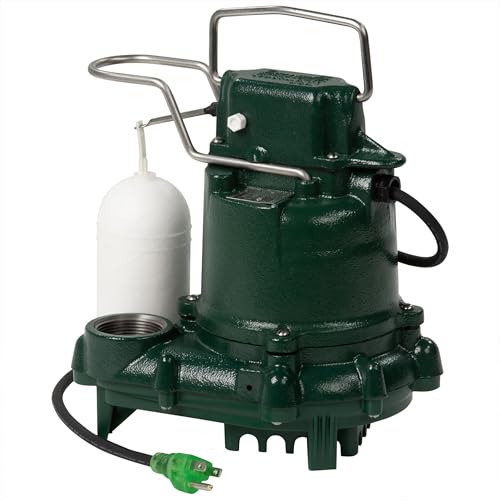
Zoeller M53 Mighty-mate Submersible Sump Pump 1/3 Hp

Franklin Sports Control Box 1-1/2HP 230V 1-Phase

Zoeller M98 Flow-Mate Sump Pump 1/2 HP Cast Iron
6699 Submersible Sump Pump 1HP 5000GPH Portable

lxrnqcey Deep Well Pump 0.5HP 1-Inch Outlet Stainless
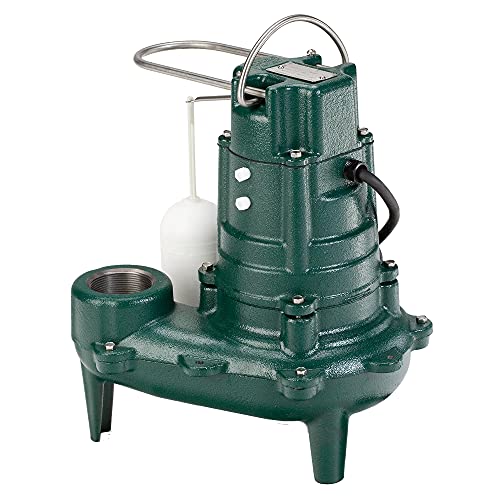
Zoeller Waste-Mate 267-0001 Sewage Pump 1/2 HP

6699 Submersible Sump Pump 5000GPH Kit with Hose

6699 Submersible Sump Pump 2500GPH Kit 1/2HP

Azzuno Septic Tank Pump 4" 1.1HP 230V Stainless

6699 Submersible Sump Pump 1/2HP 2500GPH Adjustable
The Details Behind The Selections
For a tight residential sump pit where reliability matters more than raw output, the Zoeller M53 has earned its reputation over decades of basement duty. The cast iron switch case, motor housing, and pump body give it the kind of heft that resists corrosion and vibration in a wet basin, while the vortex impeller design shrugs off the small debris that sneaks in with groundwater. In most homes, a 1/3 HP unit handles typical inflow from a perimeter drain without cycling constantly, which keeps wear in check over the long haul.
Float-operated switching means installation stays straightforward: drop it in, plug it in, and the snap-action float handles the rest. Compared to the lightweight plastic portables later in this list, this is a permanently mounted workhorse that asks for a dedicated basin.
The Upside
- Cast iron motor and pump housing for years of corrosion resistance
- Vortex impeller passes small debris without clogging
- Snap-action float switch simplifies install and reduces false cycling
- Compact footprint fits standard residential sump basins
Things To Consider
- Lower horsepower limits output in high-inflow scenarios
- Heavier than plastic portables, so retrieval for cleaning takes effort
Key Specs
Made For
Homeowners with a finished basement who want a permanent, low-maintenance sump solution.
Consider Something Else When
You need to move serious volume from a flooded basement, in which case the 6699 1HP 5000GPH portable handles emergency response better.
This one is a different kind of entry: not a pump itself but the CSCR control box that runs a 1.5 HP single-phase submersible motor. A CSCR, or capacitor start-capacitor run box, gives the motor stronger starting torque and smoother running than simpler designs, which matters when you’re pulling water from a deeper well or pushing it uphill to a storage tank.
For an installer swapping out a burned control box or wiring a new well pump, this is a clean fit. The 3R enclosure tolerates outdoor mounting, and the box accepts up to #2 AWG wire, giving you flexibility on long runs. If you’re a homeowner doing a quick swap, though, this lands firmly in “call your electrician” territory.
Practical Pluses
- CSCR design improves starting torque over standard boxes
- 3R-rated enclosure handles outdoor wall or pole mounting
- Accepts up to #2 AWG wire for longer circuit runs
- Matched to 1.5 HP single-phase submersible motors
Worth Noting
- Not a standalone pump, so it pairs with a separately purchased submersible motor
- 230V single-phase supply is required for proper operation
Who It Suits Best
Licensed installers and electricians handling a well pump motor swap or new wiring setup.
Look Elsewhere When
You want a complete pumping solution out of the box, in which case the Azzuno 4-inch submersible combines the motor and pump in one package.
The M98 is what happens when you take the proven Zoeller sump platform and ask for more output. The 1/2 HP motor with an oil-filled chamber pulls heat away from the windings, which extends service life during long pump cycles that would overheat a lighter-duty alternative. The LED power plug on the nine-foot cord is a small but genuinely useful touch, letting you confirm at a glance that the pump is actually receiving power before you start troubleshooting a flooded basement.
For homes with higher groundwater tables or where the sump runs often during spring thaws, the extra capacity earns its keep. Compared to the M53 above, the upgrade is meaningful: more flow, better thermal management, and the diagnostic LED.
Useful Strengths
- Oil-filled motor design extends lifespan under heavy cycling
- LED power plug for at-a-glance status verification
- Stainless steel hardware resists corrosion in constant wet use
- Higher flow rate supports busier sump basins
Trade Offs
- Heavier than 1/3 HP options, so installation in tight pits takes planning
- Costs more upfront than entry-level sump pumps
Quick Facts
Right Fit For
Homeowners in wet climates who need a permanent sump pump that handles frequent cycling.
Skip It When
Your sump rarely runs and a smaller M53 or comparable 1/3 HP unit would cover the workload at lower cost.
When a storm dumps six inches of rain in a night and your basement is taking on water fast, a permanent sump pump can’t be the only line of defense. This 6699 portable moves up to 5,000 gallons per hour, which is the kind of throughput that actually makes a dent in standing water before damage sets in. The hi-impact plastic construction keeps weight manageable so you can grab it from the garage and deploy it where the water is.
The adjustable base is the kind of feature you don’t appreciate until you need it: slide it left for low-water mode to drain puddles down to almost nothing, or right for full flow. For emergency prep kits, this is the one most people should own.
Real-World Strengths
- 5,000 GPH flow handles serious flood response
- Adjustable base switches between full-flow and low-water modes
- Corrosion-resistant plastic shell keeps weight low
- Portable form factor suits emergency deployment
Points To Keep In Mind
- Plastic construction is less durable than cast iron over years of permanent submersion
- Not intended as a primary installed sump pump
Best Suited To
Homeowners building an emergency kit for storm season or anyone who needs to drain pools, ponds, or flooded yards on demand.
A Better Fit Elsewhere
If you’re replacing a permanent primary sump, the Zoeller M98 is the better long-term choice.
Off-grid cabins, small farms, and garden irrigation setups all share the same problem: getting water up from a well that may sit a couple hundred feet down. This lxrnqcey unit lifts water to a 262-ft head at 1.8 m³/h, which is enough pressure to feed a garden sprinkler or supply a small household’s non-potable needs. The full stainless steel shell shrugs off the mineral-heavy water that chews through cheaper housings, and the IP68 rating means true submersion is the operating environment, not a worst case.
It’s a workhorse rather than a household name, but for the right application, that trade-off works in your favor. Unlike the Zoeller sump pumps above, this is purpose-built for vertical lift rather than basin drainage.
Benefits That Matter
- 262-ft head handles deep wells and uphill delivery
- Stainless steel shell resists corrosion in mineral-laden water
- IP68 waterproofing supports continuous full submersion
- Overheating protection extends motor life on long runs
Honest Caveats
- 1-inch outlet is smaller than typical residential plumbing
- Not designed for sewage or solids-bearing water
Feature Snapshot
Who Should Grab It
Small property owners drawing from deep wells for irrigation, livestock, or non-potable household use.
Not Your Match When
You’re dealing with basement flooding rather than well water, in which case the Zoeller sump lineup fits the job.
A sump pump and a sewage pump look similar but do very different jobs, and using the wrong one is how basements end up with damage that no pump can undo. The Waste-Mate 267 is built for the messier side of water management: it passes 2-inch spherical solids, which covers everything that comes out of a residential bathroom drain line. The ASTM Class 25 cast iron body is the same standard found in municipal work, so it shrugs off the chemical and biological exposure that would pit a lighter pump.
For a home with a below-grade bathroom, basement wet bar, or septic ejector basin, this is the right tool. The non-clog vortex impeller and 2-pole mechanical switch are designed for the heavy, infrequent cycles that sewage duty demands.
Practical Advantages
- Passes 2" spherical solids without jamming
- ASTM Class 25 cast iron housing resists corrosion
- Float-operated automatic switch for hands-off operation
- Suitable for both residential and light commercial use
Some Limits To Know
- Overkill for clean-water sump applications
- Requires a basin with enough depth for the float travel
Built With In Mind
Properties with below-grade plumbing or septic systems that need a dedicated sewage ejector pump.
Swap It Out When
Your only water problem is groundwater seepage, in which case the Zoeller M98 handles that duty at lower cost.
The smart thing about this 6699 kit is what comes in the box: a 1 HP pump pushing 5,000 GPH, plus a 25-foot, 1.5-inch discharge hose, ready to deploy. Anyone who has scrambled to find a hose that fits a pump outlet during an actual flood knows the value of a kit that just works. The same adjustable base from the bare pump version handles low-water mode for puddle cleanup or full flow for heavier drainage.
For someone who wants emergency capability without sourcing separate fittings and hose, this consolidates the shopping list. Storage in a garage or utility closet is straightforward since the hose coils down to a manageable size.
Where It Excels
- 25-ft discharge hose included for immediate deployment
- 5,000 GPH flow matches the bare 1HP pump
- Adjustable base supports both high and low-water operation
- Complete kit eliminates fitting compatibility guesswork
Mild Trade-Offs
- Hose diameter is fixed at 1.5", so longer runs may need a separate extension
Whose Shelf It Belongs On
Homeowners building a grab-and-go emergency kit for basement flooding or yard drainage.
Reach For A Different Pick When
You only need the pump for permanent installation, in which case the Zoeller M53 or M98 is the more durable fit.
Half the horsepower and half the flow of the 1HP kit above, but for many real-world chores, 2,500 GPH is plenty. Draining a hot tub, emptying a rain barrel, or clearing a flooded garden shed doesn’t require industrial output, and the lighter pump is easier to lift, carry, and store. You also get the same 25-ft discharge hose and adjustable base, just sized for less demanding tasks.
The trade-off is clear: less muscle, more convenience. For anyone whose pump sits unused 360 days a year and sees light seasonal work, this is the more sensible buy than overcommitting on capacity that never gets used.
Everyday Advantages
- 2,500 GPH suits pools, ponds, and rain barrels
- Lighter 1/2HP motor easier to handle and store
- Includes 25-ft discharge hose for immediate use
- Adjustable base handles low-water and full-flow modes
What To Weigh
- Flow rate is limited compared to 1HP versions
- Plastic construction has a shorter service life than cast iron in permanent setups
Right Fit For
Homeowners with a pool, pond, or rain barrel system who need a portable pump for seasonal water management.
Where Another Pick Suits Better
Storm-prone basements that need emergency flood response are better served by the 1HP 5000GPH kit, which moves water twice as fast.
When the application calls for sustained deep-well lift or septic handling, the Azzuno 4-inch brings serious numbers to the table. A 207-ft head with 26 GPM flow comes from a 1.1 HP motor, and the full stainless steel build means it tolerates the corrosive environment inside a septic tank or a mineral-heavy well without degrading. The 33-foot UL-listed cord adds installation flexibility on deeper drops.
For an installer wiring a new septic pump system or a homeowner with a deep well that demands real vertical lift, this earns the performance-leader label. Compared to the lxrnqcey unit earlier, the Azzuno pushes more water higher with a more robust build.
Positive Points
- 207-ft head handles demanding deep-well and septic applications
- Full stainless steel construction for corrosion resistance
- Bottom suction design improves drawdown
- 1-1/4" FNPT discharge fits standard well plumbing
Possible Compromises
- 230V power supply may require electrical work in some installations
- 4" minimum casing diameter limits which wells it fits
Feature Rundown
Perfect Match For
Property owners with deep wells or septic systems who need sustained, high-head performance from a corrosion-resistant pump.
Where A Sibling Pick Shines
For light residential basement duty, the Zoeller M98 covers the job at lower cost and with simpler wiring.
Rounding out the list, this 1/2 HP 6699 is the bare-pump sibling to the kits above: same adjustable base, same 2,500 GPH ceiling, but without the bundled hose for anyone who already owns compatible fittings or wants to choose their own. The hi-impact plastic body keeps the price approachable, and the dual-mode switch makes it useful across chores that vary in volume.
For homeowners who already have hoses, fittings, and adapters from previous projects, paying only for the pump makes sense. Pair it with the 25-ft hose from the kit version and you essentially build your own version.
What Makes Sense
- Adjustable base switches between low-water and full-flow modes
- Lightweight plastic housing simplifies transport and storage
- 2,500 GPH handles pools, ponds, and yard flooding
- Priced lower than the kit version for owners with existing hose
Details To Watch
- Discharge hose sold separately
- Plastic construction is less durable than cast iron for permanent installation
Who Will Love This
Owners with a stash of compatible hoses who want just the pump for occasional yard and pool drainage.
Another Choice May Suit
If you’d rather skip the fitting scavenger hunt, the 6699 2500GPH kit bundles the hose for immediate deployment.
Factors To Consider When Choosing Submersible Well Pumps
Match the Pump Type to the Job
Sump pumps, sewage pumps, utility pumps, and deep well pumps share a category but solve different problems. Sump pumps handle groundwater infiltration in basement basins. Sewage pumps pass solids from below-grade plumbing. Utility pumps are portable workhorses for pools, ponds, and emergency drainage. Deep well pumps lift water from significant depth for household or irrigation supply. Matching the type to your actual situation is the single biggest factor in long-term satisfaction.
Size the Pump to Your Demand
Horsepower and flow rate matter, but bigger isn’t automatically better. A 1/2 HP sump pump in a low-inflow basement will short-cycle and wear prematurely. A 1/3 HP pump in a high-water-table home will run constantly and still fall behind. Look at your typical inflow rate, well depth, or drainage volume, and choose accordingly. For most residential basements, 1/3 to 1/2 HP sump pumps cover the workload; deep well applications often need 1 HP or more to achieve useful head pressure.
Construction and Materials Decide Lifespan
Cast iron housings outlast plastic in permanent installations, but plastic portables make sense for emergency or seasonal use. Stainless steel matters in mineral-heavy well water and corrosive septic environments. The IP68 rating, which certifies a pump for continuous full submersion, is the standard to look for in any pump that lives underwater permanently. Hardware like stainless steel fasteners and bolts resists the rust that can seize components during maintenance.
Don’t Forget Installation Realities
Float switches need clearance to operate. Deep well pumps require proper drop pipe, check valves, and electrical controls. Sewage ejectors need a sealed basin with vent piping. Before choosing, confirm that your basin depth, electrical supply, and plumbing connections match the pump’s requirements. A pump that fits the spec sheet but not your physical space creates more problems than it solves.
Smart Choices Around Submersible Well Pumps
Where Shoppers Go Wrong
The most common slip-up is treating sump pumps and sewage pumps as interchangeable. Groundwater with silt is one problem; bathroom effluent with solids is another, and using the wrong pump leads to clogs, overflow, and premature failure. Another frequent mistake is underestimating electrical requirements. A 230V deep well pump wired to a 115V circuit simply won’t run, and forcing the issue can damage the motor. Always confirm voltage, amperage, and circuit capacity before installing.
When Paying More Pays Off
Higher-tier submersible well pumps earn their premium through three main upgrades: better thermal management on the motor, corrosion-resistant materials throughout, and diagnostic features like LED power indicators. For a permanent installation that runs daily, those upgrades translate to longer service intervals and fewer flood-related emergencies. For a portable that sits in a closet most of the year, the premium buys less real-world value. The upgrade pays off when the pump is working hard; it matters less when it rarely runs.
Frequently Asked Questions
What is the difference between a sump pump and a sewage pump?
A sump pump handles clean groundwater from a basin, while a sewage pump passes solid waste from below-grade plumbing. Sewage pumps use vortex impellers designed for solids handling.
How deep can a submersible well pump lift water?
Deep well submersible pumps typically lift water from 100 to 300+ feet, depending on motor power and impeller design. Match the pump’s maximum head rating to your well depth plus any vertical rise needed.
Can a sump pump run continuously?
Most residential sump pumps are designed for intermittent duty, cycling on and off as the float switch triggers. Continuous operation can overheat the motor in units not rated for constant running.
What maintenance does a submersible pump need?
Annual checks typically include testing the float switch, clearing debris from the intake screen, and inspecting the cord for damage. Basins should be cleaned periodically to reduce sediment that wears impellers.
How long do submersible well pumps last?
Permanent cast iron sump pumps often run 10+ years with proper care. Deep well submersibles can last 15 years or more when matched correctly to the well depth and water quality. Plastic portables tend to have shorter service lives under heavy use.
Bottom Line
The right submersible well pump depends entirely on what you’re asking it to do: keep a basement dry, supply a household from a deep well, or stand ready for the next big storm. Cast iron sump pumps from Zoeller handle permanent residential duty with proven durability, while 6699 portable kits cover emergency response and seasonal chores. For deep well and septic applications, the lxrnqcey and Azzuno units deliver the lift and corrosion resistance those jobs demand. Whichever path your situation calls for, matching the pump type, capacity, and construction to the actual workload is the difference between a pump you forget about for a decade and one that lets you down when it matters most.
