

A wet basement after a storm is the kind of problem you don’t forget, and the right submersible pump is the kind of appliance you don’t think about until you need it. This roundup covers ten options built for everything from light-duty window wells to heavy sewage duty, so you can match the tool to the water you actually deal with. Every pick here was chosen for a specific kind of homeowner, installer, or property manager, and the trade-offs are spelled out in plain language.
A Fast Comparison Of The Options

WAYNE CDU800 1/2 HP Cast Iron Sump Pump
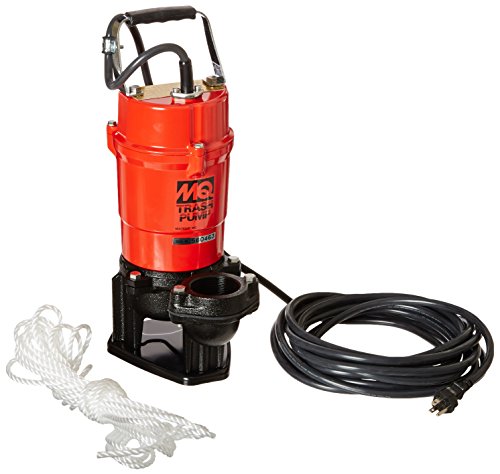
Multiquip ST2040T 1 HP Submersible Trash Pump
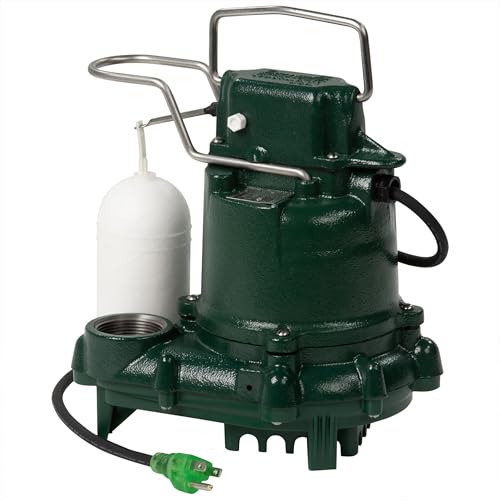
Zoeller M53 Mighty-mate 1/3 HP Sump Pump

Zoeller M98 Flow-Mate 1/2 HP Sump Pump
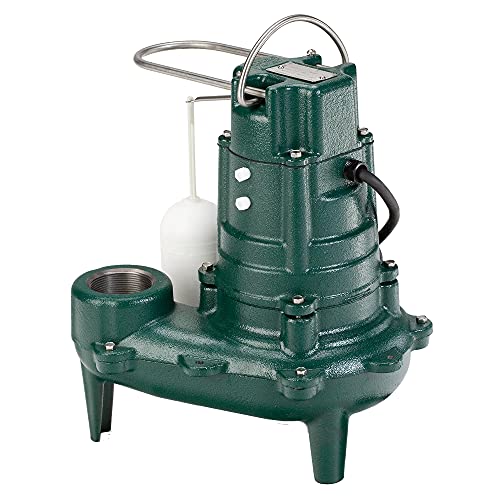
Zoeller Waste-Mate 267-0001 Sewage Pump

Jackel SF22A-DR 18 in. Drilled Sump Basin

AQUASTRONG 1 HP 4500 GPH Submersible Pump

Aquastrong 1/2 HP Thermoplastic Utility Pump
Aquastrong 1/2 HP Utility Pump with Float Switch

Aquastrong 1/2 HP Automatic Submersible Pump
Meet The Standout Selections
The WAYNE CDU800 is built like a small engine block rather than a household appliance, and that weight shows up the moment you lift it out of the box. A vertical float switch sits inside the housing, which keeps the activation mechanism out of the debris zone at the bottom of the pit. For a homeowner whose basement has filled up more than once, that float placement alone can change how often the pump needs to be pulled out and cleaned.
The pump is rated to move up to 5,100 gallons per hour, which is more than enough for a residential pit during heavy rain or rapid snow melt. The cast iron and stainless steel shell resists corrosion in the perpetually damp sump environment. Top-suction intake helps the unit draw water down to a low level without sucking in the sediment that settles at the bottom.
Useful Strengths
- High 5,100 GPH flow handles rapid water intrusion without cycling constantly.
- Cast iron and stainless steel construction holds up to years of submerged use.
- Vertical float switch has been tested to one million cycles, which points to long-term reliability.
- Top-suction design cuts down on sediment intake and reduces how often the screen needs cleaning.
Trade Offs To Consider
- The cast iron body is heavy, so hauling it up basement stairs for service can be tiring.
- Power output at this level demands a dedicated circuit, and homeowners should verify their breaker panel has the capacity before installing.
Key Specs
Made For
Homeowners in regions with high water tables or frequent heavy storms who want one pump to handle the worst nights.
Consider Something Else When
The Zoeller M98 Flow-Mate makes more sense if you prefer an oil-filled motor and a quick-glance LED power indicator on the plug.
The Multiquip ST2040T looks at home on a jobsite trailer rather than next to a finished basement wall. It is a trash pump, which means the impeller can chew through water carrying debris without choking the way a clean-water pump would. For contractors draining foundation trenches or cleaning out flooded commercial spaces, that tolerance is the whole point.
At 1 HP with a 2-inch suction and discharge, the unit moves roughly 79 gallons per minute. A cast iron housing with an abrasion-resistant impeller overlay handles the grit and small rocks that show up on real work sites. Dual shaft seals and internal thermal overload protection help the motor survive the kind of duty cycles that would burn out lighter-duty residential pumps.
What Stands Out
- Passes solids up to one inch, which keeps the impeller from clogging in dirty water.
- Carrying handle and compact frame make transport between sites manageable.
- Thermal overload protection shuts the motor down before it cooks under heavy load.
- Cast iron body holds up to drops and rough handling on construction sites.
Honest Caveats
- This is not a quiet household pump, and noise levels reflect its commercial design.
- Trash pumps generally need more frequent seal and impeller inspection than clean-water sump pumps, depending on use.
Feature Snapshot
Best Suited To
Contractors and property managers who drain flooded basements, ponds, or construction excavations with debris in the water.
A Better Fit Elsewhere
The Zoeller Waste-Mate 267-0001 Sewage Pump is a smarter long-term fit for homeowners who need to move sewage from a basement bathroom or laundry.
The Zoeller M53 Mighty-mate has earned a reputation as the kind of sump pump homeowners forget about once installed. At 1/3 HP it sits at the lower end of the residential power scale, which makes it well-suited to small pits in homes with modest groundwater intrusion. The float switch and motor are housed together in cast iron, while the base uses a more forgiving plastic for easier leveling on the pit floor.
The non-clogging vortex impeller design, meaning the impeller spins water rather than pushing it through narrow channels, keeps small debris moving without wrapping around the shaft. For homes where the sump sees mostly clear groundwater and the occasional sediment, that design cuts down on the maintenance trips homeowners dread.
Benefits That Matter
- Compact size fits tight sump basins where larger cast iron pumps will not drop in.
- Cast iron switch case and motor housing help the unit stay cool and resist corrosion.
- Vortex impeller moves water with small debris without constant clogging.
- Lower horsepower draw is friendly to older electrical panels.
Worth Noting
- The 1/3 HP motor will struggle in pits that take on water faster than a light rain would deliver.
- The plastic base, while convenient, does not feel as tank-like as a full cast iron foot.
Quick Facts
Right Fit For
Owners of smaller homes with shallow sump pits and a history of light, occasional groundwater seepage.
Swap It Out When
The WAYNE CDU800 1/2 HP makes more sense if your pit fills quickly during storms or sits at the bottom of a long vertical discharge run.
The Zoeller M98 Flow-Mate is the upgrade pick for homeowners who want a sump pump that feels overbuilt rather than adequate. An oil-filled motor inside a cast iron housing dissipates heat far better than a typical air-filled motor, which is meaningful for pumps that run for long stretches during storm events. The vortex impeller design pairs with stainless steel hardware for corrosion resistance in the parts most likely to seize.
What makes this pump feel modern is the LED power plug. A quick glance at the outlet tells you whether the pump is receiving power, which cuts diagnosis time when something does go wrong. The 9-foot power cord gives installers more flexibility in reaching the nearest outlet without splicing extension cords, a practice that building inspectors frown on.
A Few Strong Suits
- LED plug offers instant confirmation that power is reaching the pump.
- Oil-filled motor runs cooler under heavy cycling than air-filled alternatives.
- Vortex impeller handles typical sump debris without routine clogging.
- Stainless steel fasteners resist corrosion in submerged conditions.
- Factory-tested build supports long service life in primary sump duty.
Points To Keep In Mind
- The oil-filled motor adds weight, so lifting the unit for cleaning takes effort.
- Higher up-front cost than basic 1/3 HP residential units.
Whose Shelf It Belongs On
Homeowners who want their primary sump pump to run for years without much fuss, and who appreciate the diagnostic ease of an LED plug.
Reach For A Different Pick When
The Aquastrong 1/2 HP Automatic Submersible Pump is a better fit if you have a tight basin where a traditional float switch is awkward.
The Zoeller Waste-Mate 267-0001 sits in a different category from the rest of this list. It is a sewage pump, not a clear-water sump pump, and that distinction matters. The vortex impeller is engineered to pass 2-inch spherical solids without jamming, which means it can move the kind of effluent that comes from a basement bathroom, laundry, or septic system.
A 2-pole mechanical switch provides automatic float-operated activation, and the cast iron housing uses ASTM Class 25 iron for the switch case and motor housing. For homeowners installing a below-grade bathroom or dealing with a septic line that runs uphill, this is the kind of pump that earns its keep the first time the system is actually used.
The Helpful Details
- Passes 2-inch spherical solids, so sewage and effluent move without impeller clogging.
- ASTM Class 25 cast iron housing stands up to the corrosive nature of wastewater.
- Float-operated 2-pole switch runs automatically without manual intervention.
- Suited to both residential and light commercial sewage applications.
Where It May Fall Short
- Overkill for clean groundwater duty, where a basic sump pump would do the job at lower cost.
- Sewage service typically requires venting and check valve considerations that a sump pump does not.
Key Product Details
Who Should Grab It
Homeowners finishing a basement bathroom, running a laundry below grade, or replacing an aging sewage ejector pump.
Skip It When
The Zoeller M53 Mighty-mate is a better match if you only need to handle clean groundwater in a standard sump pit.
The Jackel SF22A-DR is not a pump at all, and including it here is a deliberate choice. A sump pump is only as reliable as the basin it sits in, and the SF22A-DR is the kind of structural foam basin that contractors reach for when installing a new sump system from scratch. At 18 inches in diameter and 24 inches tall, it fits through most standard joist openings while still leaving room for a check valve and a float switch.
The basin arrives with 48 factory-drilled 5/16-inch holes, so groundwater can flow in without the installer firing up a drill press. Glass-filled nylon encapsulated inserts give the lid mounting points the strength needed to support a sealed cover and any radon mitigation fan that might be added later.
Everyday Wins
- Factory-drilled holes save installation time on the jobsite.
- Reinforced bottom resists flexing when the basin is set on uneven soil.
- Single-piece molded construction prevents seam leaks over time.
- Non-corrosive inserts stand up to constant moisture exposure.
Practical Considerations
- This is a basin only, so a pump, lid, and check valve are all sold separately.
- The 18-inch diameter may be tight in retrofits where a larger pit already exists.
Built With In Mind
Homeowners and contractors installing a brand-new sump system who want a ready-to-assemble pit without renting a drill.
Where A Sibling Pick Shines
The Zoeller M98 Flow-Mate is the right companion to pair with this basin if you want a cast iron primary pump to drop in.
The AQUASTRONG 1 HP pump earns its place as a portable workhorse for the kind of cleanup that does not happen in a permanent sump pit. Rated to move up to 4,500 gallons per hour at a 5-foot lift, with a 30-foot vertical lift ceiling, this pump pulls water fast enough to drain a flooded basement section before the carpet is ruined. The bottom-suction design clears water down to about a fifth of an inch from the surface.
The “plug in to play, unplug to stop” design means there is no float switch to fiddle with on a temporary pump. You drop it in, plug it in, and walk away. That portability also makes it handy for hot tub drainage, garden pond cleanouts, and pool cover water removal during shoulder seasons.
Standout Benefits
- High 4,500 GPH flow rate handles emergencies faster than typical 1/3 or 1/2 HP units.
- Bottom-suction intake leaves the floor nearly dry after the water drops.
- 30-foot vertical lift supports basement applications with deeper discharge lines.
- Handles up to 1/5-inch solids, so small debris does not stop the impeller.
Some Limits To Know
- Manual on/off means it does not run unattended in a sump application.
- Thermoplastic construction is lighter than cast iron but less impact-resistant.
Perfect Match For
Homeowners who want a single portable pump to grab when the basement floods, the hot tub needs draining, or the pond needs a refresh.
Not Your Match When
The Zoeller M98 Flow-Mate is a better primary sump pump for permanent installation where automatic float activation is required.
The Aquastrong 1/2 HP utility pump is a lighter sibling to the 1 HP model, and it lands in the sweet spot for homeowners who do not need to drain a basement in 20 minutes. At 3,159 gallons per hour with a 26-foot vertical lift, it is plenty for emptying a window well, draining a small pool, or clearing standing water from a low spot in the yard.
The thermoplastic body keeps the weight down, which matters when the pump has to be carried out to the garden or down basement stairs. A 10-foot power cord is long enough to reach a standard outdoor outlet without an extension cord in most setups. The bottom-suction screen pulls water down to roughly a fifth of an inch from the floor.
Bright Spots
- Lightweight thermoplastic construction is easier to carry than cast iron alternatives.
- 10-foot cord reaches typical outdoor outlets without adapters.
- 3,159 GPH output clears window wells and shallow flooding quickly.
- Same plug-and-go simplicity as the larger Aquastrong model.
Less Ideal Details
- No float switch means it cannot run unattended in a sump basin.
- Plastic shell will not handle drops or cold-strike impacts the way cast iron will.
The Right Fit
Homeowners who need a go-anywhere utility pump for pools, ponds, window wells, and other non-permanent water removal jobs.
Look Elsewhere When
The Aquastrong 1/2 HP Utility Pump with Float Switch suits you better if you want automatic operation without manual plug management.
The Aquastrong 1/2 HP utility pump with float switch closes the gap between manual portable pumps and permanent sump installations. The tether-style float switch can be adjusted along its cable to set the activation height, which is useful when the pump drops into basins of different depths. Set-and-forget operation means the pump will turn itself on when water rises and off again when it drains.
The 10-foot power cord adds placement flexibility, and the 3,159 GPH flow rate matches the manual model. Because the pump can run automatically, it is a real option for homeowners who need a temporary sump pump while waiting on a permanent replacement, or for seasonal flooding in a utility room or workshop.
The Case For It
- Adjustable tether float lets you set the activation depth for different basins.
- Lock position on the handle keeps the pump in manual ON mode for full drainage jobs.
- Passes up to 1/5-inch solids without impeller clogging.
- Versatile enough for pools, hot tubs, ponds, and garden irrigation.
Where It Is Less Suited
- Utility-grade construction is not designed for permanent hard-wired sump installations.
- Tether float needs clearance around the pump to operate freely.
Made For
Homeowners who want automatic operation without committing to a fully permanent cast iron sump pump installation.
Consider Something Else When
The WAYNE CDU800 is a more durable primary sump pump if your basement sees heavy inflow on a regular basis.
The Aquastrong 1/2 HP automatic pump replaces the traditional float switch with an electronic sensor that triggers at six adjustable water levels. For tight sump basins where a tethered float would hit the walls, that sensor-based activation is a real advantage. The pump kicks on at depths as shallow as one inch and shuts off when water drops to roughly 0.4 inches, leaving the basin nearly dry.
Flow performance matches the other Aquastrong 1/2 HP models, at 3,159 GPH at a 5-foot lift with a 26-foot vertical ceiling. The sensor design also means fewer moving parts inside the basin, which can translate to lower maintenance over time compared with mechanical floats that wear or catch on debris.
Strong Points
- Electronic sensor removes the need for a tethered float that needs clearance.
- Six activation levels let you tune the pump to your basin depth and cycle preference.
- Shallow shut-off depth leaves less standing water in the pit.
- Sensor design reduces moving parts that can wear out over years of use.
Things To Weigh Up
- Electronic sensors can fail differently than mechanical floats, so a backup plan is wise for primary basement duty.
- Sensor-based pumps may need a reset procedure after a dry run, depending on installation.
Who It Suits Best
Homeowners with tight or narrow sump basins where a traditional float switch is hard to position.
Where Another Pick Suits Better
The Zoeller M98 Flow-Mate makes more sense as a primary basement pump where mechanical simplicity and proven long-term reliability matter most.
What Matters Most Before Choosing Submersible Pumps For Sump
Sump pumps fall into a few practical categories, and the right one depends on what kind of water you are moving. Clear groundwater duty calls for a standard sump pump with a float or electronic switch, while sewage and effluent require a pump with a vortex impeller rated to pass solids. Portable models suit emergency or seasonal use, and cast iron permanent units suit primary basement protection.
Horsepower translates directly to flow capacity, but more power only helps if your discharge plumbing can handle the volume. A 1/2 HP pump pushing 5,100 GPH is wasted if it is connected to a thin garden hose that chokes the output. Match the pump to the discharge diameter and the vertical lift the water has to climb.
Build material influences lifespan far more than people expect. Cast iron housings resist corrosion and help dissipate motor heat, while thermoplastic pumps stay light and portable but trade off durability. For a pump that runs unattended for years in a wet pit, the heavier build usually wins out over time.
Float switches remain the most common activation method, but electronic sensors and tethered floats each solve different basin geometry problems. A narrow pit, a pit with an offset inlet, or a pit with limited overhead clearance will change which switch style works without sticking or false-triggering.
Key Considerations Across These Picks
Where Shoppers Go Wrong
The most common mistake is sizing the pump by horsepower alone instead of by flow rate at the actual vertical lift your basement requires. A pump rated at 5,000 GPH at zero lift may move a fraction of that at 10 feet up. Skipping a check valve installation is another frequent slip up, and without one the pump cycles every time the water in the discharge line falls back into the pit.
When Paying More Pays Off
Higher-tier models tend to add oil-filled motors, cast iron vortex impellers, and diagnostic features like LED power plugs. For a primary basement sump pump that runs unattended through storm seasons, those upgrades earn their keep by reducing the failure modes that show up at the worst possible moment. For a portable utility pump used a few times a year, the basic models cover the use case without much compromise.
Frequently Asked Questions
How often should a sump pump run in normal weather?
A healthy sump pump in a basement with a properly functioning drainage system should cycle only after heavy rain or snowmelt. If yours runs every few minutes during dry weather, the float switch may be misaligned or the pit is taking on more groundwater than the drainage tile is moving away from the foundation.
Can a sump pump handle sewage or wastewater?
Standard clear-water sump pumps cannot. Sewage and effluent contain solids that will clog a typical impeller, so a sewage pump with a vortex impeller rated to pass 2-inch spherical solids, like the Zoeller Waste-Mate 267-0001, is the correct tool for that application.
What size pump do most homes need?
For typical residential basements with average groundwater, a 1/3 to 1/2 HP pump is the most common fit. Homes with higher water tables, longer vertical discharge runs, or a history of rapid basement flooding benefit from stepping up to a 1/2 HP or higher capacity unit.
How long do submersible sump pumps last?
Cast iron submersible pumps in residential service commonly run for seven to ten years before the float switch or motor gives out. Thermoplastic and utility-grade pumps tend to have shorter service lives, especially when used continuously rather than intermittently.
Is a battery backup worth it for a sump pump?
For any basement with finished space below grade, a battery backup or water-powered backup is a sensible addition. Power outages often coincide with the heavy storms that produce the most groundwater, and a pump without power is just a heavy object in a pit.
Closing Remarks
The right submersible pump matches the water you actually deal with, the basin you have to work with, and the level of attention you want to give it. Cast iron permanent units make sense for primary basement duty, vortex impeller sewage pumps belong in effluent basins, and portable thermoplastic models earn their keep as emergency backups and seasonal tools. Whichever route you take, the honest read is to plan for the worst storm your region has seen in the past ten years, and then pick the pump that handles that night without complaint.
