

A sluggish main line rarely gives warning before it backs up a basement drain. For homeowners, property managers, and small-business owners facing stubborn clogs, the right chemical drain opener can mean the difference between a quick evening fix and a call to a plumber. This list focuses on commercial-grade and pro-strength formulas built for tough grease, hair, and root intrusion, with options for septic systems, restaurants, and routine maintenance. Each pick is matched to a specific use case so you can match the formula to the pipe, not the other way around.
A Fast Comparison Of The Options

Rooto Professional Drain Opener for Septic Tanks

Talon Drain Opener, 2 Pounds

Whitlam Talon Drain Opener, 1 Pound

Zep Liquid Heat Hair and Grease Dissolver Gel 64 oz

Rooto Drain Opener 16 oz, Pack of 12

ComStar Pure Lye 1 lb Drain Opener Beads
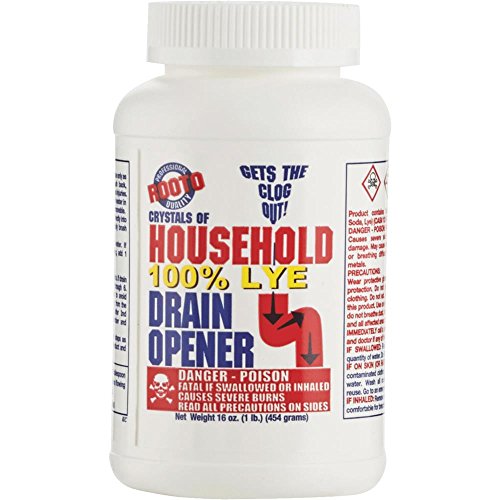
Rooto 1030 Drain Opener, 1 lb (Pack of 2)
More Details On Our Top Picks
Rooto’s Professional Drain Opener is built for the kind of mixed-use plumbing that shows up in hospitals, offices, and restaurants, where grease, soap residue, and paper can all stack up in the same line. The deep-penetration formula is designed to work through standing water and reach blockages further down the pipe, which matters when a plunger cannot do the job alone. Septic compatibility makes it useful for properties that cannot rely on harsh acids or chlorine-based treatments.
For property managers handling multiple restrooms or kitchens, the broad applicability of this formula cuts down on the number of products kept in the supply closet. It suits facilities where staff maintenance happens after hours and the goal is a single, reliable bottle for several drain types.
What Makes Sense
- Deep-penetration chemistry reaches clogs past the trap, helpful in long horizontal runs
- Safe for septic tanks, so it works in homes and small businesses without ruining the bacterial balance
- Versatile across bathroom, kitchen, and toilet lines, reducing the need for multiple products
- Suitable for institutional settings including hospitals, offices, and restaurants
Honest Caveats
- Packaging is described as image-unavailable at the retailer, so visual confirmation requires checking the listing directly
- Commercial-grade strength means careful handling and storage away from children and pets
- For total blockages with no standing water, a mechanical snake may still be needed first
Key Product Details
Best Suited To
Facility maintenance teams, property managers, and homeowners with septic systems who want one reliable formula for multiple drain types across a building.
Consider Something Else When
The ComStar Pure Lye Beads may suit you better if you prefer a pure sodium hydroxide formula for severe root intrusion or fully blocked lines.
Talon Drain Opener comes as a dry flake, which is unusual in a market dominated by thick liquids. That format lets you pour the exact amount needed for the pipe size, whether you are treating a slow bathroom sink or a 4-inch commercial grease line. The non-acidic chemistry targets organic matter, including grease, hair, and root growth, without the violent fumes associated with sulfuric acid products.
For anyone running monthly maintenance on a main line, the larger 2-pound container stretches further than the 1-pound option covered next. It also works as a preventive treatment to keep lines flowing before a backup ever happens.
Noteworthy Benefits
- Dry-flake form gives precise dosing for different pipe diameters
- Non-acidic formula is safer to store and handle than acid-based openers
- Designed to control root growth, useful for older properties with tree-lined yards
- Can be used monthly as preventive maintenance to keep drains clear
- No expiration date on the container, only a manufacture stamp
- Works through grease traps quickly, helpful for food-service plumbing
Practical Considerations
- Dry flakes need standing water to activate, so totally dry lines may need prep
- Larger container requires a dry storage spot away from moisture
Whose Shelf It Belongs On
Small-business owners, food-service managers, and homeowners with mature landscaping who need a single product for both clogs and root control.
Reach For A Different Pick When
Rooto Professional Drain Opener may be a better fit if you want a liquid formula for septic systems and mixed-use plumbing.
The 1-pound Whitlam Talon shares the same non-acidic, odor-free chemistry as the 2-pound version, just in a smaller package suited to apartments and single-family homes. It is gentle enough to leave chrome, polished brass, and plastic fittings unharmed, which removes a common worry for anyone with decorative fixtures or older plumbing. The 60-second working time on hair and grease means most clogs clear before bedtime.
For households that want a maintenance product without the fumes of a traditional drain cleaner, this format hits a practical middle ground. It also works as a monthly preventive dose, similar to the larger Talon covered earlier.
Where It Excels
- Won’t damage chrome or polished brass, so it’s safe for visible fixture areas
- Safe for septic systems, broadening its household usefulness
- Odor-free application makes indoor use far more tolerable
- Acts on hair and grease in under 60 seconds, ideal for bathroom sinks
Things To Weigh
- Smaller 1-pound size means more frequent reordering for large properties
- Not formulated for full septic tank treatments, only line maintenance
Quick Facts
Who Should Grab It
Homeowners with older bathrooms, chrome fixtures, or septic systems who want a gentle but effective monthly maintenance product.
Look Elsewhere When
The Zep Liquid Heat Gel may suit you better if you need a liquid formula for restaurant grease traps or commercial floor drains.
Zep’s Liquid Heat is a thick gel rather than a watery liquid, which is the point. The heavier consistency clings to the sides of the pipe and to the clog itself, so the active ingredients stay in contact longer than they would with a thin pour. That same clinging action makes it especially useful on vertical drops and grease-heavy kitchen lines where standard liquids often run straight past the problem.
The 64-ounce jug is sized for repeated use, so it makes sense for anyone dealing with monthly backups rather than a one-time clog. Restaurants, bars, and home cooks with heavy cooking routines will get the most value from a single bottle.
Strengths Worth Knowing
- Gel viscosity keeps the formula in contact with the clog instead of rushing past it
- Targets both hair and grease, covering the two most common main line culprits
- Large 64-ounce format suits ongoing maintenance schedules
- Liquid form pours easily into floor drains and utility sinks
Some Limits To Know
- Chemical gel formula requires gloves and ventilation during use
- Not specified as septic-safe, so confirm with the manufacturer if that matters
- Heavy jug is awkward to handle for a single bathroom application
Right Fit For
Restaurant owners, commercial kitchen staff, and homeowners with heavy cooking habits who deal with grease-laden main lines on a recurring basis.
Skip It When
Rooto Drain Opener 16 oz Pack of 12 may be a better fit for property maintenance teams who want smaller individual bottles across multiple units.
Rooto’s 16-ounce drain opener in a 12-pack is built for scale. A maintenance supervisor can stock each service vehicle, janitorial closet, and utility room without ordering repeatedly. The same Rooto chemistry that powers the 1-pound 1030 model is delivered in a more portable bottle that pours cleanly without measuring tools.
For property managers overseeing apartment buildings, schools, or office parks, the case format turns drain opener into a recurring supply item rather than a special-order purchase. Each bottle handles a single clog or one preventive dose, simplifying inventory tracking.
The Upside
- Twelve-bottle case reduces per-unit cost compared to single-bottle purchases
- Standard 16-ounce size fits easily in cleaning carts and supply closets
- Familiar Rooto brand trusted in rough-plumbing and drain applications
- Individual bottles simplify dosing, no large containers to pour from
Worth Noting
- Bulk packaging takes up storage space until bottles are distributed
- Liquid format requires careful storage upright to prevent leaks
Made For
Property managers, janitorial teams, and contractors who service multiple units and want a consistent, repeatable product across every job.
Not Your Match When
ComStar Pure Lye Beads may be a better fit if you need a concentrated, customizable dose for one severe clog rather than a bulk supply.
ComStar Pure Lye is a 99% pure sodium hydroxide bead, which is the highest concentration on this list. Sodium hydroxide is the active ingredient in most heavy-duty drain openers, but here you are getting it essentially undiluted, so the working speed is faster on grease, hair, and root growth. The bead form dissolves quickly when it hits water, so a slow pour into a clogged drain activates fast.
This is also a favorite among soap makers, which signals a level of purity that goes beyond typical household cleaners. For anyone comfortable handling caustic materials and looking for maximum chemical strength, this formula gives you that headroom.
Positive Takeaways
- 99% pure sodium hydroxide means concentrated cleaning power per dose
- Bead form dissolves rapidly, speeding up the reaction in standing water
- Available in 1-pound and 2-pound pack-of-12 configurations for different scales
- Trusted by soap makers, indicating genuine industrial-grade purity
Factors To Consider
- Pure lye is highly caustic, requiring gloves, eye protection, and strict ventilation
- Not suitable for aluminum pipes or fixtures, which the alkali can corrode
- Overdosing can damage porcelain or septic system components, so careful measuring matters
Who Will Love This
Experienced DIYers, professional plumbers, and anyone dealing with stubborn root intrusion or grease blockages who can handle industrial-strength chemicals safely.
A Better Fit Elsewhere
Talon Drain Opener 2 Pounds may suit you better if you want a non-acidic flake that’s gentler on fixtures and safer around mixed plumbing materials.
The Rooto 1030 is one of the long-standing workhorses in the drain-opener category, and the 1-pound pack-of-2 format makes it approachable for homeowners. Lye-based, it handles the same grease and hair clogs as the bulkier options above, just in a smaller package suited to a single residential property. The straightforward formula has been refined over decades rather than reinvented, which has its own appeal.
For DIYers who want a recognizable brand and a no-frills treatment, the 1030 is a sensible pick. It also pairs well as a backup bottle kept under the utility sink for the next slow drain.
The Case For It
- Established Rooto brand with a long track record in rough plumbing
- Lye-based formula works on the same organic clogs as pricier alternatives
- Two-pack gives a backup bottle for the next clog without reordering
- Compact 1-pound containers store easily in utility areas
Worth Bearing In Mind
- Lye chemistry requires the same handling care as the ComStar product, with no gentler profile
- Smaller 1-pound size isn’t ideal for restaurant or multi-unit use
Feature Snapshot
Perfect Match For
DIY homeowners who want a familiar, time-tested lye drain opener in a manageable size for occasional household clogs.
Where A Sibling Pick Shines
Whitlam Talon Drain Opener 1 Pound may suit you better if your home has chrome or brass fixtures you want to protect from harsh lye exposure.
What To Weigh Before Choosing A Main Line Drain Opener
Match The Chemistry To The Clog
The two main chemical families in this category are acid-based and caustic-based (sodium hydroxide, often called lye). Acid products work fast on hair and soap but can damage older pipes and chrome finishes. Caustic formulas, like the ComStar and Rooto picks above, handle grease and organic matter well and tend to be safer for plumbing materials, though they still demand careful handling.
Consider Pipe Material And Septic Compatibility
Older homes may have cast iron or galvanized steel, while newer construction often uses PVC. Highly acidic products can pit metal over repeated use, so non-acidic options like Talon are often the safer recurring choice. For properties on septic systems, confirm the formula is septic-safe to avoid disrupting the bacterial action that breaks down waste in the tank.
Decide Between Liquid, Gel, And Flake Formats
Liquid and gel openers (Zep, Rooto bottles) pour easily and work fast in standing water, with gels clinging longer to vertical surfaces. Dry flakes (Talon) allow precise dosing and have a long shelf life, but they need water in the line to activate. Your pipe layout, clog location, and storage space all point toward the right format.
Look At Quantity And Storage Needs
Single-bottle options suit occasional use, while multi-packs (the Rooto 16 oz 12-pack) and 2-pound containers make sense for property managers or anyone running monthly maintenance. Lye and caustic products should be stored in a cool, dry, secure location away from children and pets, and packaging weight affects how easy that storage is to manage.
What The Higher Tier Buys In Main Line Drain Openers
When Concentrated Strength Justifies The Cost
Industrial-grade formulas like ComStar Pure Lye deliver 99% pure sodium hydroxide, which means less product is needed per treatment. For severe root intrusion or fully blocked lines, that concentration can save a service call. The trade-off is handling complexity, since concentrated lye demands gloves, eye protection, and a clear understanding of the pipe materials involved.
Where Specialty Formats Earn Their Place
Higher-tier openers also bring format options that budget picks don’t, like Talon’s dry flakes for precise dosing or Zep’s gel for vertical surfaces. These formats cost a bit more per ounce but reduce waste, improve contact time, and expand the range of clogs you can treat at home. For homeowners who deal with recurring slow drains, that extra capability often pays for itself in fewer service calls.
Key Considerations Across These Picks
Pitfalls Shoppers Hit
A common mistake is grabbing a strong acid opener for a slow drain without checking pipe material first, which can pit metal plumbing over time. Another slip is assuming one bottle fixes every clog; partial blockages respond differently than fully backed-up lines, and mechanical clearing sometimes has to come first. You may also find that a product advertised as universal still isn’t labeled for your specific septic or fixture situation, so reading the fine print matters.
Where The Extra Money Goes
Higher-tier openers invest in purity, format, and septic safety rather than just branding. A 99% pure lye bead costs more than a diluted mix because the manufacturing process strips out impurities that can leave residue. Gel and flake formats require additional processing beyond simple liquid blending, and that production step is reflected in the retail price.
Frequently Asked Questions
How Do Main Line Drain Openers Differ From Regular Drain Cleaners?
Main line openers are formulated for longer pipe runs and tougher organic buildup like grease, hair, and root intrusion, while regular cleaners target smaller traps closer to the fixture.
Are Chemical Drain Openers Safe For Septic Systems?
Only some formulas are septic-safe, so check the label for confirmation. Non-acidic options like Talon are typically designed to preserve the bacteria that break down waste in the tank.
How Often Should You Use A Drain Opener For Maintenance?
Monthly preventive dosing is a common schedule for chronic slow drains, though the right frequency depends on pipe age, usage, and what goes down the line. Heavy-use kitchens may need more frequent treatment than a single bathroom.
Can Drain Openers Damage Pipes?
Caustic formulas can corrode aluminum and harm porcelain if overused, while acid products may pit older metal pipes. Following the manufacturer’s dose and contact time protects plumbing longevity.
What Should You Do If A Drain Opener Does Not Work?
Stop after one or two recommended treatments and switch to a mechanical snake or call a plumber, since additional chemical doses rarely help and can damage pipes or fixtures.
Bottom Line
Matching the drain opener to the clog, pipe material, and septic situation matters more than chasing the strongest formula on the shelf. For routine residential use, the Talon and Rooto 1030 options cover most slow drains without overcomplicating things. Heavy-duty situations, like restaurant grease lines or root-blocked mains, push you toward ComStar’s pure lye or Zep’s clinging gel, where the extra concentration and contact time earn their keep. Pick the format that fits your storage, your plumbing, and your tolerance for handling caustic chemicals.
