

A stubborn toilet clog never arrives at a convenient moment. Whether you live in a home on a septic system, manage a busy household bathroom, or travel in an RV, the right liquid treatment can clear slow drains before they turn into a costly plumbing call. This roundup sorts through the most useful options, from heavy-duty lye granules to gentle bacterial additives, so you can match the right formula to the actual problem instead of guessing in a hardware aisle.
An Overview Of The Picks
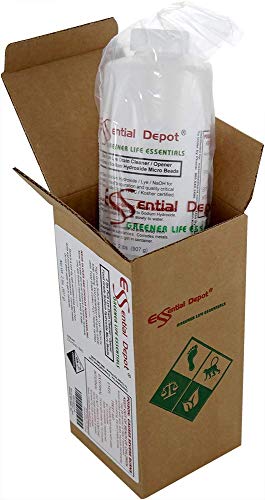
Essential Depot Pure Lye Drain Cleaner 2 lbs

Lysol Power Toilet Bowl Cleaner Gel 24oz

Thrift T-100 Alkaline Granular Drain Cleaner 2-Pack

Hair & Grease Liquid Drain Cleaner with Microfiber Towel

Septic Tank Treatment Monthly Bacteria Packets 12-Count

Rid-X Septic Tank Treatment Platinum Liquid 3-Month Supply

Unique Scrub-It Foaming Powder RV Toilet Cleaner 15-Count
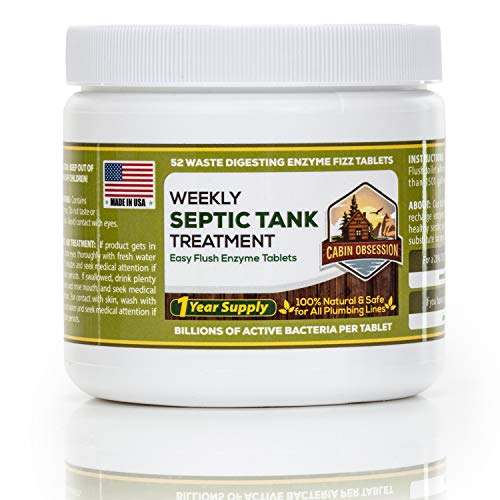
52 Weekly Septic Tank Treatment Fizz Tablets 1-Year Supply

Septic System Drain Field Cleaner 32 oz Concentrated
What Each Pick Brings To The Table
Sodium hydroxide, also known as lye or caustic soda, has cleared drains long before modern gel formulas hit the shelves. Essential Depot packages this classic as food-grade micro beads inside an HDPE jug (high-density polyethylene, a tough plastic that resists chemical attack) with a child-resistant cap, which matters when you’re storing it around curious kids or pets. For a household facing a fully blocked toilet or grease-choked kitchen line, it offers the kind of raw clearing power most retail liquids simply can’t match.
Versus the gentler septic-friendly picks later in this list, this is the brute-force option. The evenly-sized micro beads dissolve uniformly, which helps the active ingredient reach the clog rather than clumping at the top of the water column. Expect a chemical reaction and serious heat, so PPE (gloves and eye protection) is non-negotiable.
Standout Benefits
- Industrial-strength clearing for fully blocked drains
- Food-grade purity, useful if you also make soap or pretzels at home
- Evenly-sized micro beads dissolve predictably for consistent results
- HDPE container with child-resistant cap for safer storage
Trade-Offs To Consider
- Generates significant heat and fumes; demands gloves and ventilation
- Can damage aluminum, fiberglass, and certain older pipes
- Not safe for septic systems due to how harshly it disrupts bacteria
Who It Suits Best
Experienced homeowners with municipal sewer connections who want the most aggressive drain unblocker available without calling a plumber.
Skip It When
You live on a septic system, in which case the bacterial Septic Tank Treatment Monthly Bacteria Packets 12-Count offers a far safer path.
Lysol Power sits in a different category than the other picks here. It is a gel bowl cleaner, designed to cling under the rim and disinfect the porcelain rather than eat through a clog. The thicker viscosity (its resistance to flowing) lets it sit on stains long enough to lift toilet bowl rings, which is the everyday complaint most people actually have.
For households that want a once-a-week routine to keep the bowl sparkling and germ-light, this fits naturally into a Sunday reset. Compared to the heavy-duty lye in pick 1, it’s a hygiene product first and a clog treatment a distant second.
Advantages To Know
- Thick gel formula clings to vertical bowl surfaces longer than watery cleaners
- Targets both stains and odor-causing bacteria in one step
Points To Note
- Will not clear an actual blockage, only surface staining
- Strong bleach scent can bother sensitive noses in small bathrooms
Made For
Anyone who wants a dependable weekly bowl cleaner that handles grime and germ control in a single pass.
Consider Something Else When
The water is actually rising, since the jecudi Hair & Grease Liquid Drain Cleaner is engineered to break down the clog itself.
Thrift T-100 has been a staple in plumbing trucks for decades, and the two-pound twin pack keeps plenty on hand for the household. The dry crystals are designed to be activated with hot water, at which point they generate the kind of heat that liquefies hair, soap residue, and bath oils inside a drain line.
Where pick 1 relies on raw sodium hydroxide, Thrift uses a balanced alkaline blend that won’t attack porcelain or metal the same way. In a busy bathroom with long hair showers, this is often the more proportionate answer: tough on the clog, easier on the fixtures.
Notable Gains
- Hot-water activated formula designed to clear hair and grease quickly
- Odorless dry crystals are easier to store and measure than liquids
- Two-pack format suits both residential and light commercial use
Honest Caveats
- Requires boiling water to activate, which adds a step at the toilet
- Hard on porcelain enamel if left to sit in the bowl
Key Specs
Best Suited To
Households with frequent hair or soap clogs who don’t mind the extra step of heating water before pouring.
Reach For A Different Pick When
You’d rather skip boiling water entirely, in which case the jecudi liquid version is a simpler one-pour routine.
jecudi’s liquid is the everyday-friendly middle ground this list has been building toward. You pour it, you wait, the drain clears. No hot water, no powders, no fumes strong enough to chase you out of the bathroom. The included microfiber towel is a thoughtful touch for wiping up splashes without reaching for a separate cloth.
Compared to the harsher Thrift crystals in pick 3, jecudi trades some brute force for pipe-friendly chemistry that septic owners will recognize as safer. It’s the option you reach for when the water is draining slowly but the toilet hasn’t fully seized up yet.
Key Advantages
- One-pour liquid format, no boiling water required
- Compatible with PVC, metal, and standard septic setups
- Includes a microfiber towel for handling residue cleanly
Less Ideal Details
- Slower than alkaline crystals on a fully blocked line
- You may need a second round for very thick hair mats
The Right Fit
Renters and homeowners who want a low-fuss, pipe-safe liquid for slow drains in showers, sinks, and toilets alike.
A Better Fit Elsewhere
Fully blocked toilets call for Thrift T-100 Alkaline Granular Drain Cleaner 2-Pack, which is built to push through standing water faster.
Septic systems depend on living bacteria to break down waste inside the tank, and harsh chemical drain cleaners can wipe that colony out in a single pour. Cabin Obsession’s monthly packets take the opposite approach: drop one in, flush, and the dissolvable wrapper releases billions of active cultures that keep solids from accumulating.
Think of this less as a clog fixer and more as a clog preventer. Where pick 1 demolishes an existing blockage, this protects the system month after month so blockages are less likely to form in the first place.
Benefits That Matter
- Twelve-month supply keeps maintenance on autopilot
- Dissolvable packets require no measuring or scooping
- Designed to keep septic bacteria colonies healthy and active
A Few Limitations
- Won’t clear an existing blockage on its own
- Results depend on tank size and household water usage
Quick Facts
Whose Shelf It Belongs On
Cabin owners, rural homeowners, and anyone on a septic system who wants a low-effort monthly maintenance habit.
Look Elsewhere When
The leach field is already backing up, where the Septic System Drain Field Cleaner 32 oz Concentrated provides the shock dose you’ll need.
Rid-X is the most recognized name in residential septic care, and the Platinum liquid formula is its higher-tier offering. The liquid format pours straight into the toilet or down a drain without waiting for a packet to dissolve, which can be helpful when you want a fast, clean dose.
Against the monthly packets in pick 5, this trades a longer supply for quicker action. Three months of treatment means more frequent reordering, but for homeowners who prefer a pour-and-go routine, that tradeoff makes sense.
Bright Spots
- Ready-to-pour liquid skips the dissolve-and-wait step
- Targets paper, fats, oils, grease, starch, and protein waste
Possible Compromises
- Three-month supply runs out faster than yearly packets
- Premium liquid version costs more per dose than powder alternatives
Perfect Match For
Septic owners who like a recognized brand and want the convenience of pouring a measured liquid each month.
Another Choice May Suit
If a full year of unattended dosing matters more, the 52 Weekly Septic Tank Treatment Fizz Tablets 1-Year Supply covers longer with weekly tabs.
RV and marine toilets have small holding tanks and plastic plumbing that don’t appreciate the same heavy chemistry used in a house. Unique Scrub-It ships as individually wrapped stick packs that drop into the bowl, foam up, and scrub away rings without spilling powder across your galley.
This is the most niche pick on the list, and the source of its charm. Compared to Lysol in pick 2, it targets the specific stains and travel constraints RV owners deal with, rather than a generic bathroom bowl.
Practical Advantages
- Single-dose stick packs prevent spills during travel storage
- Foaming action reaches under the rim in compact RV bowls
- Fifteen-count pack covers multiple trips per box
Details To Watch
- Designed for RV and marine bowls, not standard home toilets
- Won’t address actual drain clogs in black tanks, only surface staining
Who Will Love This
RVers, boat owners, and overlanders who want a portable, mess-free way to keep their toilet bowl clean on the road.
Swap It Out When
You need a heavy-duty home toilet unclogger, where Essential Depot Pure Lye Drain Cleaner 2 lbs has the muscle for stubborn blockages.
Where the monthly packets in pick 5 give one large dose, these weekly tablets spread the bacterial activity across the entire year. Each tablet releases billions of active cultures into the tank, which keeps the breakdown process continuous rather than front-loaded.
The fizz format also makes dosing easy to remember. Drop one in on Sunday, and you’ve got a habit that takes five seconds. Compared to Rid-X in pick 6, this is more frequent but lower-effort per dose, since each tablet is small and pre-measured.
Real Benefits
- Fifty-two tablets cover an entire year of weekly maintenance
- Fizz action distributes bacteria throughout the tank quickly
- Safe for all standard plumbing and drain lines
Some Limits To Know
- Won’t reverse an existing backup on its own
- Effectiveness can drop if other harsh cleaners enter the system
Feature Snapshot
Built With In Mind
Septic homeowners who prefer a small, frequent dose over a single monthly treatment and want a year of maintenance in one purchase.
Where A Sibling Pick Shines
When the leach field is already sluggish, the Septic System Drain Field Cleaner 32 oz Concentrated delivers a more aggressive shock dose.
When a septic system starts backing up, the problem usually isn’t the toilet, it’s the drain field or leach lines. This concentrated liquid is dosed as a shock treatment to clear organic buildup in the field itself, restoring drainage flow from the tank outward.
It is the rescue option at the end of this list. Compared to the weekly tablets in pick 8, it works once per year or as needed, with billions of bacteria and enzymes targeted specifically at grease, starch, paper, and protein blockages.
Everyday Advantages
- Shock-dose format targets stubborn leach field blockages
- Concentrated 32-ounce bottle stretches across a full treatment
- Aims to prevent backups before they reach the household plumbing
Things To Weigh
- Not a daily maintenance product, it’s a periodic shock treatment
- Severely neglected systems may need a professional pump-out first
Who Should Grab It
Septic homeowners noticing soggy ground over the leach field or slow drains across the entire house who want to address the root cause.
Where Another Pick Suits Better
For ordinary weekly upkeep, the 52 Weekly Septic Tank Treatment Fizz Tablets 1-Year Supply is the easier habit to maintain.
What Matters Most Before Choosing Liquids For Clogged Toilet
Choosing the right toilet liquid depends less on brand and more on what’s actually blocking the drain and what kind of plumbing sits behind the wall. A heavy sodium hydroxide formula may clear a hair clog in minutes but will devastate a septic tank’s bacterial colony, leaving you with a different, more expensive problem within a month. Liquid drain cleaners also vary widely in how they interact with pipes: alkaline options can soften old PVC over time, while acid-based formulas pit metal fittings. The honest read is that matching chemistry to the job matters more than chasing the strongest bottle on the shelf.
Reading The Label Before You Pour
Look for two specific things: the active ingredient (sodium hydroxide, sulfuric acid, or bacterial cultures) and any compatibility notes. Labels often mention whether the product is safe for septic, PVC, or older plumbing. For most households, a mid-strength alkaline or bacterial formula is the proportionate choice, reserving heavy lye for genuinely blocked lines.
Septic Versus Sewer Matters
If your home connects to municipal sewer, you have more flexibility with chemical cleaners. If you’re on septic, bacterial treatments should be your default and your only option for routine maintenance, since chemical drain openers can wipe out the bacteria that keep the tank working. Treating the toilet and the tank as one connected system avoids expensive drain field repairs down the road.
Frequency Beats Strength
Slow drains rarely appear overnight. They’re the visible symptom of buildup over weeks or months. A small weekly or monthly dose of the right bacterial treatment often prevents the emergency pour of harsh chemistry later, and it’s gentler on every surface the liquid touches.
Smart Spending And Common Slips In This Category
Mistakes Worth Dodging
Reaching for the strongest chemical on the shelf is the most common slip. Many shoppers default to maximum-strength lye for any clog, only to discover their pipes or septic tank can’t tolerate it. Another trap is mixing products, which can create dangerous reactions and rarely clears clogs faster than a single correct product. Finally, ignoring the difference between toilet clog liquids and toilet bowl cleaners leads to wasted effort, since bowl cleaners polish porcelain rather than dissolve blockages.
When Paying More Pays Off
Higher-priced products in this category typically invest in concentrated active ingredients or stabilized bacterial cultures, which both translate into more doses per bottle and less frequent reordering. For routine septic maintenance, a yearly supply of fizz tablets or monthly packets spreads the cost over twelve months and prevents the kind of neglect that leads to expensive service calls. The upgrade pays off when you stop treating plumbing as an emergency and start treating it as upkeep.
