

A sluggish drain field rarely announces itself with drama. You notice wet patches over the leach lines, a faint sulfur smell near the tank, or toilets that gurgle after a heavy laundry day. Treating the system with the right bacterial blend keeps solids from migrating into the soil where they cause real damage. The nine options below cover everything from monthly maintenance pods to one-shot shock cleanouts, so you can match the format to your soil, tank size, and how often your household puts the system under load.
How The Shortlist Stacks Up

Green Gobbler Septic Tank Treatment Packets 12-Month Supply

Cabin Obsession Septic Tank Treatment 1-Year Bacteria Packets

Septic-Flow Septic Tank Treatment Enzyme Pods 1-Year Supply

Green Pig Septic Tank Treatment Packets (60-Count)

ccls Septic Tank and Cesspool Treatment 4-Pack

MICROBE-LIFT Original Septic Treatment Liquid 1 Gallon
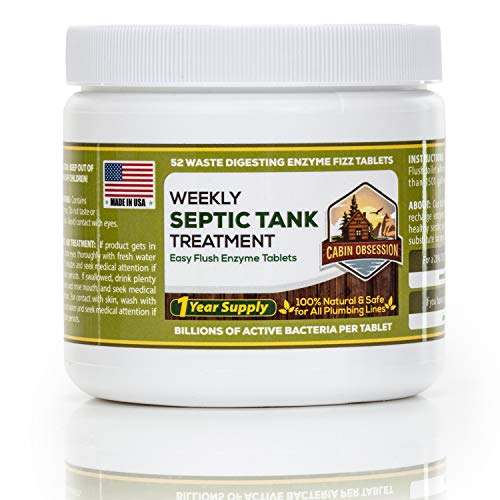
Cabin Obsession 52-Weekly Septic Tank Fizz Tablets

Cabin Obsession Septic System Drain Field Cleaner 32 oz
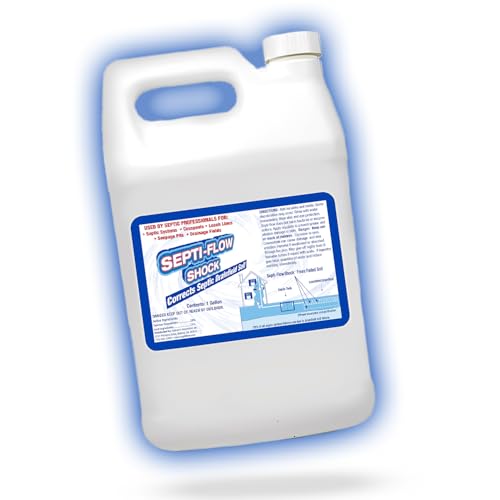
Septic-Flow Shock Drain Field Cleaner 1 Gallon
The Strengths Of Each Pick
Green Gobbler’s monthly pods slot into a routine most households can keep without thinking. Each water-soluble packet carries a blend of bacteria and enzymes, the kind of microscopic workers that feed on the fats, oils, paper, and starches that otherwise drift out to the leach field and clog the soil. The convenience factor is real: drop a pod in the toilet once a month, flush, done.
Compared with the cabin-obsession packets reviewed below, the Green Gobbler formula markets itself for broader use cases including cesspools, RV holding tanks, and marine systems. That flexibility makes it a sensible first stop for anyone who isn’t sure exactly what their system needs. The honest read is that for a typical residential leach field on a normal household load, this format delivers what you’d expect from a maintenance-grade treatment without overcomplicating things.
Useful Strengths
- Twelve-month supply matches the most common dosing calendar for residential tanks
- Drop-in packet format means no measuring cup, no spills, no guessing how much to use
- Enzyme blend targets the everyday culprits, fats, oils, paper, and starches, that migrate into leach lines
- Also marketed for cesspools, RV holding tanks, and marine systems if you own more than one property
Things To Consider
- Pods won’t reverse an already-failed drain field; they’re a maintenance play, not a rescue
- Owners commonly report the pods dissolving slowly in low-flow older toilets, so flushing twice helps
- Avoid running heavy bleach loads right after dosing, as chlorine can knock back the bacterial population
Key Specs
Built With In Mind
Homeowners with a standard residential septic system who want a no-fuss, set-and-forget monthly routine that fits inside an ordinary toilet flush.
Consider Something Else When
Weekly dosing habits pair more naturally with the Cabin Obsession fizz tablets reviewed later, which break the year into 52 smaller increments.
Cabin Obsession takes the same monthly packet approach as Green Gobbler and packages it for households that want clarity over chemistry. The brand markets the product explicitly toward homeowners who don’t want to learn the difference between facultative bacteria and anaerobic digestion: flush one packet a month, the biology handles the rest. That simplicity is the actual value.
The packets dissolve in the bowl and travel through the plumbing into the tank, where the bacteria colonize and start competing with the solids that would otherwise settle into the leach field. Made in the USA and septic-safe by formulation, the product fits well for first-time system owners who haven’t yet built a maintenance habit. For most backyards with average household flow, the monthly cadence keeps the microbial population active enough to prevent backups.
Points In Its Favor
- Flush-and-forget dosing means no measuring cups or cleanup
- Made in the USA, which simplifies sourcing for shoppers who care about manufacturing origin
- Designed specifically for residential septic systems rather than multi-application marketing
Worth Noting
- Twelve packets is fine for normal households but tight for properties with high guest turnover
- Like all bacterial treatments, effectiveness drops if the tank receives heavy doses of bleach or harsh cleaners the same week
- Won’t clear a leach field that has already failed from years of neglect
Right Fit For
First-time septic owners who want a straightforward monthly habit without learning the science behind wastewater biology.
Look Elsewhere When
Households that run heavy laundry or guest loads weekly may prefer the 52-tablet fizz version from the same brand, which spreads bacteria across more frequent doses.
Septic-Flow’s enzyme pods sit in the same monthly-dosing lane as the two picks above, but the brand leans harder into enzyme activity rather than bacterial cultures alone. Enzymes are the catalysts that break molecular bonds in fats, proteins, and starches; bacteria then consume the smaller pieces. That two-step biology gives leach field soil a fighting chance at staying permeable, especially in systems that see moderate but steady household use.
The format mirrors the field: a year’s worth of pods, flush one a month, the supply fits in a cabinet under the bathroom sink. Made in the USA, the product targets homeowners who want consistent prevention rather than emergency intervention. Compared with the Green Gobbler pods reviewed earlier, this one markets itself more narrowly toward monthly maintenance without the RV-and-marine expansion, which some shoppers prefer for clarity.
Useful Highlights
- Enzyme-forward formula complements natural bacterial activity already present in healthy tanks
- Compact packaging stores easily in a bathroom cabinet without dominating shelf space
- Made in the USA for shoppers who weigh origin during routine purchases
Trade Offs
- Single-purpose format means no coverage for cesspools, RV tanks, or marine systems on the same order
- Like all enzyme products, dosing on the same day as a strong chemical drain cleaner will blunt effectiveness
- A neglected leach field needs professional service before any maintenance product can help
Feature Snapshot
Who It Suits Best
Households with steady occupancy and consistent water use who want predictable, low-effort monthly maintenance without multi-application marketing.
A Better Fit Elsewhere
Owners of larger properties with multiple waste systems should consider the ccls 4-pack reviewed below, which delivers more total doses per order.
Green Pig pushes the count up to sixty packets in a single order, which fundamentally changes the math for busy households. Instead of one pod a month, owners can dose more frequently or stretch the supply across multiple properties. The enzyme-based formula focuses on preventative maintenance: keeping organic solids in suspension long enough for the tank’s natural biology to process them before they migrate into the leach field.
For families who run multiple washers a day, entertain often, or simply prefer the peace of mind that comes with over-treatment rather than under-treatment, the bulk format removes the annual reorder cycle. The trade-off is storage: sixty packets take up more cabinet real estate than a twelve-pack, and shoppers in tight bathrooms should measure first. Compared with Green Gobbler’s twelve-month supply, this is the bulk-buyer’s option in the same general category.
The Value In It
- Sixty packets cover multiple systems or longer dosing windows without reordering
- Enzyme blend targets the organic buildup that contributes to drain field clogs
- Septic-safe formulation reduces worry about damage to plumbing components
- Helpful for households with heavy laundry or guest turnover that strain the system
Honest Caveats
- Bulk packaging requires more storage space than a typical twelve-pack
- Effectiveness depends on consistent dosing, which is harder to maintain with that many packets sitting around
- Will not fix a leach field that has already failed from years of neglect
Made For
Larger families, multi-property owners, and anyone who wants several years of treatment on hand without placing another order.
Not Your Match When
Small households with limited storage space may find the twelve-month packs from Green Gobbler or Septic-Flow easier to store and use before expiration.
ccls takes a different approach, a four-pack of liquid treatment bottles rather than flushable pods. The brand markets a three-step philosophy: pump first, treat second, and maintain with biological additives. That sequencing matters because no additive can replace a proper pump-out, a point the marketing actually calls out, which is rare and refreshing. The bacteria and enzymes inside aim to break down solids between pumpings and to restore a microbial balance that keeps effluent healthy for the drain field.
The non-toxic, non-hazardous, non-corrosive framing makes this a sensible option for households near wells or sensitive soils where runoff matters. Compared with the pod-style picks earlier, the liquid format gives users finer control over dosing volume but also requires more active handling. For larger tanks or high-load households, the four-bottle count covers more applications than a typical twelve-month pod supply.
Well-Handled Touches
- Liquid format allows flexible dosing for different tank sizes
- Honest three-step maintenance philosophy that prioritizes pumping over additives
- Non-toxic, non-hazardous formulation suits properties near wells or sensitive landscapes
- Multi-bottle pack covers longer maintenance windows without reordering
Points To Note
- Liquid dosing requires measuring and more active participation than pod formats
- Bottles need shelf space and protection from extreme temperatures
- Won’t help a leach field that’s already saturated or has failed soil structure
Best Suited To
Homeowners with larger tanks or higher household loads who want concentrated liquid dosing and a brand that acknowledges pumping as the foundation of any treatment plan.
Skip It When
Shoppers who want the simplest possible routine should stick with the flushable pod picks above, which trade a bit of dosing precision for far less handling.
MICROBE-LIFT leans into the idea that less frequent, higher-volume dosing can do the same job as monthly pods. A single gallon covers two years of treatments when used at the recommended schedule, which translates to a quick pour every six months rather than a monthly reminder on the calendar. For homeowners who forget or dislike monthly routines, that schedule alone can justify the format.
The liquid carrier holds a concentrated bacterial blend designed to reduce solids between pumpings and to keep odors in check. There is a brief application odor noted during the initial pour, which fades within minutes according to the brand, and the treatment then continues working quietly in the tank. Compared with the pod picks reviewed earlier, MICROBE-LIFT trades frequency for volume, which suits a different personality of shopper.
Real-World Strengths
- Two-year coverage from a single gallon reduces ordering frequency and storage churn
- Twice-yearly schedule suits forgetful homeowners who dislike monthly routines
- Concentrated liquid format delivers a larger bacterial dose per application
Room For Improvement
- Brief application odor can catch first-time users off guard, so dose during a well-ventilated time
- One-gallon container needs storage space away from temperature extremes
- Less flexible dosing than smaller liquid bottles if you want to adjust for tank size
Feature Rundown
Who Will Love This
Homeowners who prefer a set-and-forget twice-yearly schedule over a monthly habit and have the storage space for a one-gallon container.
Another Choice May Suit
Households that want more granular monthly control over bacterial dosing should consider the Green Gobbler pods reviewed earlier.
The fizz-tablet format from Cabin Obsession compresses the year into fifty-two weekly doses, each one carrying billions of active bacterial cultures. The science here is straightforward: more frequent, smaller doses maintain a steadier bacterial population than monthly pods, which can let microbial levels swing between treatments. For active households that put heavy daily loads on the system, that consistency helps.
The fizz action itself is mostly a delivery convenience, the tablet dissolves in the bowl and travels through the plumbing intact. Once in the tank, the bacteria recharge the enzyme supply and work on solids across the sludge, scum, and leach field zones. Compared with the monthly packets reviewed earlier, this format suits households that prefer a smaller, weekly habit over a once-a-month chore.
The Good Stuff
- Weekly cadence keeps bacterial populations more stable than monthly dosing
- Fizz-tablet format dissolves cleanly without residue in the bowl
- Suitable for all plumbing and drain line materials, reducing worry about corrosion
- Fifty-two tablets cover a full year without reordering
Small Caveats
- Weekly dosing requires more consistent attention than a monthly habit
- Tablet count means more frequent use of the package, which can run out before expected if missed weeks lead to doubling up
- Will not rescue a leach field that has already failed from structural issues
Perfect Match For
Active families or homes that host frequent guests and want steady weekly bacterial reinforcement rather than monthly bursts.
Reach For A Different Pick When
Shoppers who prefer minimal handling should consider the MICROBE-LIFT gallon reviewed above, which trades frequency for a twice-yearly pour.
This 32-ounce bottle from Cabin Obsession shifts away from routine maintenance and toward a targeted shock treatment. The product positions itself as a professional-strength concentrate designed to break through organic buildup that monthly pods can’t touch, the kind of grease, paper, and protein accumulation that narrows drain field lines and slows effluent absorption into the soil.
The format is a single concentrated dose applied once per year, or as needed when the system shows early warning signs. Households with a history of slow drains or wet spots over the leach field benefit most from this kind of intensive intervention. Compared with the steady-dosing products reviewed earlier, this is a fire extinguisher rather than a smoke detector.
Everyday Perks
- Concentrated formula targets the buildup that routine maintenance alone can’t shift
- Annual application schedule fits easily into a weekend maintenance plan
- Liquid format reaches drain field lines more directly than flushable pods
Areas To Watch
- Shock treatments work best as a complement to, not a replacement for, routine monthly dosing
- Not a fix for leach fields with structural failure or saturated soil that needs professional excavation
- Bottle requires storage in a temperature-stable spot to preserve bacterial viability
Who Should Grab It
Homeowners who notice early warning signs like slow drains or damp patches over the leach field and want a one-shot concentrated treatment alongside their regular routine.
Swap It Out When
Households without any current warning signs may get more value from a preventive monthly pod like the Septic-Flow enzymes reviewed above.
Septic-Flow’s shock cleaner delivers the largest single application on this list: a full gallon designed to push through drain field lines that have started accumulating sodium, phosphate, and sulfate residues from years of household cleaners. Heavy-duty treatments like this one target the chemical side of drain field clogging, where ordinary biological pods can’t keep up with mineral buildup.
The gallon format suits properties with serious leach field history, including homes where soaps and detergents have left residue that restricts soil absorption. The brand markets the product for clearing field lines and restoring drainage flow. Compared with the 32-ounce Cabin Obsession shock dose reviewed above, this option covers larger leach fields or repeated treatments from a single purchase. For households already seeing backups, it’s the most aggressive biological-and-chemical intervention available without calling a service truck.
What Earns Its Place
- Larger volume suits bigger leach fields or properties needing repeat treatments
- Targets sodium, phosphate, and sulfate buildup that biological pods don’t address
- Heavy-duty formula for properties with a history of slow drainage or recurring backups
Possible Compromises
- Not a substitute for professional service when the leach field has physically failed
- Larger container requires dedicated storage space and careful handling of the concentrate
- Best results come from pairing with ongoing maintenance rather than standalone use
The Right Fit
Property owners with mature leach fields that have accumulated years of soap and detergent residue and need an aggressive annual shock treatment alongside routine maintenance.
Where A Sibling Pick Shines
Households in early-stage maintenance should pair this with monthly pods like the Green Gobbler packets rather than relying on annual shocks alone.
What To Weigh Before Choosing A Leach Field Treatment
Format Versus Frequency
Flushable pods and fizz tablets trade convenience for a fixed dosing schedule, while liquid concentrates allow more flexible dosing at the cost of measuring and cleanup. Pick the format that matches the routine you can actually keep: monthly pods work for calendar-driven households, weekly tablets suit those who like steady reinforcement, and liquid gallons fit forgetful homeowners who prefer twice-yearly pours. Forgetting a dose repeatedly does more harm than picking the wrong brand, so choose a cadence you can sustain.
Tank Size And Household Load
A two-person household on a small tank has different needs than a family of six running two washers a day. Larger tanks and higher water volume consume bacterial activity faster, which means either more frequent dosing or higher concentration per dose. Households with frequent guests, home-based businesses, or rental turnover should lean toward bulk formats like the Green Pig sixty-pack or the ccls four-bottle liquid set.
Maintenance Versus Intervention
Routine biological products keep a healthy system healthy; shock treatments address buildup that has already accumulated. Most households benefit from a layered approach: monthly maintenance pods as the foundation, with an annual shock dose like the Cabin Obsession 32-ounce or the Septic-Flow gallon reserved for the first sign of slow drainage. No additive can replace a proper tank pump-out, which should run on its own schedule regardless of treatment choice.
Soil, Drainage, And Site Sensitivity
Properties near wells, drinking water sources, or sensitive landscapes benefit from non-toxic, non-hazardous formulations that won’t damage surrounding soil if a small amount migrates. Households with heavy clay soils or high water tables may need more aggressive biological support because the leach field already works harder to absorb effluent.
Key Considerations Across These Picks
Where Shoppers Go Wrong
The biggest mistake is treating a treatment product as a substitute for pumping. No additive reverses a tank full of solids or a leach field with collapsed soil structure. Another common slip-up is dosing at the wrong time, like running a heavy bleach load the same day as a bacterial pod, which kills the cultures before they establish. Shoppers also underestimate storage: heat and freezing both degrade bacterial viability, so a garage shelf in full sun or an unheated shed in winter can shorten a product’s useful life.
Where The Extra Money Goes
Higher-tier products in this category typically deliver larger bacterial counts per dose, broader-spectrum enzyme blends, or larger total volume per purchase. The Septic-Flow gallon, for example, costs more upfront but covers more treatments than a typical pod pack. Premium pricing also tends to fund stricter manufacturing standards, which matters for products with living cultures that can lose potency if mishandled. The honest read: spending up pays off most when household load is high, when prior neglect has left residue to clear, or when consistency matters more than convenience. For a low-load household on a healthy system, the cheapest monthly pod is usually enough.
